Who builds it, who pays
NASA sets most missions and pays for them, but very little of what it flies is built inside NASA. Each machine in the atlas is the work of several organizations — and the same company can build a rocket for one program and buy a ride from a rival in another.
The civilian space agency: it sets the missions, oversees ten field centers (including the Jet Propulsion Laboratory, which Caltech runs for it) and buys most of its hardware and services from industry.
About NASALaunches most of the mass sent to orbit worldwide on its Falcon rockets, flies NASA’s crews in Dragon, and is building Starship, one of the two landers for Artemis.
About SpaceXBuilds the New Glenn rocket, the BE-4 engine that also powers Vulcan, and the Blue Moon landers.
About Blue OriginPrime contractor for the SLS core stage and the Space Station, and builder of the Starliner crew capsule.
About BoeingBuilds Orion and the next generation of GPS satellites, and built NOAA’s GOES-R weather satellites.
About Lockheed MartinMakes the solid rocket boosters for SLS and Vulcan, flies Cygnus cargo ships, and built the Webb telescope.
About Northrop GrummanThe Boeing–Lockheed Martin joint venture that launches Atlas V and Vulcan for government and commercial customers.
About ULABuilds the RS-25 engines for SLS through Aerojet Rocketdyne; its RL10 upper-stage engine business became a separate company, Rocketdyne, in August 2026.
About L3HarrisSupplies Orion’s service modules, flies European astronauts on Dragon and Artemis, and partners on Webb and other science missions.
About ESABuilds the European Service Module for Orion in Bremen, under contract to ESA.
About AirbusOperates the nation’s weather satellites; NASA builds and launches them for it.
About NOAAOperates the Landsat satellites and keeps their archive, free to everyone since 2008.
About USGSOperates GPS and buys national-security launches from SpaceX, ULA and Blue Origin.
About Space Force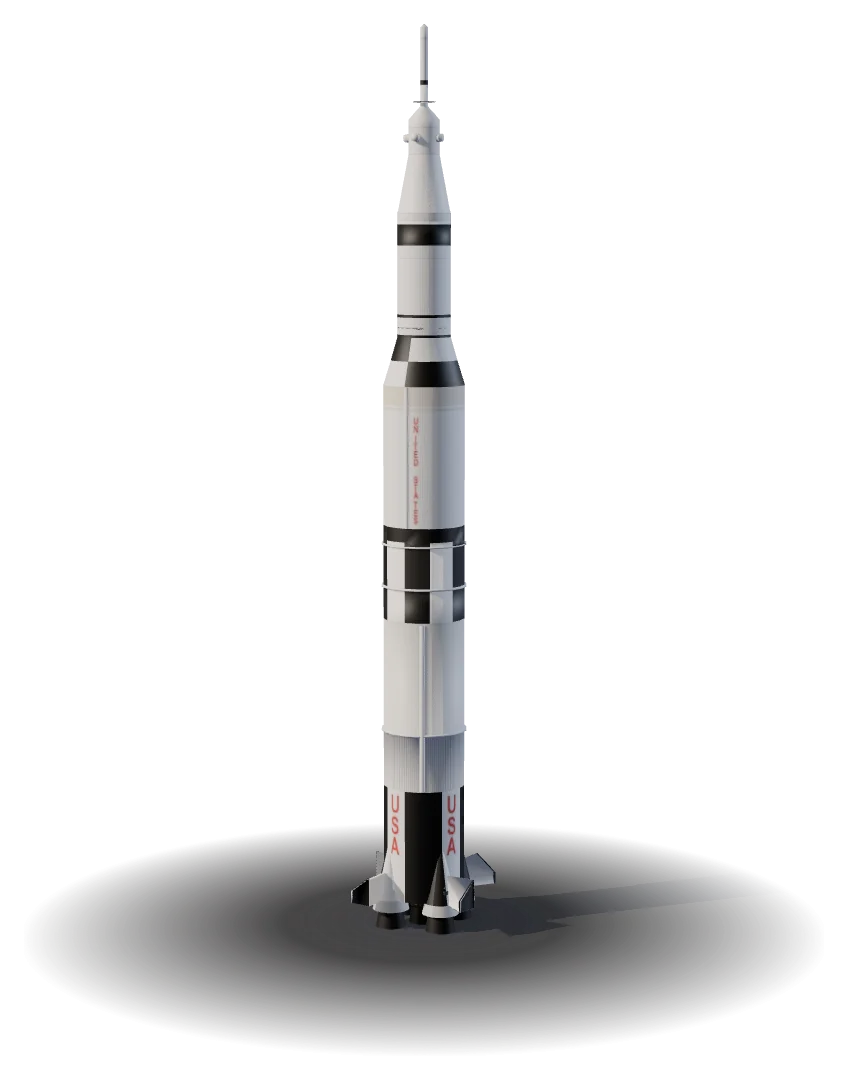 Saturn VRocket
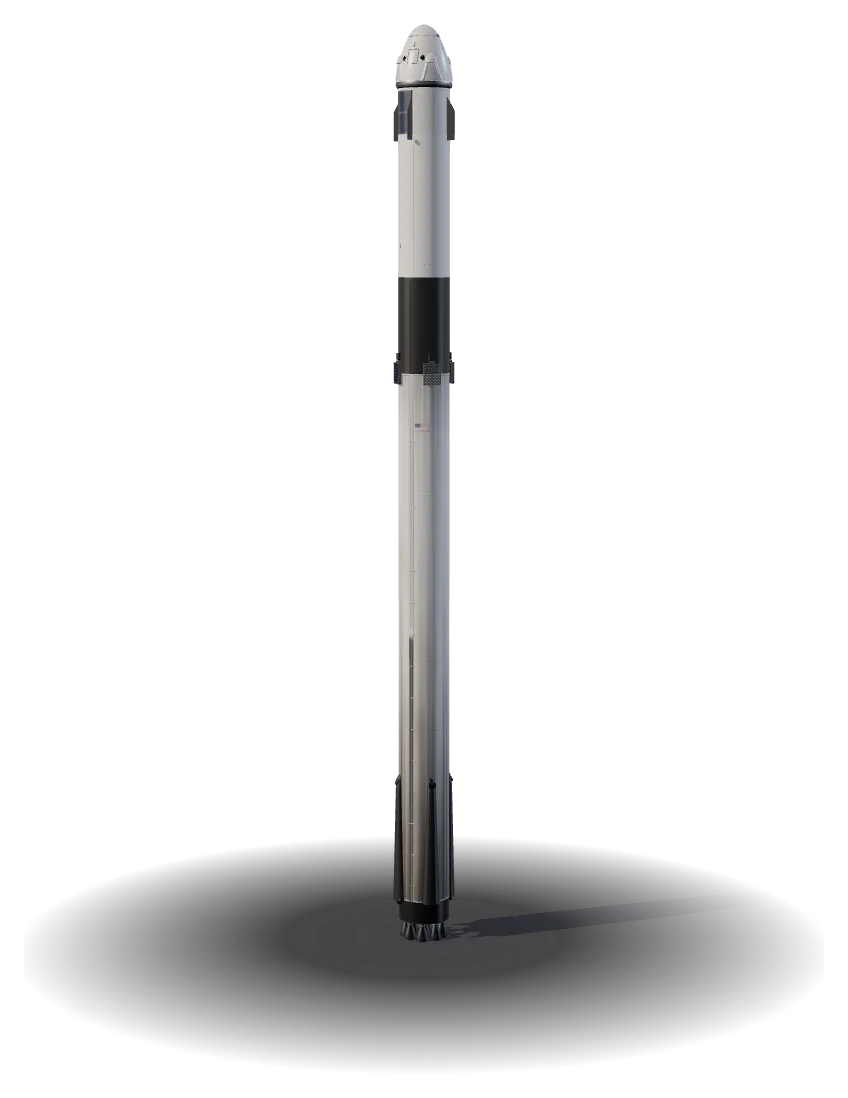 Falcon 9Rocket
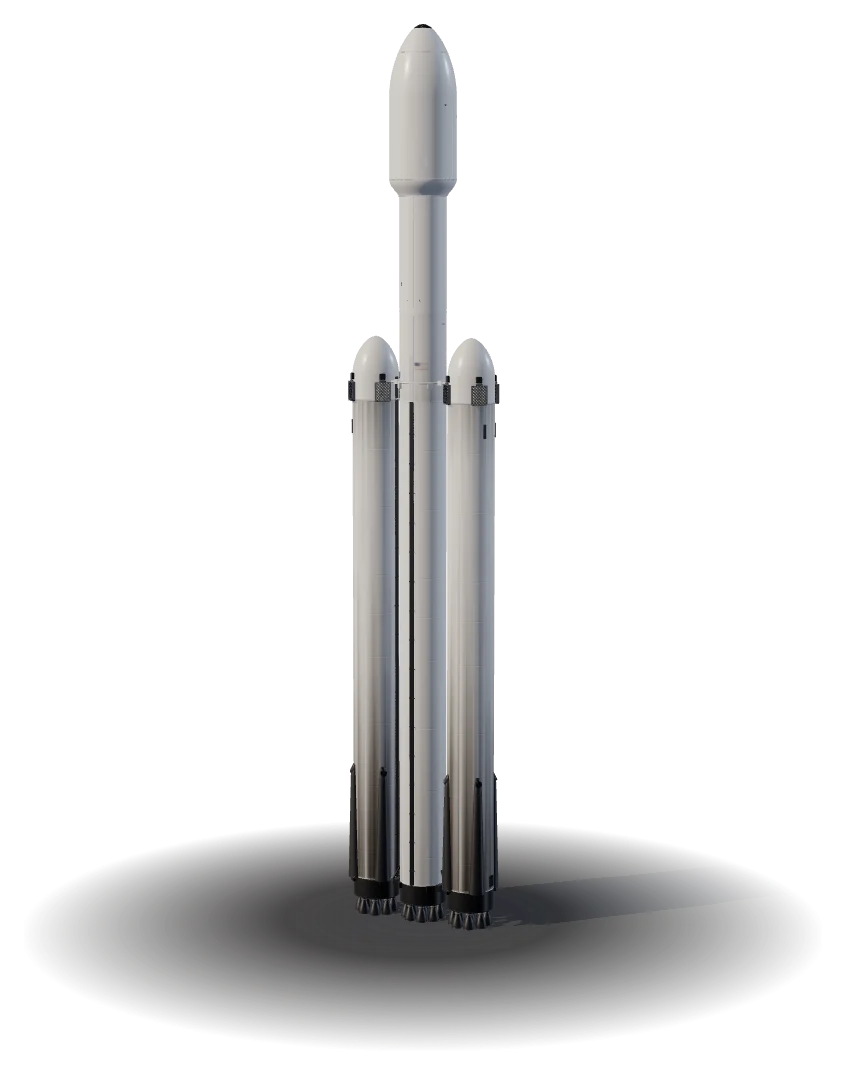 Falcon HeavyRocket
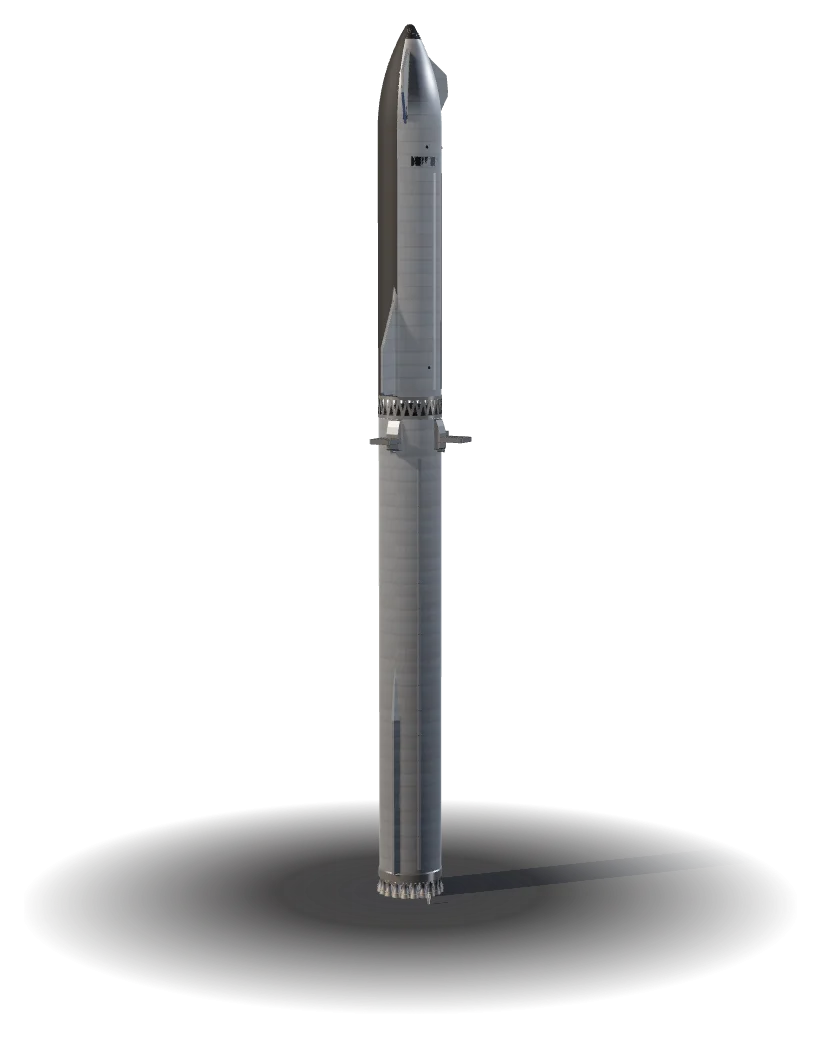 StarshipRocket
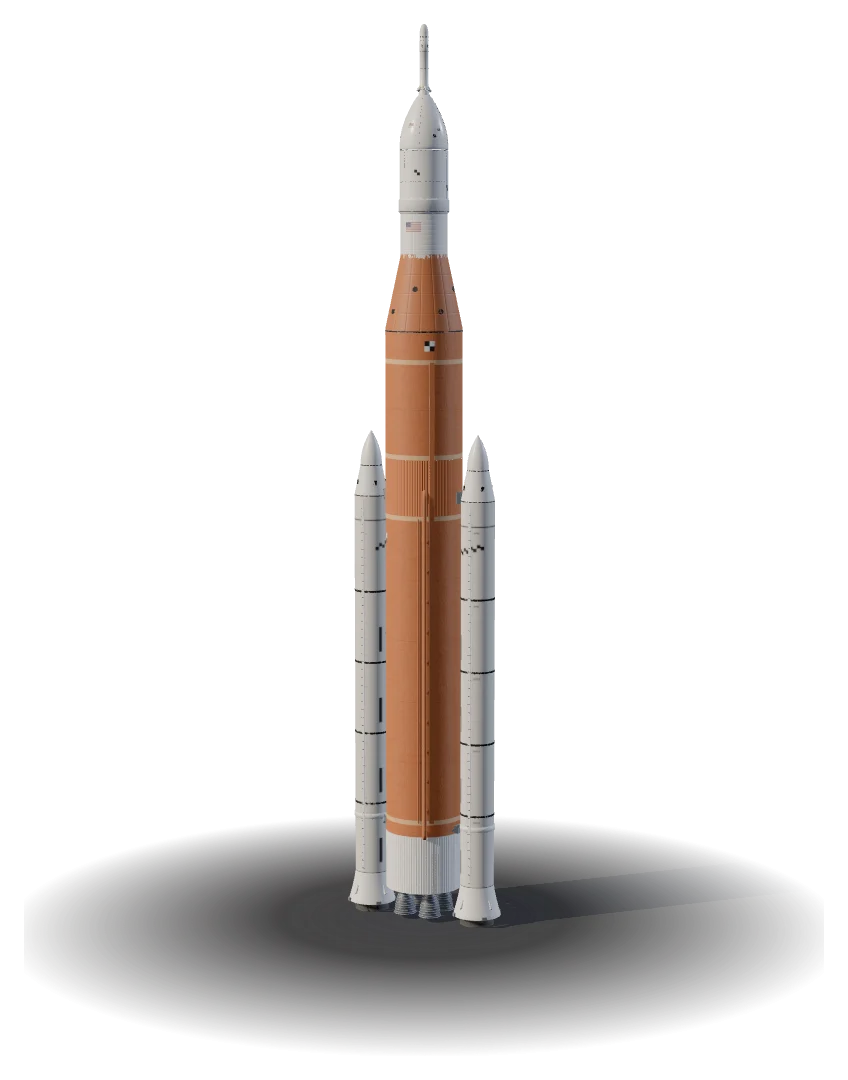 Space Launch SystemRocket
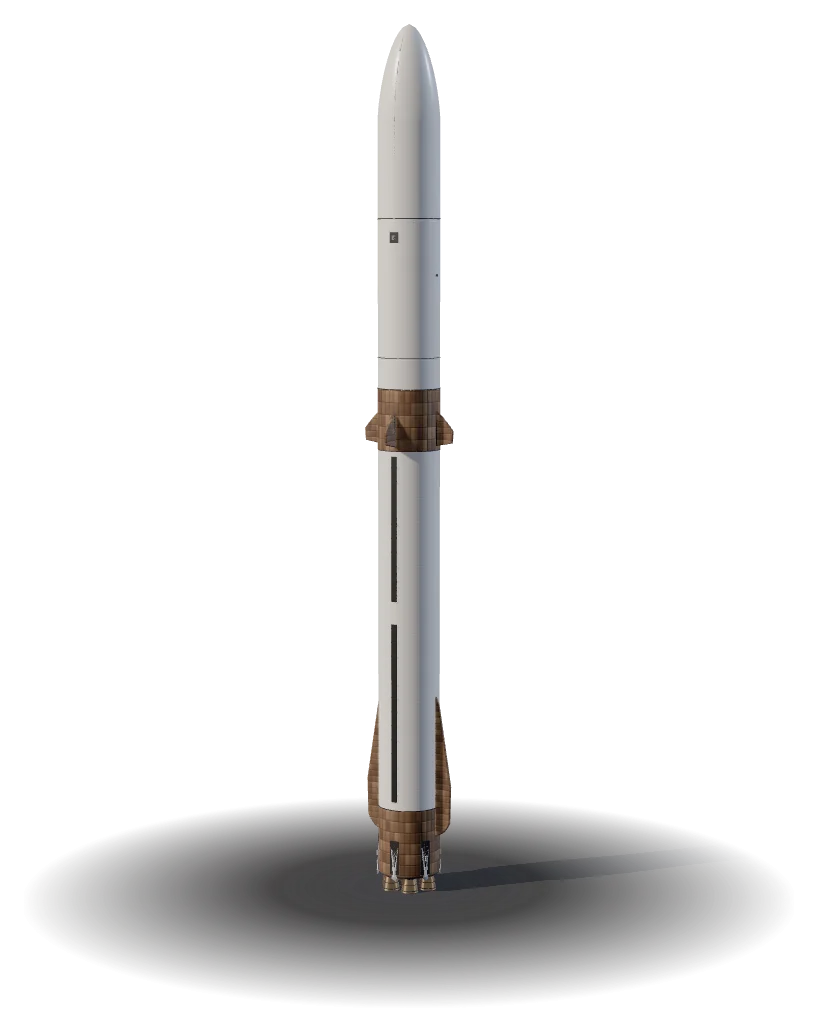 New GlennRocket
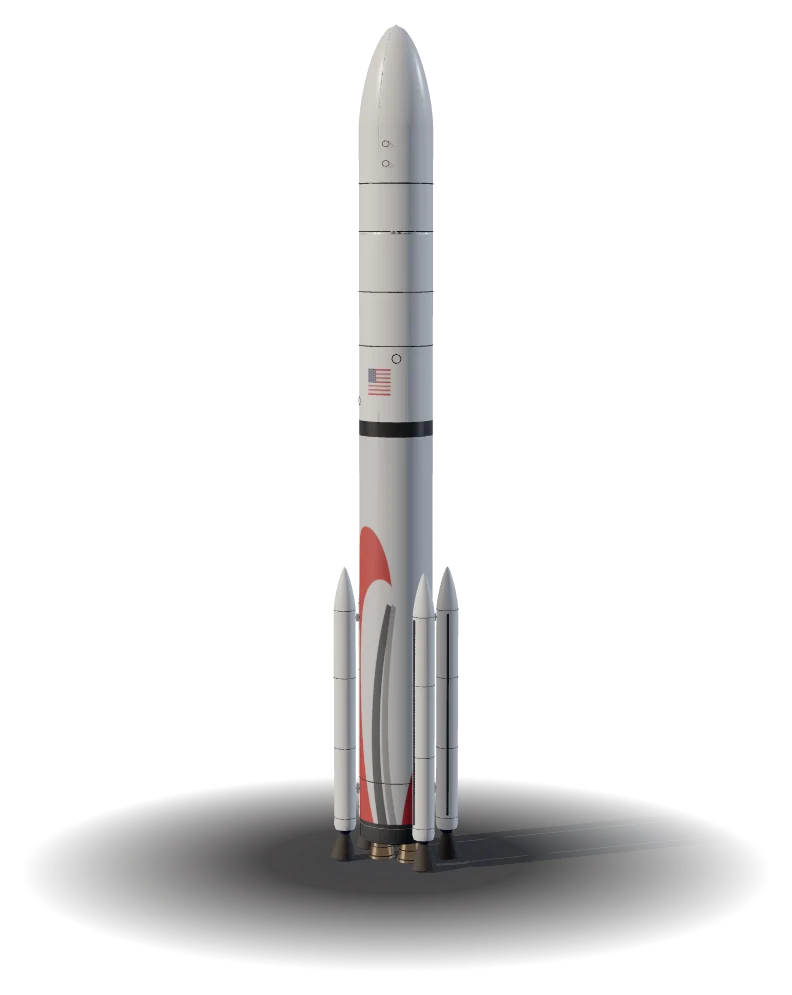 Vulcan CentaurRocket
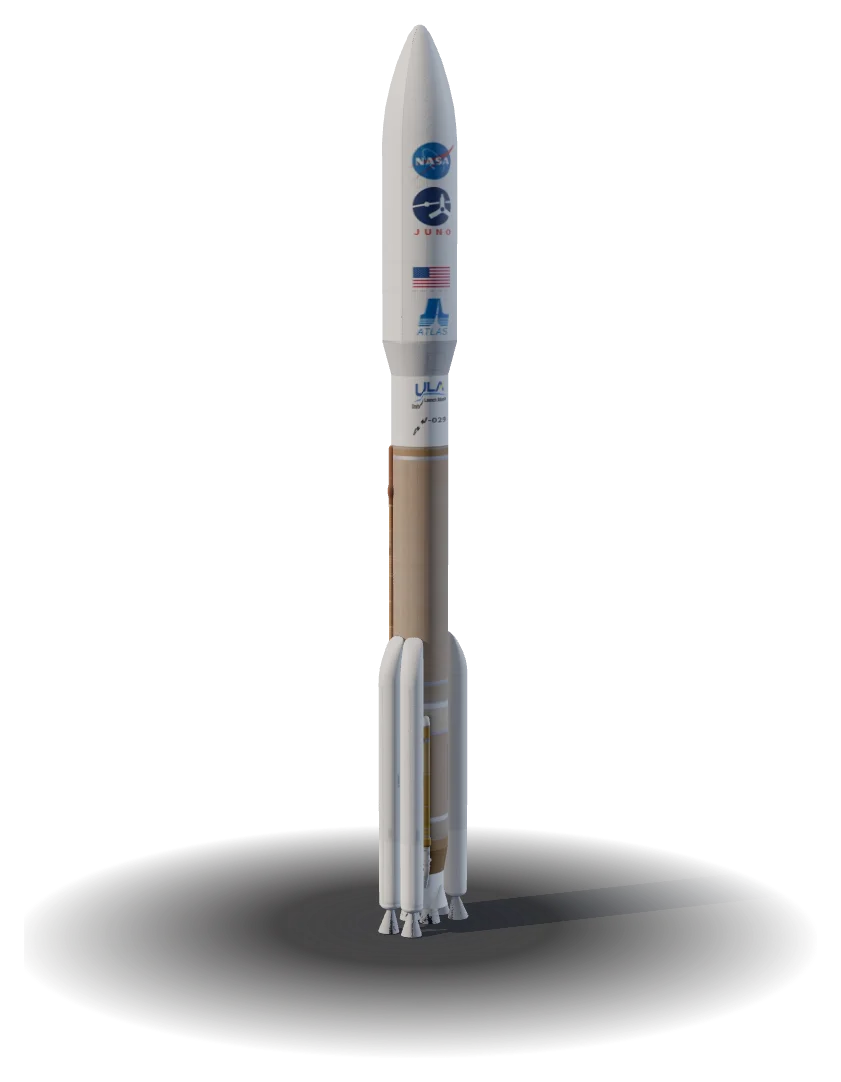 Atlas VRocket
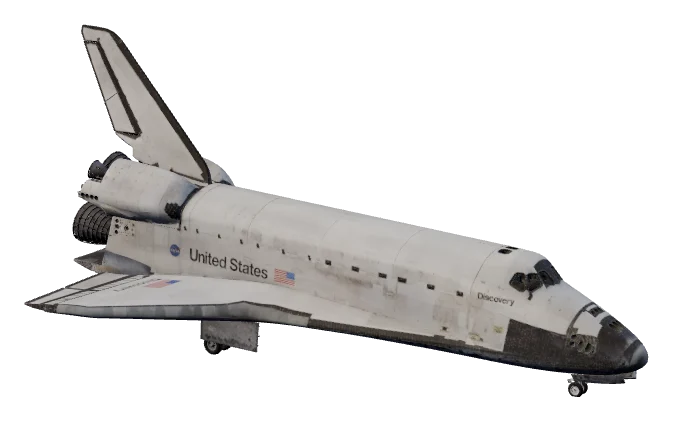 Space ShuttleCrew spacecraft
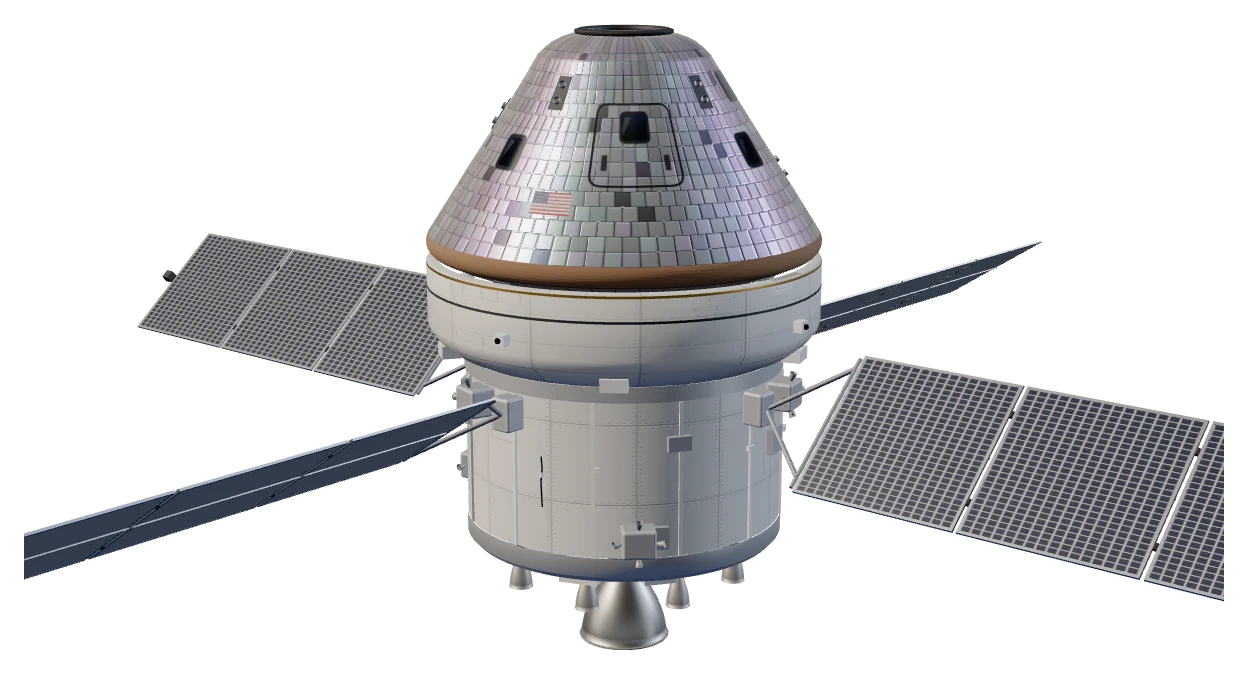 OrionCrew spacecraft
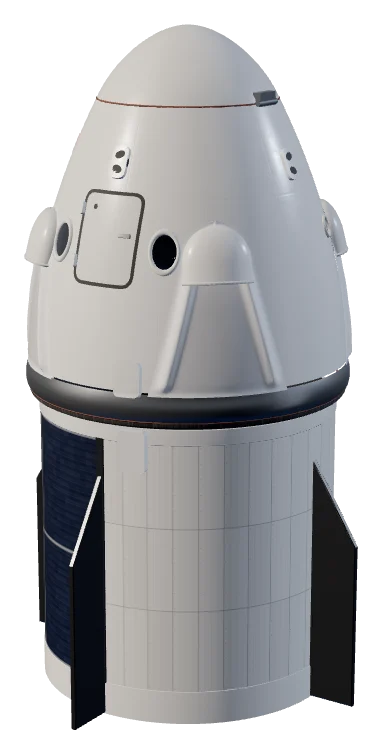 Crew DragonCrew spacecraft
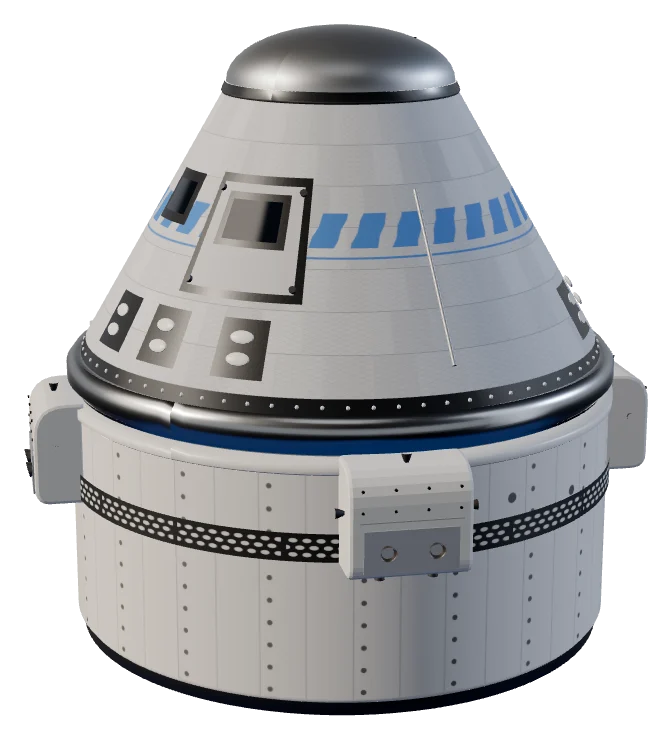 StarlinerCrew spacecraft
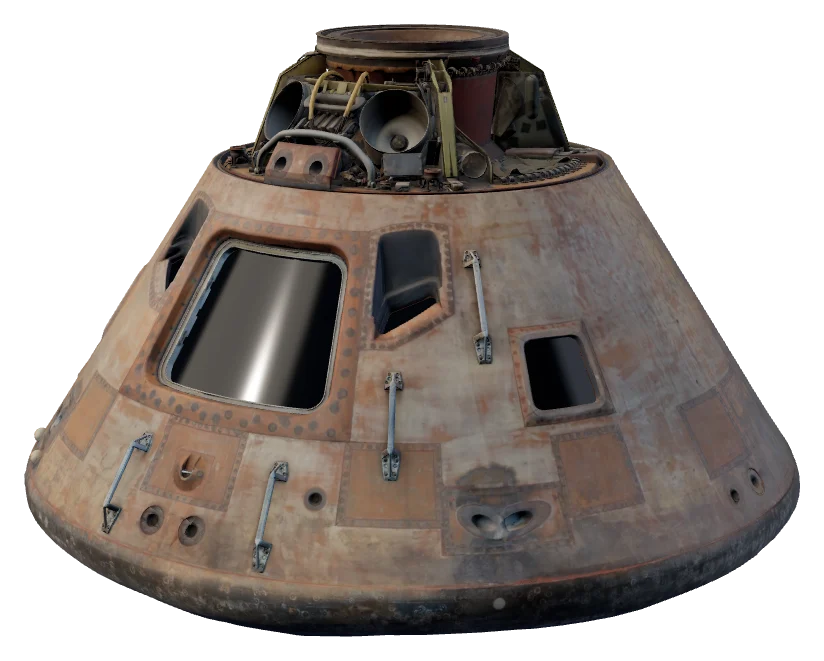 Apollo command moduleCrew spacecraft
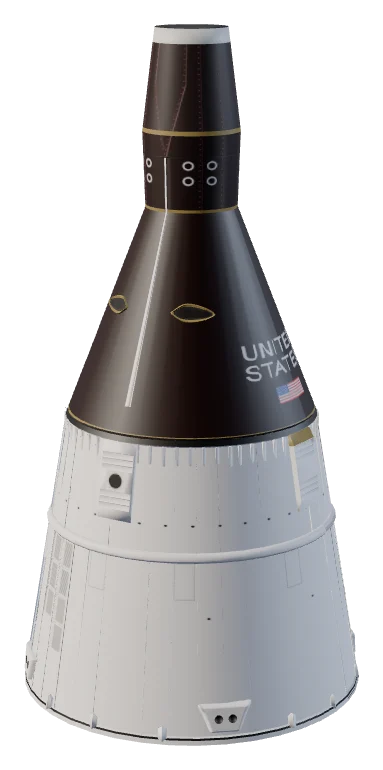 GeminiCrew spacecraft
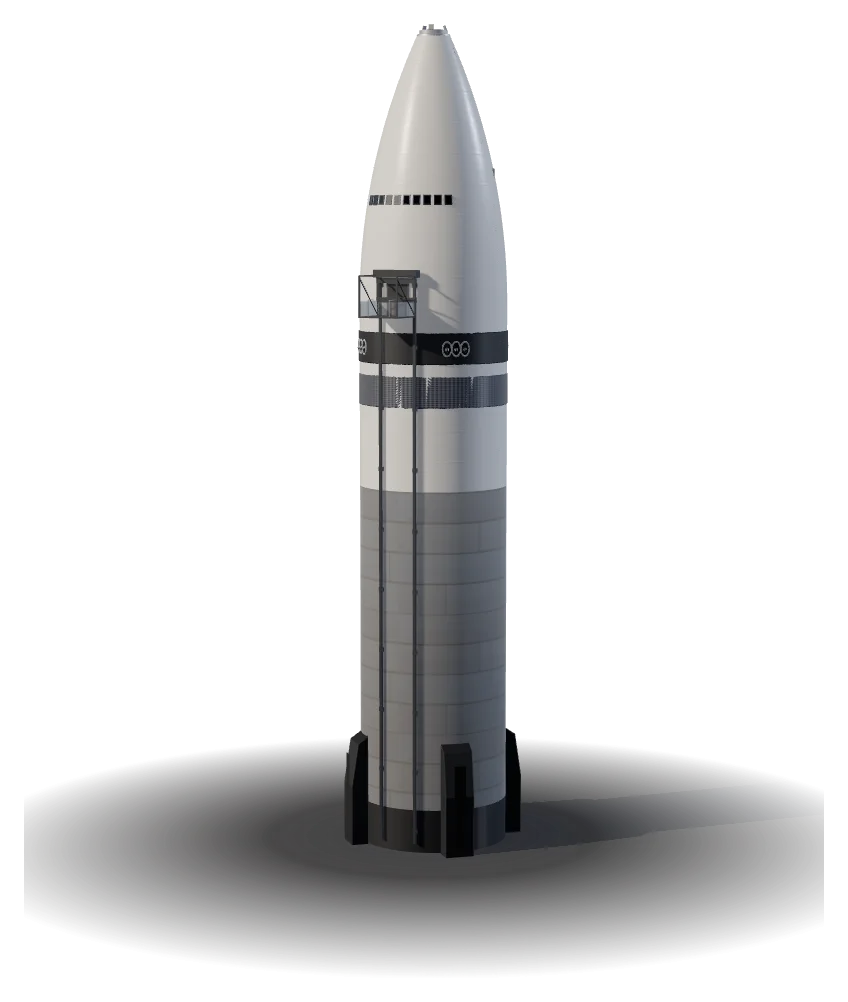 Starship HLSLunar lander
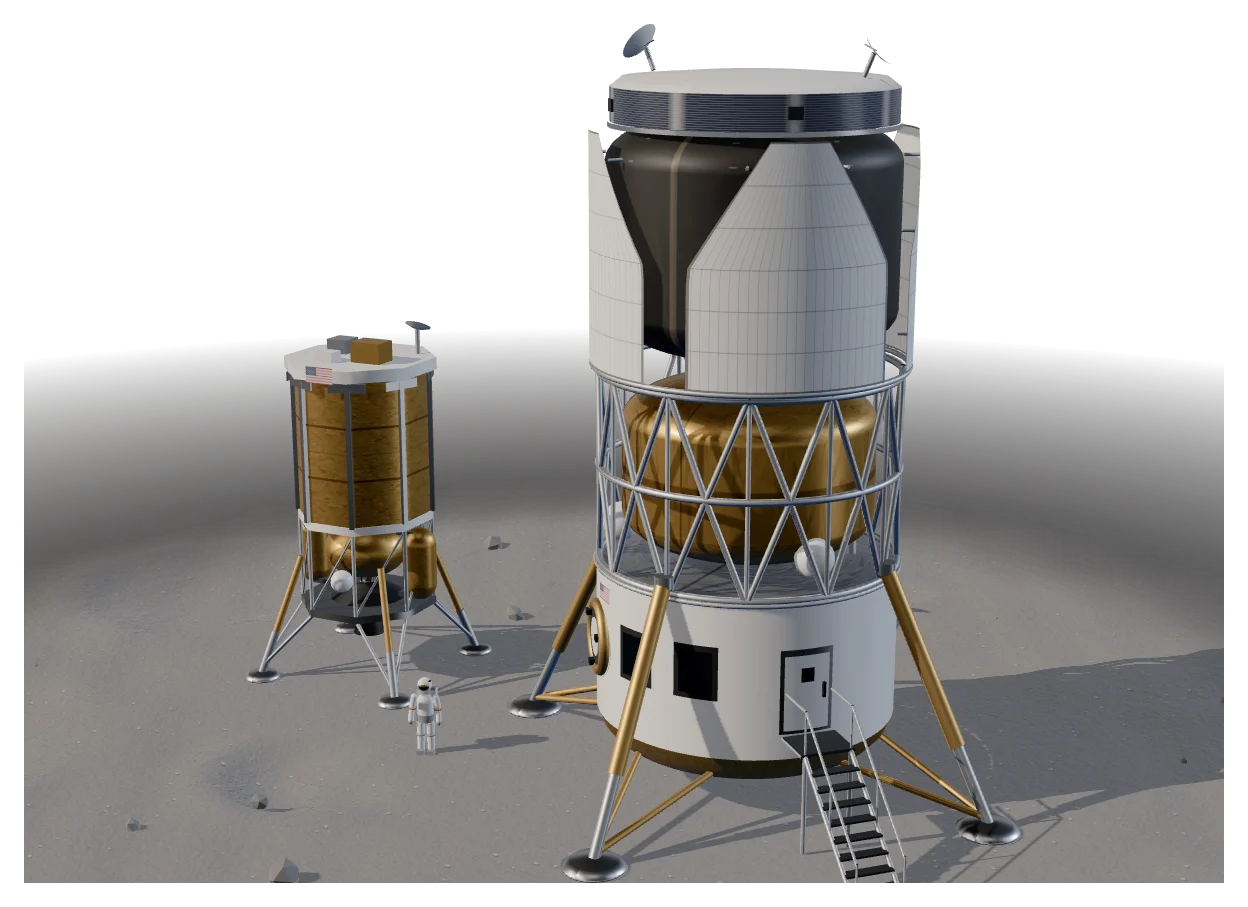 Blue MoonLunar lander
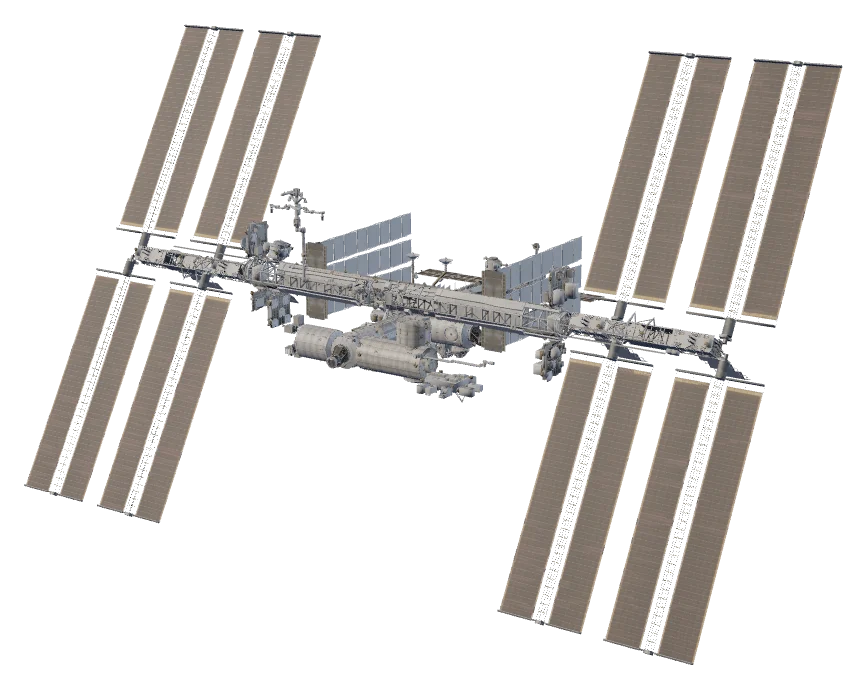 International Space StationSpace station
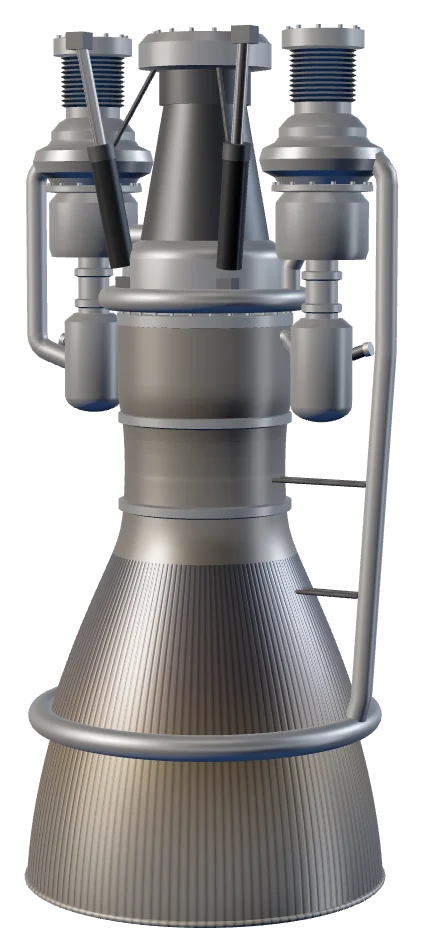 RaptorEngine
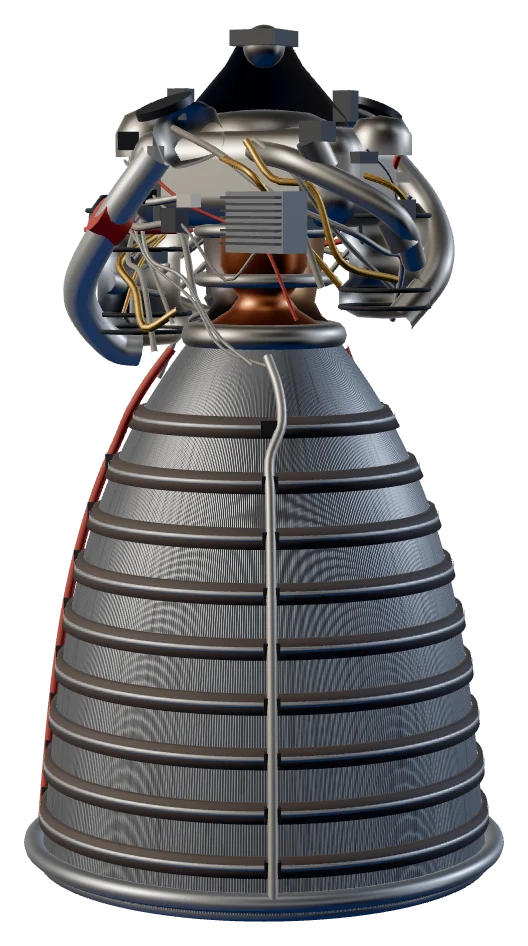 RS-25Engine
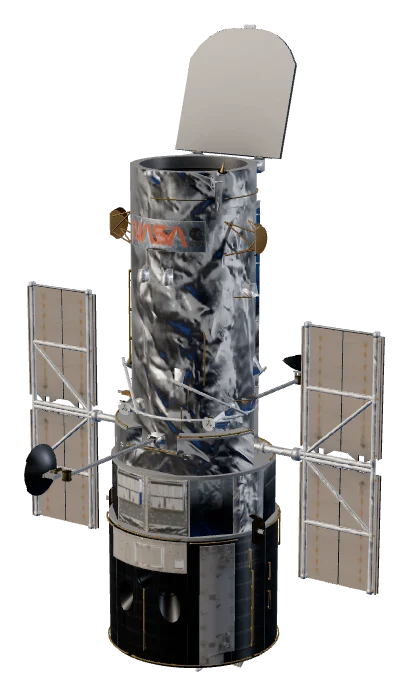 Hubble Space TelescopeObservatory
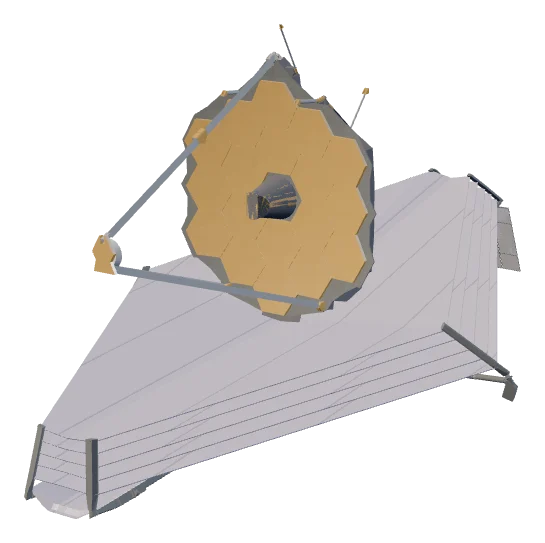 James Webb Space TelescopeObservatory
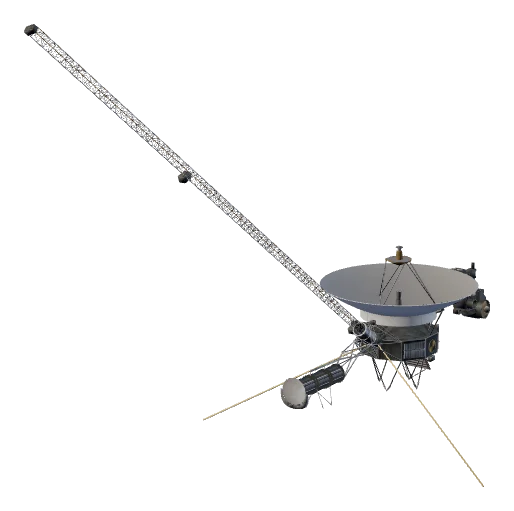 VoyagerProbe
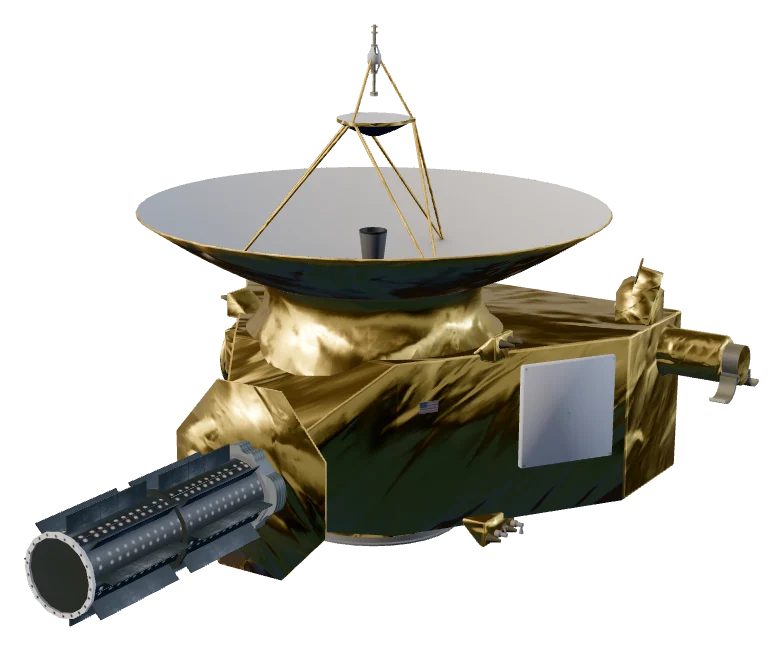 New HorizonsProbe
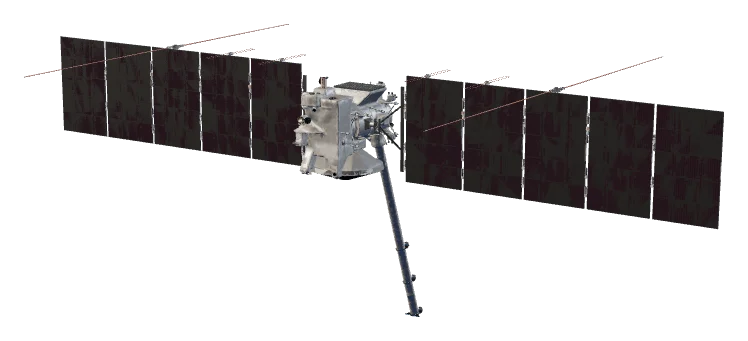 Europa ClipperProbe
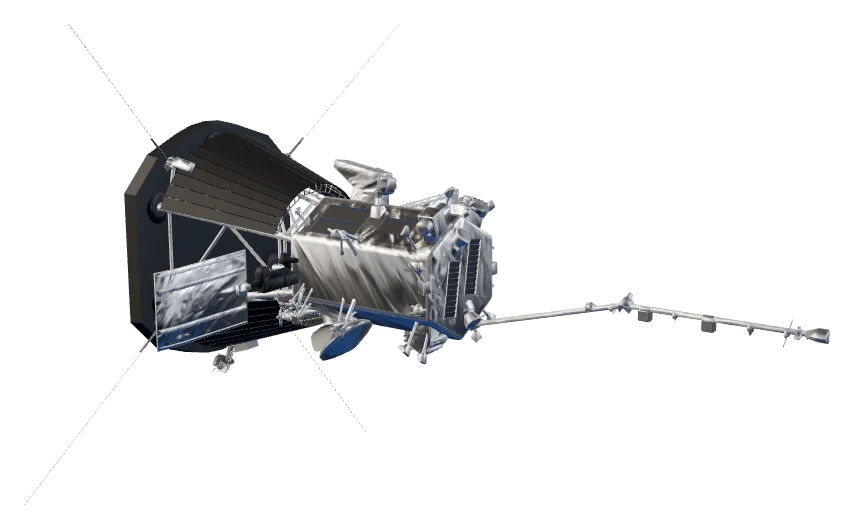 Parker Solar ProbeProbe
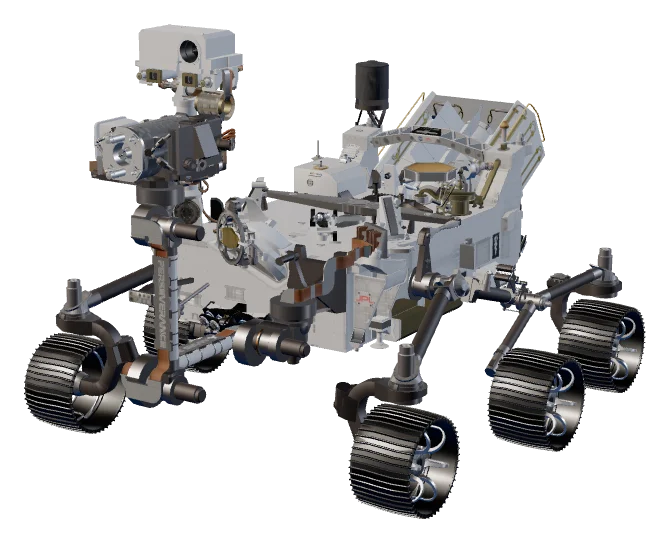 PerseveranceRover
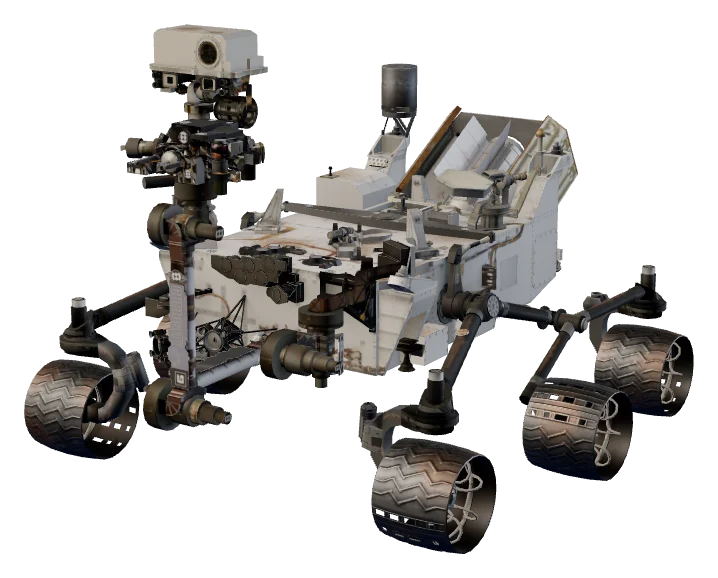 CuriosityRover
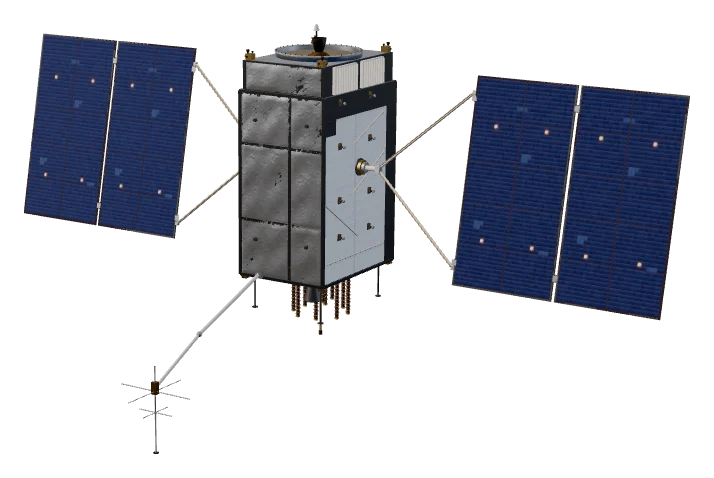 GPS IIISatellite
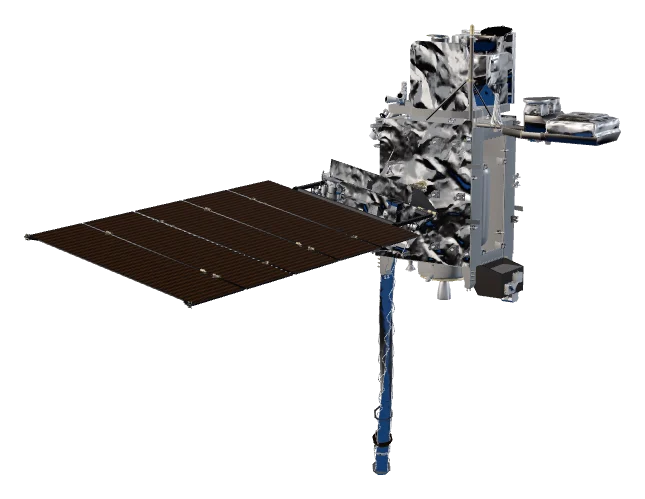 GOES-RSatellite
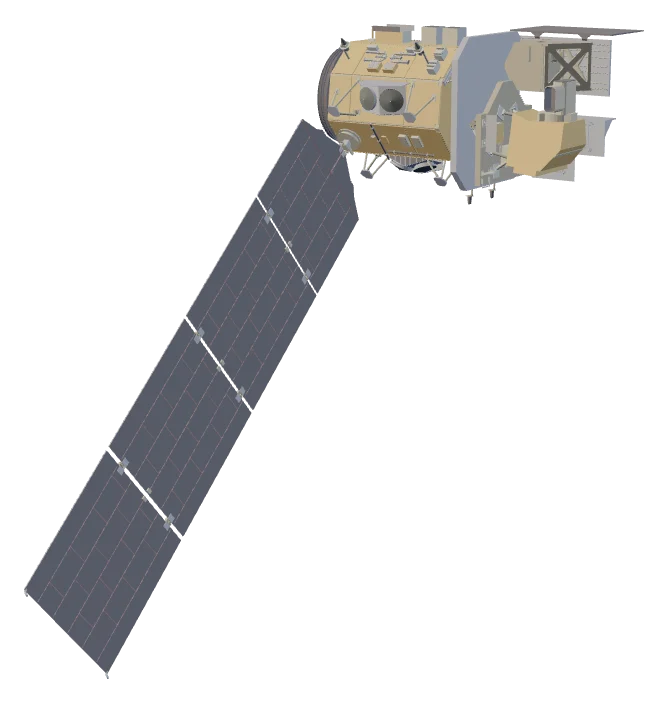 LandsatSatellite
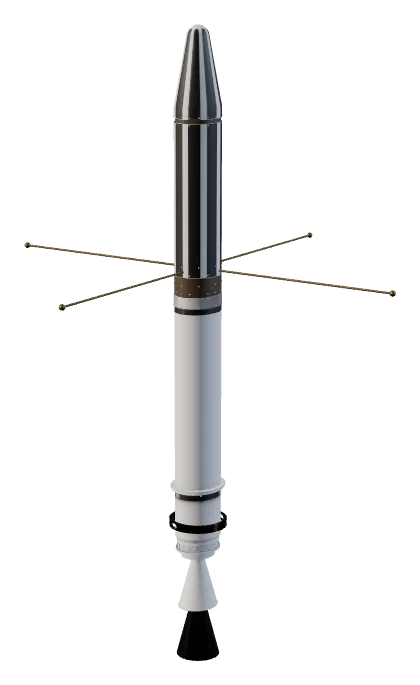 Explorer 1Satellite
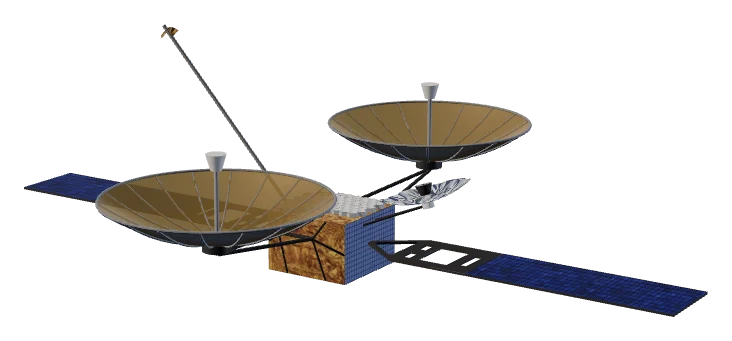 TDRSSatellite
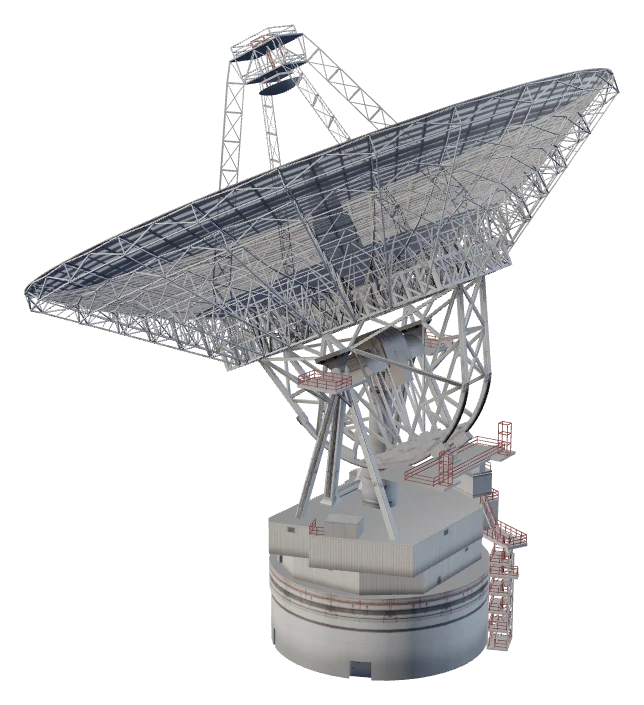 Deep Space Network antennaGround station
Where NASA’s $24.4 billion goes
Fiscal 2026 enacted appropriations. Source: Congressional Research Service, R43419, April 2026. How the budget works
Government agencies
They set the missions and pay for them.
- NASAThe civilian space agency: it sets the missions, oversees ten field centers (including the Jet Propulsion Laboratory, which Caltech runs for it) and buys most of its hardware and services from industry.
- NOAAOperates the nation’s weather satellites; NASA builds and launches them for it.
- U.S. Geological SurveyOperates the Landsat satellites and keeps their archive, free to everyone since 2008.
- U.S. Space ForceOperates GPS and buys national-security launches from SpaceX, ULA and Blue Origin.
Companies
They build the hardware, and increasingly own and operate it, selling NASA a service.
- SpaceXLaunches most of the mass sent to orbit worldwide on its Falcon rockets, flies NASA’s crews in Dragon, and is building Starship, one of the two landers for Artemis.$5.92 billion — Commercial Crew; about $4.3 billion — Human Landing System
- Blue OriginBuilds the New Glenn rocket, the BE-4 engine that also powers Vulcan, and the Blue Moon landers.$3.4 billion — Human Landing System; up to about $700 million — Mars Telecommunications Network
- BoeingPrime contractor for the SLS core stage and the Space Station, and builder of the Starliner crew capsule.$3.7 billion (was $4.2 billion at award) — Commercial Crew; prime contractor — Space Launch System core stage
- Lockheed MartinBuilds Orion and the next generation of GPS satellites, and built NOAA’s GOES-R weather satellites.$2.7 billion — Orion Production and Operations Contract
- Northrop GrummanMakes the solid rocket boosters for SLS and Vulcan, flies Cygnus cargo ships, and built the Webb telescope.$3.2 billion — SLS Booster Production and Operations Contract (letter contract in 2020, made final in 2021); $1.9 billion — Commercial Resupply Services
- United Launch AllianceThe Boeing–Lockheed Martin joint venture that launches Atlas V and Vulcan for government and commercial customers.
- L3Harris (Aerojet Rocketdyne)Builds the RS-25 engines for SLS through Aerojet Rocketdyne; its RL10 upper-stage engine business became a separate company, Rocketdyne, in August 2026.$1.79 billion — RS-25 Restart and Production
- Axiom SpaceBuilds the spacesuits for the Artemis landings and plans a commercial station to follow the ISS.up to $3.1 billion — Exploration Extravehicular Activity Services (xEVAS)
Partners abroad
Europe builds part of every Orion and shares the Space Station.