L3Harris (Aerojet Rocketdyne)
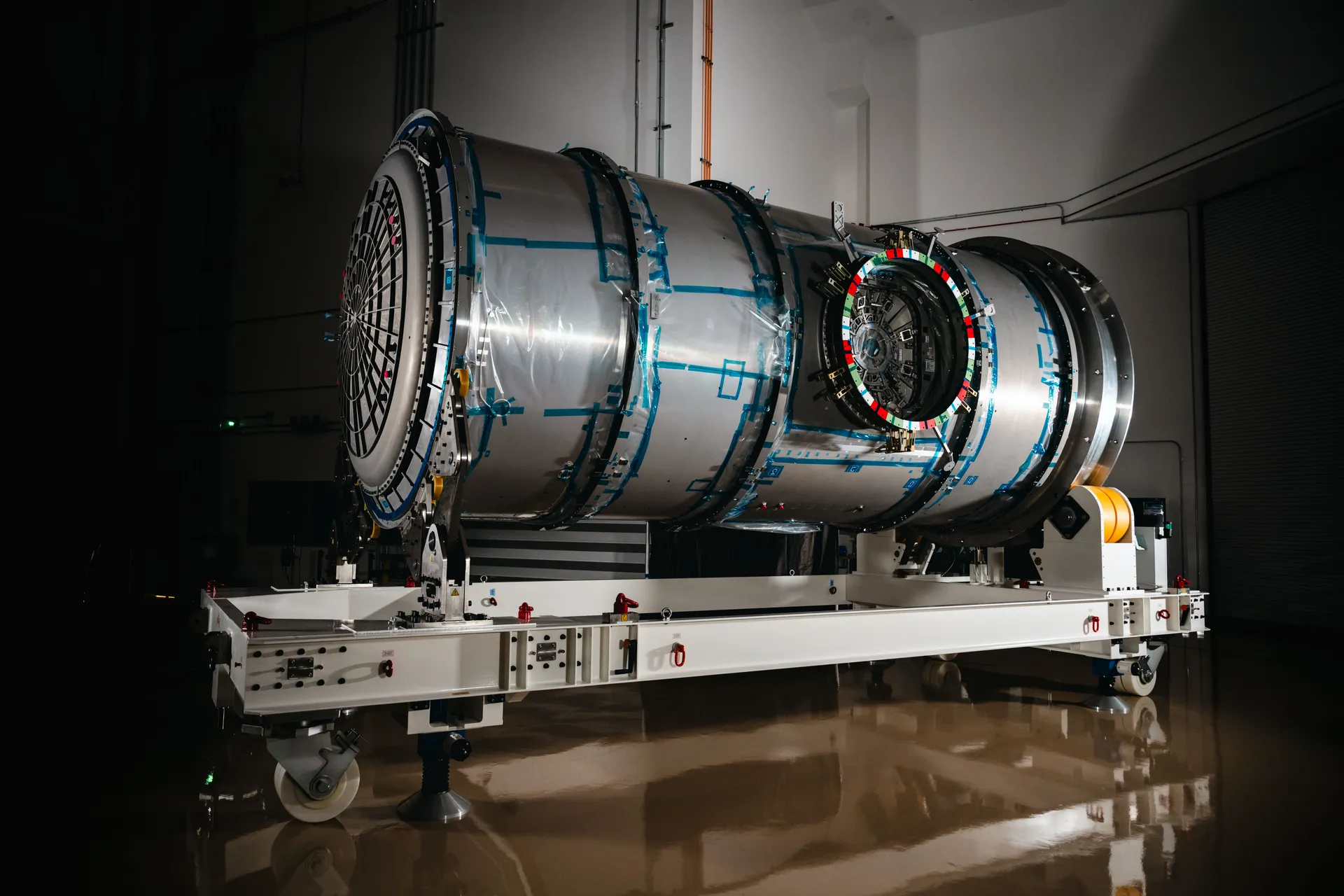
Builds the RS-25 engines for SLS through Aerojet Rocketdyne; its RL10 upper-stage engine business became a separate company, Rocketdyne, in August 2026.
- Founded
- 2019
- Headquarters
- Melbourne, Florida
- Machines in the atlas
- 2
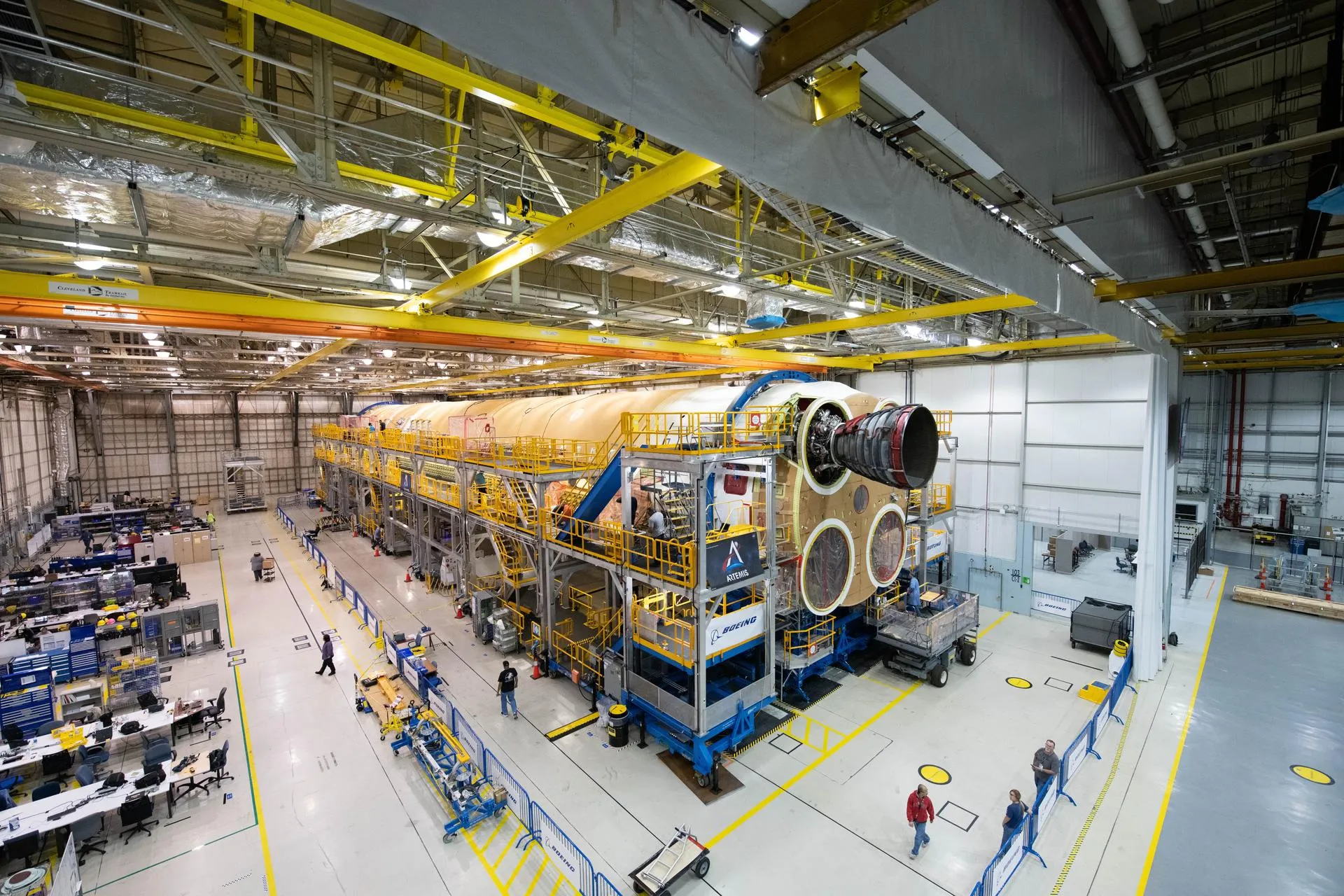
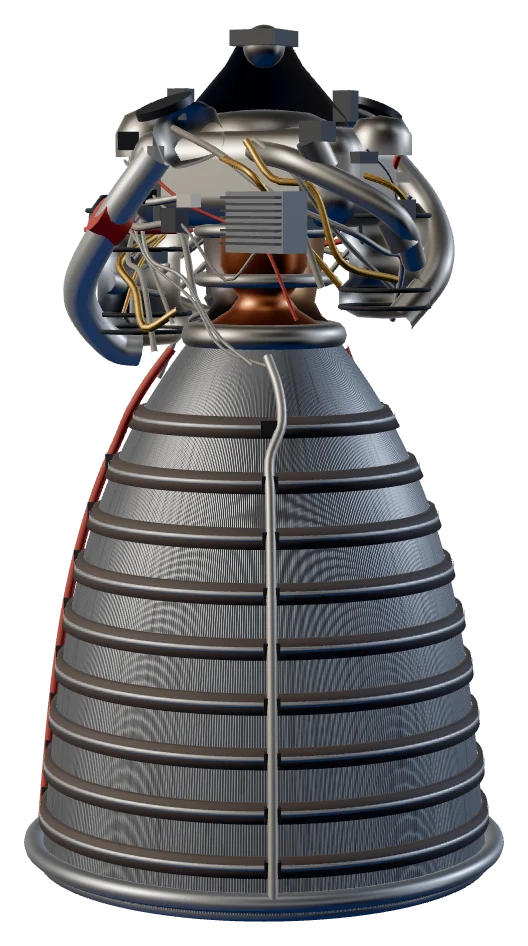
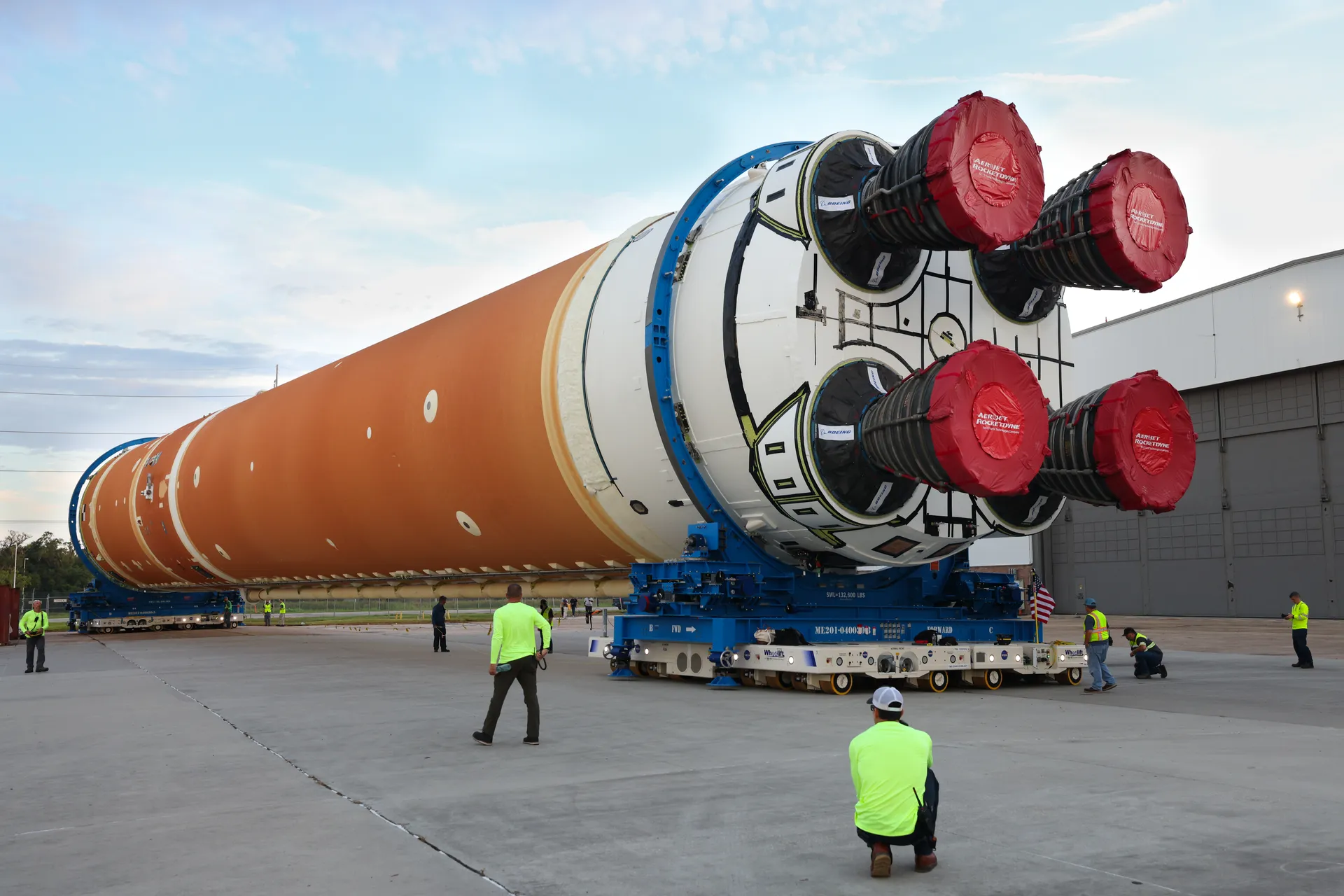
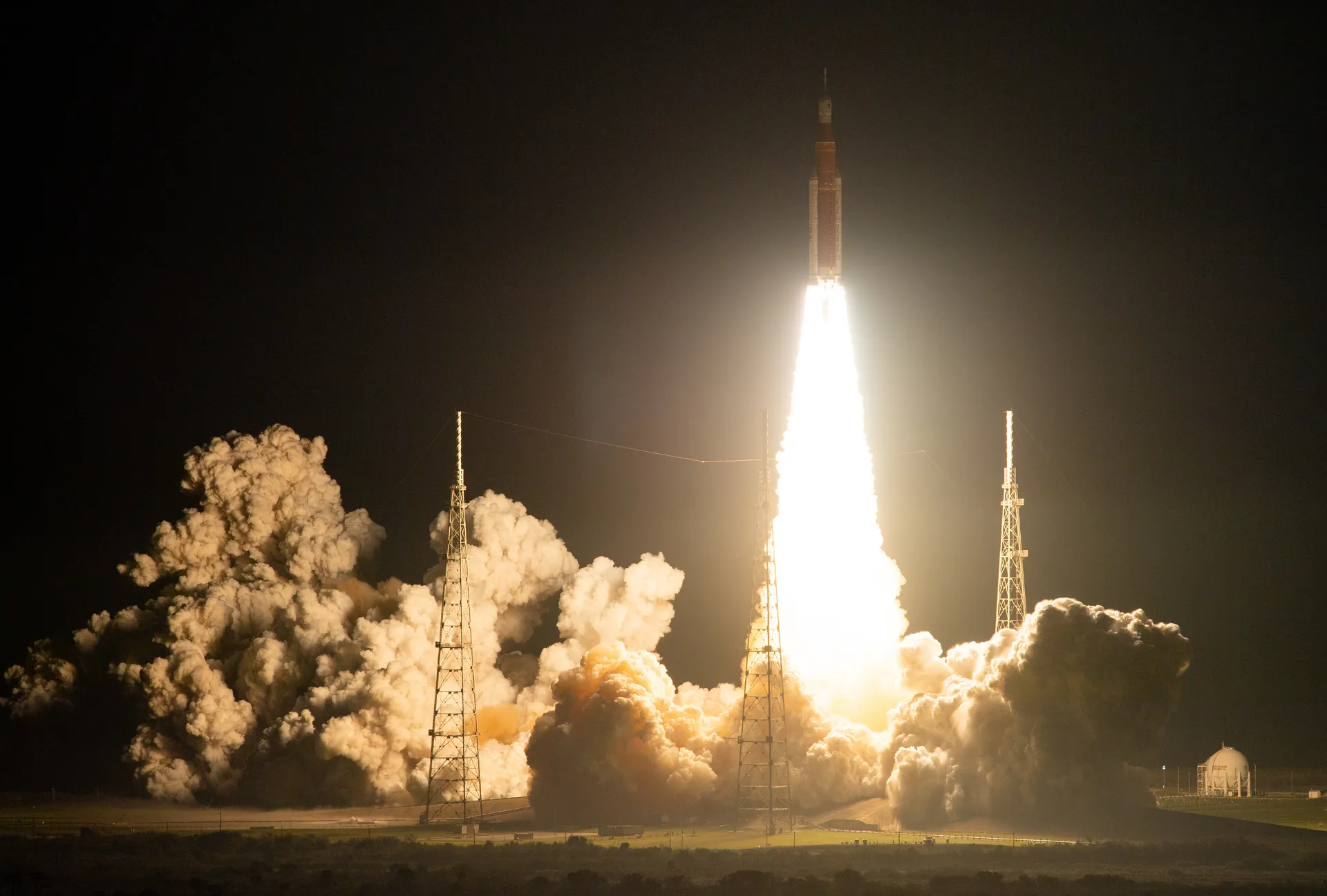
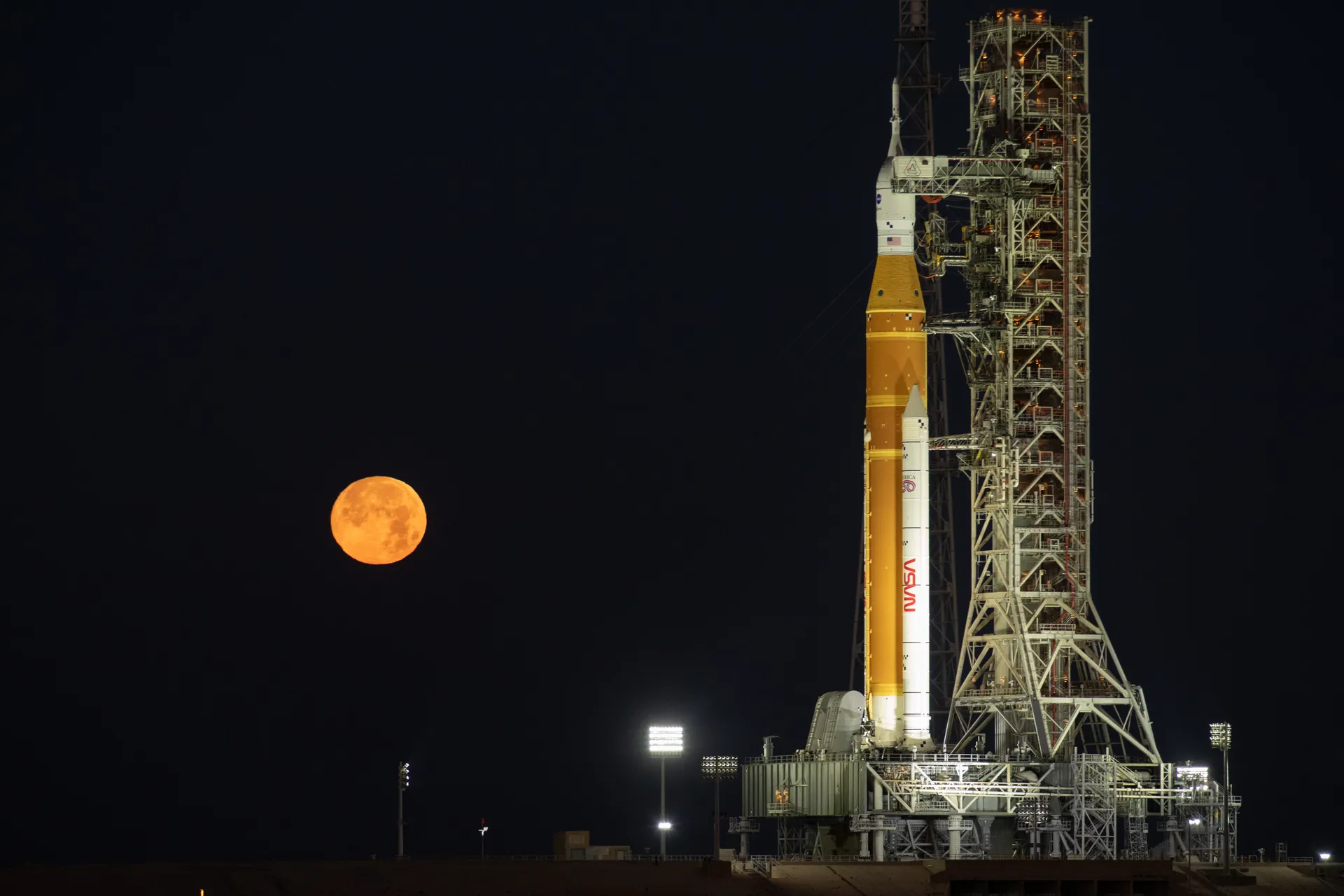
Aerojet Rocketdyne, bought by L3Harris in July 2023, descends from the Rocketdyne division of North American Aviation, which built the engines of the Saturn V and the Space Shuttle main engines, now called RS-25. It refurbished the 16 Shuttle-era RS-25s left over for SLS and is building new ones for flights starting with Artemis V: in 2020 NASA added 18 engines, for $1.79 billion, to an order for six placed in 2015, and NASA’s Inspector General put the contract’s total value at $3.6 billion by 2022.
In August 2026 L3Harris sold a majority stake in its space propulsion and power business, maker of the RL10 upper-stage engine, to AE Industrial Partners, which relaunched it as a stand-alone company named Rocketdyne. L3Harris kept a minority stake and kept the RS-25 business.
Money from NASA
| Contract | Value | Year |
|---|---|---|
| RS-25 Restart and Production: 18 more SLS engines, added to a 2015 order for six | $1.79 billion | 2020 |
What it builds
Stories that involve L3Harris


Sources
- NASA Commits to Future Artemis Missions with More SLS Rocket Engines NASA, May 1, 2020
- NASA’s Management of the Space Launch System Booster and Engine Contracts (IG-23-015) NASA Office of Inspector General, May 25, 2023
- L3Harris Completes Aerojet Rocketdyne Acquisition L3Harris, July 28, 2023
- L3Harris to Sell Majority Stake in Space Propulsion & Power Business to AE Industrial Partners L3Harris, January 5, 2026
- AE Industrial Closes Purchase of L3Harris’s Space Propulsion, Power and Electronics Units, Establishing the Business as Rocketdyne AE Industrial Partners, August 4, 2026
- L3 Technologies Form 8-K: completion of merger with Harris Corporation U.S. Securities and Exchange Commission (company filing), July 1, 2019