United Launch Alliance
The Boeing–Lockheed Martin joint venture that launches Atlas V and Vulcan for government and commercial customers.
- Founded
- 2006
- Headquarters
- Centennial, Colorado
- Machines in the atlas
- 3
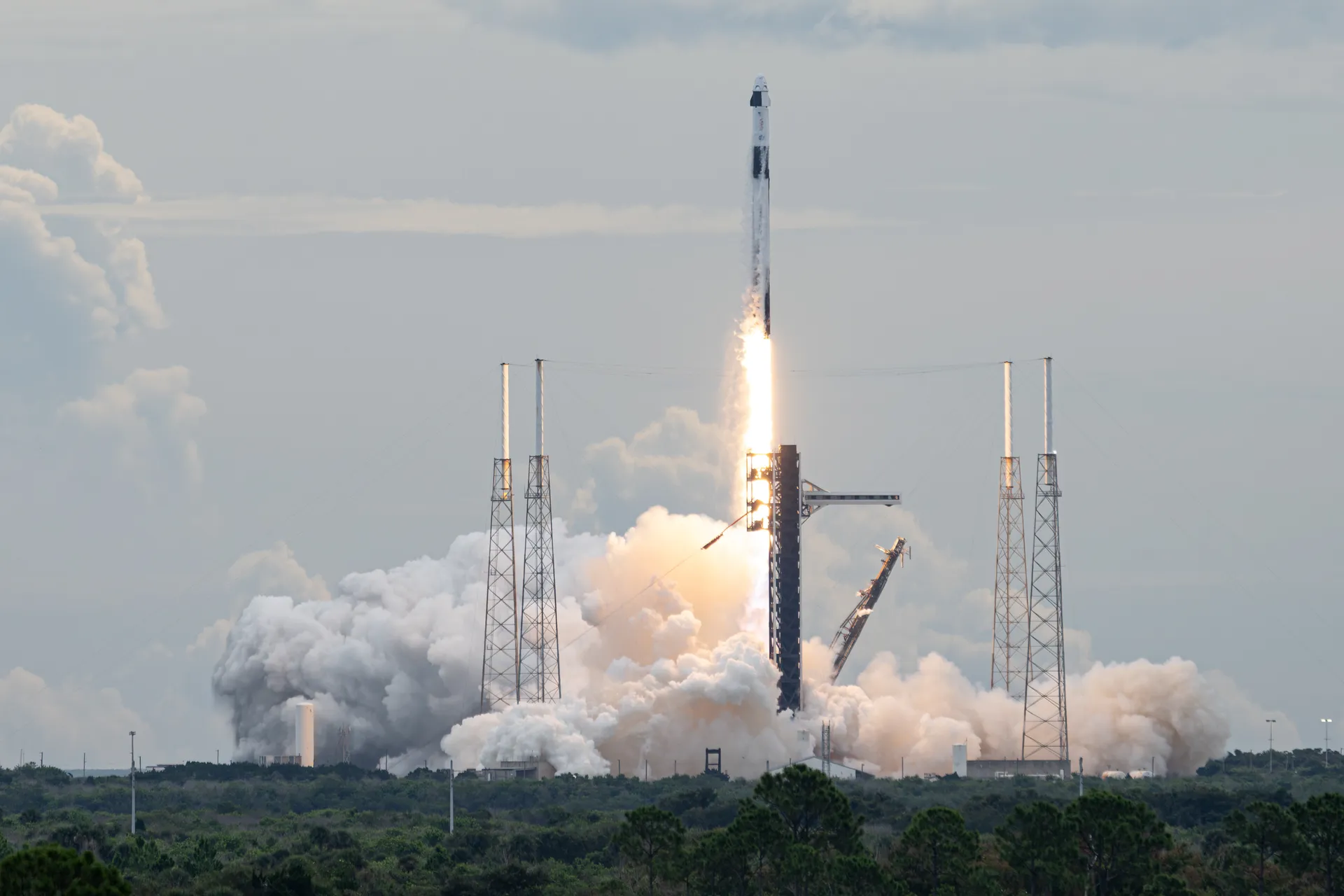
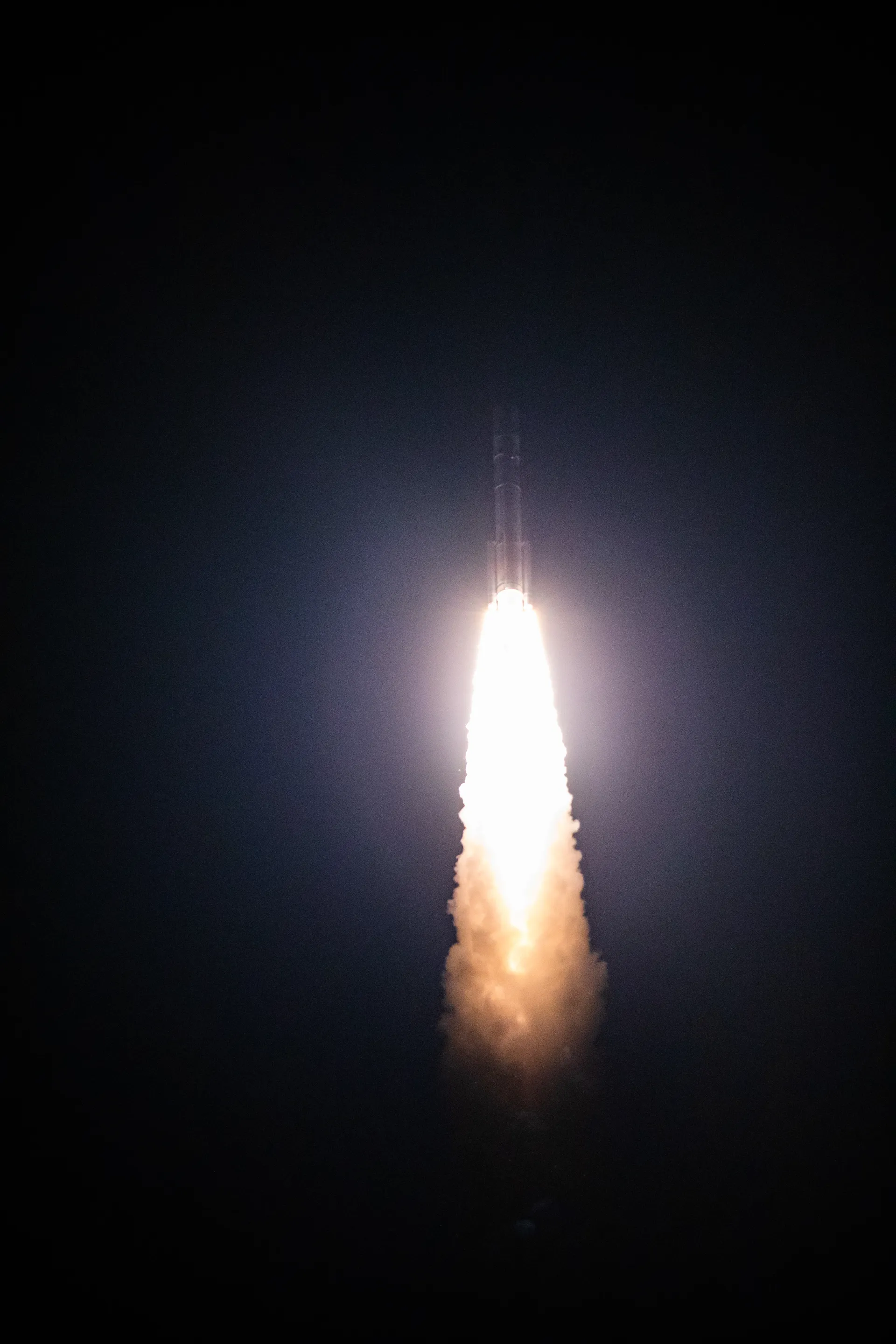
ULA was formed in 2006 when Boeing and Lockheed Martin combined their Delta and Atlas launch businesses. Its new rocket, Vulcan, which uses Blue Origin’s BE-4 engines and Northrop Grumman’s GEM 63XL boosters, first flew in January 2024 and was certified for national-security missions in March 2025.
On a Space Force launch on February 12, 2026, one of Vulcan’s four solid rocket boosters suffered what ULA called a significant performance anomaly. The satellite still reached its orbit, but ULA said it would find and fix the cause before the next Vulcan mission, and Vulcan had not flown again by the end of September 2026. Atlas V kept flying, carrying Amazon Leo internet satellites.
What it builds
Stories that involve ULA
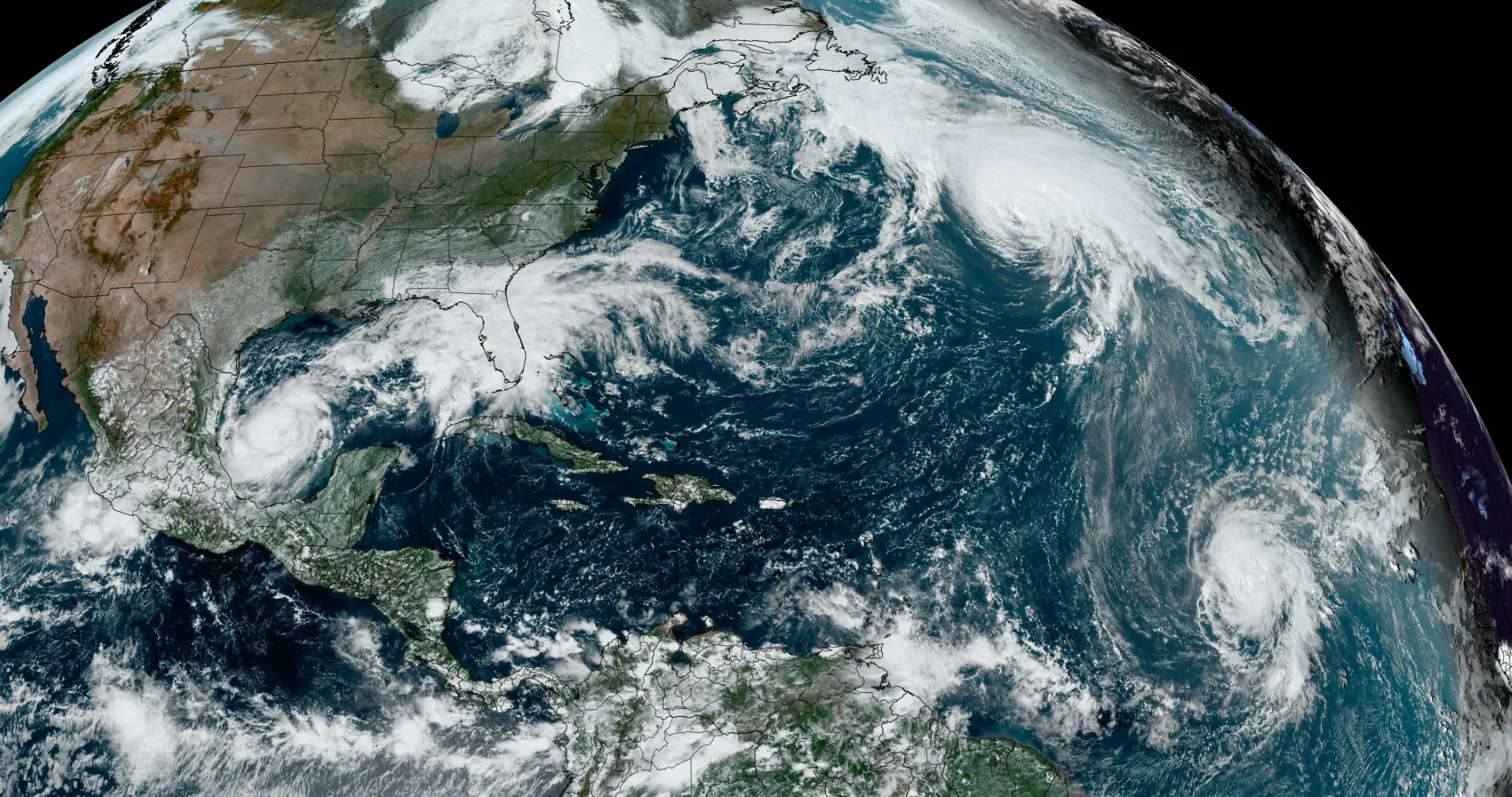
NOAA’s weather satellites: how they watch storms, and what replaces themTwo GOES satellites stare at the Americas from 22,236 miles up while polar orbiters circle the globe. NASA builds them, NOAA flies them, and Congress is deciding how much of the next generation to pay for.
Two new heavy rockets share one engine, and both were grounded in 2026Blue Origin’s BE-4 powers its own New Glenn and United Launch Alliance’s Vulcan. Both entered service in 2024–2025; by mid-2026 neither could fly, for different reasons.
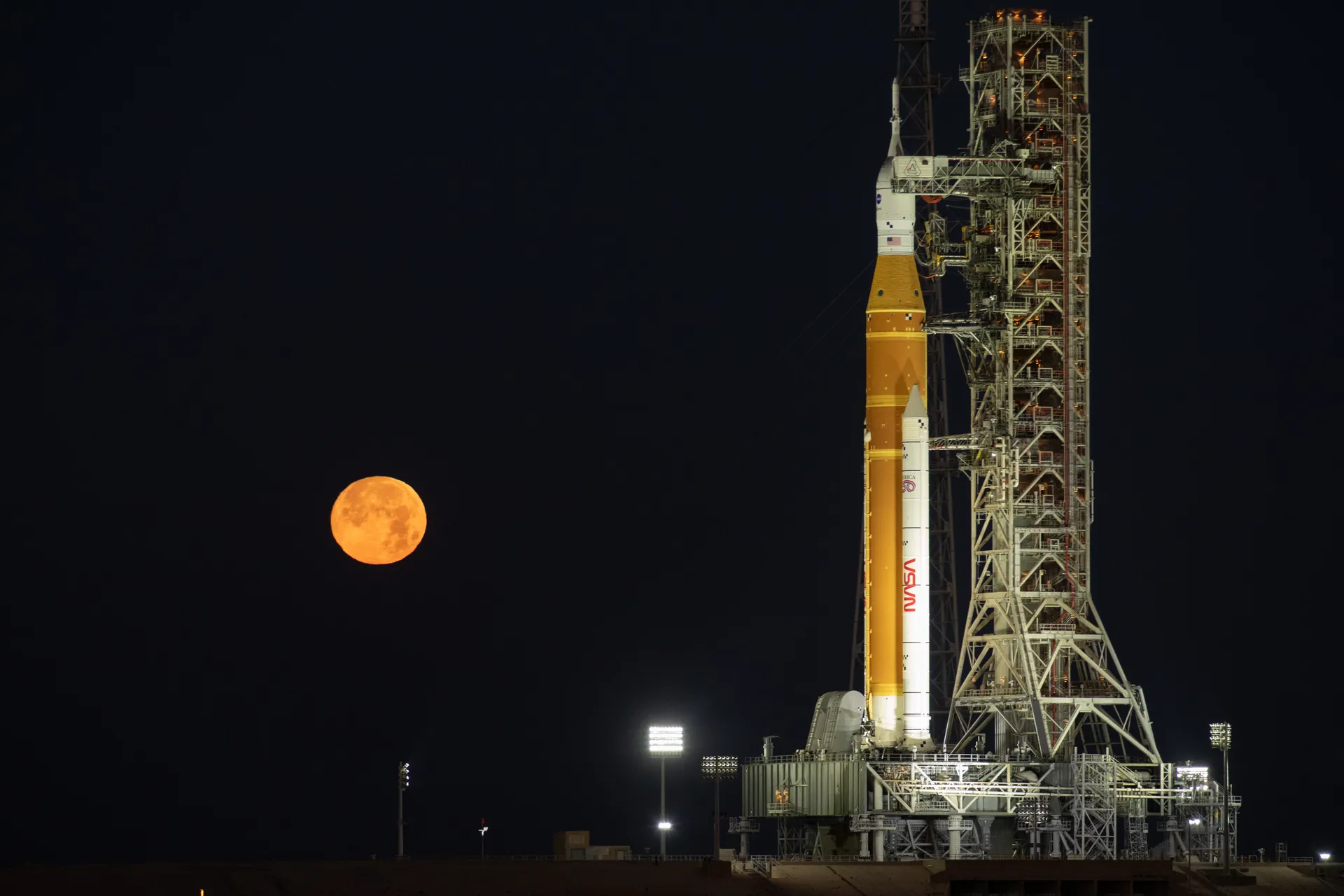
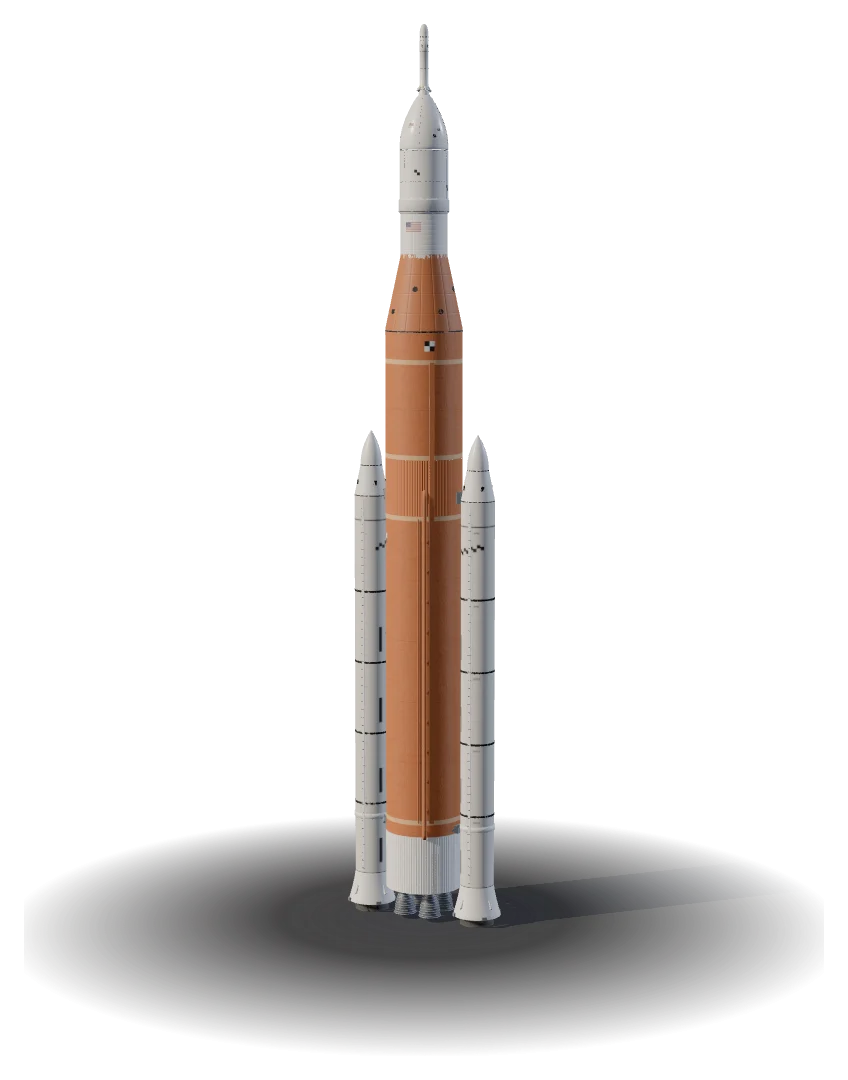
The Moon rocket Congress ordered from Shuttle parts in 2010Congress wrote SLS into law in 2010, with Shuttle engines and boosters and a 2016 goal. It first flew in 2022, at an estimated $4.1 billion a launch with Orion, and in 2026 NASA stopped upgrading it.
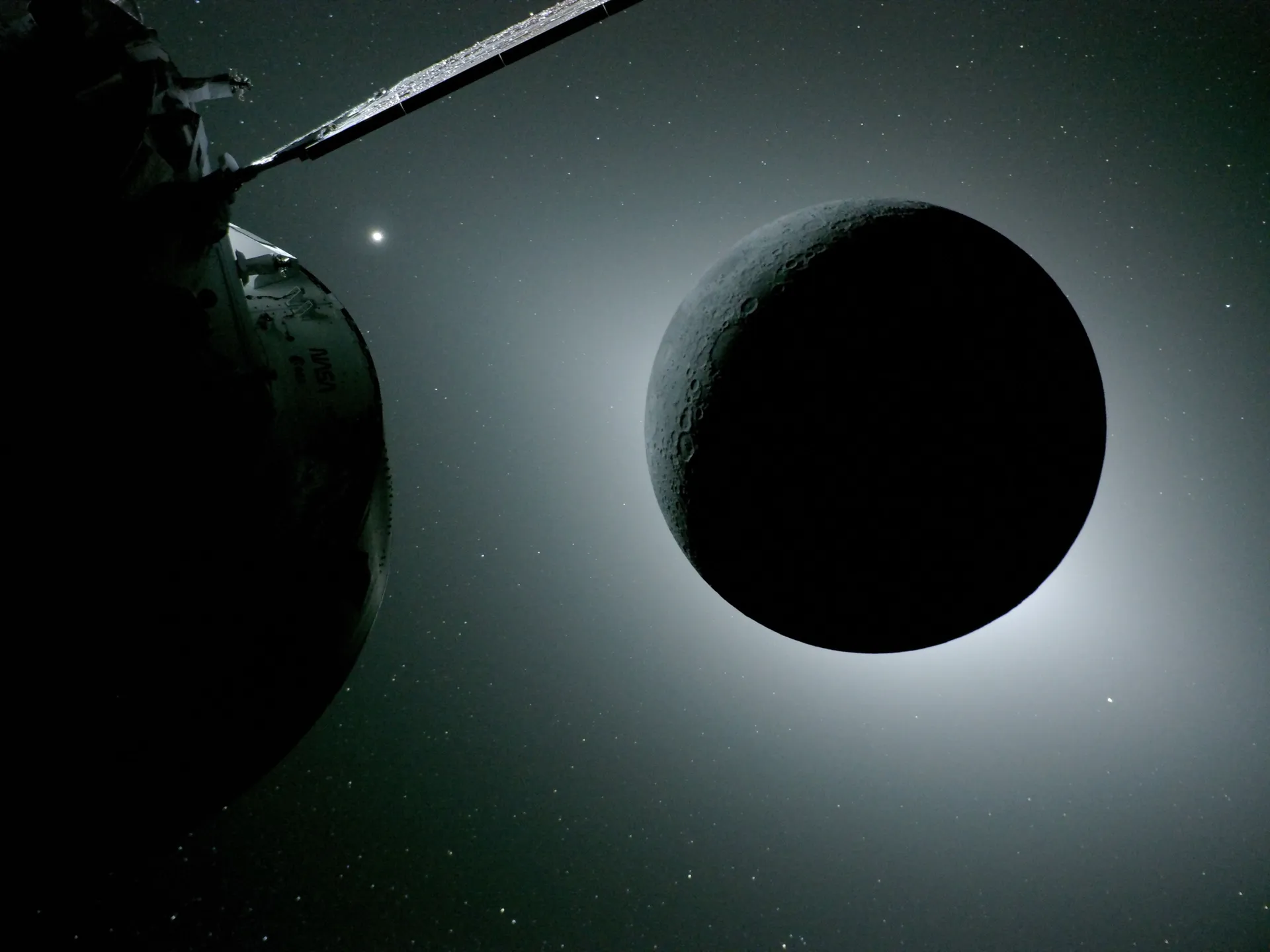
Artemis II: the first crewed flight around the Moon since 1972From April 1 to 10, 2026, four astronauts flew Orion around the far side of the Moon and farther from Earth than anyone before them. What the flight tested, day by day, and what NASA found afterward.
Artemis: how NASA’s plan to land on the Moon was built and rebuiltA rocket, a capsule, two commercial landers, new suits and propellant refilled in orbit: who builds each piece, what it costs, and how a 2024 landing became Artemis IV in 2028.
4 more stories
NASA’s robotic Moon deliveries: four attempts, one lander uprightSince 2018 NASA has bought rides to the Moon for its instruments instead of building landers. Of four attempts so far, one landed upright. A $6 billion second round is meant to supply a Moon Base.
Refilling in orbit, the untested step both Moon landers depend onBoth of NASA’s crew landers reach the Moon only after tankers refill them in Earth orbit. Why that is, how the transfer is meant to work, why super-cold propellant fights back, and where the first test stands.
Commercial crew: $9.8 billion, one certified spacecraft, one still in testingHow NASA stopped owning its crew vehicles and started buying rides, why SpaceX’s Dragon has flown every rotation since 2020, and what still stands between Boeing’s Starliner and its first crew.
Mars: two rovers, a helicopter and samples with no ride homeCuriosity has climbed a kilometer up Mount Sharp; Perseverance has used 33 of its 43 sample tubes, one holding a potential biosignature. The $8–11 billion mission to bring them home was shut down in January 2026.
Sources
- About ULA United Launch Alliance
- United Launch Alliance Successfully Launches First Next Generation Vulcan Rocket United Launch Alliance, January 8, 2024
- ULA’s Vulcan Rocket Certified to Launch National Security Space Launch Missions United Launch Alliance, March 26, 2025
- ULA Vulcan Rocket Successfully Launches the Future of Defense United Launch Alliance, February 12, 2026
- Mark Peller Named United Launch Alliance President and Chief Executive Officer United Launch Alliance, August 17, 2026
- ULA newsroom: releases United Launch Alliance