Mars: two rovers, a helicopter and samples with no ride home
Curiosity has climbed a kilometer up Mount Sharp; Perseverance has used 33 of its 43 sample tubes, one holding a potential biosignature. The $8–11 billion mission to bring them home was shut down in January 2026.
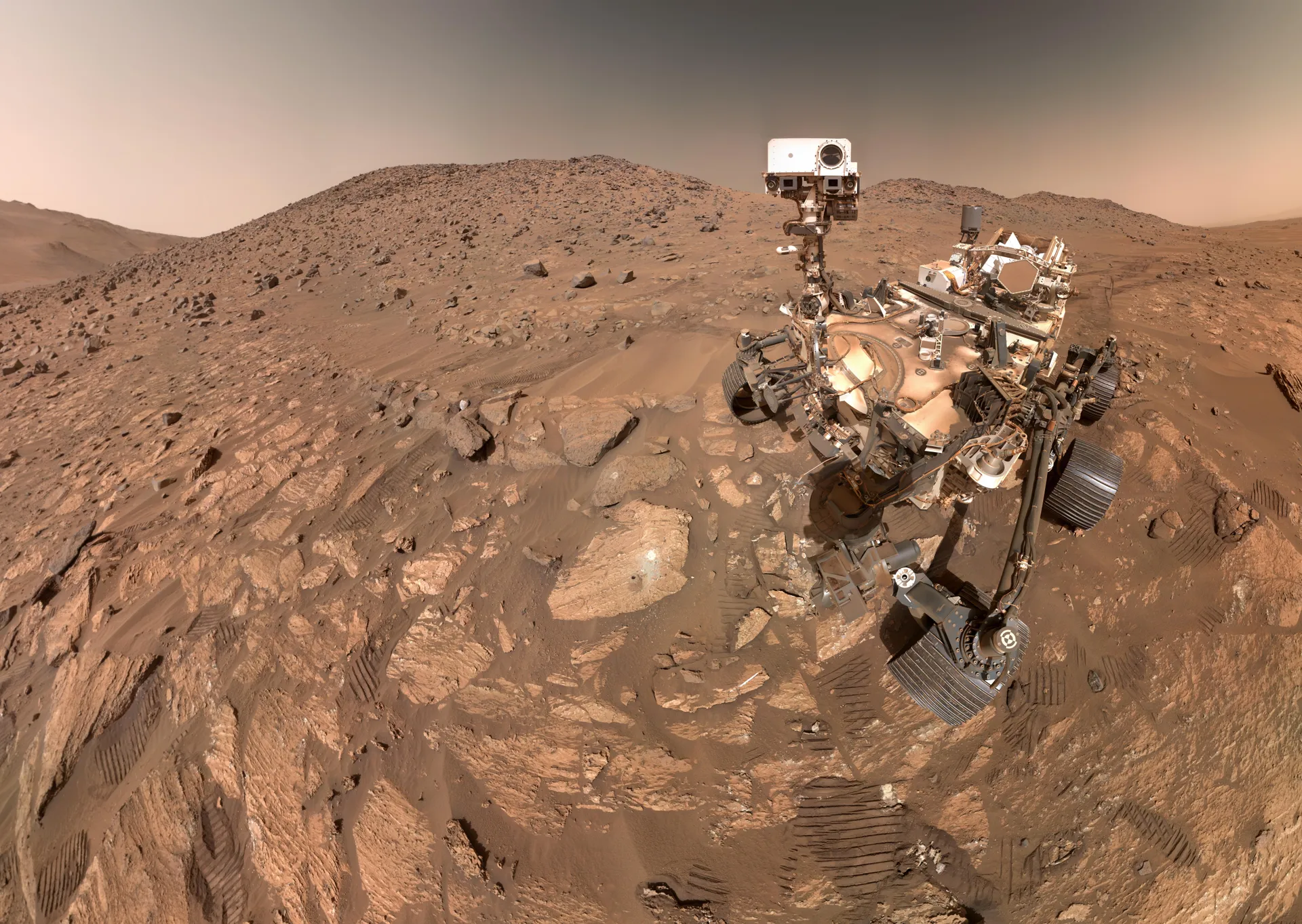
NASA/JPL-Caltech/MSSS · Perseverance beside ‘Cheyava Falls,’ July 23, 2024
Drawn from 24 sources: NASA (14), NASA/JPL (2), NASA/JPL-Caltech (2), The Planetary Society (2) and 4 others. About 7 minutes. Checked October 1, 2026.
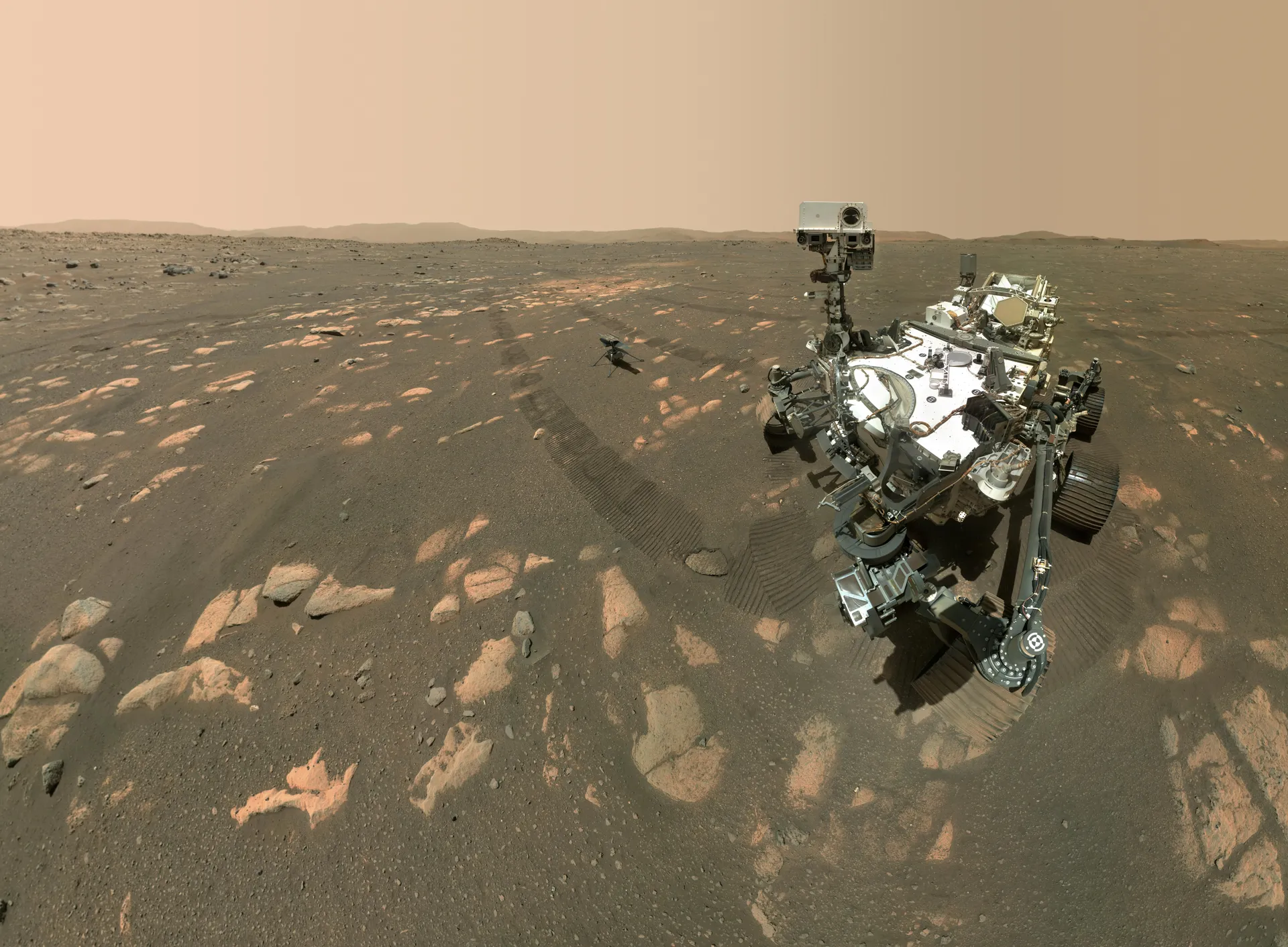
Two American rovers are working on Mars as of October 2026. Curiosity has explored Gale Crater since 2012; Perseverance has explored Jezero Crater since 2021 and carried the first aircraft to fly on another planet. Curiosity’s instruments found chemical and mineral evidence of past habitable environments; Perseverance is searching for signs of ancient microbial life and sealing rock samples in tubes for possible return to Earth. The program to bring them to Earth was shut down in January 2026.1,6,16
Curiosity: a $2.5 billion laboratory, two years late
Curiosity was the largest and most capable rover ever sent to Mars when it launched in 2011. It set out to answer one question: did Mars ever have the right environmental conditions to support small life forms called microbes? Early in its mission, its instruments found chemical and mineral evidence of past habitable environments, and it continues to explore the rock record from a time when Mars could have been home to microbial life.1
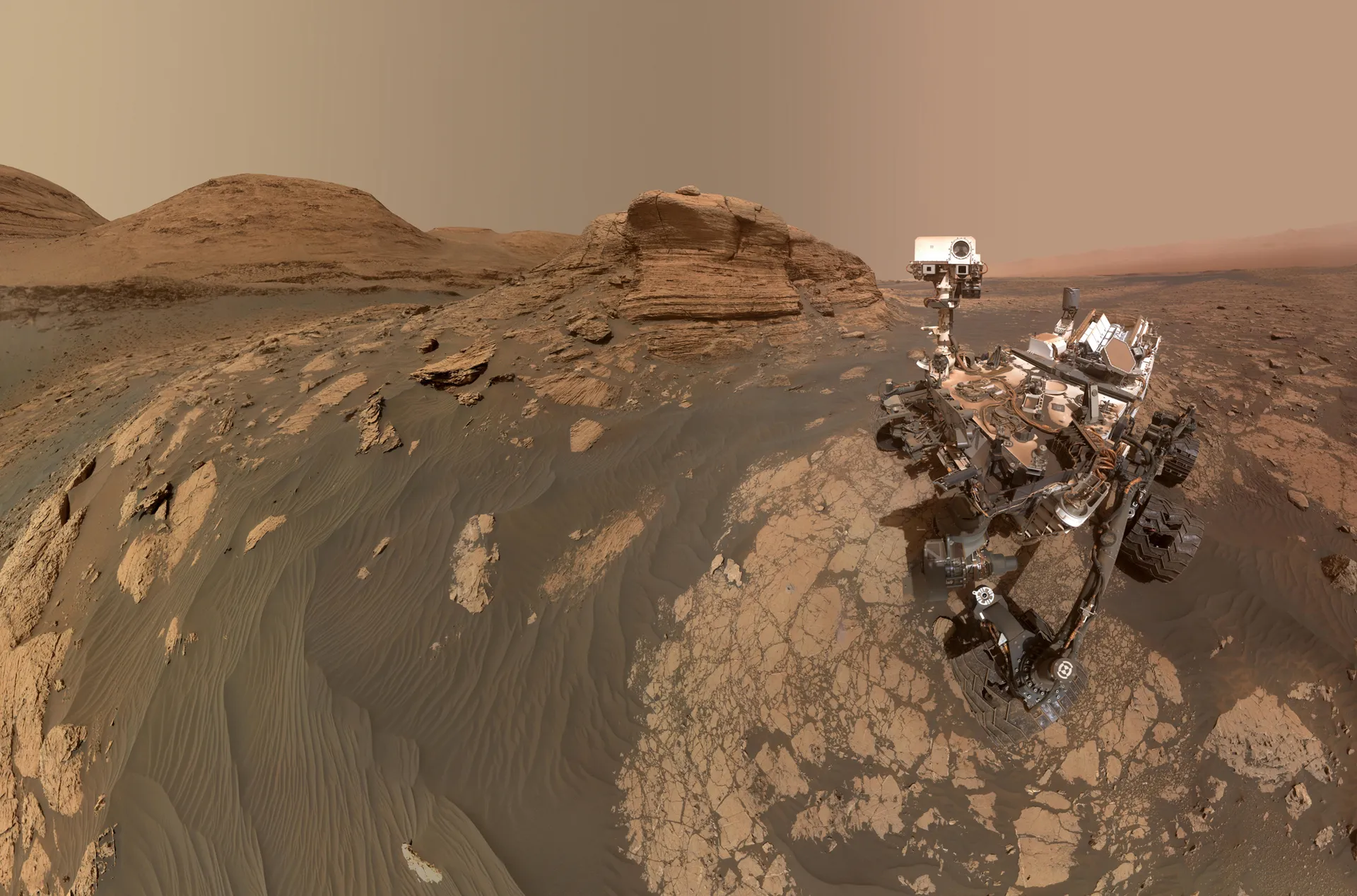
The car-sized rover is about 10 feet long and weighs 1,982 pounds. It carries 10 science instruments and 17 cameras, a laser that vaporizes pinpoint spots of rock at a distance, and a drill on a 7-foot arm that powders rock for the laboratories inside its body. It has made 42 drill holes so far.1
That capability was expensive and late. NASA’s Inspector General called Mars Science Laboratory the most technologically challenging interplanetary rover ever designed: four times as heavy as Spirit and Opportunity, with a new power system and a sky crane that would lower it to the ground on tethers. Mars launch windows come every 26 months. The rover was scheduled to launch in fall 2009, but in February 2009, because critical components and instruments were late, NASA delayed it to late 2011.2
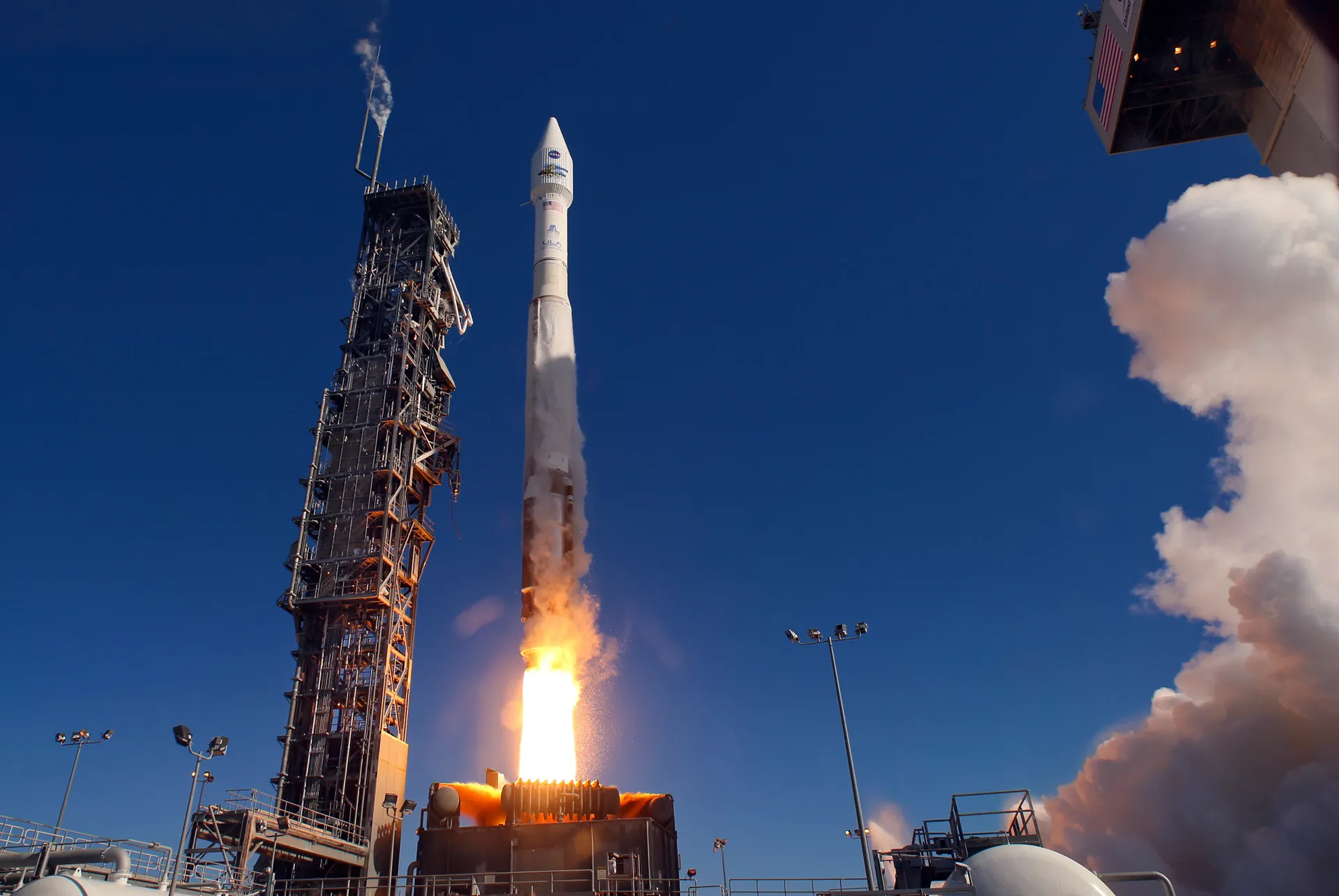
The delay and the extra work to resolve the technical problems behind it raised development costs 86 percent, from $969 million to $1.8 billion, and life-cycle costs 56 percent, from $1.6 billion to $2.5 billion. Missing 2011 as well would have added at least $570 million more.2 Curiosity launched on November 26, 2011, and landed in Gale Crater on August 6, 2012.1,2
Curiosity at 5,000 days: a kilometer up Mount Sharp
Gale Crater holds Mount Sharp, a 3-mile-tall (5-kilometer) mountain of layered rock that Curiosity has been climbing since 2014. Each layer formed at a different time, so driving upward is a way of reading the planet’s history in order. On August 26, 2026, the rover marked an elevation gain of 1 kilometer since landing; four days later it reached its 5,000th Martian day on the surface.3,4
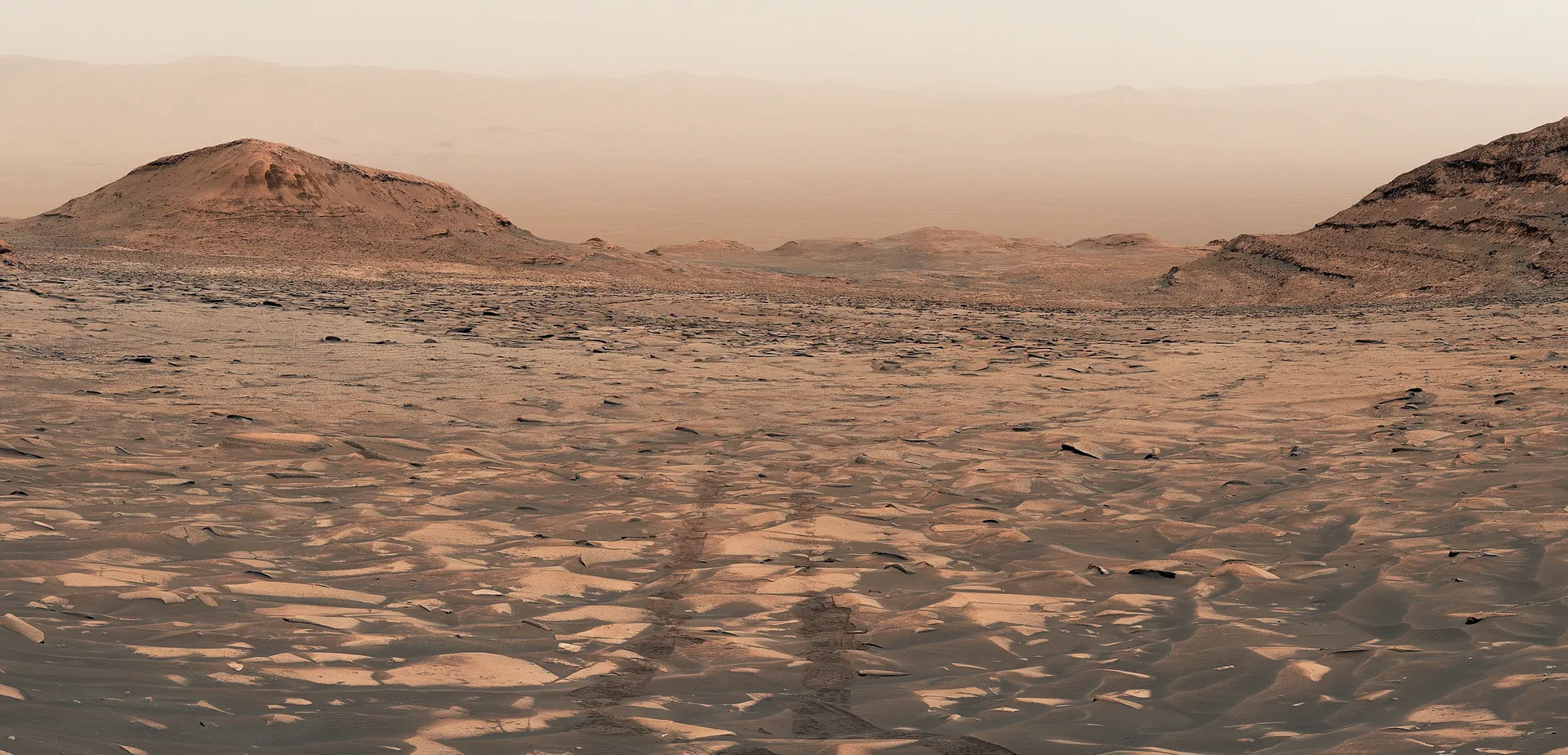
In March 2025 scientists reported decane, undecane and dodecane in a mudstone sample called Cumberland—the largest organic compounds found on Mars, possibly fragments of fatty acids, which on Earth are produced mostly by life but can also form geologically. A follow-on study published on February 4, 2026, found that the non-biological sources the researchers considered could not fully account for the amount of organic material, and concluded that it is reasonable to hypothesize that living things could have formed it. The team says more work is needed before any conclusion about life.5
Perseverance: a lake, a delta and 43 tubes
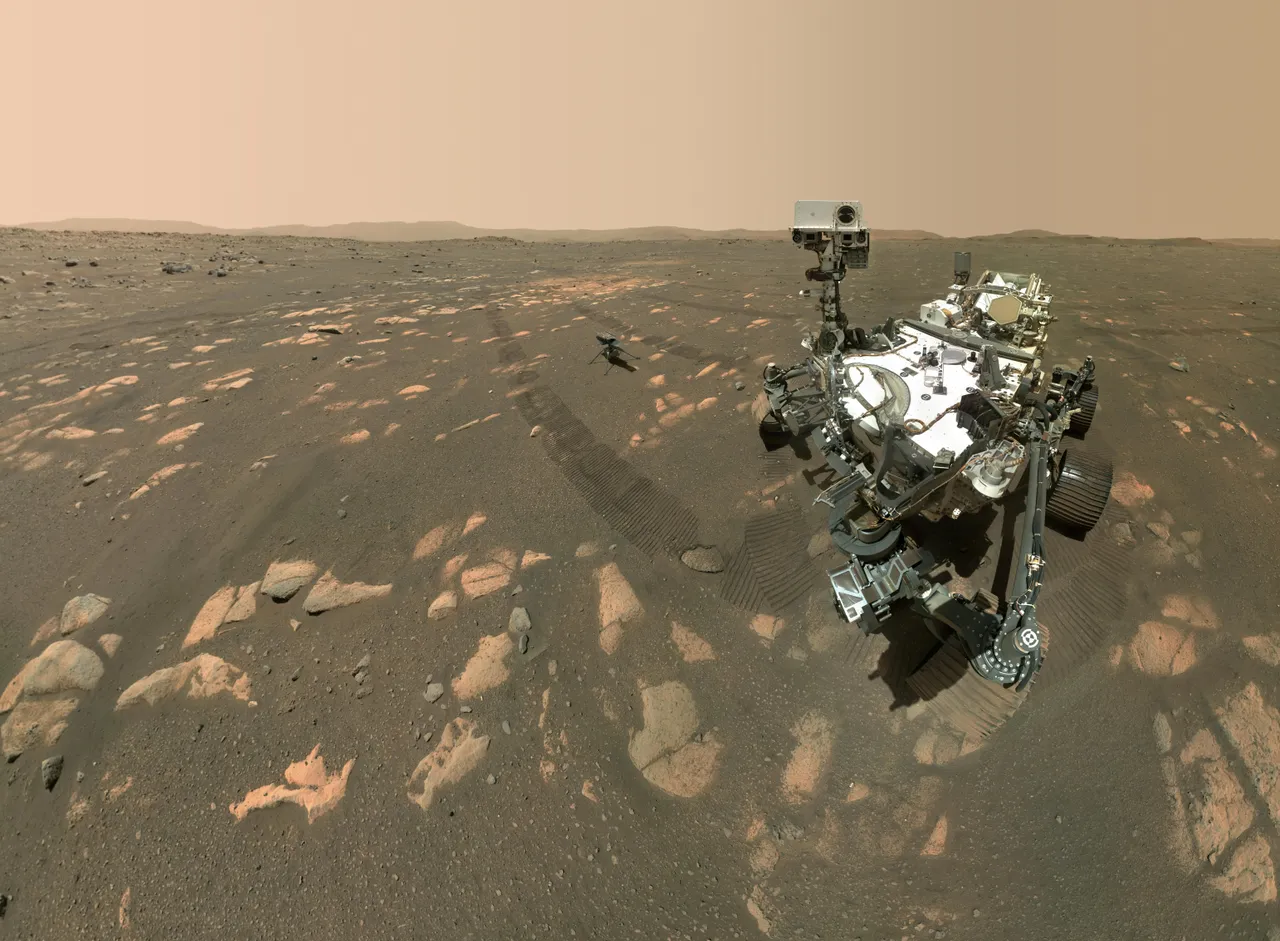
Perseverance landed in Jezero Crater on February 18, 2021. More than 3.5 billion years ago, river channels spilled over the crater wall and created a lake, and water carried clay minerals into it. Microbial life could conceivably have lived in Jezero during one or more of those wet periods, and its remains might be preserved in lakebed or shoreline sediments. The site was chosen after a five-year study of more than 60 candidates.6,11
The rover has four objectives: study Mars’ habitability, seek signs of past microbial life, collect and cache samples, and prepare for human missions. NASA invested about $2.4 billion to build and launch it, and estimated about $300 million to land and operate it through its prime mission.6,7
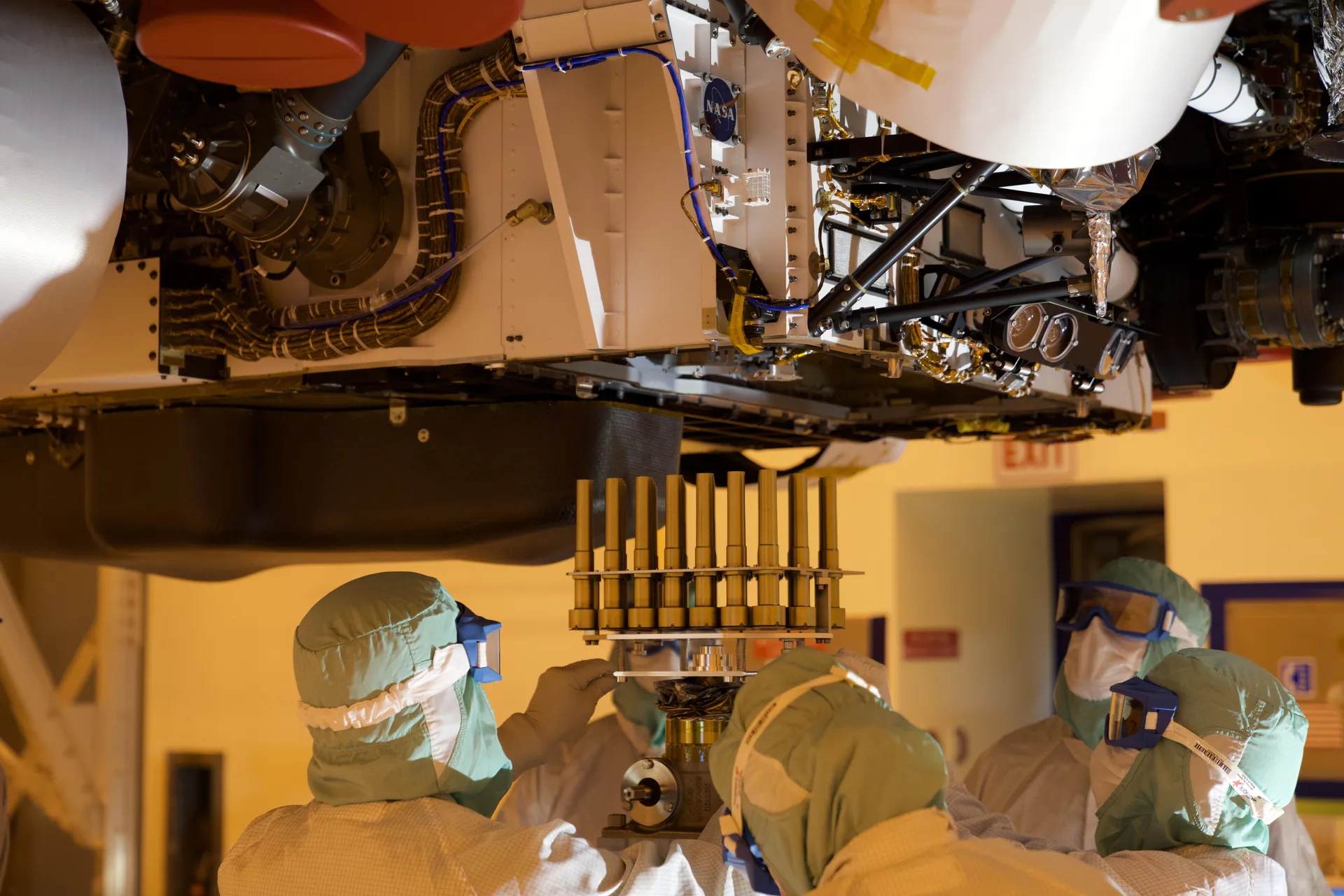
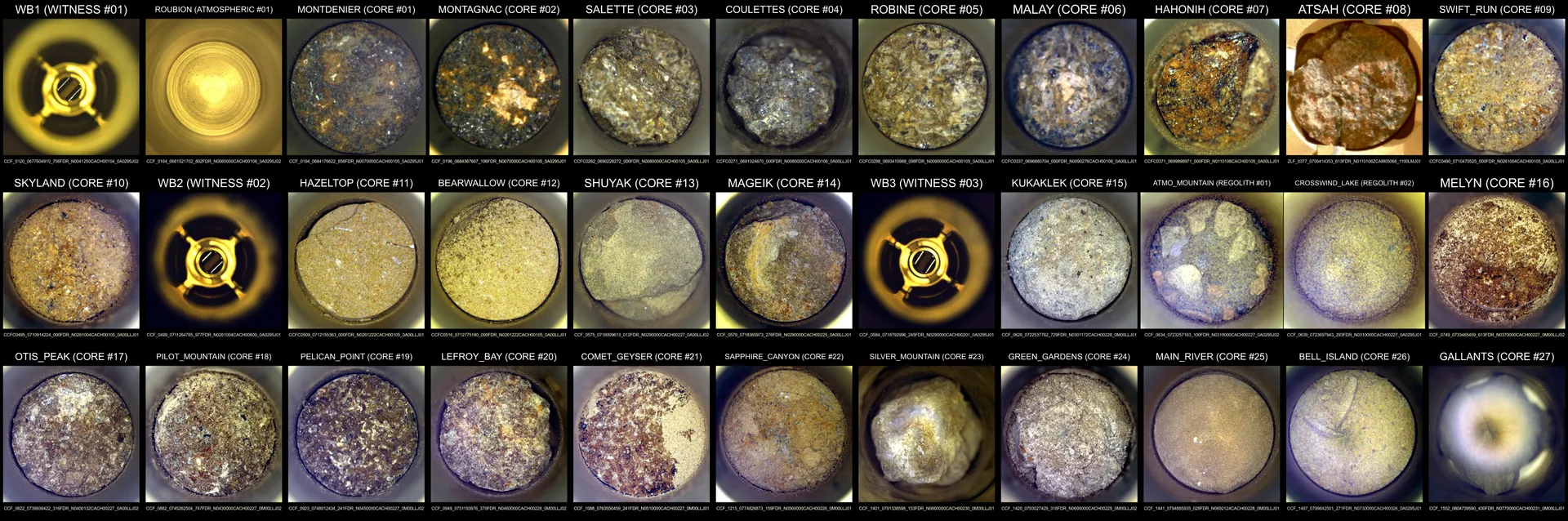
Sampling is what makes Perseverance different. Its coring drill cuts a core of rock and seals it in a tube; the rover carries 43 tubes, each in its own gold-colored titanium sheath until the sampling arm retrieves it.9 By July 24, 2025, it had used 33: 27 rock cores, two samples of regolith—broken rock and dust—one sample of the atmosphere, plus three “witness” tubes.8
Ten of those tubes, including one atmospheric sample and one witness tube, were deposited in January 2023 at a depot nicknamed Three Forks on the crater floor, as a backup cache. The other 23 remain aboard the rover.8
Cheyava Falls: a potential biosignature
In July 2024, while exploring the Bright Angel formation beside an ancient river valley called Neretva Vallis, Perseverance came upon an arrowhead-shaped rock measuring 3.2 feet by 2 feet, nicknamed Cheyava Falls. Its PIXL and SHERLOC instruments found colorful spots arranged in what the team called leopard spots, carrying the signature of two iron-rich minerals: vivianite and greigite. On Earth, vivianite is often found around decaying organic matter, and certain microbes can produce greigite. The formation’s rocks, made of clay and silt, are also rich in organic carbon, sulfur, oxidized iron and phosphorus.10
The minerals appear to have formed by reactions between the sediment and organic matter that microbes could use for energy—but they can also form without life, for example at sustained high temperatures or in acidic conditions. The Bright Angel rocks show no sign of either. After a year of review, the journal Nature published the result on September 10, 2025: the core taken from the rock, called Sapphire Canyon, contains a potential biosignature, “a substance or structure that might have a biological origin but requires more data or further study before a conclusion can be reached about the absence or presence of life.” Then-acting Administrator Sean Duffy called it “the closest we have ever come to discovering life on Mars.” Project scientist Katie Stack Morgan added that while abiotic explanations are less likely given the paper’s findings, “we cannot rule them out.”10
Ingenuity: five planned flights, 72 flown
Strapped to Perseverance’s belly for the trip to Mars was a technology demonstration, the Ingenuity helicopter, built for about $80 million.7 It first lifted off on April 19, 2021, proving that powered, controlled flight was possible in the thin Martian air. Designed to make up to five experimental flights over 30 days, it operated for almost three years, flew 72 times, traveled more than 14 times farther than planned, and logged more than two hours in the air. It became an aerial scout for the rover’s drivers, operated from 48 airfields, survived a winter it was not designed for, and made three emergency landings.11
On its 72nd flight, on January 18, 2024, Ingenuity lost contact with the rover about 3 feet above the ground. When the pictures came back, they showed the shadow of a damaged rotor blade. It never flew again.11
Mars from two rovers and a helicopter, 2015–2024
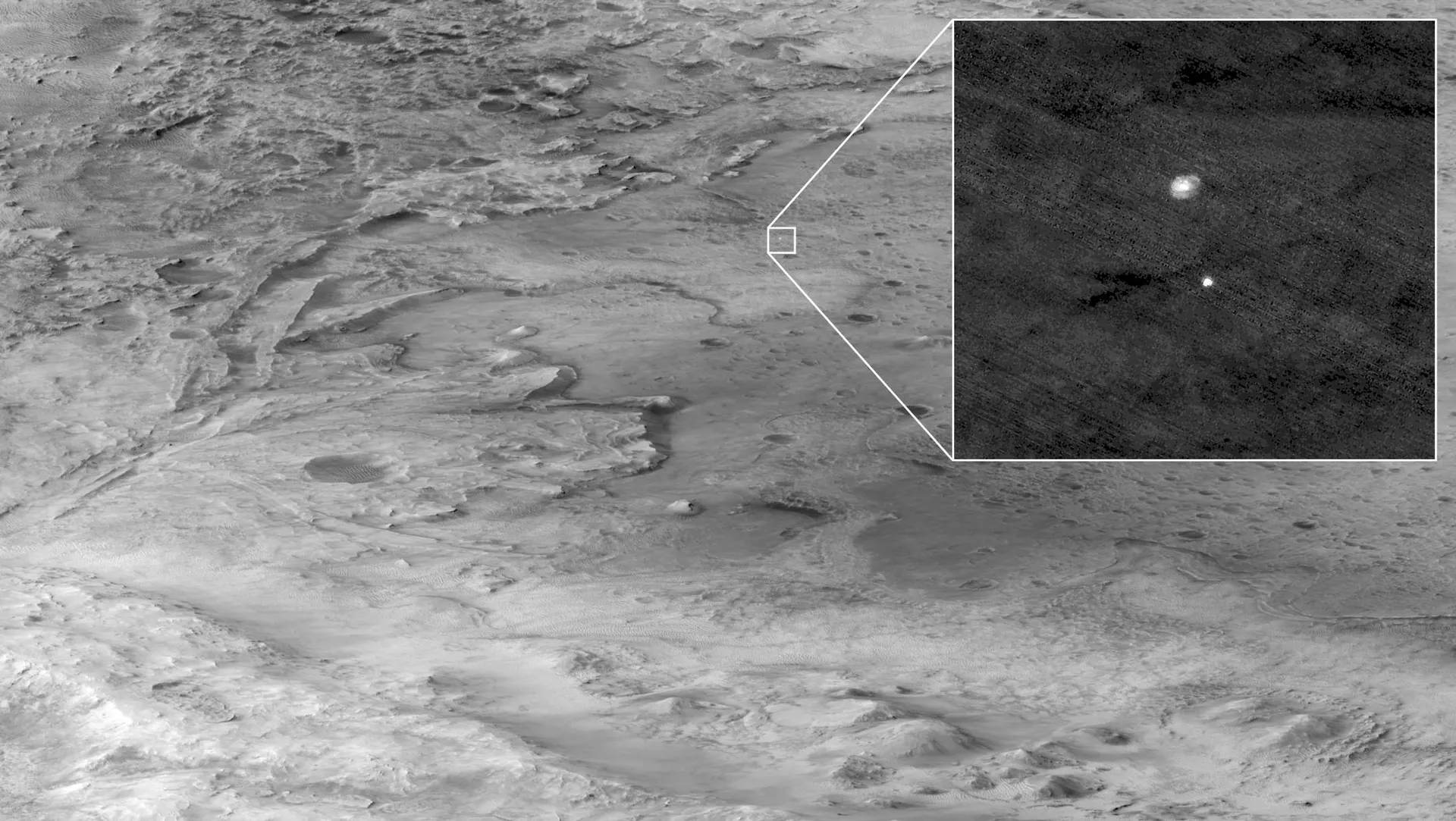
February 18, 2021: the Mars Reconnaissance Orbiter, 435 miles away, photographs Perseverance on its parachute above Jezero’s delta. NASA/JPL-Caltech/University of Arizona
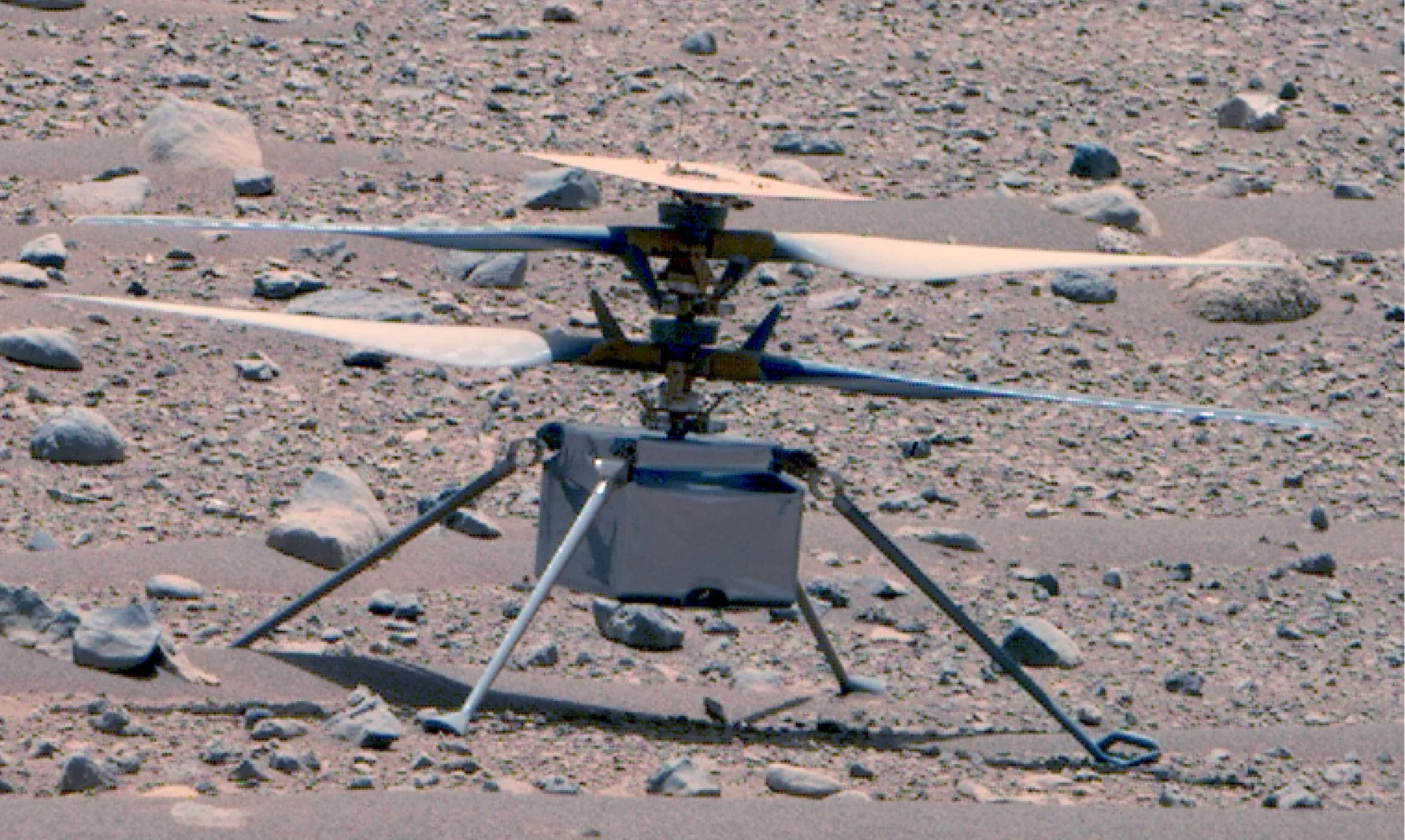
Ingenuity seen by Perseverance from about 75 feet away, April 16, 2023, two years after its first flight. NASA/JPL-Caltech/ASU/MSSS
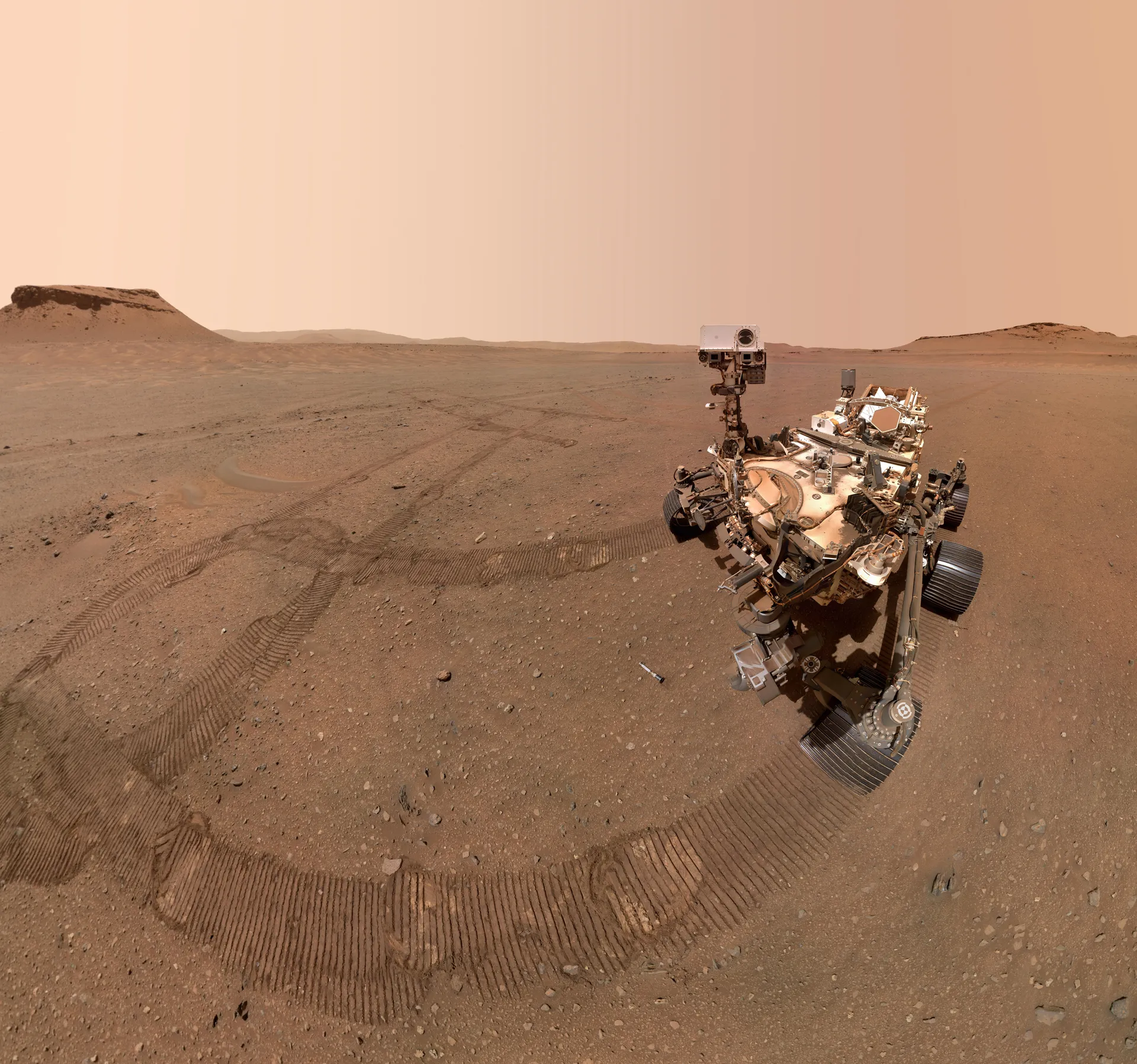
January 22, 2023: Perseverance at the Three Forks depot, where it left 10 tubes as a backup cache. The tube in front holds a sample called “Atsah.” NASA/JPL-Caltech/MSSS
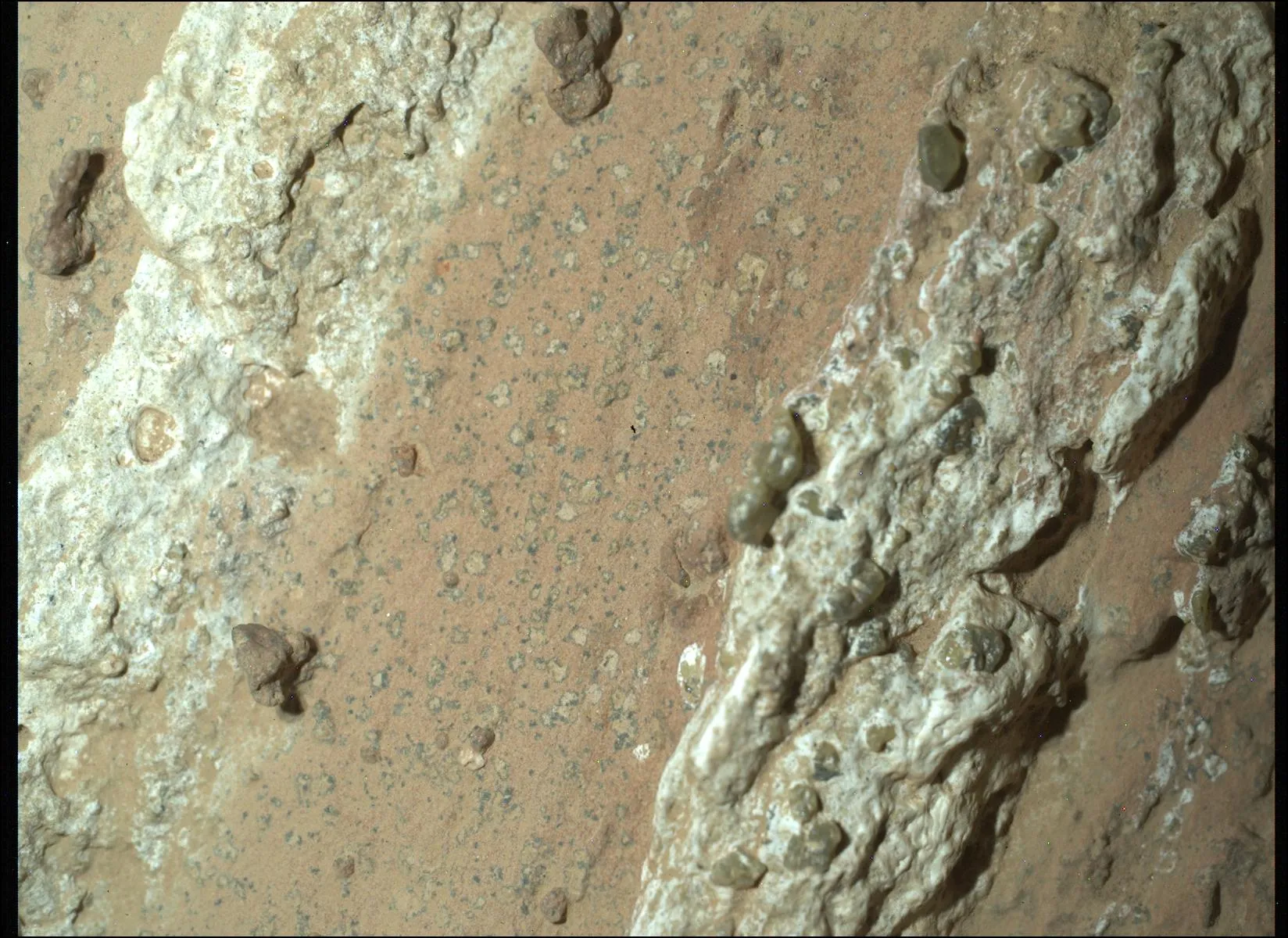
The “leopard spots” on Cheyava Falls, July 18, 2024: pale patches ringed with dark material containing iron phosphate and iron sulfide. NASA/JPL-Caltech/MSSS
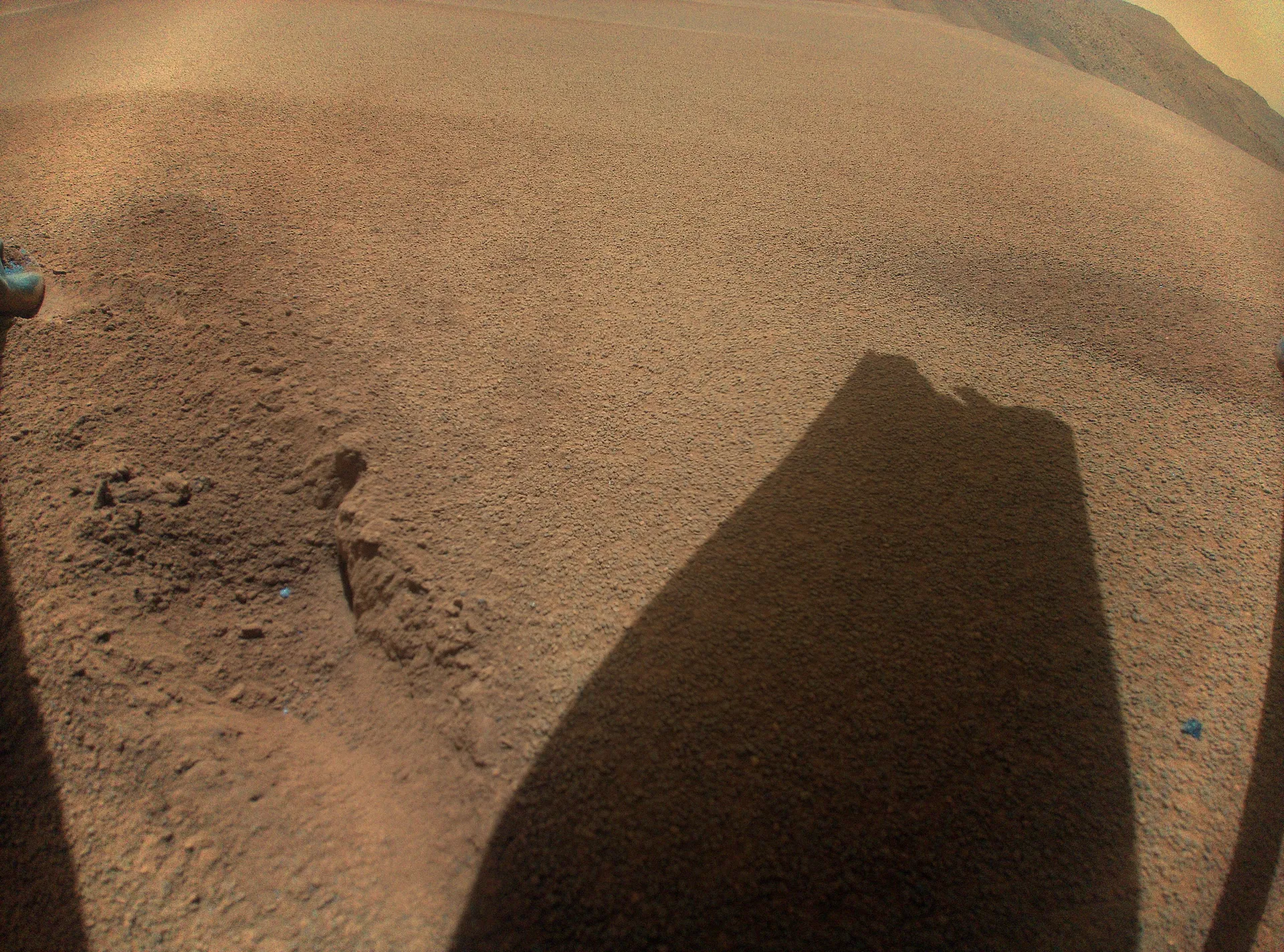
January 2024: after its 72nd flight, Ingenuity photographs the shadow of a damaged rotor blade. NASA/JPL-Caltech
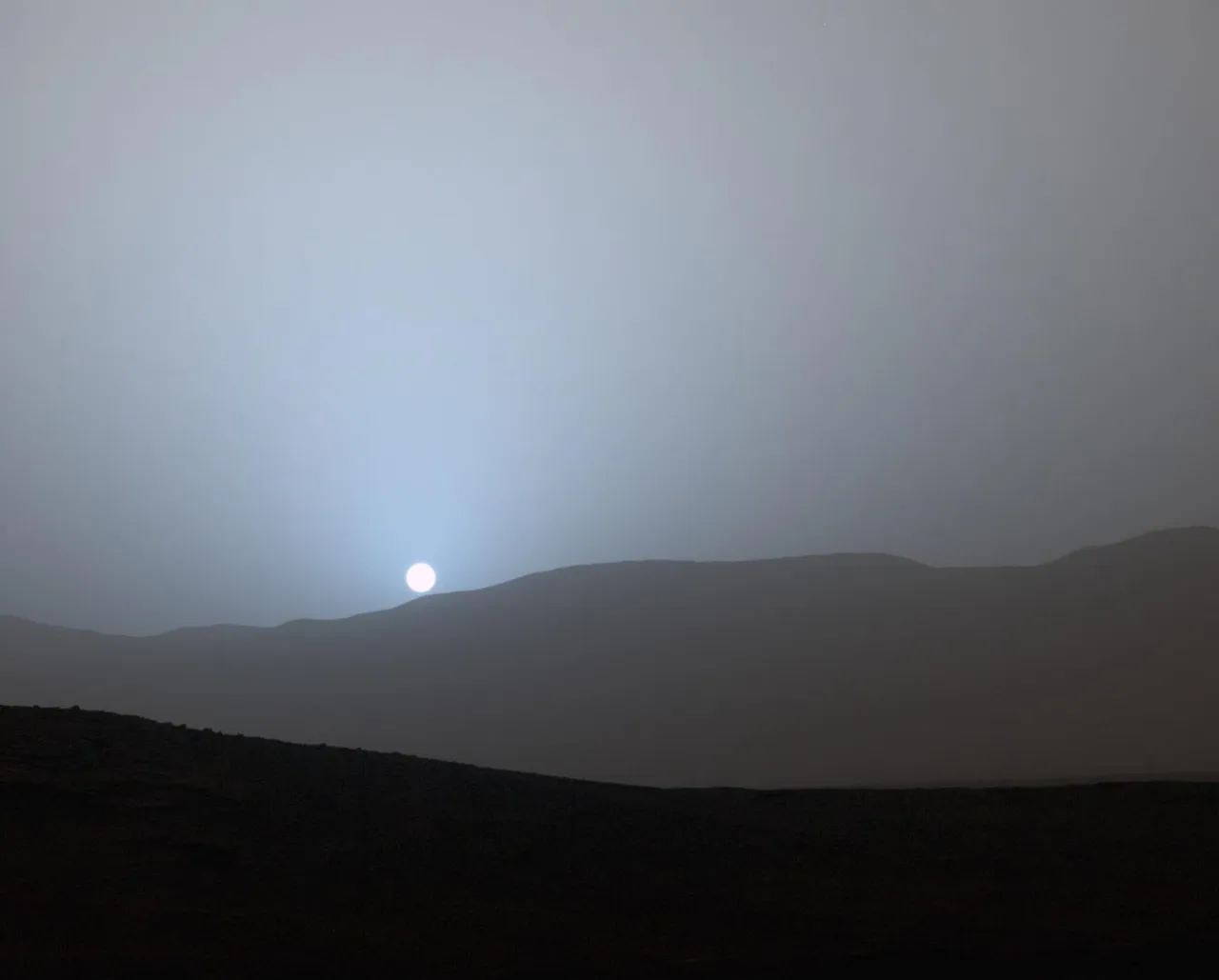
From Curiosity in Gale Crater, April 15, 2015: on Mars, fine dust lets blue light through near the Sun, so sunsets glow blue. NASA/JPL-Caltech/MSSS/Texas A&M Univ.
Mars Sample Return: 2033, then 2040, then no program
Returning samples was always a separate chain of missions. In July 2022, NASA’s plan with the European Space Agency was to launch ESA’s Earth Return Orbiter in fall 2027 and a NASA Sample Retrieval Lander in summer 2028. Perseverance would carry the tubes to the lander; a Mars Ascent Vehicle would launch them into orbit; the orbiter would catch them and bring them home. The samples were expected on Earth in 2033.12
An independent review board reported in September 2023. In April 2024, Administrator Bill Nelson released NASA’s response: an overall budget likely in the range of $8 billion to $11 billion, and, under the 2025 budget, a return date of 2040. “The bottom line is, an $11 billion budget is too expensive, and a 2040 return date is too far away,” he said, and NASA asked industry for cheaper, faster designs.13 In January 2025, NASA said it would pursue two landing options at once—a version of the sky crane that landed Curiosity and Perseverance, or a new commercial lander—each carrying a smaller ascent vehicle and an orbiting container for 30 tubes. It expected to confirm the program and its design in the second half of 2026.14
When NASA said Mars samples would reach Earth13
That confirmation never came. The administration’s 2026 budget request proposed ending the program, and the appropriations law enacted in January 2026 gave Mars Sample Return nothing and closed its program office. In its place Congress funded a new $110 million Mars Future Missions line, meant to develop technologies shared by robotic and eventually crewed missions—sample return among them.16 NASA’s mission page now describes Mars Sample Return in the past tense, as “a proposed multi-mission campaign.”15
What comes next at Mars
The 2027 budget request asks $248 million for Mars exploration, including $110 million for lower-cost, competitively selected missions and instruments that serve both human exploration and science. It would cut Planetary Science from $2.54 billion to $1.88 billion overall.18,19 The Planetary Society, comparing the request line by line, found that Perseverance and the Mars Reconnaissance Orbiter survive but that Perseverance’s operating money would be cut in half, and that Mars Odyssey is among the missions slated to end.20 For 2026, Congress had rejected a similar proposal and held NASA science at $7.25 billion.17 It has not finished the 2027 bill; a continuing resolution holds NASA at 2026 levels through December 11, 2026.24
- $110M
- Mars Future Missions, the line that replaced sample return in 202616
- $248M
- all Mars exploration in the 2027 request18
- $700M
- maximum value of Blue Origin’s Mars telecom orbiter contract21
Other Mars hardware is under way. On September 1, 2026, NASA awarded Blue Origin a fixed-price contract worth up to about $700 million to deliver a Mars telecommunications orbiter by December 31, 2028, with the network operational at Mars by 2030. The $700 million came from the 2025 reconciliation law rather than the annual science budget.16,21 ESCAPADE, a pair of small NASA spacecraft that launched on Blue Origin’s second New Glenn on November 13, 2025, has been looping around Sun–Earth L2 waiting for this fall’s alignment, when an Earth flyby will send it to Mars to study the planet’s magnetic environment.22 And NASA is targeting late 2028 for Space Reactor-1 Freedom, a nuclear-electric spacecraft that would carry SkyFall—three helicopters evolved from Ingenuity’s design—to collect science data, demonstrate exploration zones and identify potential water sources.23
None of them is designed to pick up a tube. The Sapphire Canyon core is still in Perseverance’s belly, one of 23 tubes aboard as of mid-2025; ten more lie on the floor of Jezero at Three Forks.8
Sources
The text above is drawn from these 24 sources. Government works are adapted closely; company and press material is summarized. Numbers in the text point here. Last checked October 1, 2026.
Show all 24 sourcesShow fewer
- 1Back to the text
- 2Back to the text
- 3Back to the text
- 4Back to the text
- 5Back to the text
- 6Back to the text
- 7Back to the text
- 8Back to the text
- 9Back to the text
- 10Back to the text
- 11Back to the text
- 12Back to the text
- 13Back to the text
- 14Back to the text
- 15Back to the text
- 16Back to the text
- 17Back to the text
- 18Back to the text
- 19Back to the text
- 20Back to the text
- 21Back to the text
- 22Back to the text
- 23Back to the text
- 24Back to the text
Continue
Related stories
- Hubble, Webb and RomanA 1990 telescope that astronauts rebuilt five times, a $9.7 billion infrared observatory a million miles out, and a survey telescope launched in August 2026: what each one sees, what each cost, and why NASA flies them together.
- NASA’s budgetIn 1966 NASA spent 4.4 cents of every federal dollar; today about a third of a cent. Where its roughly $25 billion a year goes, how it is decided, and why Congress keeps rejecting an $18.8 billion request.