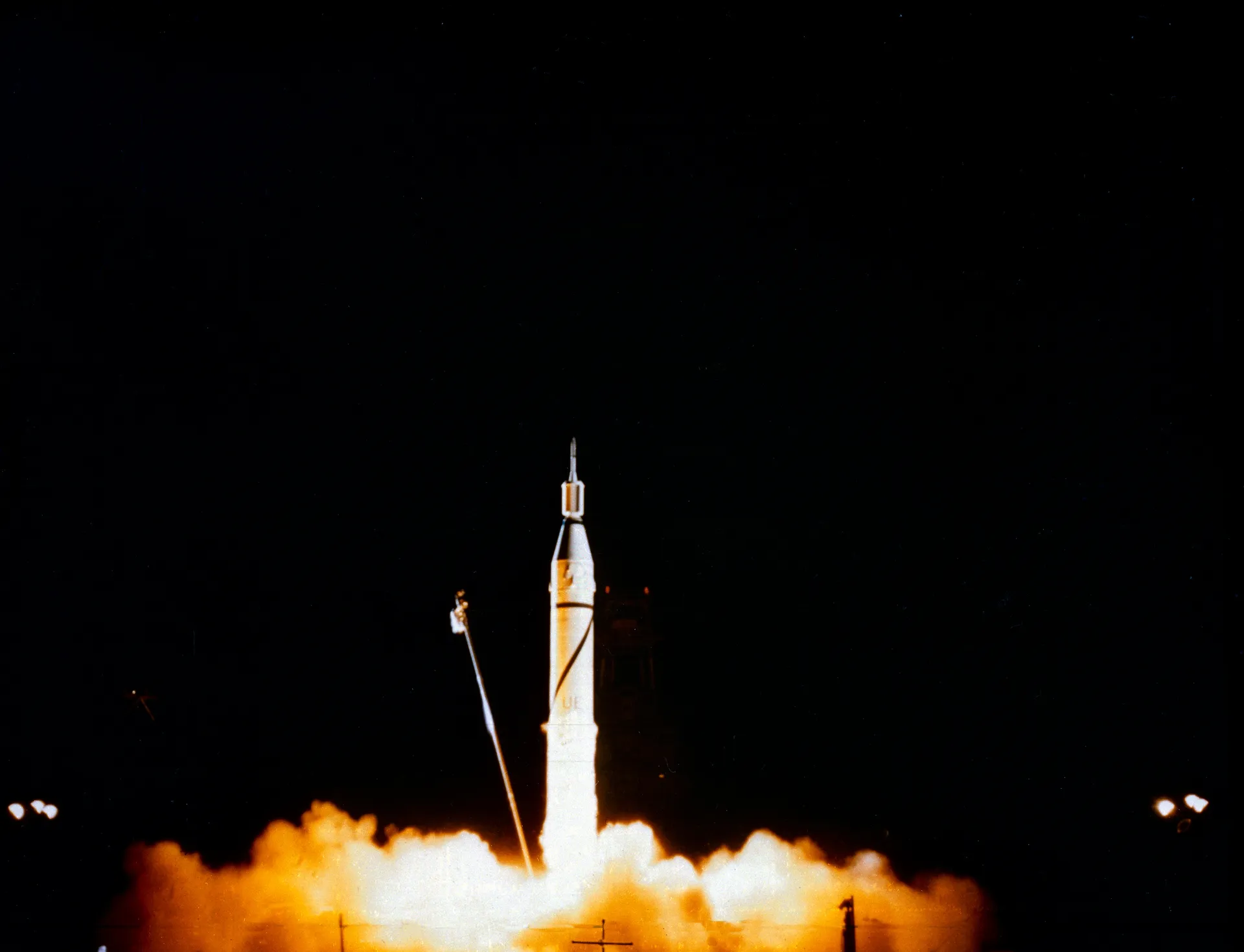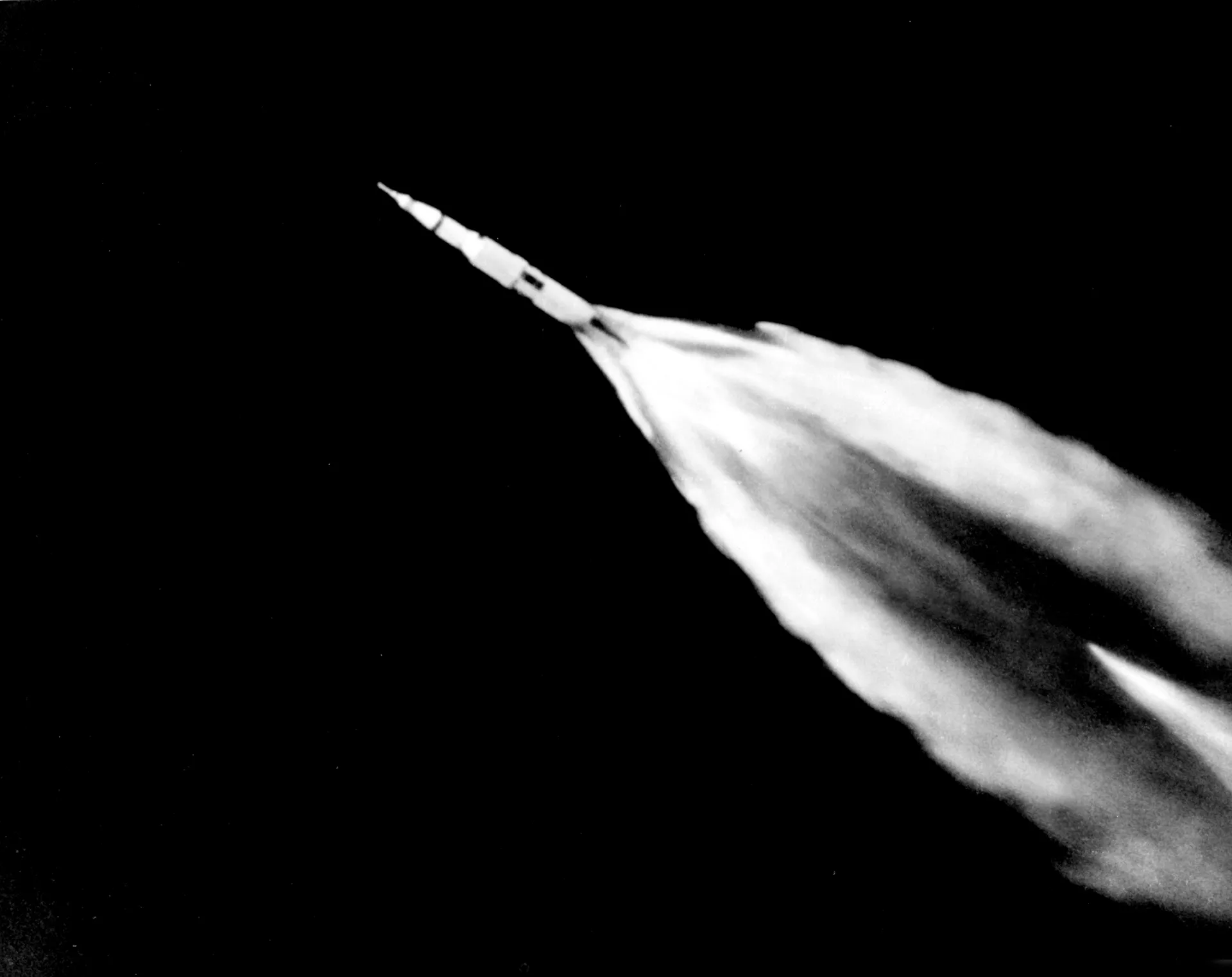
The Saturn V carrying Apollo 11 climbs away on a long white plume, photographed from the air on July 16, 1969.

How it began

How did the United States learn to fly in space?

NASA, Apollo 11, July 16, 1969

Everything the United States flies today rests on decisions made since 1958: a civilian agency assembled in a hurry from laboratories that already existed, a lunar program that at its peak took more than four cents of every federal dollar, a reusable spaceplane that flew for thirty years, and a station that has been occupied without a break since November 2000.

This chapter follows the founding of NASA, Mercury and Gemini, Apollo and the Space Shuttle: what each was built to do, what it achieved, and the habits and hardware it passed on to the programs that came after it.

Begin with The birth of NASA
  1. 1How Sputnik turned an aeronautics committee into NASAIn the year after Sputnik, Congress and President Eisenhower built a civilian space agency on the NACA’s laboratories, then gave it a Navy satellite, an Army rocket team and, by 1961, the Moon.History, about 12 minutes
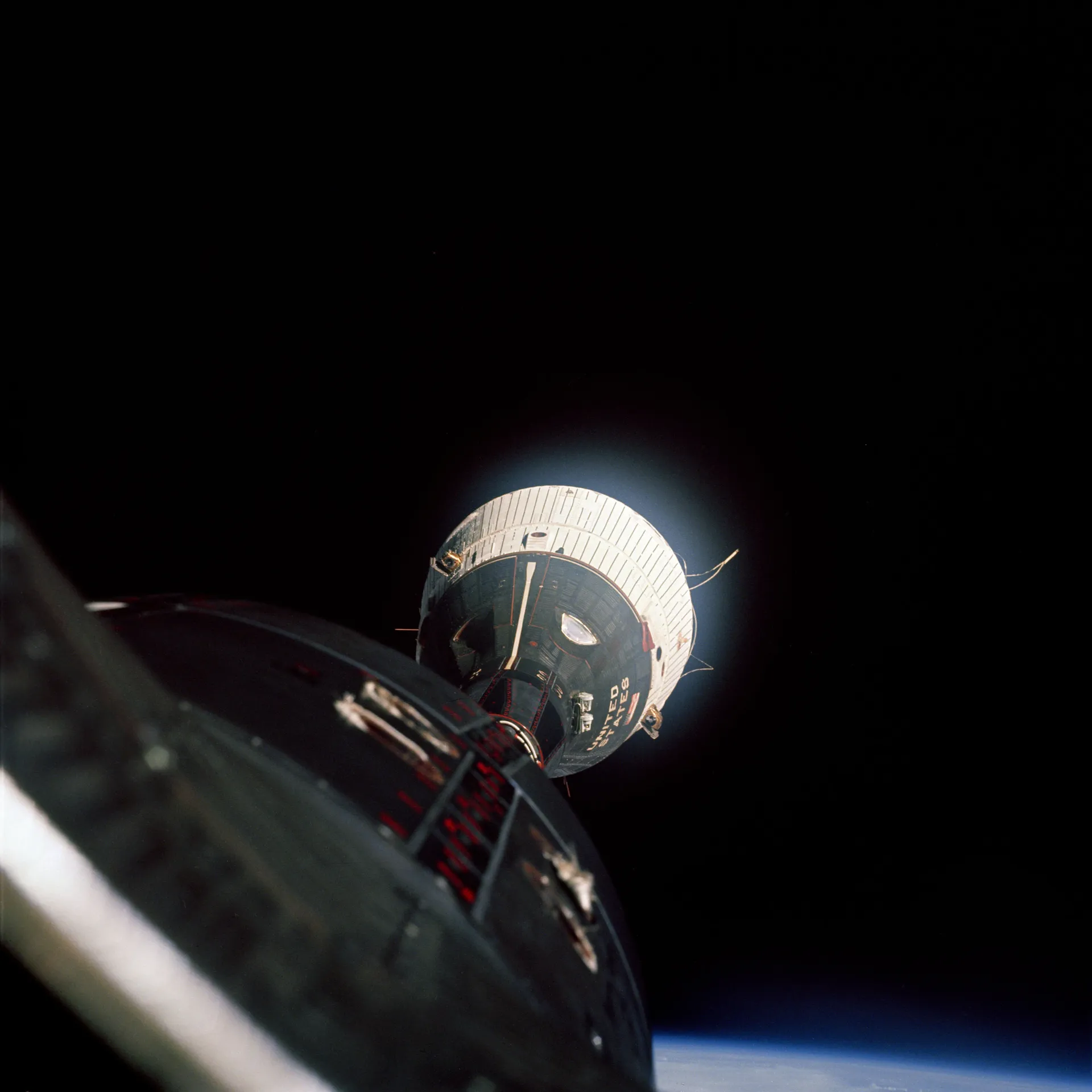
  2. 2Sixteen crewed flights that taught NASA how to work in orbitMercury’s six flights showed a person could ride to orbit and come home. Gemini’s ten taught maneuvering, rendezvous, docking, spacewalks and two-week flights—at about double the first estimate.History, about 9 minutes
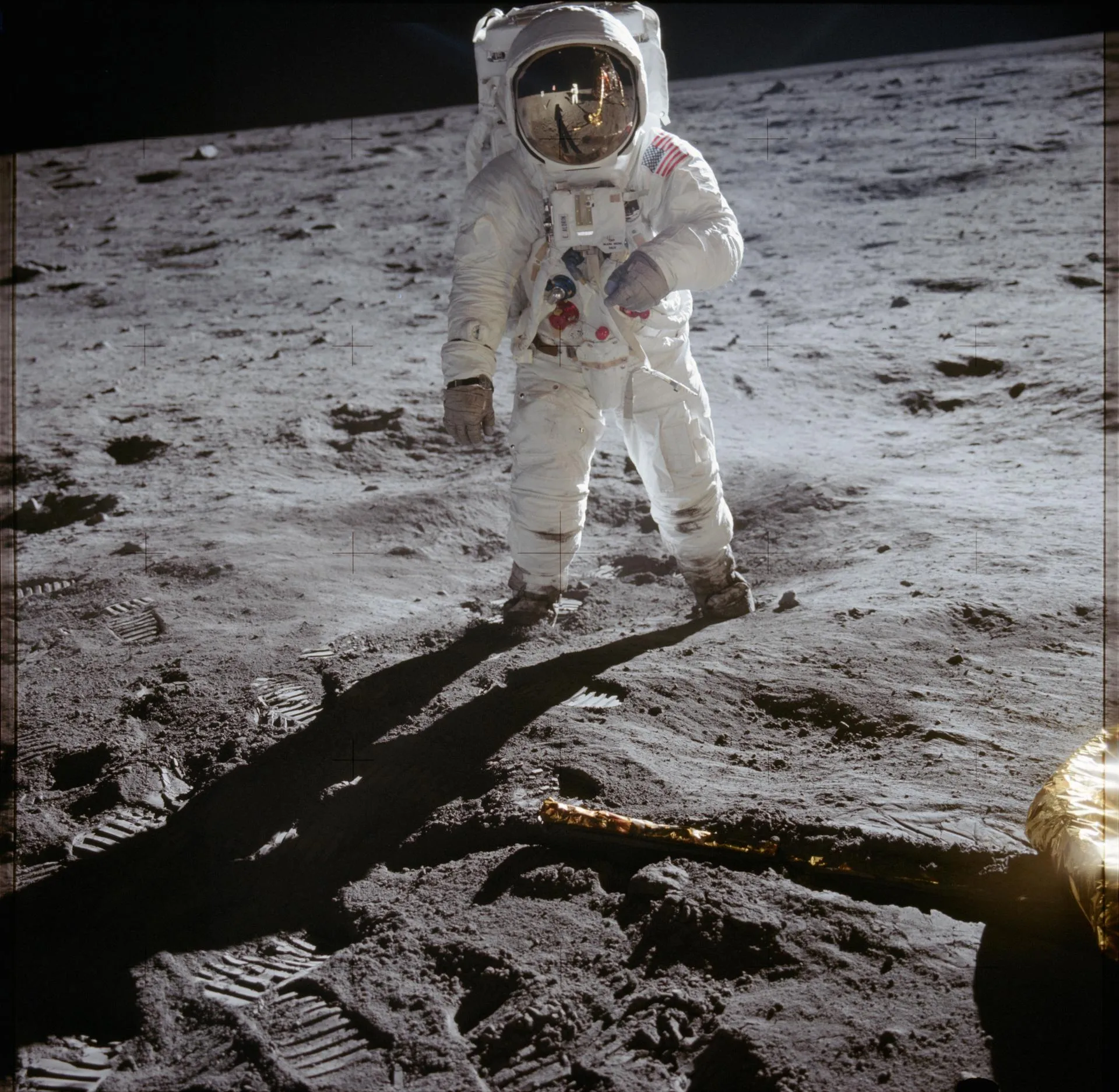
  3. 3Apollo spent $25.4 billion to put twelve people on the MoonKennedy’s 1961 goal became a program of 400,000 people and more than 500 contractors. It chose a risky route to the Moon, survived a fire on the pad, and landed six crews before Congress ended it.History, about 11 minutes
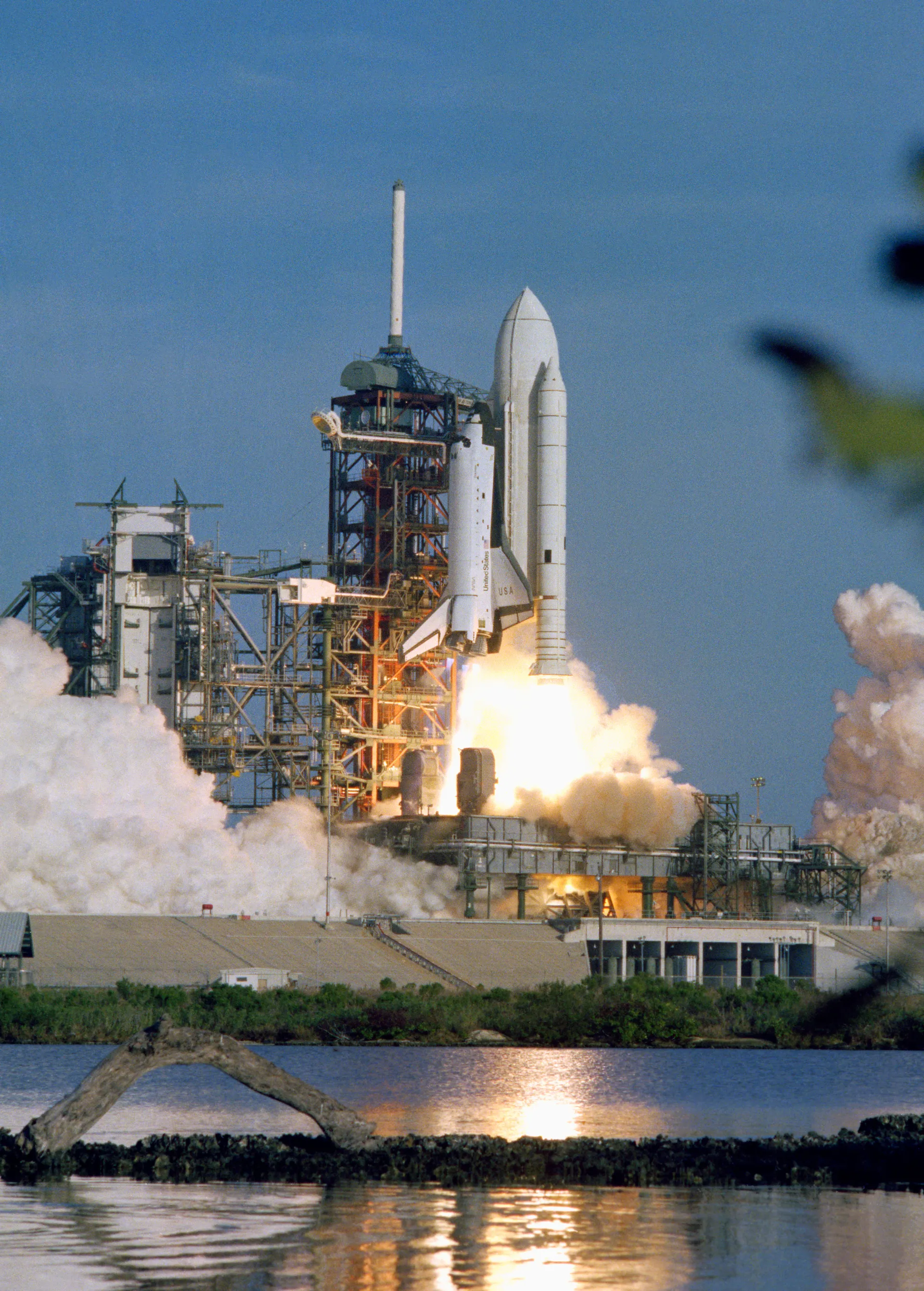
  4. 4Promised as routine transport, the Shuttle flew 135 times in 30 yearsNixon approved a $5.5 billion reusable spaceplane in 1972 to make spaceflight routine and cheap. It repaired Hubble and built a space station, lost two crews, and never flew more than nine times in a year.Story and 3D model, about 9 minutes