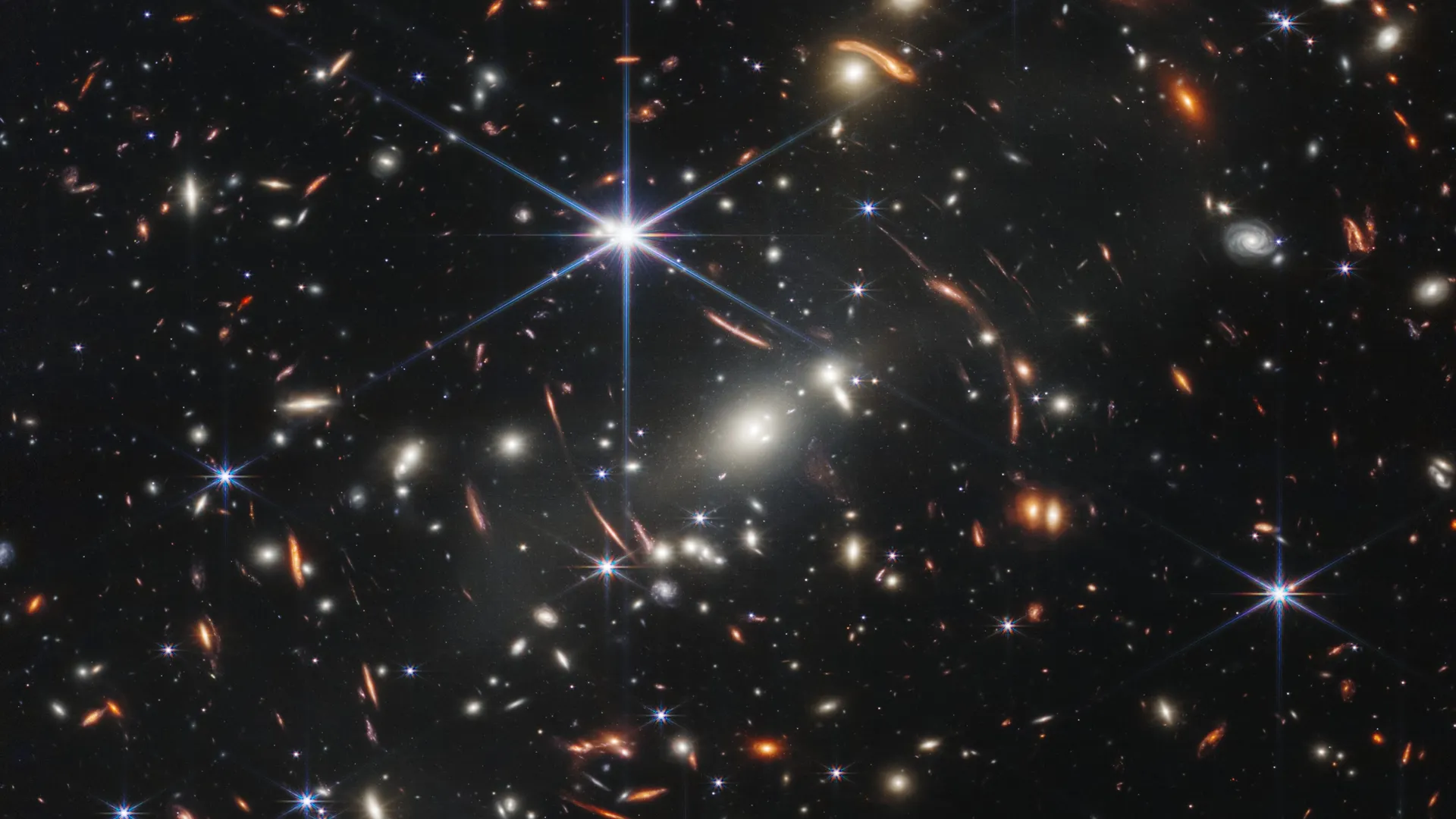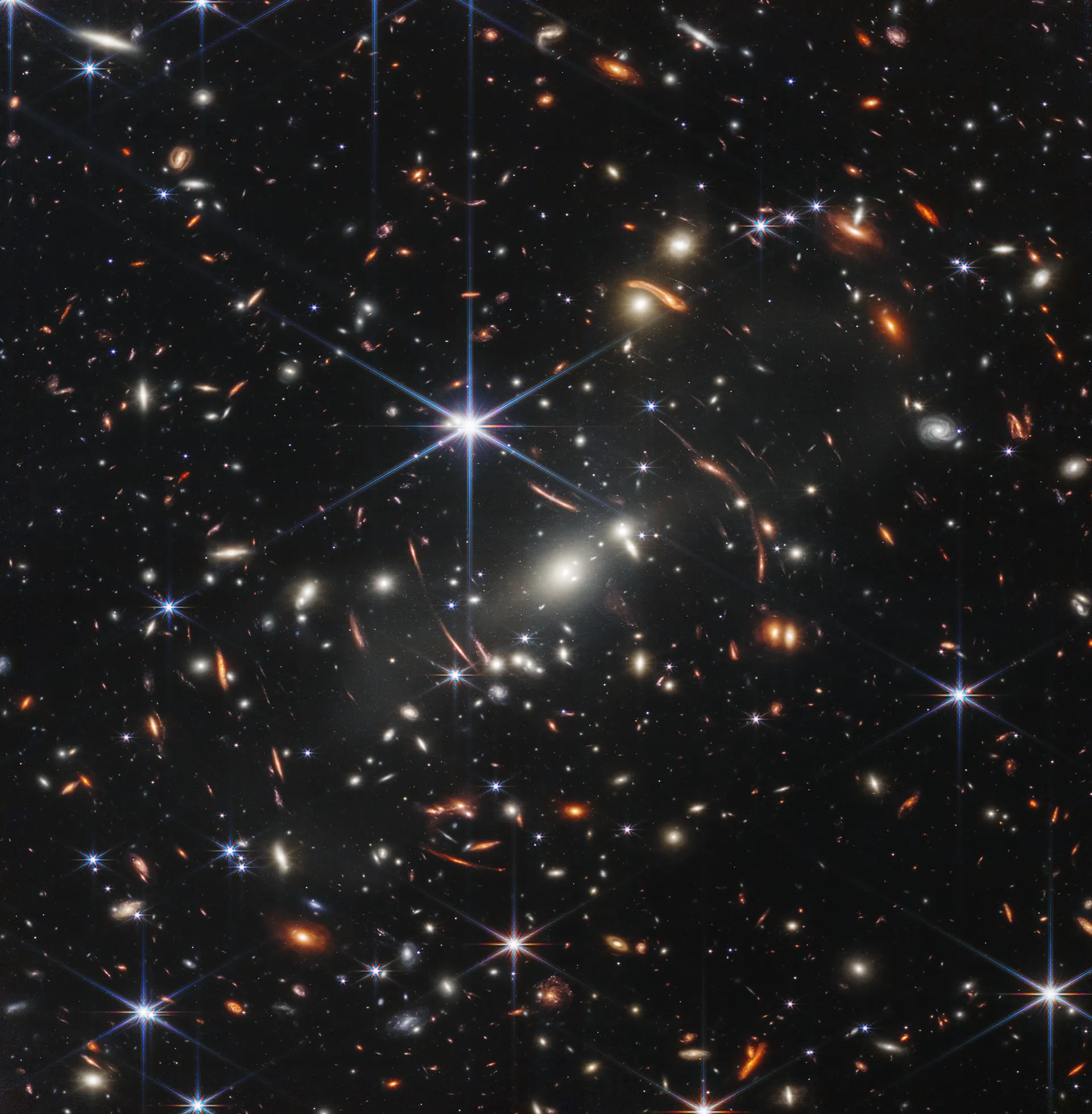
Webb’s first deep field: thousands of galaxies, some stretched into arcs by the gravity of a foreground cluster.

Reading the universe

What are the observatories and probes for, and what have they found?

NASA, ESA, CSA, STScI

A large share of NASA’s budget pays for instruments that people will never visit: telescopes at a gravitational balance point a million miles away, rovers on Mars, probes past Pluto and through the outer atmosphere of the Sun.

Each was built to answer specific questions, and each took a decade or more to build. This chapter explains what they look for, how they work, and why one does not simply replace another.

Begin with Hubble, Webb and Roman
  1. 1Hubble, Webb and Roman: three telescopes, and why none replaces anotherA 1990 telescope that astronauts rebuilt five times, a $9.7 billion infrared observatory a million miles out, and a survey telescope launched in August 2026: what each one sees, what each cost, and why NASA flies them together.Story, about 12 minutes
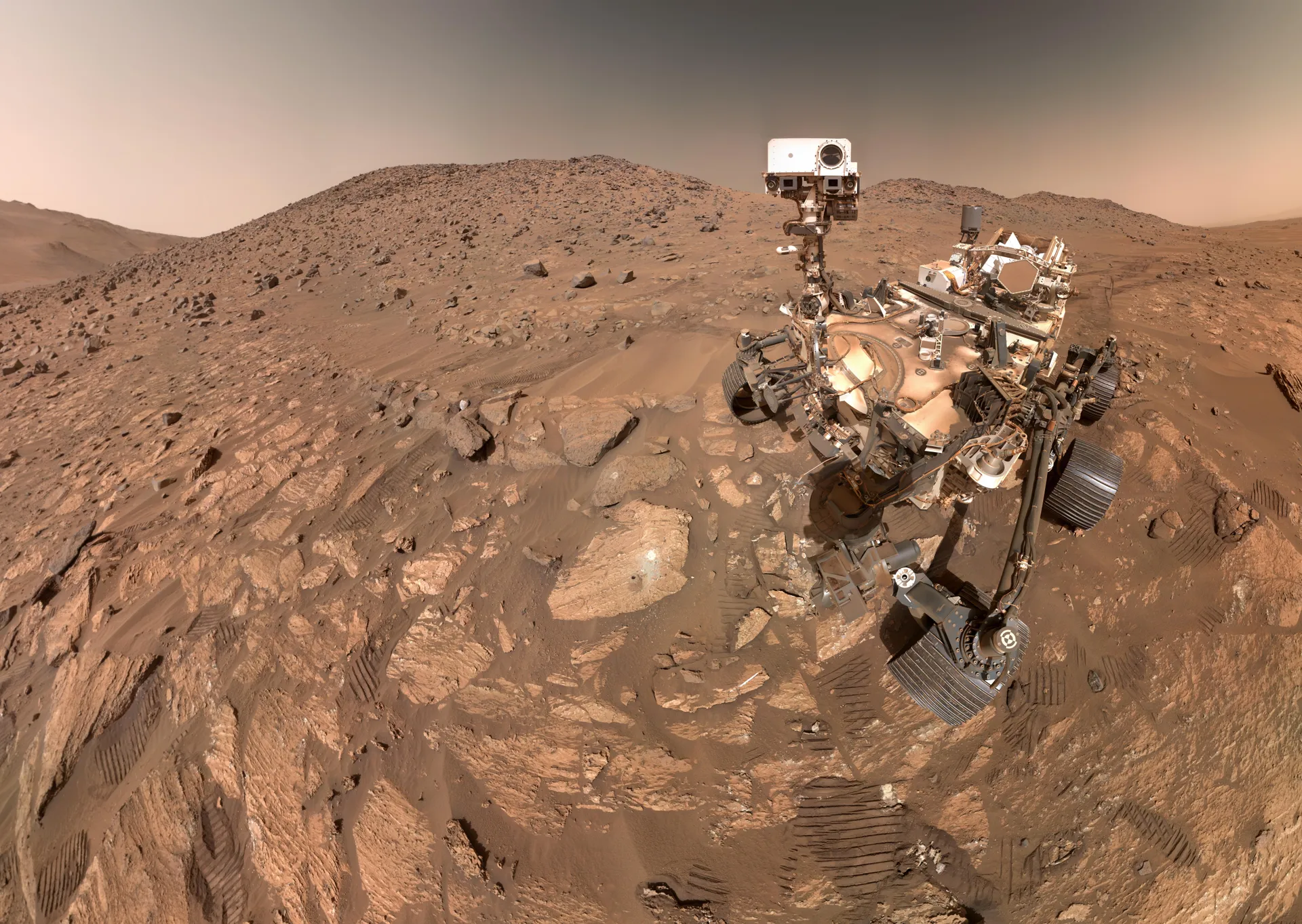
  2. 2Mars: two rovers, a helicopter and samples with no ride homeCuriosity has climbed a kilometer up Mount Sharp; Perseverance has used 33 of its 43 sample tubes, one holding a potential biosignature. The $8–11 billion mission to bring them home was shut down in January 2026.Story, about 7 minutes
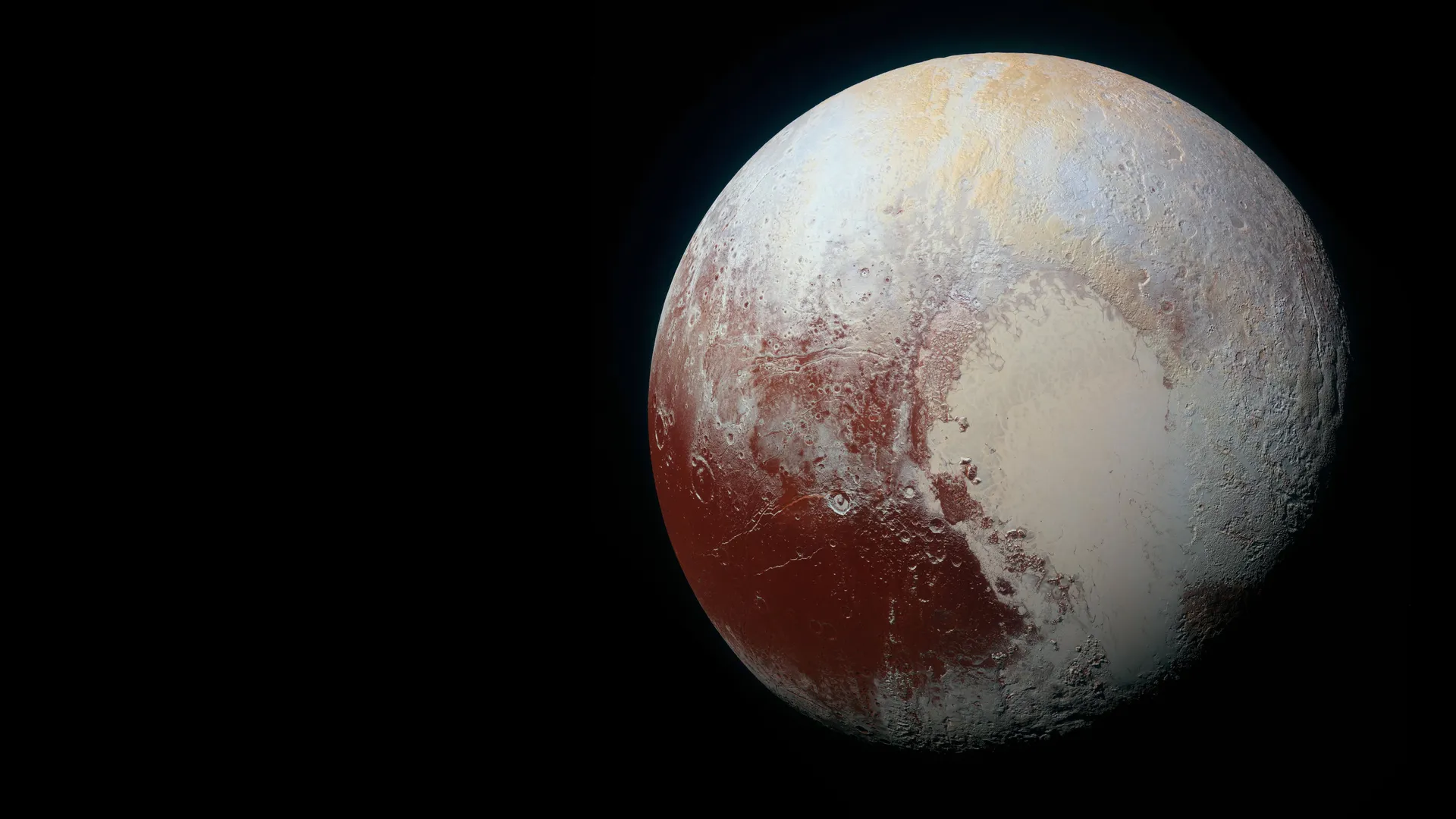
  3. 3Voyager to Dragonfly: fifty years of flying to the outer solar systemTwo 1977 probes beyond the Sun’s bubble, New Horizons past Pluto, Juno at Jupiter, Europa Clipper en route and a rotorcraft being built for Titan: what each found or seeks, what each cost, where each stands in October 2026.Story, about 9 minutes
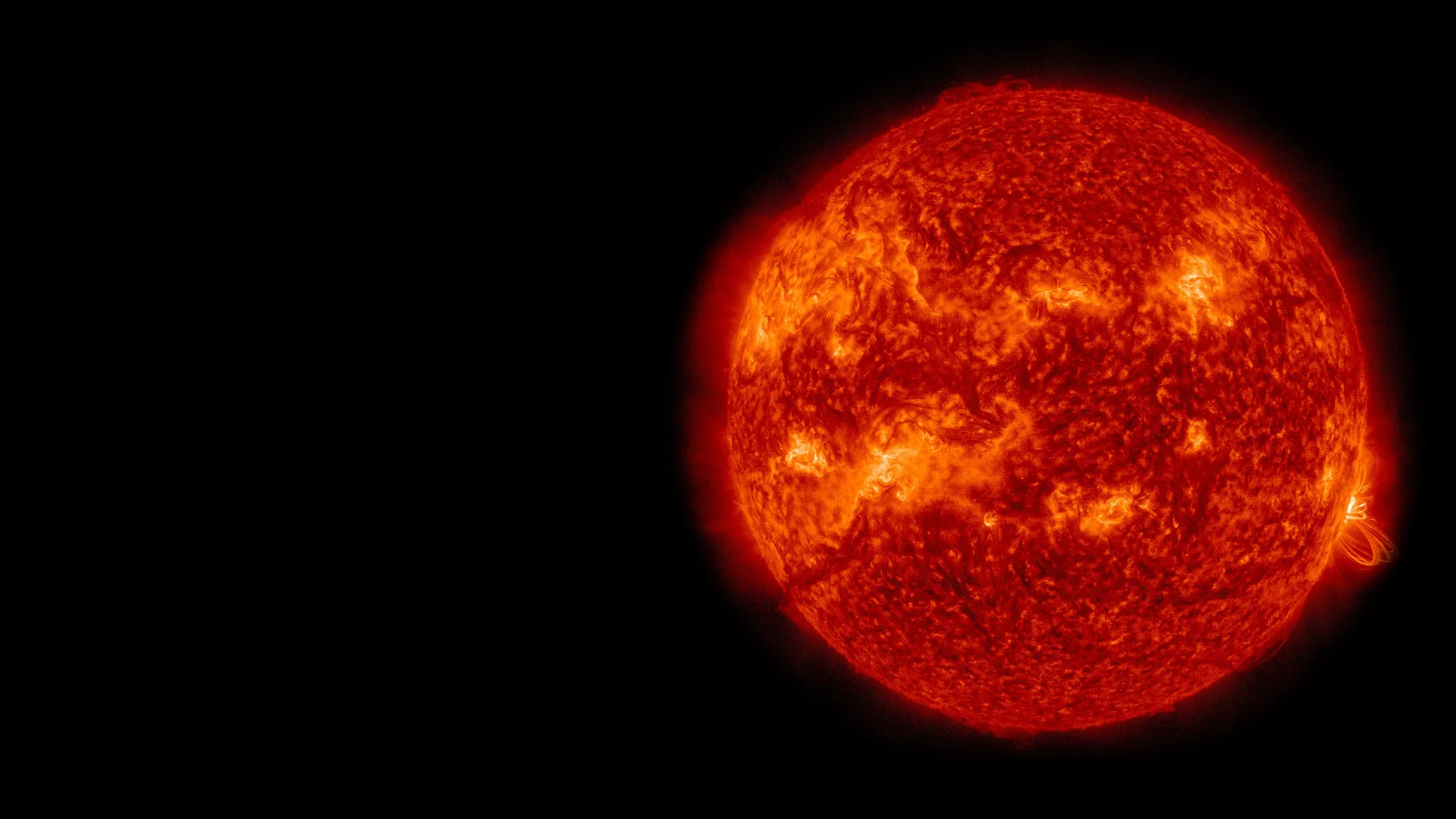
  4. 4Parker Solar Probe and the Sun’s weather: flying through a star’s atmosphereA probe conceived in 1958 now passes 3.8 million miles from the Sun every three months: what it is learning about the solar wind, how solar storms reach power grids and satellites, and what a proposed 52 percent cut would mean.Story, about 7 minutes