Return to the Moon
How is NASA going back to the Moon, and who is building the pieces?
NASA, Artemis II, April 2026
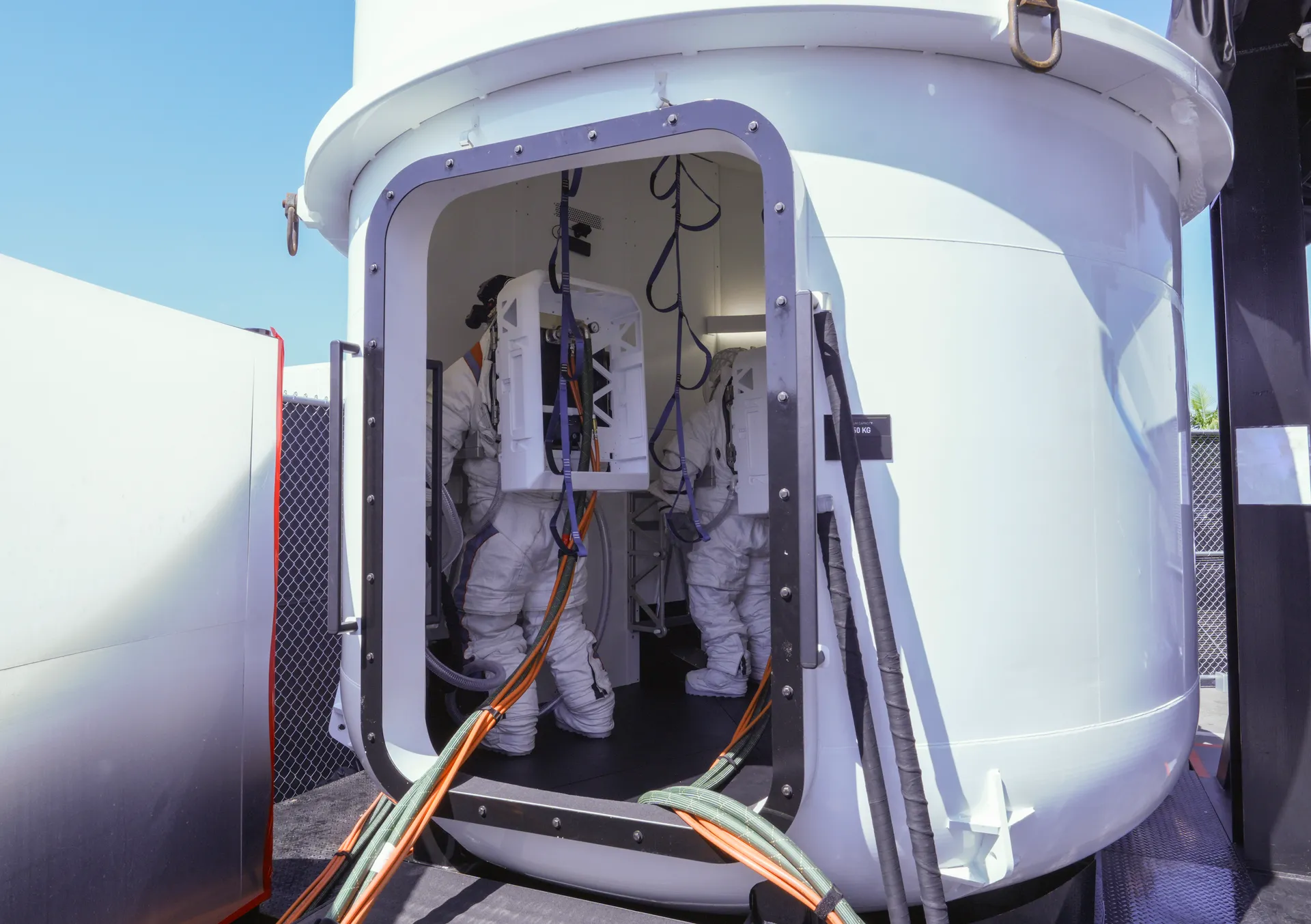
Artemis is not one spacecraft but a chain of them. A NASA rocket launches a NASA capsule; commercial landers built by SpaceX and Blue Origin carry the crew to the surface; and each lander has to be refilled with propellant in orbit before it can make the trip.
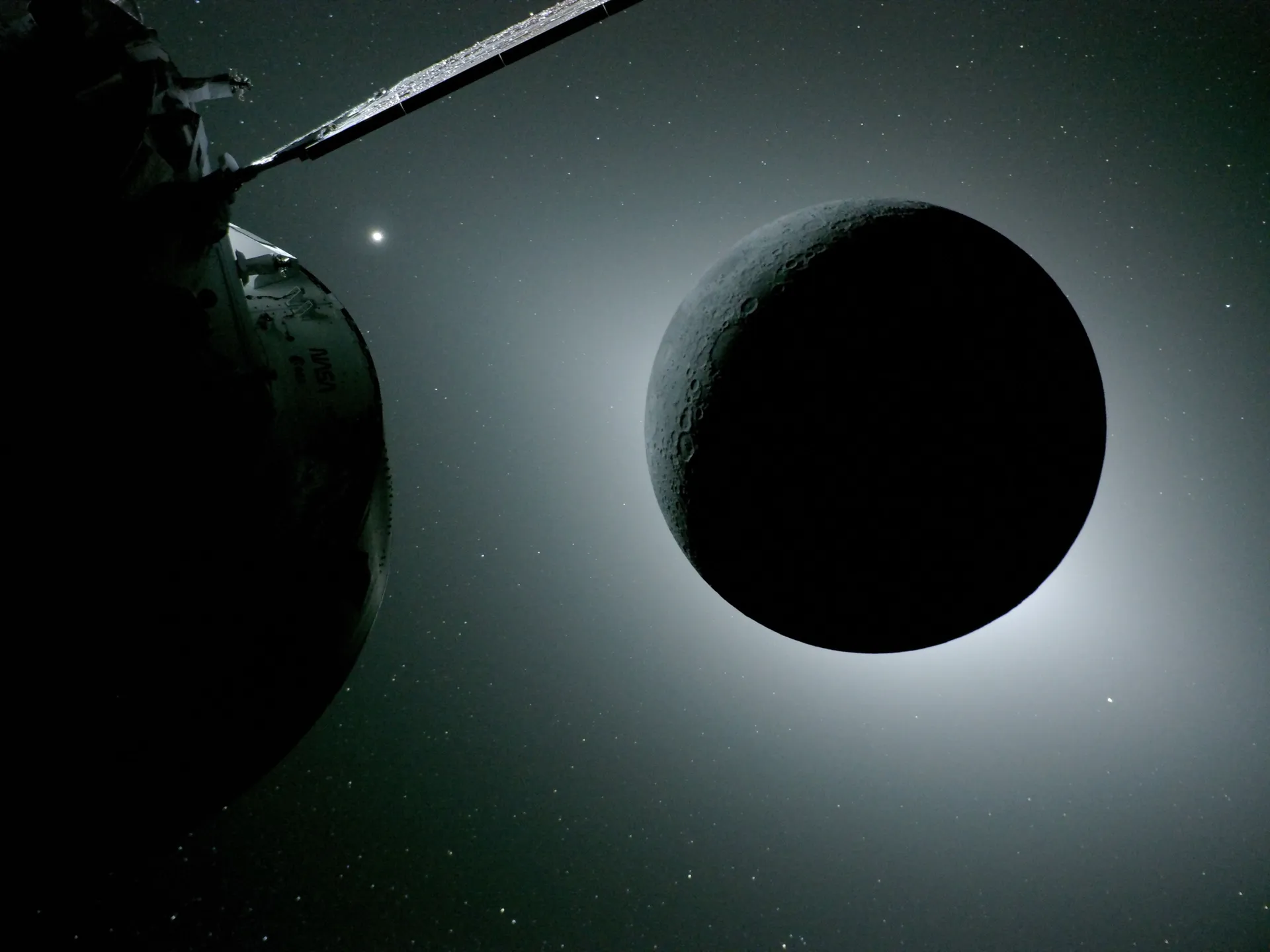
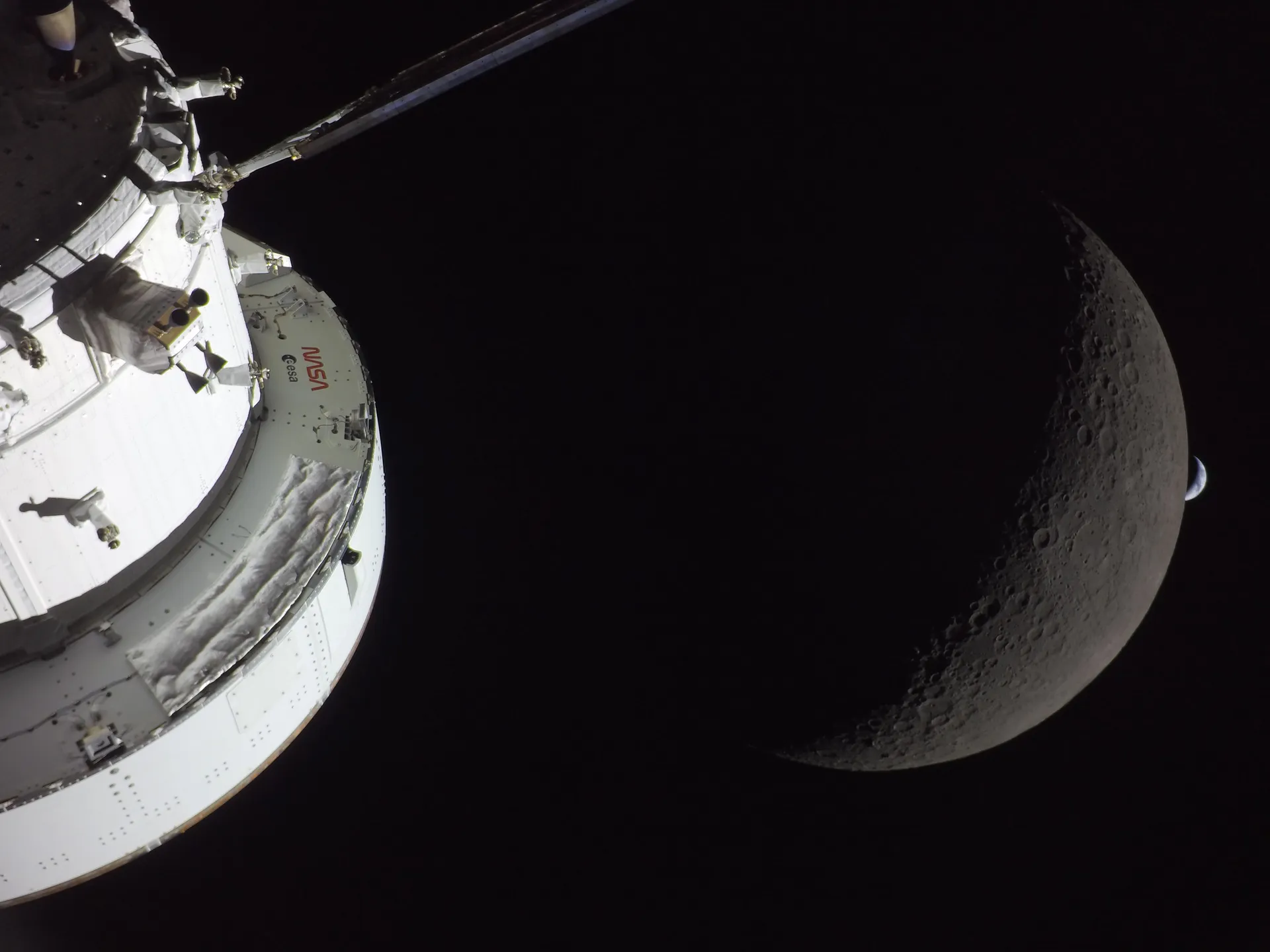
Artemis II carried four astronauts around the Moon in April 2026. After a restructuring in February 2026, the next mission rehearses docking with the landers in Earth orbit, and the first landing is planned for Artemis IV in 2028.
Begin with The Artemis plan- 1
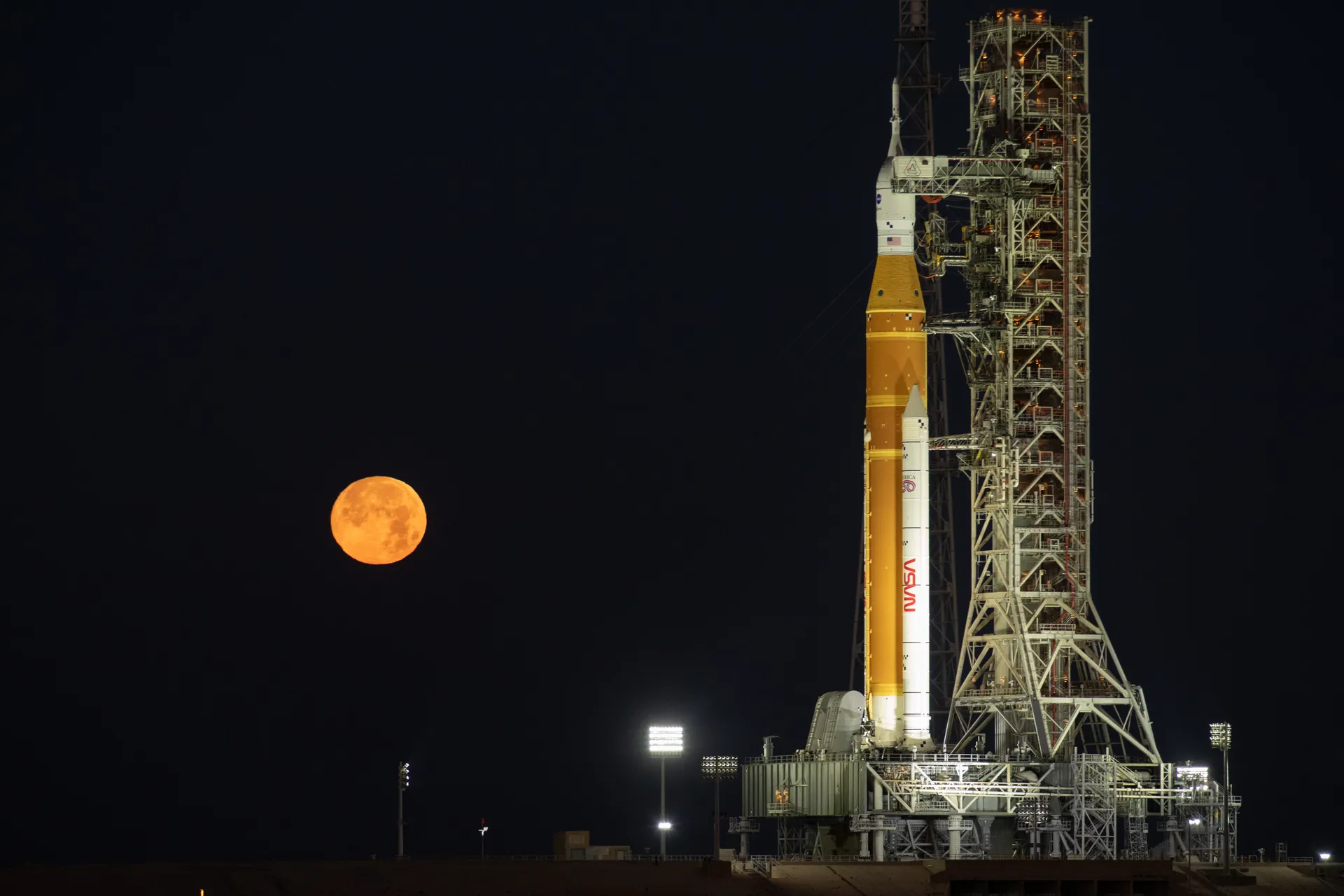
Artemis: how NASA’s plan to land on the Moon was built and rebuiltA rocket, a capsule, two commercial landers, new suits and propellant refilled in orbit: who builds each piece, what it costs, and how a 2024 landing became Artemis IV in 2028.
- 2
Artemis II: the first crewed flight around the Moon since 1972From April 1 to 10, 2026, four astronauts flew Orion around the far side of the Moon and farther from Earth than anyone before them. What the flight tested, day by day, and what NASA found afterward.
- 3
Orion: the capsule built to bring a crew home from the MoonLockheed Martin builds the capsule, Europe builds the module that keeps it alive, and its heat shield must survive a return at nearly 25,000 mph. How Orion was developed, how it works, and what its first crewed flight showed.
- 4
How SpaceX won NASA’s first Moon lander, and what it must still proveIn 2021 NASA chose a version of Starship, refueled in Earth orbit by a fleet of tankers, to land its astronauts. The contract is now worth about $4.5 billion; the refueling has not yet flown.
- 5
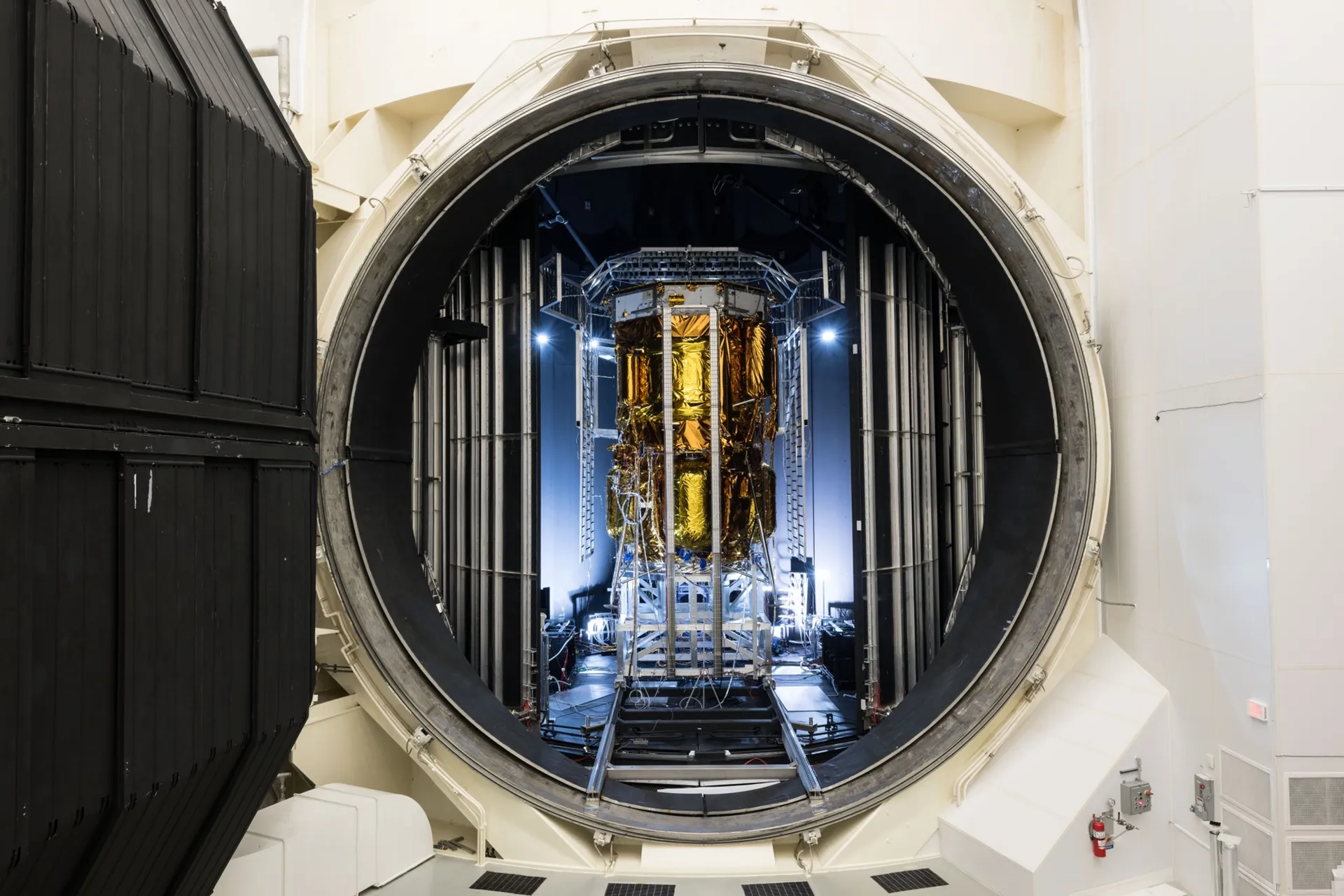
Blue Moon: NASA’s second crew lander and the cargo lander that goes firstIn May 2023 NASA awarded Blue Origin a $3.4 billion contract for a second way to land astronauts. The smaller robotic Blue Moon, Mark 1, is built and tested, and is waiting for New Glenn to fly again.
- 6
Refilling in orbit, the untested step both Moon landers depend onBoth of NASA’s crew landers reach the Moon only after tankers refill them in Earth orbit. Why that is, how the transfer is meant to work, why super-cold propellant fights back, and where the first test stands.
- 7
Gateway: a station for lunar orbit, paused while its first modules were being builtA small international station that was to circle the Moon once a week. Its power module was nearly built when NASA paused it in March 2026; the hardware is being turned to a nuclear Mars spacecraft and Moon Base tests.
- 8
NASA’s robotic Moon deliveries: four attempts, one lander uprightSince 2018 NASA has bought rides to the Moon for its instruments instead of building landers. Of four attempts so far, one landed upright. A $6 billion second round is meant to supply a Moon Base.