China in space, from Qian Xuesen’s missiles to the Moon’s far side
How a missile program begun in 1956 became a space station with permanent crews, the first landing and sample return on the Moon’s far side, a Mars rover, and a plan to land two astronauts on the Moon by 2030.
Drawn from 50 sources: China Manned Space Agency (5), NASA Space Science Data Coordinated Archive (4), Congressional Research Service (3), Xinhua (state news agency), via english.www.gov.cn (3) and 23 others. About 13 minutes. Checked November 9, 2026.
When the Congressional Research Service first surveyed China’s space program for Congress in 1998, it noted that the program’s history was “still shrouded in official secrecy.” Western accounts nonetheless agreed on one name: Qian Xuesen, also spelled Tsien Hsue-shen, as the father of the Chinese space program.1 Qian had spent twenty years in the United States and had helped found the laboratory that became NASA’s Jet Propulsion Laboratory. The rockets he went home to build put a Chinese satellite in orbit in 1970, an astronaut in orbit in 2003 and a spacecraft on the far side of the Moon in 2019.2,3
A Caltech professor sent home in 1955 became the founder of a missile program

Qian was recruited from the Massachusetts Institute of Technology and arrived at Caltech in 1936, where he joined Theodore von Kármán’s group and received his Ph.D. in 1939. In 1943 he and two colleagues drafted the first document to use the name “Jet Propulsion Laboratory,” and in 1949 he became Caltech’s Robert H. Goddard Professor of Jet Propulsion.2
During the second Red Scare, an answer on an immigration questionnaire and a 1938 Communist Party document were used to argue that he was a threat to national security; he had applied for citizenship in 1949 and never received it. For about five years, while the United States and China negotiated in secret, he lived under house arrest and surveillance. On August 4, 1955, the ban on his travel was lifted in exchange for the repatriation of American pilots captured in the Korean War, and he left Los Angeles aboard the liner President Cleveland.2
China’s missile and space program began with the Fifth Academy of the Ministry of National Defense, set up for missile research on October 8, 1956, a year to the day after Qian’s return; in February 1957 he was appointed its president.6 Qian led the missile program that built the Dongfeng ballistic missiles and, from them, the Long March space rockets. He died in Beijing in October 2009.2,3
Dongfanghong 1 broadcast a song from orbit in 1970
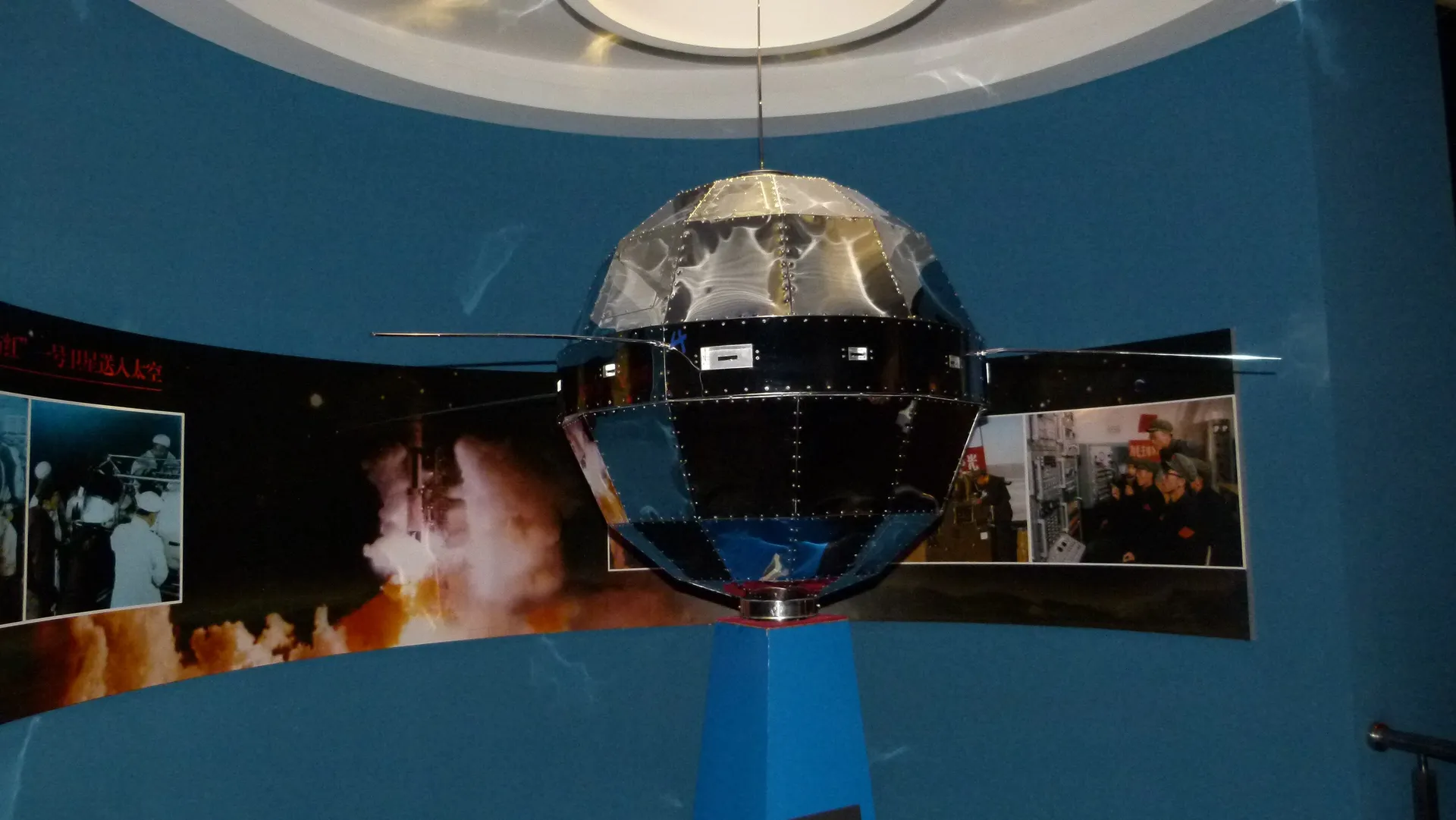
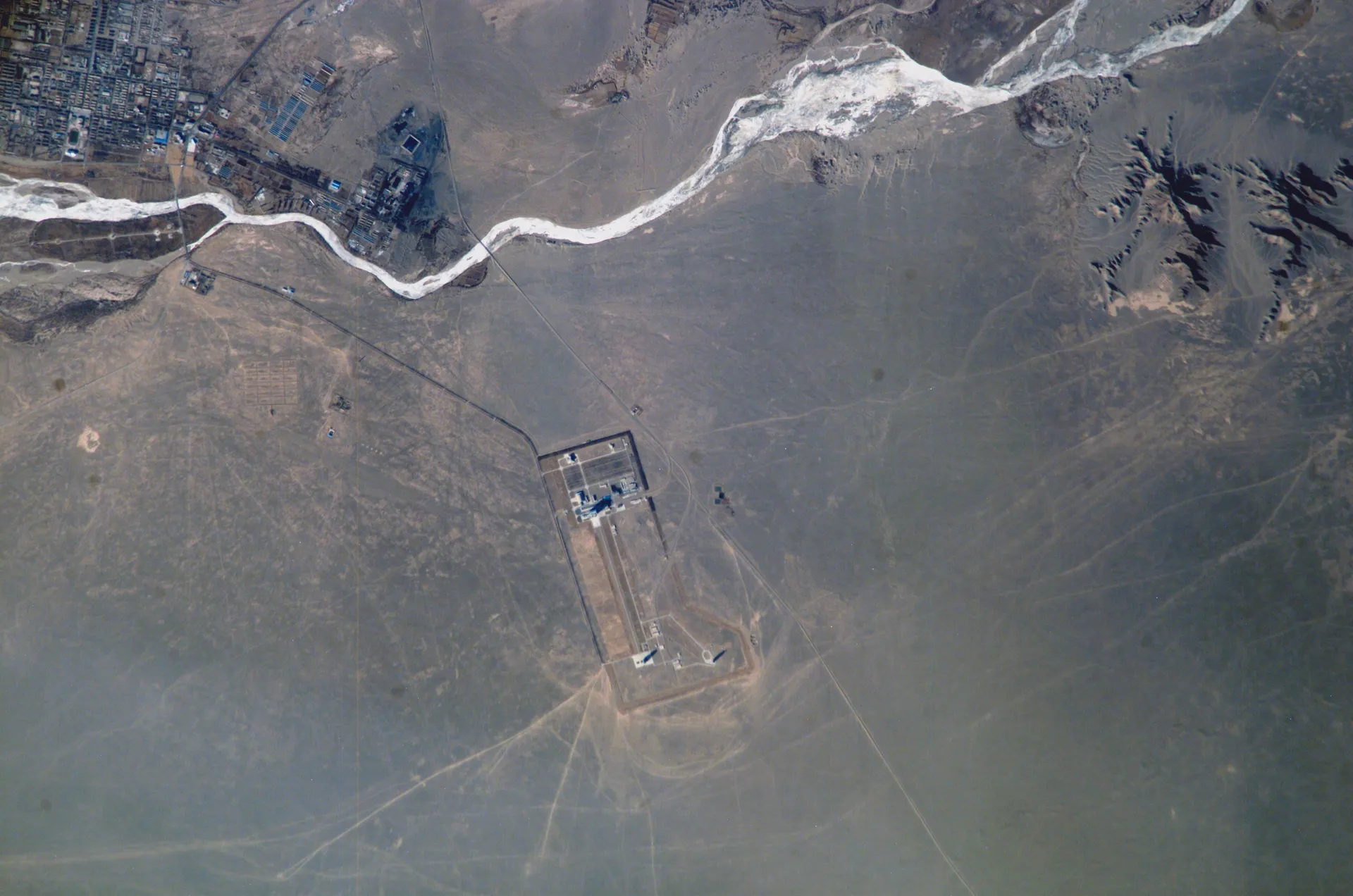
China’s first satellite, Dongfanghong 1, was launched on April 24, 1970, on a Long March 1 rocket from Jiuquan. It weighed 173 kilograms, and its radio broadcast the song “Dong Fang Hong” (“The East Is Red”), a tribute to Chairman Mao.7,8 With it China became the fifth nation to place a satellite in orbit on its own rocket, after the Soviet Union, the United States, France and Japan.9 The satellite is still in orbit.8
China also began a human spaceflight effort early: in 1979 and 1980 it even had astronauts in training, but the plans were postponed in the early 1980s.1 The Long March 3, introduced in 1984, added a cryogenic upper stage, and from 1986 China marketed its launches to foreign customers.1 By the end of October 2000 Long March rockets had made 63 launch attempts, seven of them failures.8
Launching American satellites, and the two failures that ended it
China’s first commercial launch of a U.S.-made satellite came in 1990, under export licenses first approved by the Reagan administration in 1988. By September 1998 China had launched 24 U.S.-built satellites, 20 of them successfully.1,4
Two of the failures were deadly. In January 1995 a Long March 2E exploded shortly after launch, and falling debris killed six people. In February 1996 a Long March 3B tipped over and crashed near the launch site; officially six people died, though Western observers believed the toll was higher.1 After allegations in 1997 involving the U.S. companies Loral and Hughes, licensing of communications satellite exports moved to the State Department in March 1999, and by 2005 no license for a launch on a Chinese rocket had been granted since.4
Project 921: a spacecraft, a laboratory, then a station
In September 1992 China’s leaders decided to carry out a crewed spaceflight program, known as Project 921. It was laid out in three steps: first launch crewed spacecraft; then master spacewalks and the rendezvous and docking of spacecraft; and finally build a space station.4,10 An earlier effort had been abandoned under economic pressure. Two Chinese specialists trained at Russia’s cosmonaut center at Star City in 1997, and the spacecraft design, Shenzhou, is patterned after Russia’s Soyuz, though China insists it was made entirely in China.4
The first Shenzhou flew without a crew in November 1999.8 Xinhua stated in 2005 that China had spent about 19 billion yuan, about $2 billion, on Shenzhou 1 through 5.4 China publishes no comprehensive space budget; Western estimates in the mid-2000s put its spending at $1.4 billion to $2.2 billion a year, with the caution that the figures cannot be compared directly with American space spending.4,5

After three more automated flights, China launched its first astronaut, People’s Liberation Army Lt. Col. Yang Liwei, aboard Shenzhou 5 on October 15, 2003. The flight lasted 21 hours and 23 minutes and made China the third country with independent human spaceflight.4 In September 2008 Shenzhou 7 carried the first three-person crew and made the first Chinese spacewalk.11
Tiangong: a station built for crews of three on six-month stays
The laboratory step took two small stations, Tiangong-1 in 2011 and Tiangong-2 in 2016, where crews stayed up to 30 days and China practiced docking and refueling in orbit; in 2012 the Shenzhou 9 crew became the first to board a Chinese station, and Liu Yang the first Chinese woman in space.11
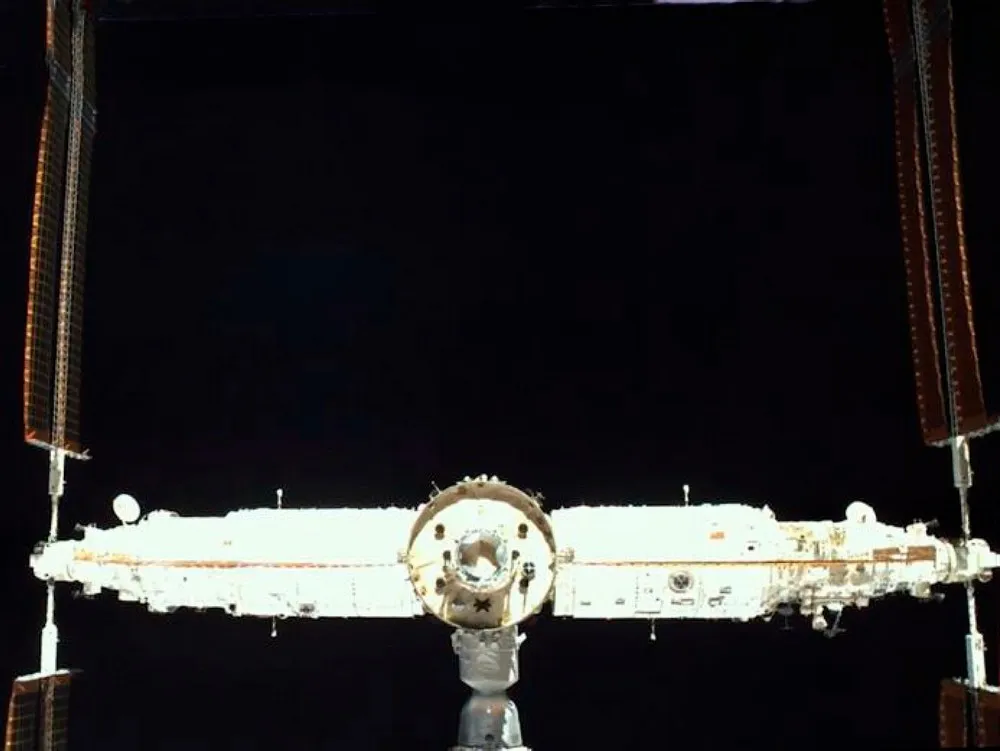
The station itself is three modules joined in a T: the Tianhe core module and two experiment modules, Wentian and Mengtian.10 Tianhe launched in April 2021, and the first crew, Shenzhou 12, arrived that June. Wentian followed in July 2022 and Mengtian on October 31, 2022, and since Shenzhou 15 in November 2022 crews have handed the station over to one another about every six months.11 In 2019 the first experiments from other countries were chosen to fly on it: six approved outright and three more conditionally, from institutions in 17 countries.3
The station’s first emergency came in November 2025. A day before the Shenzhou 20 crew was due to leave, a small crack turned up in one of their spacecraft’s windows, which China blamed on a suspected strike by space debris. The crew came home on November 14 in the newer Shenzhou 21 spacecraft, and China launched Shenzhou 22 with no one aboard as a replacement lifeboat for the crew still on the station.12 That crew landed at the Dongfeng site in Inner Mongolia in Shenzhou 22 on May 29, 2026, after 210 days aboard the station, the longest stay by a single Chinese crew.13
Shenzhou 23, the 17th crewed Shenzhou launch since Yang Liwei’s in 2003, relieved them.8 It launched from Jiuquan on May 24, 2026, with the first astronaut from Hong Kong in its crew; one of the three is to stay aboard for a year, a first for China.14 On November 7 the China Manned Space Agency announced that a Pakistani astronaut, one of two selected, will fly on Shenzhou 24 as a payload specialist, the first foreign astronaut on a Chinese mission, and come home in Shenzhou 23 after a short stay. As of November 9, 2026, Shenzhou 24 had not launched, and no date had been announced.8,15
The Moon program: orbit, land, return, then the far side
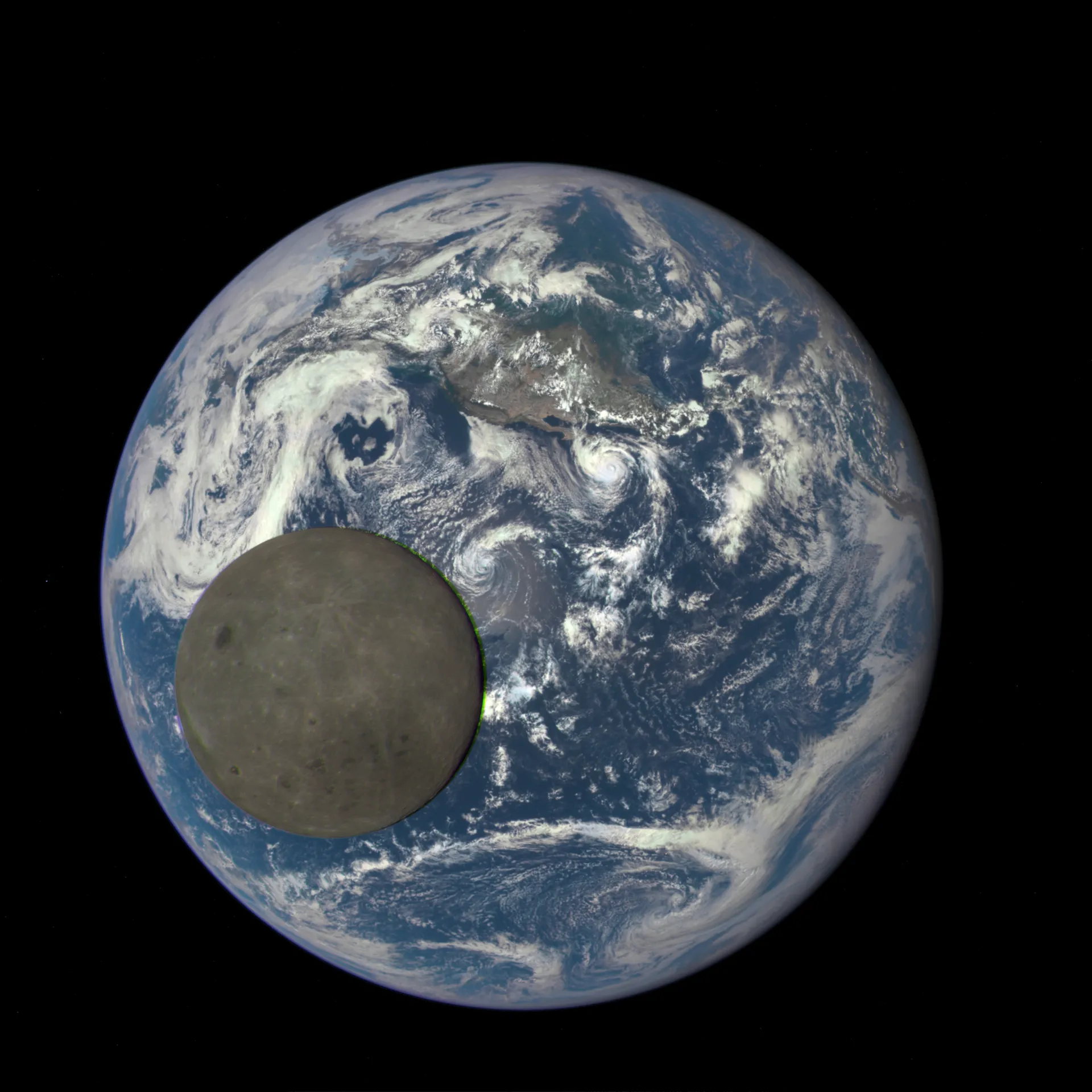
The far side of the Moon, never visible from Earth, crossing in front of the Earth as seen by NASA’s DSCOVR spacecraft from about a million miles away, 2015.
China launched its first lunar probe, the orbiter Chang’e 1, on October 24, 2007, to map the surface and its resources.5 The program was planned in stages, to demonstrate orbiting, soft landing and sample return before a station on the lunar surface.3 A second orbiter followed in 2010, and Chang’e 3 landed in 2013 with the Yutu rover.16
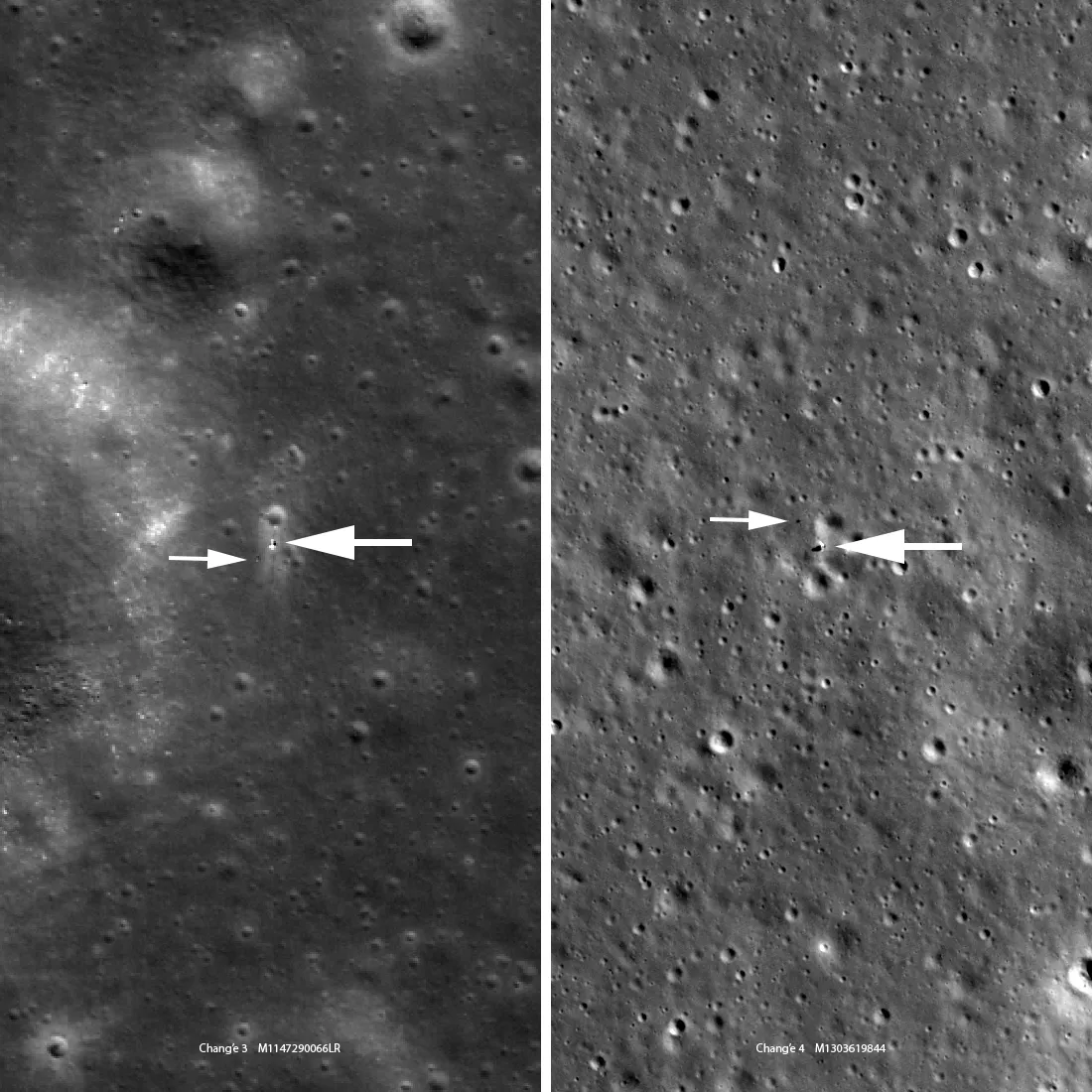
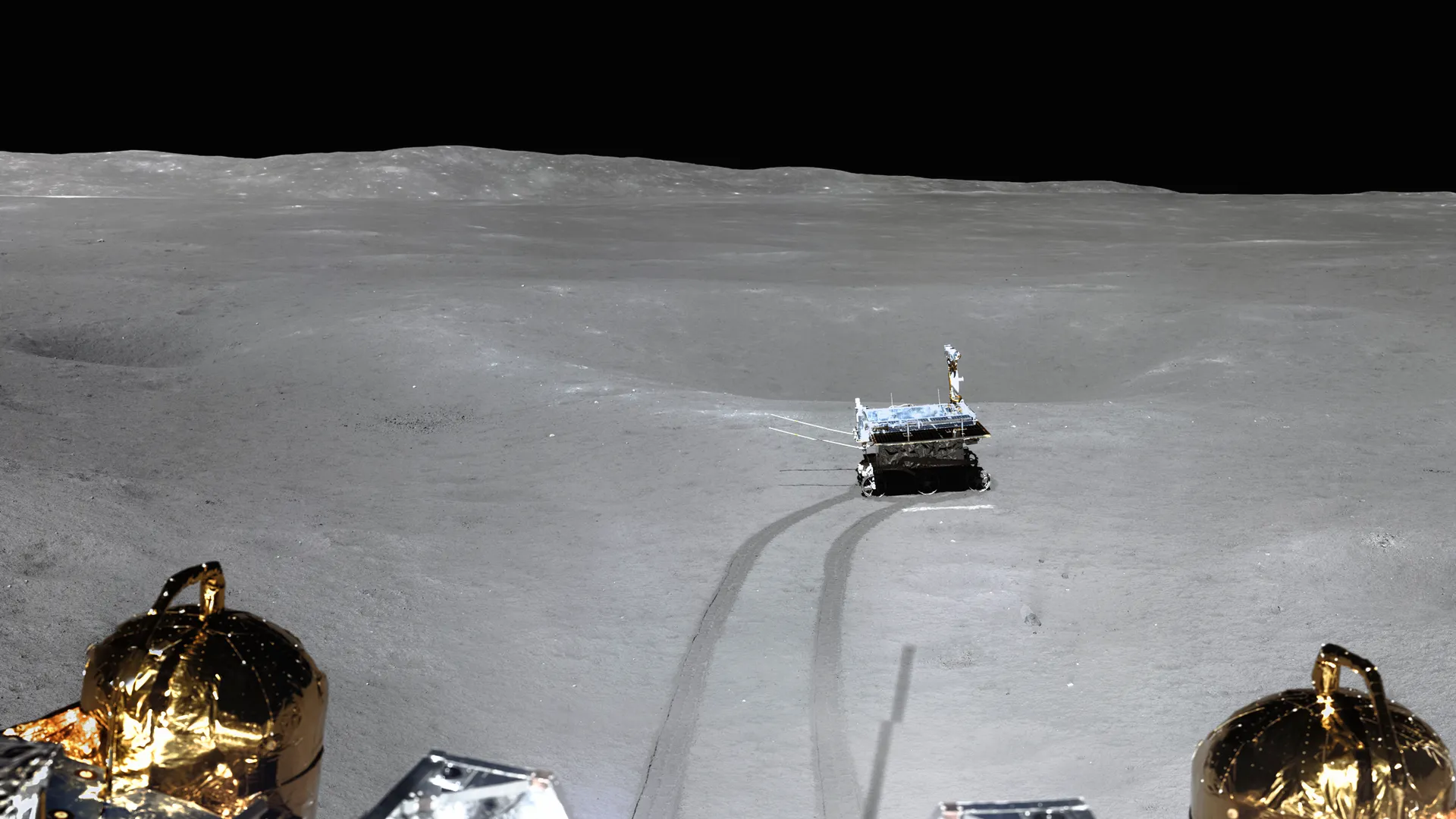
Chang’e 4 attempted something no spacecraft had done. Because the far side of the Moon never faces the Earth, a lander there cannot talk to the ground directly. On May 20, 2018, China launched a relay satellite, Queqiao, to a halo orbit around the Earth–Moon L2 point beyond the Moon. Chang’e 4 lifted off from Xichang on December 7, 2018, and on January 3, 2019, became the first spacecraft to make a controlled landing on the far side, in Von Kármán crater in the South Pole–Aitken basin. Its six-wheeled rover, Yutu-2, rolled onto the surface about 12 hours later.8,17 In September 2024 Chinese state television reported that Yutu-2 had completed its 71st lunar day and driven 1,613 meters, almost five years and nine months into a mission designed for three months; no later official report of its status had appeared by November 2026.18
Samples from the near side in 2020 and the far side in 2024
No sample had come back from the Moon since the Soviet Luna 24 in 1976.20 Chang’e 5 launched on a Long March 5 from Wenchang on Hainan Island on November 23, 2020, and was built of four modules: a lander, an ascender, an orbiter and a return capsule. The lander touched down near Mons Rümker in Oceanus Procellarum on December 1 and scooped and drilled 1.731 kilograms of regolith. The ascender lifted off on December 3 and docked with the orbiter in lunar orbit on December 5, the samples were moved into the return capsule, and the capsule skipped through the atmosphere and landed in Inner Mongolia on December 16.8,21
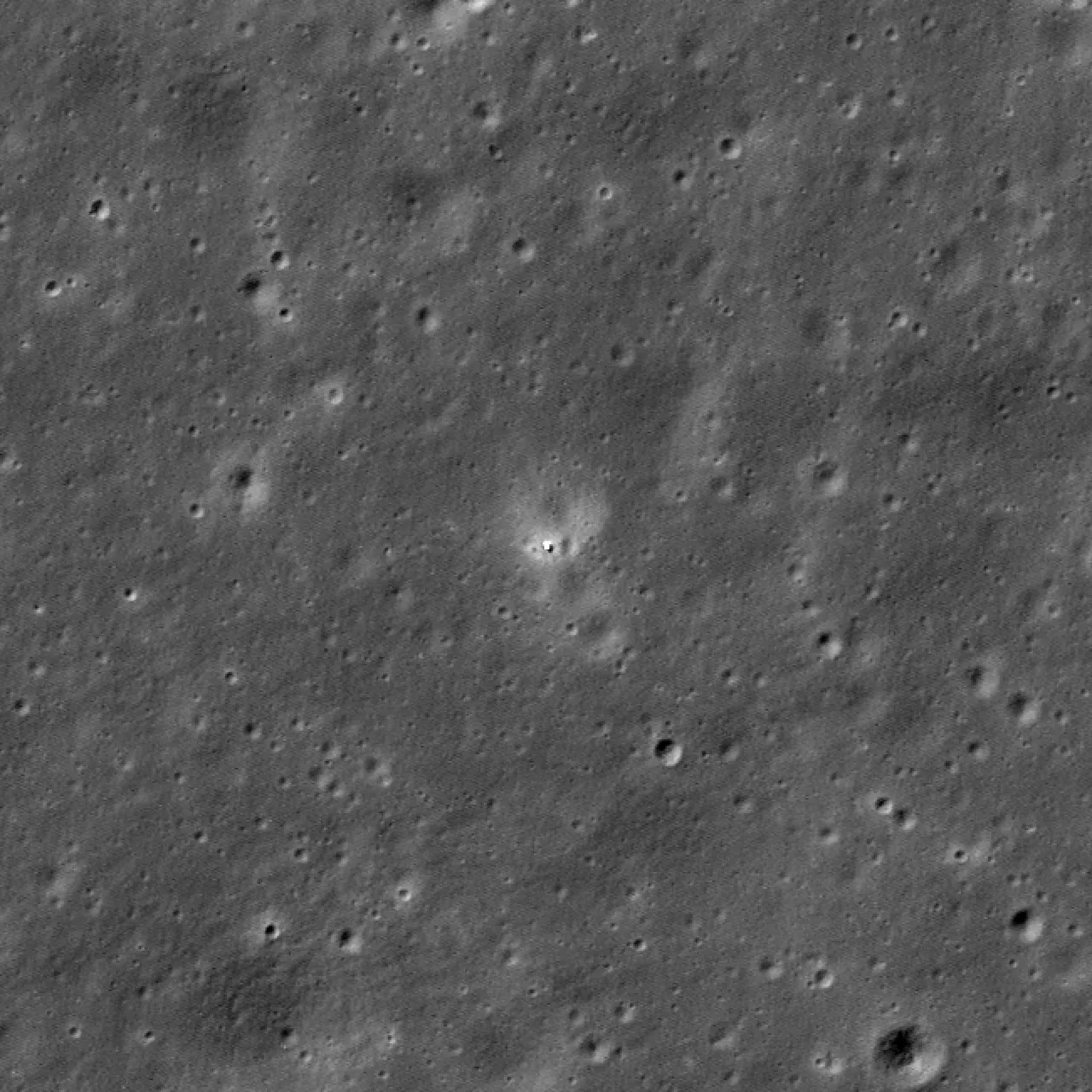
Chang’e 6, a backup of Chang’e 5, flew the same sequence on the far side, relaying through a new satellite, Queqiao-2.16 It launched on May 3, 2024, and landed on June 1 in the South Pole–Aitken basin.22 NASA’s LRO photographed it on June 7 on the rim of an eroded crater about 50 meters across, near the southern edge of the 492-kilometer Apollo basin, on basaltic lava that erupted roughly 3.1 billion years ago.23 The return capsule landed in Inner Mongolia on June 25, 2024, with 1,935.3 grams of material, the first samples ever collected from the far side.24
Chang’e 6 also carried foreign instruments. NILS, built by the Swedish Institute of Space Physics, was the first European Space Agency instrument to land on the Moon, and an ESA engineer called the mission “a first lunar cooperation with China.”22 China has invited foreign scientists to apply for the samples.24
Tianwen-1 orbited, landed and drove on Mars on its first attempt
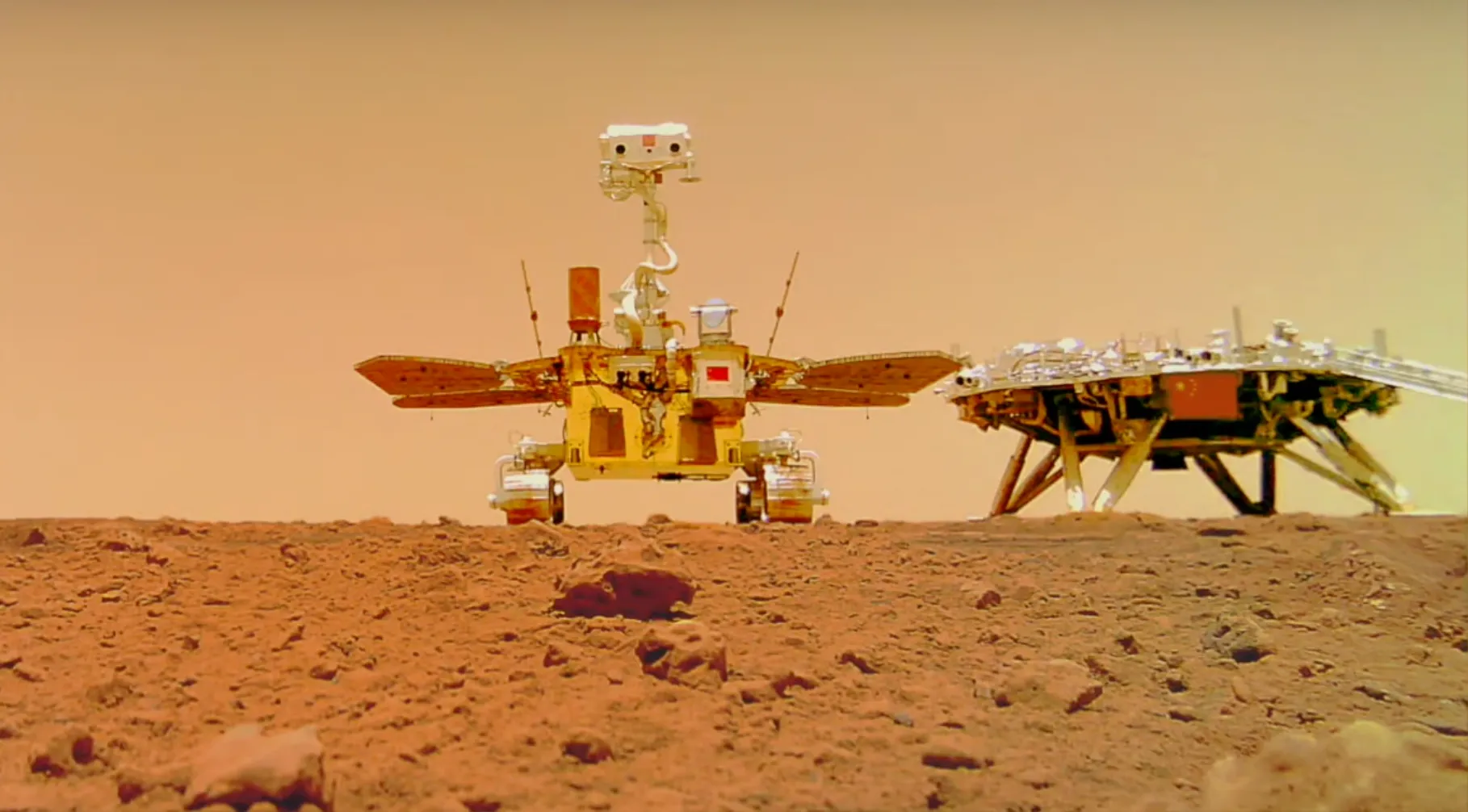
Tianwen-1 launched on July 23, 2020, entered Mars orbit on February 10, 2021, and set its lander down on May 14, 2021, in Utopia Planitia, the plain where NASA’s Viking 2 landed in the 1970s. No nation had attempted an orbiter, a lander and a rover on its first Mars mission, and before Zhurong only NASA had landed and operated spacecraft on Mars.25 The rover was named for a Chinese god of fire.27
Zhurong went into a planned hibernation in May 2022 and did not wake as planned in December; Chinese officials suspect that dust on its solar panels is blocking power generation.25
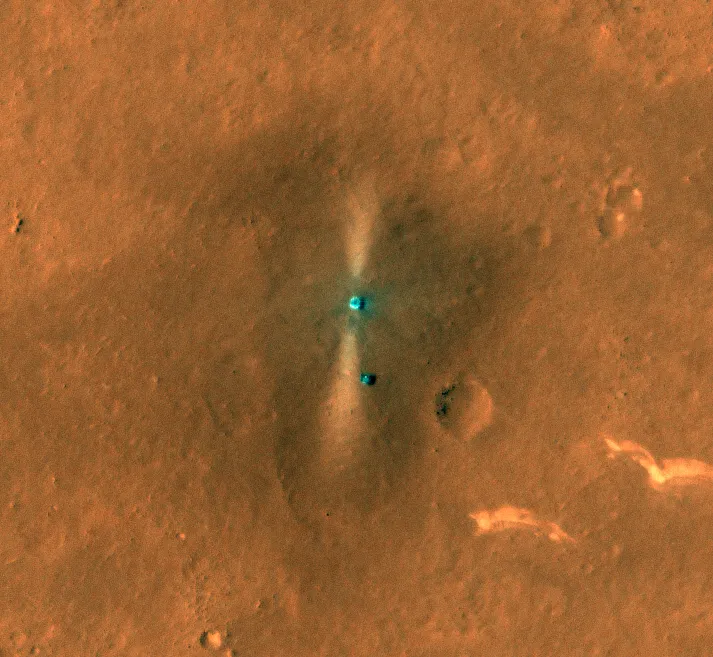
NASA’s HiRISE camera on the Mars Reconnaissance Orbiter photographed the site on June 6, 2021. The image shows what appears to be the lander surrounded by a blast pattern, the rover just to the south, and the parachute, backshell and heat shield nearby, on smooth, boulder-free terrain.26
The next mission, Tianwen-2, launched on May 28, 2025 (May 29 in Beijing), for the asteroid Kamoʻoalewa, and in July 2026 it closed to within 20 kilometers of it. It is to leave the asteroid in 2027 and return a sample capsule to China’s Gobi Desert in November 2027.8,28
Nineteen launches in 2012, ninety-two in 2025
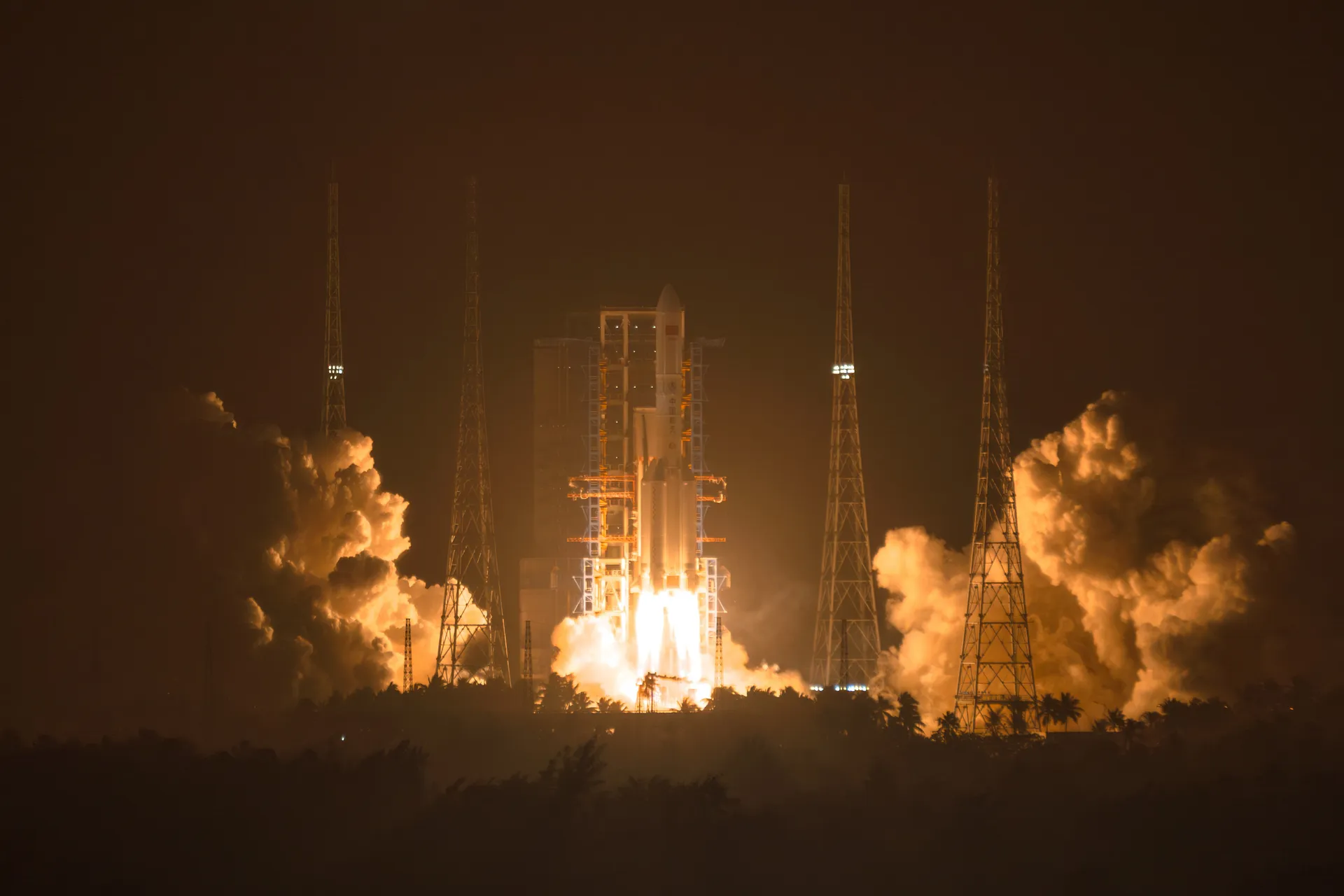
A Long March 5 lifts off from Wenchang on Hainan Island, February 23, 2024. The rocket launched Chang’e 5, Tianwen-1 and, in its 5B version, the Tiangong modules.
China’s orbital launch attempts rose from 19 in 2012 to 68 in 2024, 66 of them successful.8 The state contractor CASC, with 49 launches in 2024, was second only to SpaceX, which the U.S.–China Commission credited with 140.29 In 2025 China made 92 orbital launch attempts, a national record, and 90 of them succeeded; about a quarter flew on rockets from outside the Long March family, built by commercial companies and other state-owned groups, in a sector opened to non-state firms only in 2014.3,8
China’s satellite navigation system, BeiDou, reached full operational capability in 2020, and the U.S.–China Commission counted 49 operational BeiDou satellites in 2025. Like GPS, it is free to users, and China has also used it in foreign policy, granting Pakistan access to its restricted high-precision military signal under a 2013 agreement.3,29
Two astronauts on the Moon by 2030: Long March 10, Mengzhou and Lanyue
In July 2023 Zhang Hailian, deputy chief planner of the China Manned Space Agency, set out a plan to land astronauts on the Moon before 2030. Two Long March 10 rockets would launch from Wenchang, one with a lander and one with a crewed spacecraft, which would dock in lunar orbit. Two astronauts would take the lander, which weighs nearly 26 tons, to the surface with a 200-kilogram rover, then return to the waiting spacecraft for the trip home. The Long March 10 is designed to send 27 tons toward the Moon.30 In February 2024 the spacecraft was named Mengzhou, “dream vessel,” and the lander Lanyue, “embracing the Moon.”11
The hardware is being tested piece by piece. Mengzhou’s escape system flew a pad abort test in 2025, and in August 2025 Lanyue completed an integrated landing and takeoff test at a site in Hebei Province.31,32 On February 11, 2026, at Wenchang, China flew a low-altitude test of the Long March 10 with an abort of Mengzhou at maximum dynamic pressure; the rocket stage and the capsule both came down in the sea.33
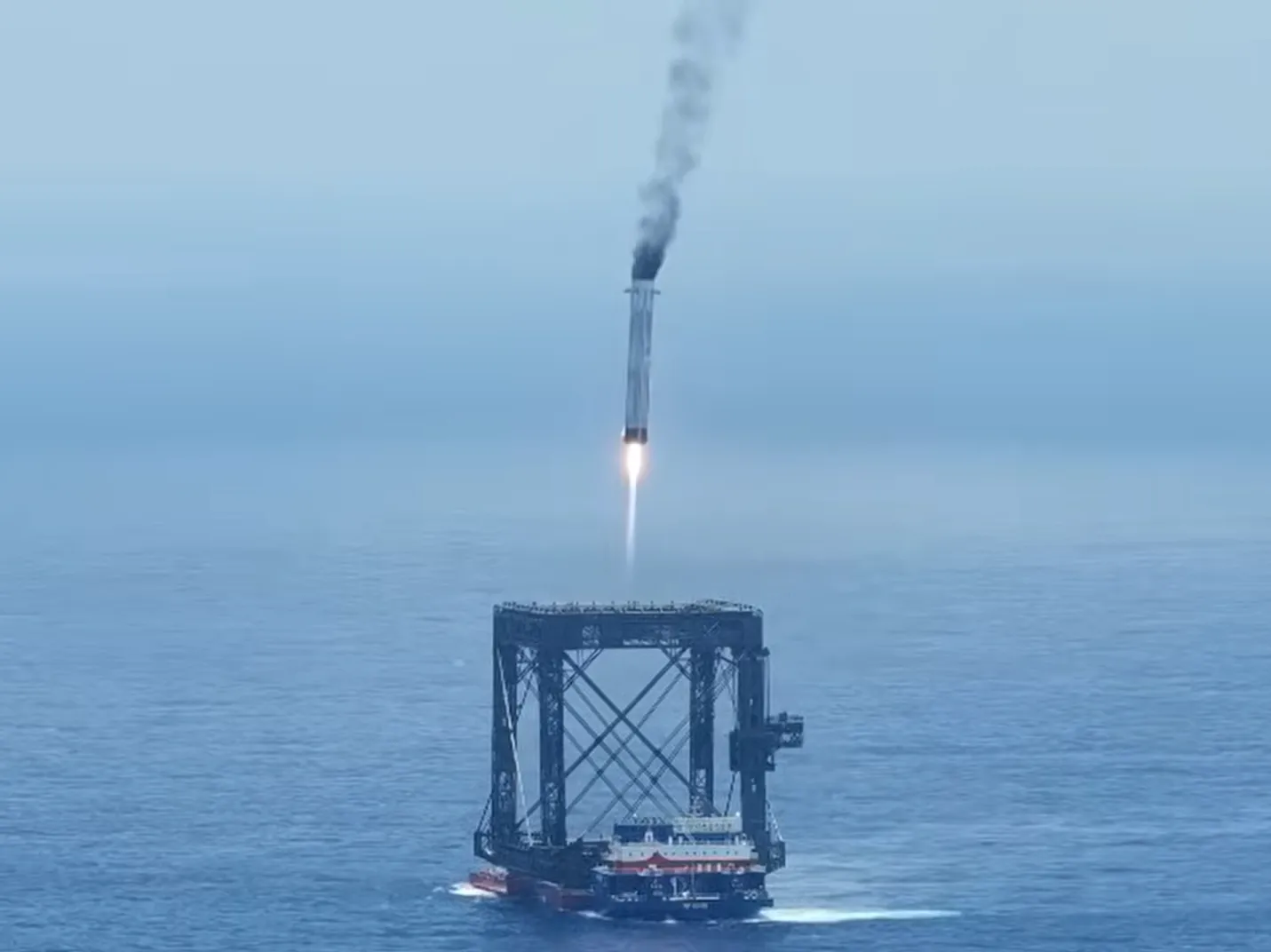
On July 10, 2026, the Long March 10B, a version for satellites, made its first flight from Hainan, and hooks on its first stage caught a net of cables on the recovery ship Linghangzhe in the South China Sea, China’s first recovery of an orbital booster.34,35 The next announced steps are a test flight of the full Long March 10 and the first flights of Mengzhou and Lanyue.36 On October 22 the China Manned Space Agency invited proposals for up to 50 kilograms of payloads on an uncrewed Lanyue flight planned before the crewed landing.49 As of November 9, 2026, none of these flights had taken place.8
The robotic missions point the same way. Chang’e 7, an orbiter, lander, rover and hopper, is to land at the edge of Shackleton crater near the south pole, where the hopper would jump from sunlit ground into permanently shadowed craters to look for water ice.37,39 It carries six instruments developed with Egypt, Bahrain, Italy, Russia, Switzerland, Thailand and the International Lunar Observatory Association.38 It was at Wenchang for an August 2026 launch on a Long March 5, but on August 23 Chinese officials said it did not meet the conditions for launch and could not fly in that window; they gave no new date, and reports put it in the first months of 2027.40,41 Chang’e 8, planned for 2028, is to test technologies for a lunar base.16
How China’s Moon dates have moved30
2019202520302036
First Chinese crewed lunar landing
- Said Nov 20192035 — mid-2030s
- Said Jul 20232030 — before 2030
Chang’e 7 launch
- Said Jul 20252026 — around 2026
- Said Aug 20262027 — early 2027, unofficial
Partners on the Moon, and a U.S. law against NASA cooperation
That base is the International Lunar Research Station. China and Russia signed an intergovernmental memorandum in March 2021, and in June 2021 their agencies presented a roadmap: reconnaissance from 2021, a site selected by 2025, construction from 2026 to 2035, and operations from 2036.42 By 2025 China described the goal as an operational station at the lunar south pole by 2035, with 17 countries and international organizations signed on, according to the U.S.–China Commission.29
NASA is not among the partners, by law. In 2011 a provision written by Representative Frank Wolf, who chaired the House appropriations subcommittee that funds NASA, went into the full-year appropriations act.43 It bars NASA from using its funds to “participate, collaborate, or coordinate bilaterally in any way with China or any Chinese-owned company.”44 The language has been renewed in NASA’s appropriations every year since.43,45 It is not a total ban: NASA may go ahead if, after consulting the FBI, it certifies to Congress at least 30 days in advance that an activity poses no risk of transferring technology or data with security implications and involves no knowing contact with officials tied to human-rights abuses.45 A 2025 House bill named for Wolf would make the restriction permanent.46
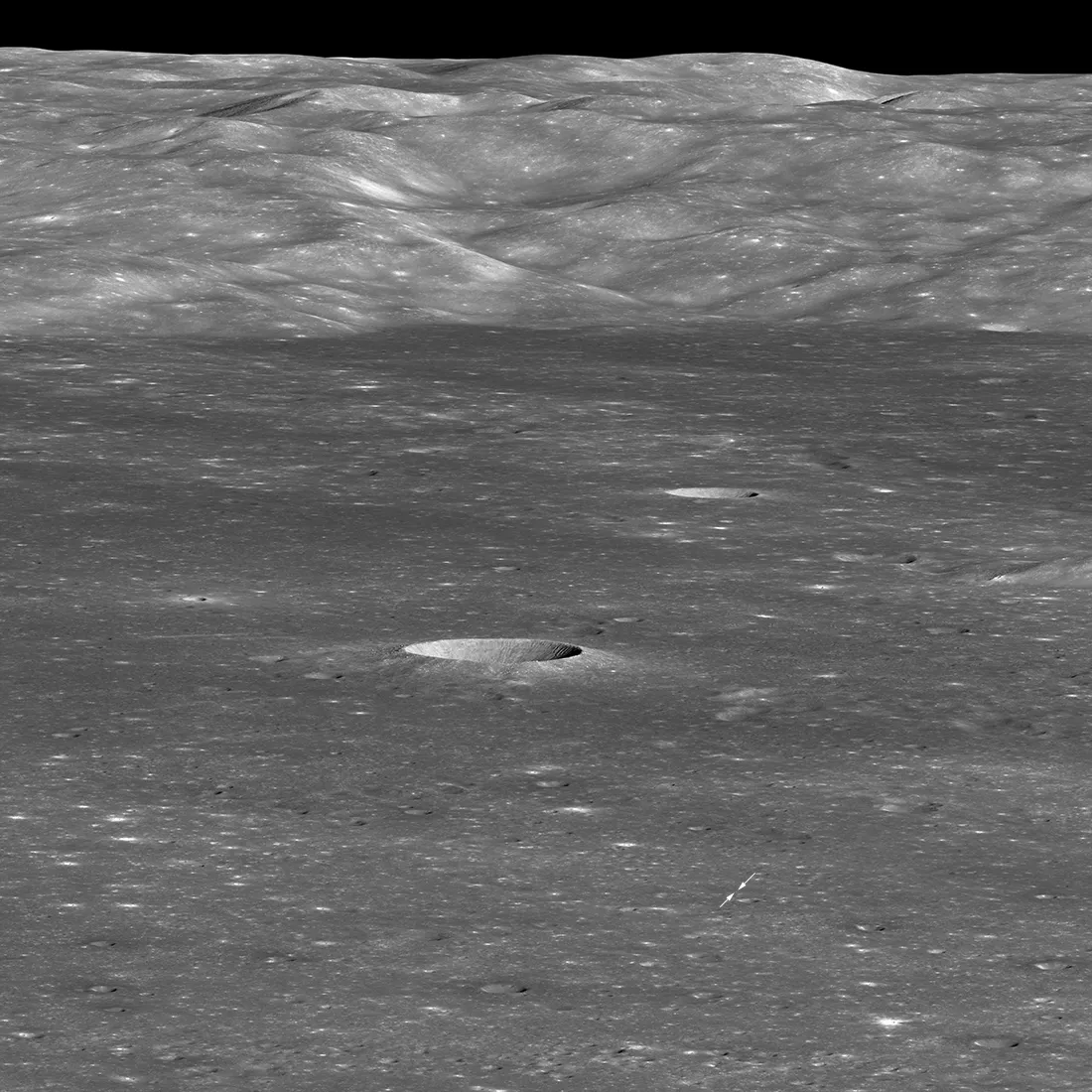
Within those limits, contact has continued. Before the Chang’e 4 landing, China and NASA exchanged information: NASA described the orbit of its Lunar Reconnaissance Orbiter, and China gave the time and coordinates of the intended landing.47 On January 30, 2019, from 330 kilometers away, LRO tilted to look west across the floor of Von Kármán toward the crater’s wall, which rises more than 3,000 meters. At that distance the lander is only about two pixels wide.48 A closer view released in February resolved both the lander and the rover.19
NASA also shared the International Docking System Standard with China so that U.S. and Chinese spacecraft could be compatible in an emergency.3 In November 2023 NASA allowed researchers it funds to apply for Chang’e 5 samples, from regions of the Moon NASA had not sampled.50 There have been setbacks too: in September 2006 NASA Administrator Michael Griffin made a “get acquainted” visit to China, and on January 11, 2007, China destroyed one of its own weather satellites in an anti-satellite test that left debris threatening the satellites of more than two dozen countries and appears to have halted the visit’s momentum.5
The CRS described China’s program in 2005 as having no government-to-government cooperation with the United States and only low-level scientific exchanges with NASA.4 Twenty years later that is still the arrangement, while NASA’s orbiters photograph China’s landing sites and both countries’ lunar plans center on the region around the Moon’s south pole.29
Sources
The text above is drawn from these 50 sources. Government works are adapted closely; company and press material is summarized. Numbers in the text point here. Last checked November 9, 2026.
Show all 50 sourcesShow fewer
- 1Back to the text
- 2Back to the text
- 3Back to the text
- 4Back to the text
- 5Back to the text
- 6Back to the text
- 7Back to the text
- 8Back to the text
- 9Back to the text
- 10Back to the text
- 11Back to the text
- 12Back to the text
- 13Back to the text
- 14Back to the text
- 15Back to the text
- 16Back to the text
- 17Back to the text
- 18Back to the text
- 19Back to the text
- 20Back to the text
- 21Back to the text
- 22Back to the text
- 23Back to the text
- 24Back to the text
- 25Back to the text
- 26Back to the text
- 27Back to the text
- 28Back to the text
- 29Back to the text
- 30Back to the text
- 31Back to the text
- 32Back to the text
- 33Back to the text
- 34Back to the text
- 35Back to the text
- 36Back to the text
- 37China’s Chang’e 7 moon probe will launch this weekend on the most ambitious lunar mission in historyBack to the text
- 38Back to the text
- 39Back to the text
- 40Back to the text
- 41Back to the text
- 42Back to the text
- 43Back to the text
- 44Back to the text
- 45Back to the text
- 46Back to the text
- 47Back to the text
- 48Back to the text
- 49Back to the text
- 50Back to the text
Continue
Related stories
- The Space RaceFrom the V-2 engineers both powers took home in 1945 to the Apollo–Soyuz handshake in 1975: the ICBMs behind the first satellites, the decisions in Moscow and Washington, what American intelligence saw, and how the race wound down.
- The Soviet programFrom Korolev’s missile bureau to Energia–Buran, the Soviet Union took most of the early firsts with a program run by competing design bureaus, hidden behind anonymous names, and built around a Moon rocket that never flew successfully.
- Salyut, Mir and RussiaThe Soviet Union flew the first space station in 1971 and kept people in orbit for a decade on Mir.