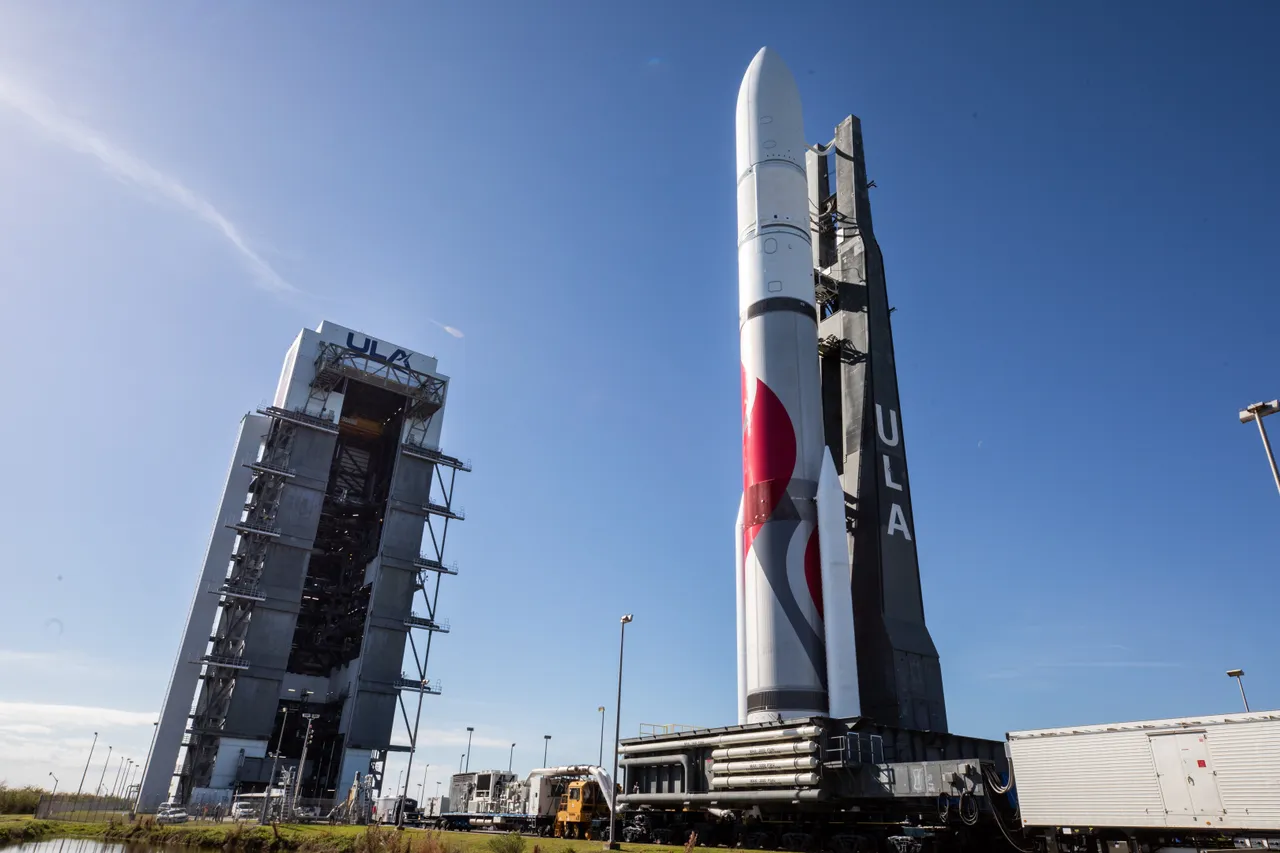
Vulcan Centaur
United Launch Alliance’s successor to Atlas V, powered by the same BE-4 engines as New Glenn.
- Status
- Paused
- First flight
- 2024
- January 8
- Height
- 61.6 m
- 202 ft
- Diameter
- 5.4 m
- 18 ft
- Built by
- ULA, Blue Origin, Northrop Grumman
- 4
- flights, January 2024–February 2026
- Feb 12, 2026
- last launch; grounded since a solid-booster anomaly on that flight (as of November 9, 2026; return to flight set for November 13)
- 2
- solid-booster anomalies in four flights (October 2024 and February 2026)
Vulcan Centaur is United Launch Alliance’s replacement for Atlas V. ULA, the Boeing–Lockheed Martin venture formed in 2006, needed a new first-stage engine: after Russia threatened in 2014 to stop delivering the RD-180 that powers Atlas V, Congress capped the number that could be used for national-security launches and set the end of 2022 as a deadline. In September 2018 ULA chose Blue Origin’s BE-4, which burns liquid methane and liquid oxygen, and said Vulcan was on track for a first flight in mid-2020. The 5.4-meter core stage carries two BE-4s, up to six Northrop Grumman GEM 63XL solid boosters can be strapped around it, and the Centaur V upper stage burns liquid hydrogen in two RL10 engines.
Vulcan first flew on January 8, 2024, launching Astrobotic’s Peregrine lander with NASA instruments aboard; a propulsion problem on the lander, not the rocket, kept it from landing on the Moon. On its second flight, in October 2024, a solid booster lost part of its nozzle, but the rocket still reached its planned orbit; in March 2025 the Space Force certified Vulcan for national-security launches, and its first such mission, USSF-106, flew on August 12, 2025. On February 12, 2026, during the USSF-87 launch, a booster nozzle failed again. The payload was delivered, but the Space Force stopped launching its missions on Vulcan until the problem was solved.
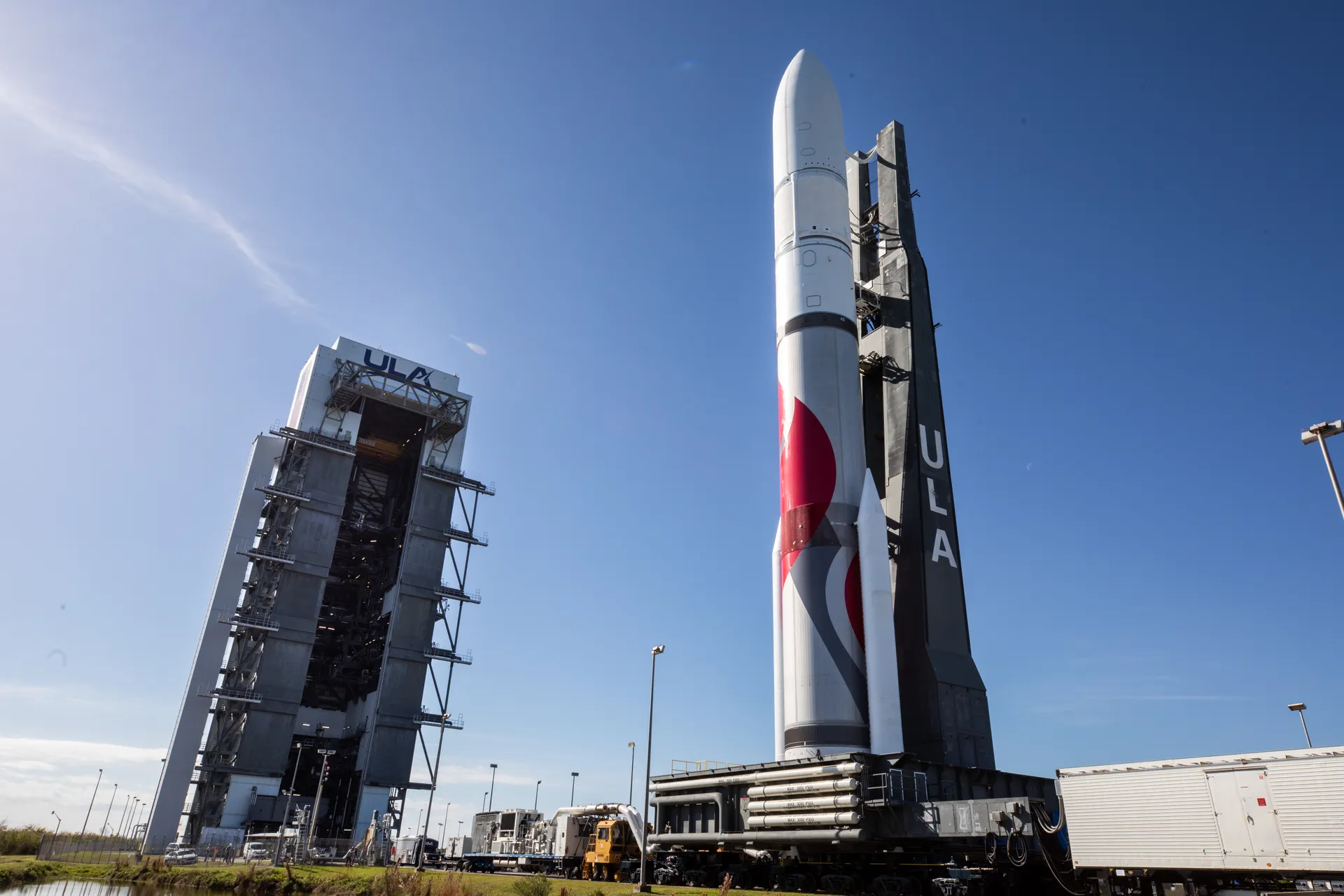
As of November 9, 2026, Vulcan had flown four times, the last on February 12. On October 28 ULA said it had found several possible causes of the nozzle failures and dealt with them through design and process changes, and it set the return to flight for November 13: Vulcan Leo 1, carrying 40 Amazon Leo internet satellites on the first Vulcan with six solid boosters, all with the improved nozzle. By then the Space Force had moved several of its missions from Vulcan to SpaceX, among them the last GPS III satellite, and it said it would study data from Vulcan’s commercial flights before launching military satellites on it again. NASA has plans for Vulcan too: it intends to certify the rocket to launch Boeing’s Starliner after the last Atlas V, and in October 2026 ULA said it was working with NASA on a stretched Centaur V, holding about 50 percent more propellant, as an upper stage for the Space Launch System, for a 2028 Artemis launch.
Where Vulcan Centaur appears in the atlas
Sources
- 1
- 2
- 3
- 4
- 5
- 6
- 7
- 8
- 9
- 10
- 11
- 12