SpaceX
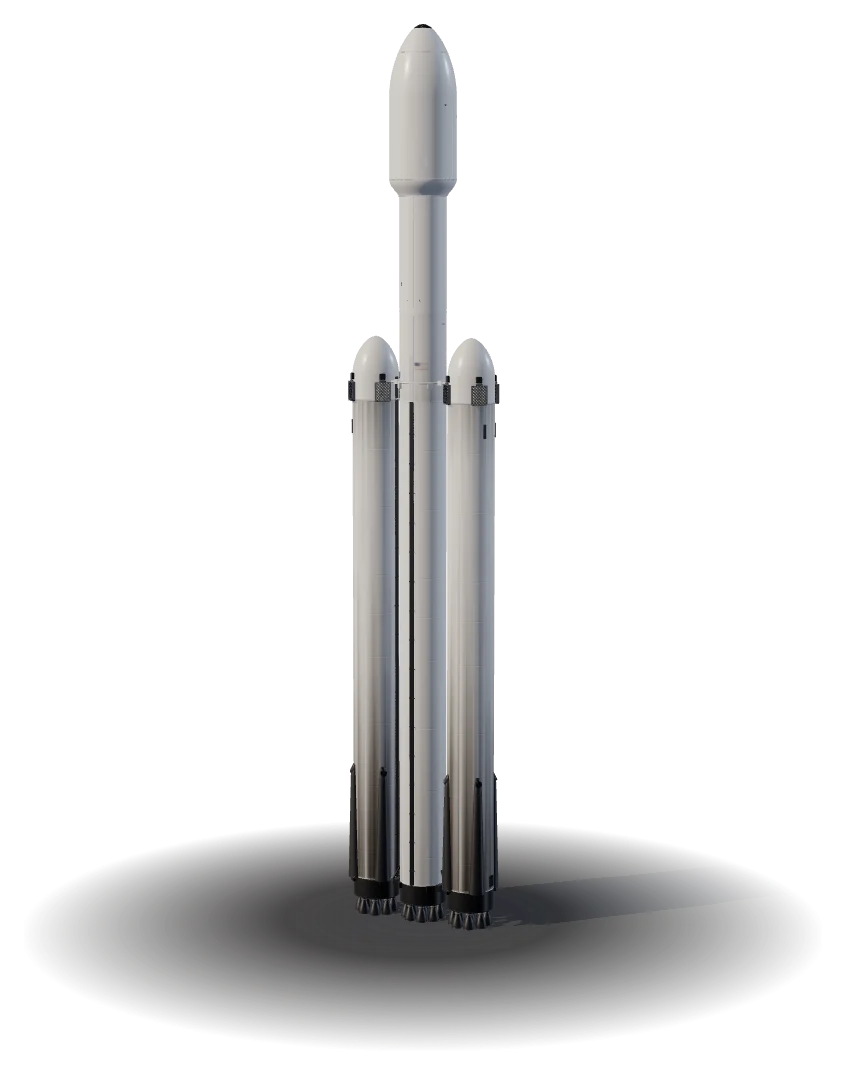
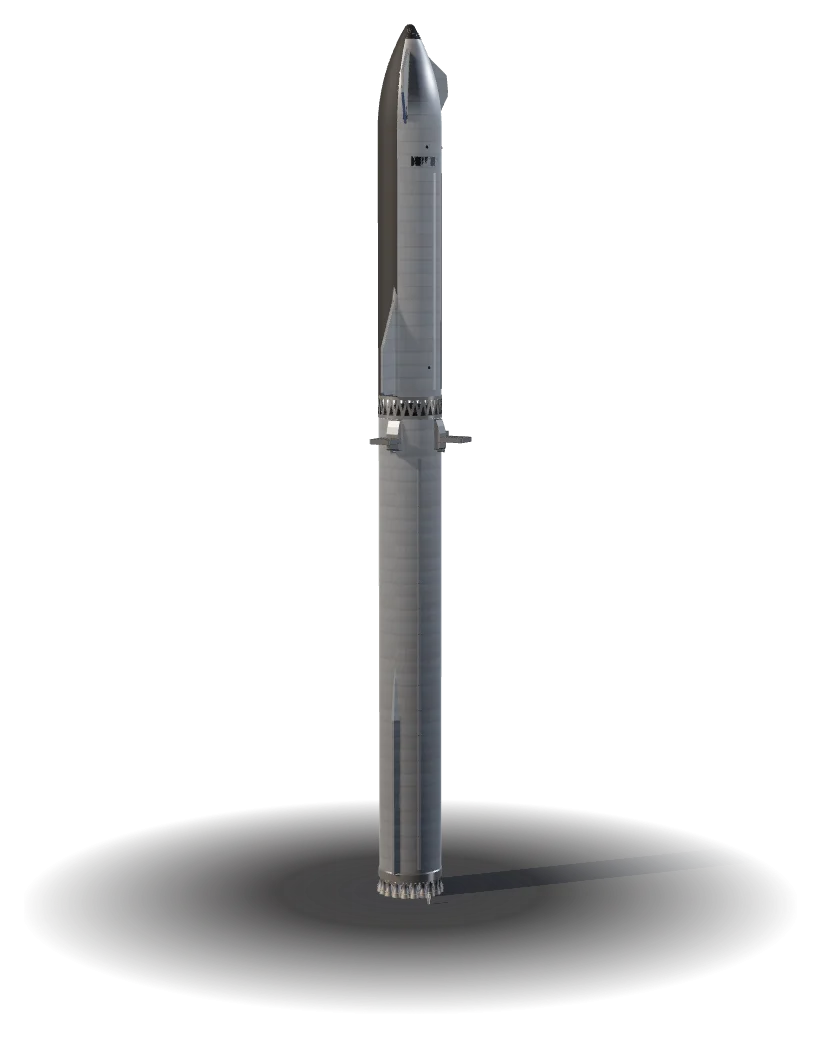
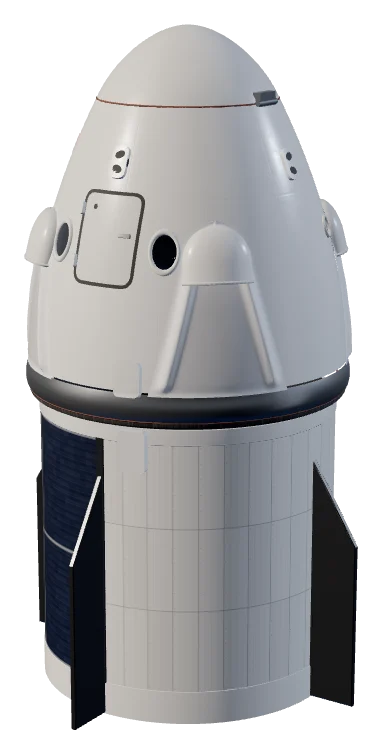
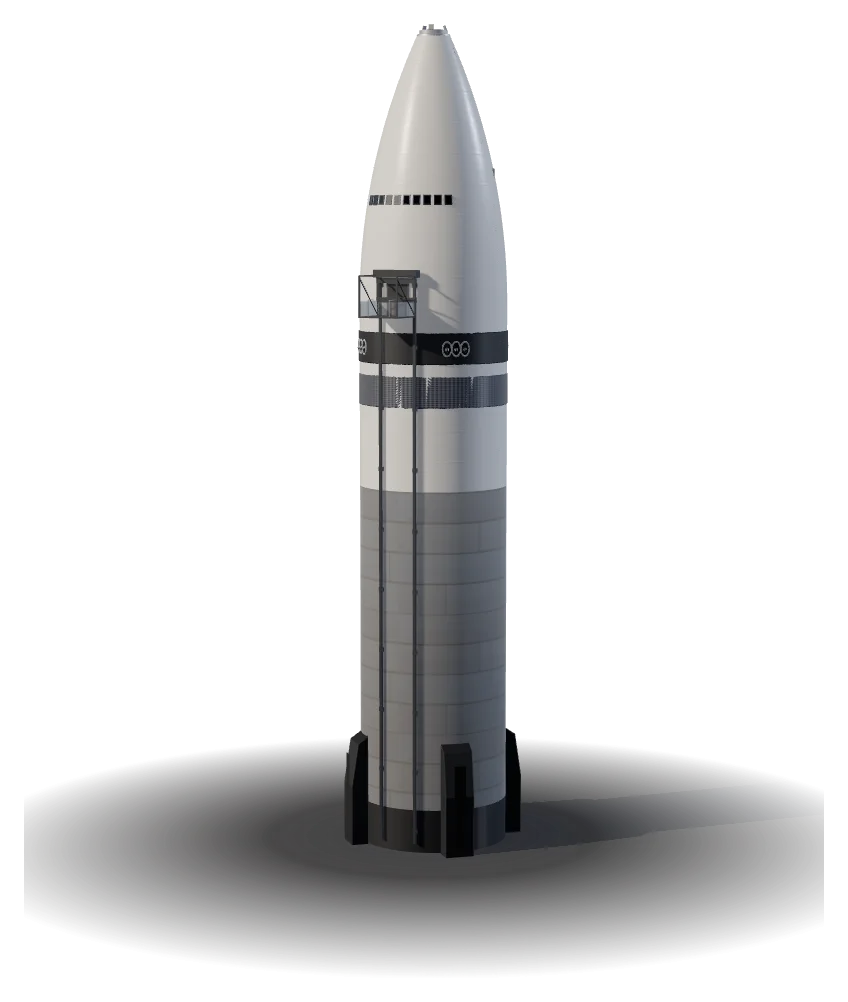
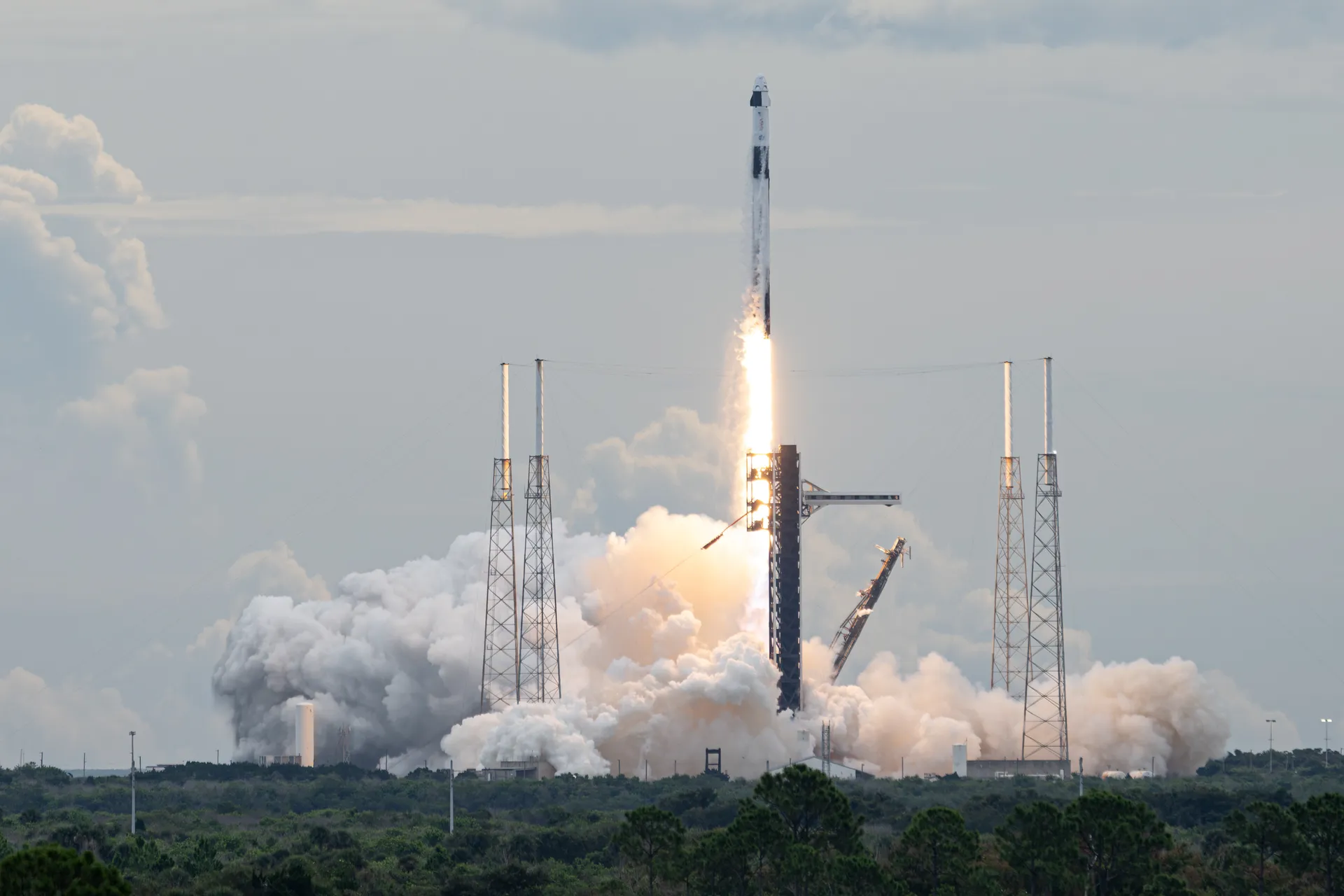
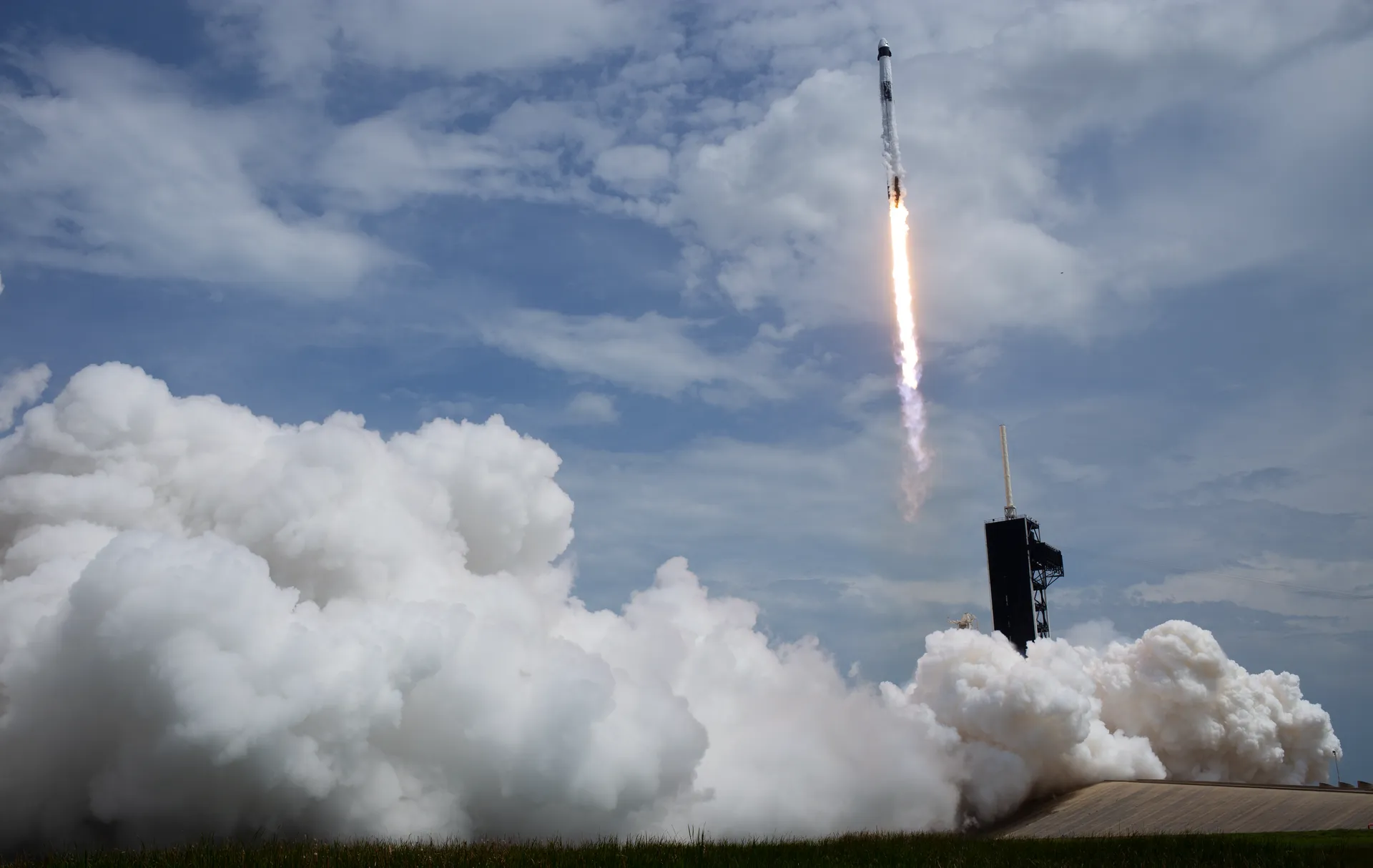
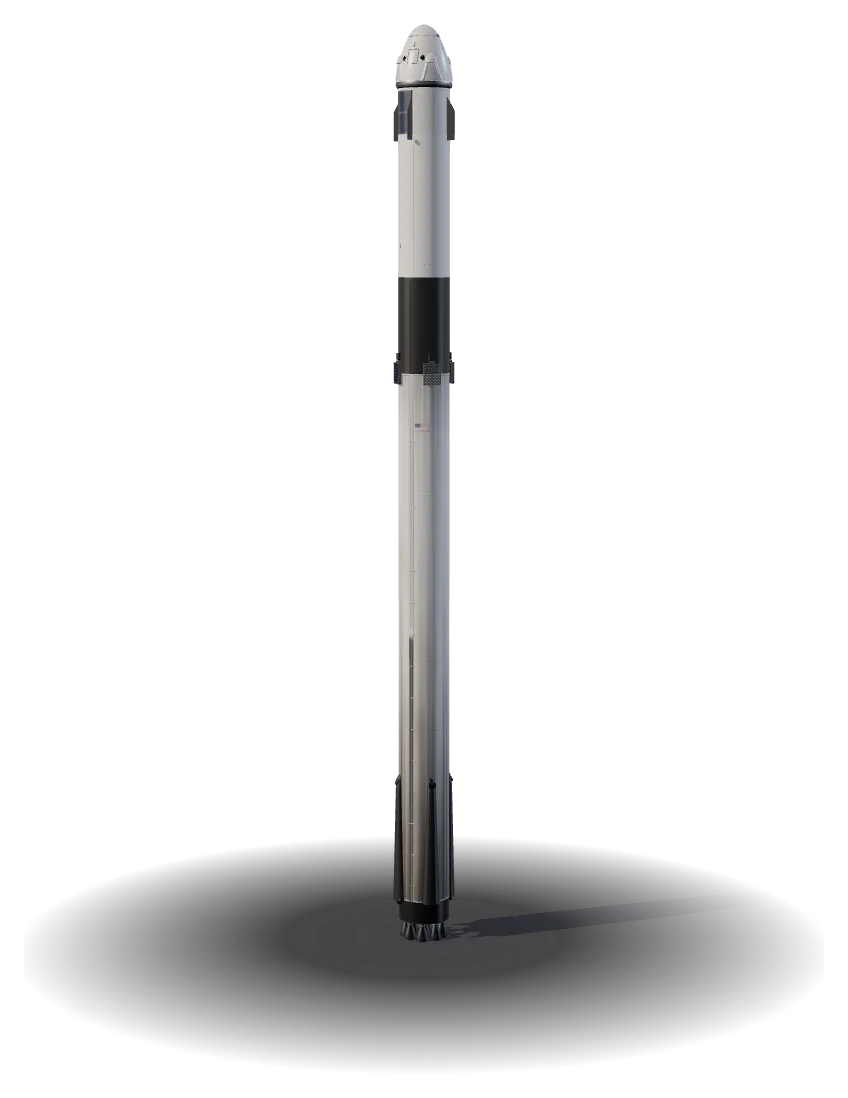
Launches most of the mass sent to orbit worldwide on its Falcon rockets, flies NASA’s crews in Dragon, and is building Starship, one of the two landers for Artemis.
- Founded
- 2002
- Headquarters
- Starbase, Texas
- Machines in the atlas
- 6
SpaceX was founded by Elon Musk in 2002. NASA money arrived early: under a 2006 Commercial Orbital Transportation Services agreement NASA paid the company $396 million toward Falcon 9 and Dragon, alongside about $454 million of SpaceX’s own, and a December 2008 contract bought 12 cargo flights to the Space Station for $1.6 billion. In 2026 SpaceX bought xAI, Musk’s artificial-intelligence company, and in June it became a public company.
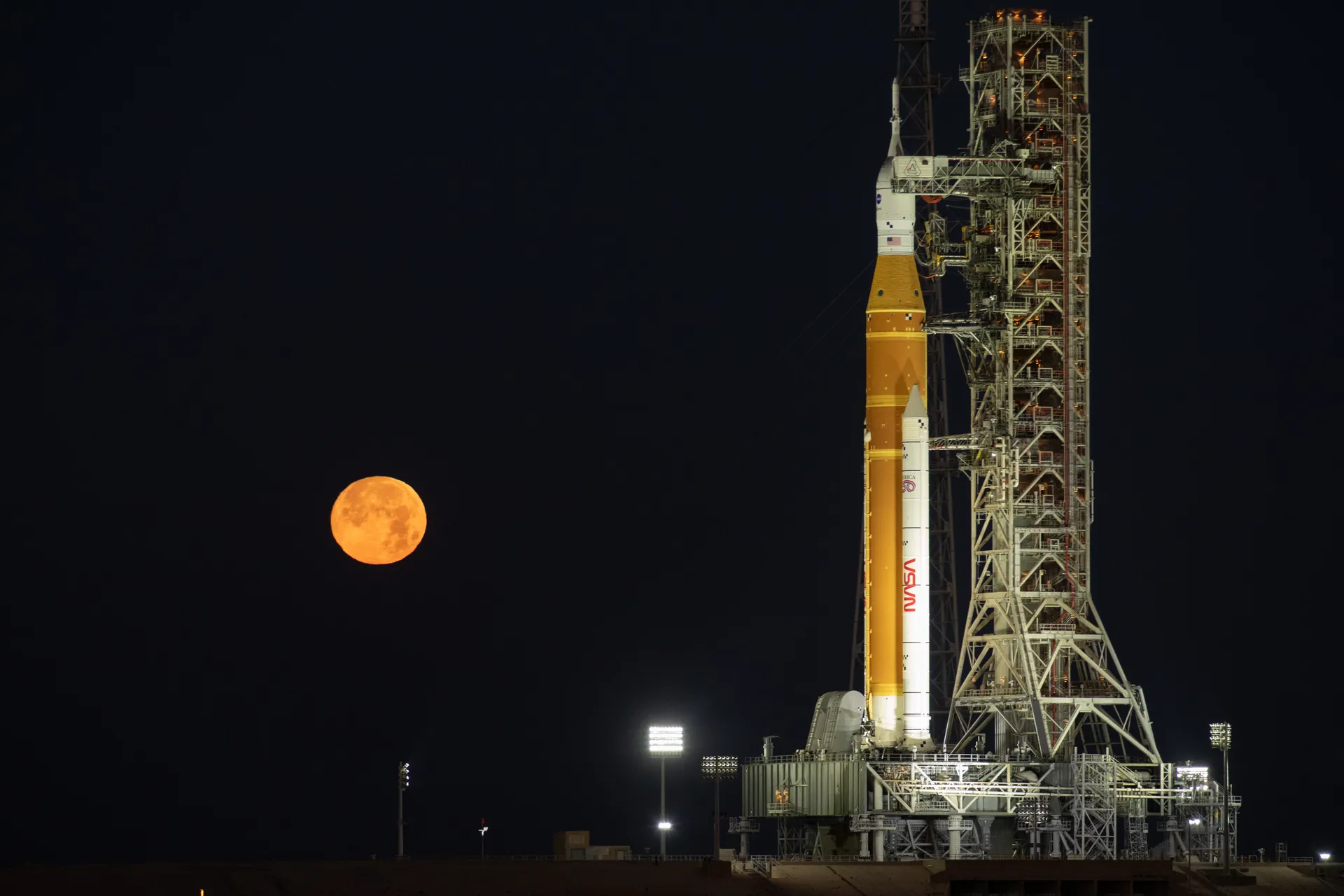
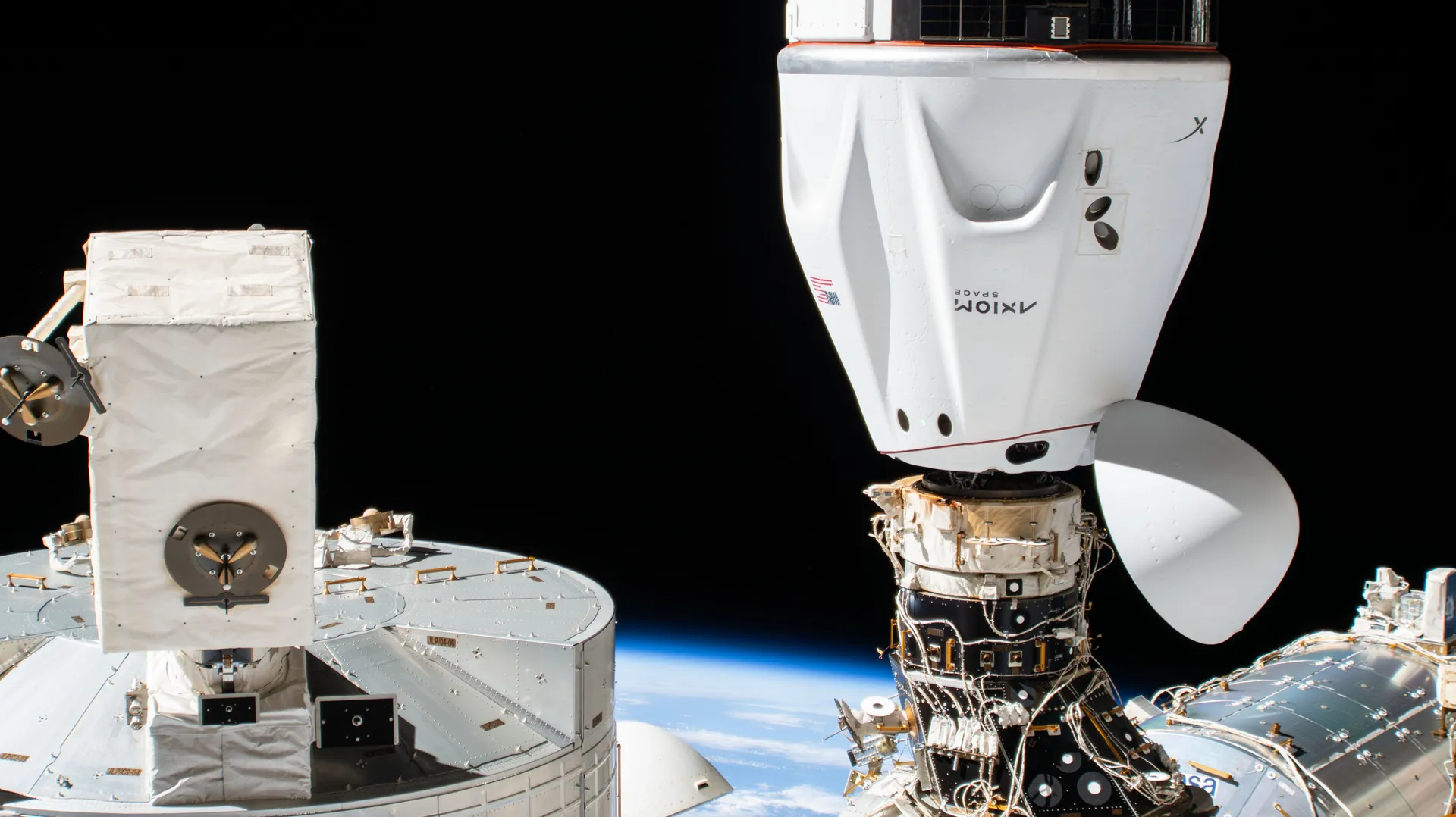
It flies NASA astronauts to the Space Station under a fixed-price contract, launches many NASA science missions—the Roman Space Telescope went up on a Falcon Heavy in August 2026—and in 2021 was chosen to build a Starship lander for Artemis. Under NASA’s February 2026 plan, Artemis III becomes a 2027 test in Earth orbit in which Orion docks with one or both commercial landers, and lander readiness will decide which one carries astronauts on Artemis IV, the first landing, planned for 2028.
Money from NASA
| Contract | Value | Year |
|---|---|---|
| Commercial Crew: Dragon flights to the Space Station (17 missions) | $5.92 billion | 2014–2026 |
| Human Landing System: Starship lunar lander, Options A and B (potential value at award) | about $4.3 billion | 2021–2022 |
| Commercial Resupply Services: first cargo contract, 12 Dragon flights (a second round, CRS-2, followed in 2016) | $1.6 billion | 2008 |
What it builds
Stories that involve SpaceX
How GPS turns atomic time into position, and who keeps it runningA receiver finds itself by timing signals from four satellites. The Space Force runs the system, finished GPS III in April 2026, and canceled the ground system that was meant to replace the old one.
NOAA’s weather satellites: how they watch storms, and what replaces themTwo GOES satellites stare at the Americas from 22,236 miles up while polar orbiters circle the globe. NASA builds them, NOAA flies them, and Congress is deciding how much of the next generation to pay for.
Who builds NASA’s spacecraft, and how the contracts pay themNASA has always spent most of its money outside its own walls. From Apollo’s 500 contractors to SpaceX and Blue Origin, the question that shapes every program is who carries the risk when costs grow.
From a $278 million NASA cargo agreement to America’s workhorse rocketNASA paid for milestones, not a rocket of its own design. The result now flies half the world’s launches and every American crew to orbit.
How America’s launch sites work, from the Cape to StarbaseFor decades most American rockets have left from one stretch of Florida coast, chosen in the late 1940s. The assembly building, crawlers and pads NASA built there for Apollo still set the pattern for how the biggest rockets fly.
12 more stories
Starship reached orbit on its 14th flight; refilling in orbit comes nextSpaceX built the largest rocket ever flown by launching prototypes and fixing what broke. NASA’s Moon landings depend on the step it has not yet taken: moving propellant between ships.
Artemis: how NASA’s plan to land on the Moon was built and rebuiltA rocket, a capsule, two commercial landers, new suits and propellant refilled in orbit: who builds each piece, what it costs, and how a 2024 landing became Artemis IV in 2028.
NASA’s robotic Moon deliveries: four attempts, one lander uprightSince 2018 NASA has bought rides to the Moon for its instruments instead of building landers. Of four attempts so far, one landed upright. A $6 billion second round is meant to supply a Moon Base.
Gateway: a station for lunar orbit, paused while its first modules were being builtA small international station that was to circle the Moon once a week. Its power module was nearly built when NASA paused it in March 2026; the hardware is being turned to a nuclear Mars spacecraft and Moon Base tests.
Refilling in orbit, the untested step both Moon landers depend onBoth of NASA’s crew landers reach the Moon only after tankers refill them in Earth orbit. Why that is, how the transfer is meant to work, why super-cold propellant fights back, and where the first test stands.
How SpaceX won NASA’s first Moon lander, and what it must still proveIn 2021 NASA chose a version of Starship, refueled in Earth orbit by a fleet of tankers, to land its astronauts. The contract is now worth about $4.5 billion; the refueling has not yet flown.
Commercial crew: $9.8 billion, one certified spacecraft, one still in testingHow NASA stopped owning its crew vehicles and started buying rides, why SpaceX’s Dragon has flown every rotation since 2020, and what still stands between Boeing’s Starliner and its first crew.
After the ISS: NASA’s plan to rent space on commercial stationsSince 2020 NASA has paid companies to design stations it could rent after 2030. In 2025 and 2026 the plan changed three times, the money stayed short, and GAO warned of a gap in U.S. crew presence.
Built in orbit over thirteen years, occupied without a break since 2000How five space agencies assembled the largest structure ever flown, what it has cost the United States, why its oldest Russian tunnel leaks, and how NASA plans to bring it down after 2030.
How seven people sleep, eat, exercise and work aboard the space stationTwenty-five years of continuous occupation have given the station a daily routine: private sleep stations, a pantry without a refrigerator, two and a half hours of exercise, recycled water, spacewalks and experiments on the crew.
Hubble, Webb and Roman: three telescopes, and why none replaces anotherA 1990 telescope that astronauts rebuilt five times, a $9.7 billion infrared observatory a million miles out, and a survey telescope launched in August 2026: what each one sees, what each cost, and why NASA flies them together.
Voyager to Dragonfly: fifty years of flying to the outer solar systemTwo 1977 probes beyond the Sun’s bubble, New Horizons past Pluto, Juno at Jupiter, Europa Clipper en route and a rotorcraft being built for Titan: what each found or seeks, what each cost, where each stands in October 2026.
Sources
- NASA Awards SpaceX Three Crew Flights to Space Station NASA, September 18, 2026
- NASA’s Management of the Human Landing System Contracts (IG-26-004) NASA Office of Inspector General, March 10, 2026
- Commercial Orbital Transportation Services: A New Era in Spaceflight (NASA SP-2014-617) NASA, 2014
- NASA Strengthens Artemis: Adds Mission, Refines Overall Architecture NASA, March 3, 2026
- NASA’s Dark Universe-Seeking Nancy Grace Roman Space Telescope Launches NASA, August 30, 2026
- Space Exploration Technologies Corp. prospectus (Form 424B4) U.S. Securities and Exchange Commission (company filing), June 12, 2026
- Space Exploration Technologies Corp. Form 10-Q, quarter ended June 30, 2026 U.S. Securities and Exchange Commission (company filing), August 4, 2026