After the ISS: NASA’s plan to rent space on commercial stations
Since 2020 NASA has paid companies to design stations it could rent after 2030. In 2025 and 2026 the plan changed three times, the money stayed short, and GAO warned of a gap in U.S. crew presence.
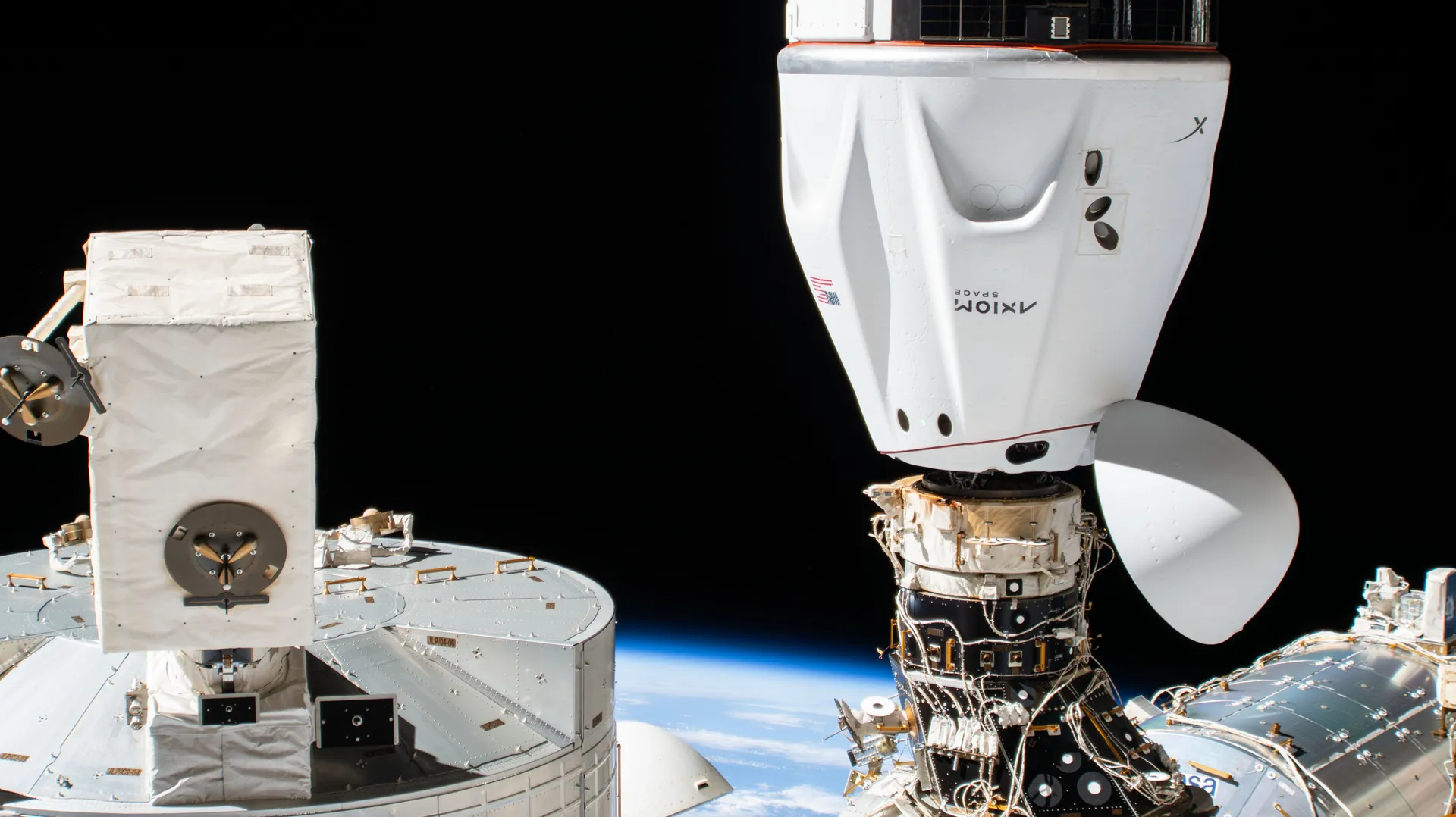
NASA · Axiom Mission 4, June 26, 2025
Drawn from 34 sources: NASA Commercial Low Earth Orbit Development Program (8), NASA (5), Vast (5), Congressional Research Service (5) and 9 others. About 12 minutes. Checked October 1, 2026.
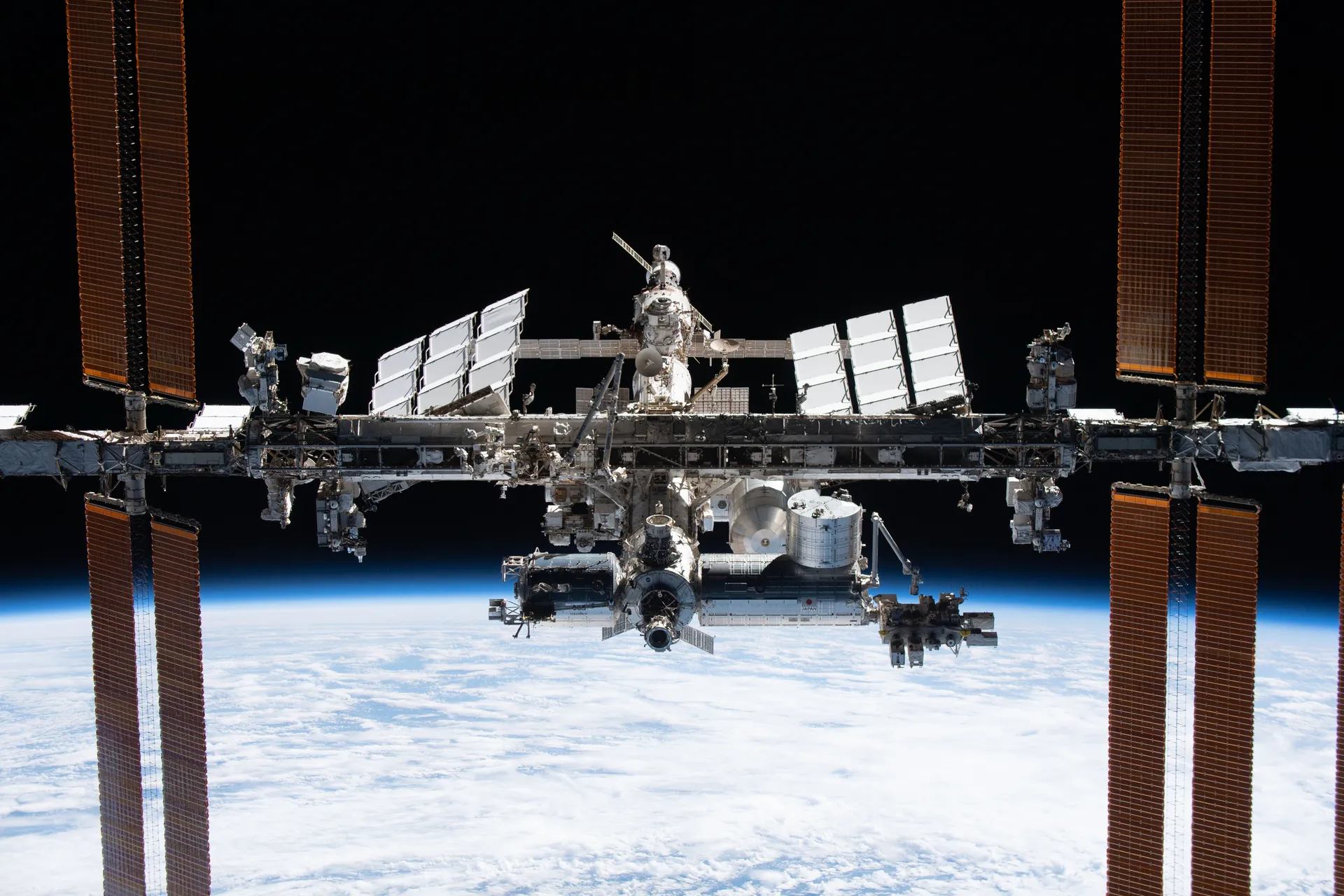
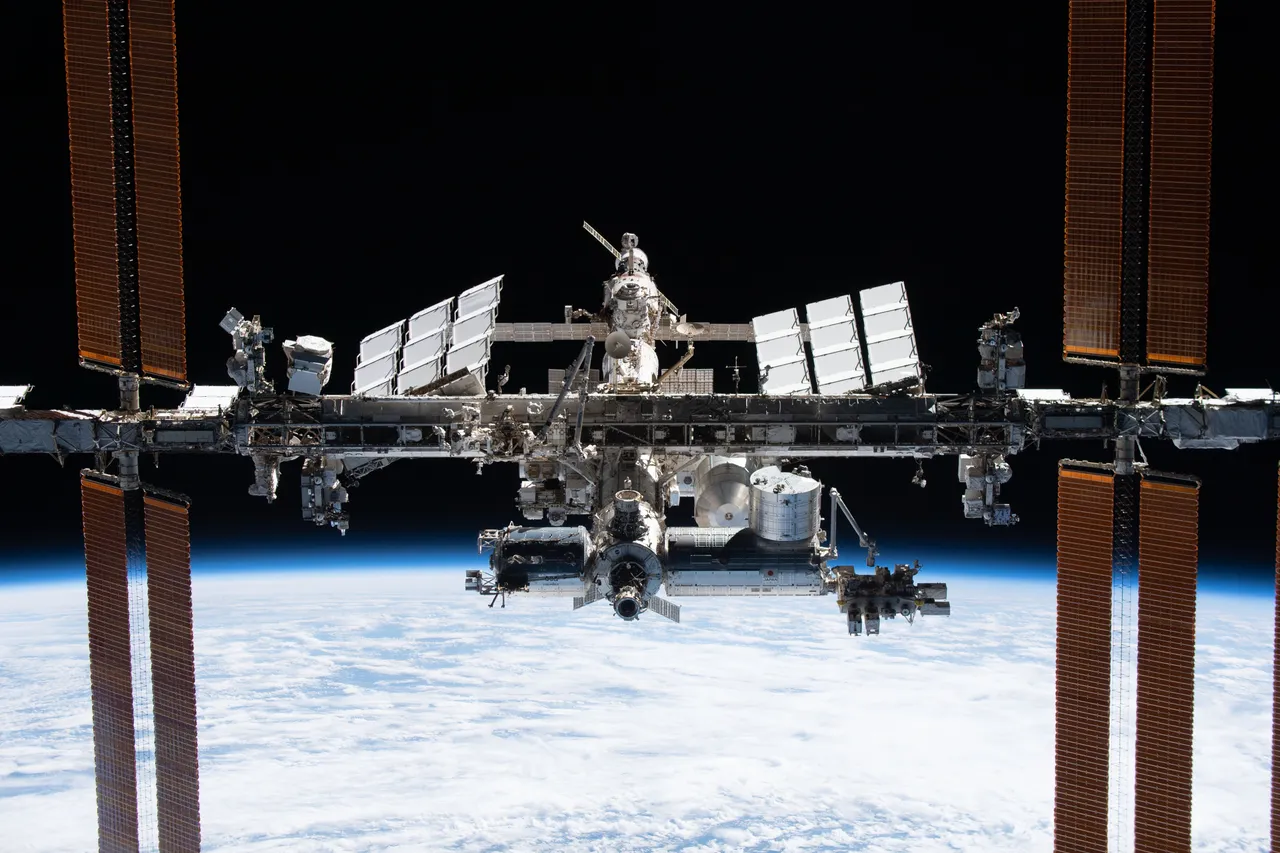
NASA plans to deorbit the International Space Station by the end of 2030 and to replace it with one or more space stations that companies own and operate. The agency does not intend to own them. Selected companies are to design, build, own and operate their stations, ground control centers and support infrastructure; NASA plans to certify the stations as safe for its crews and buy services aboard them, as one of many customers. A statute enacted in 2017 calls for an uninterrupted capability for human spaceflight and operations in low Earth orbit.1
NASA expects the arrangement to cost less than the station it replaces. It spends about $3 billion a year to maintain and operate the ISS, about 60% of it on carrying crews and cargo, and its inspector general reported in 2024 that moving from a government-owned station to privately owned ones was estimated to save the agency $1.3 billion to $1.8 billion a year.1,32 As of October 1, 2026, no commercial station has flown, and NASA has not yet chosen the companies it will pay to finish one.25
- $3B
- NASA’s yearly cost to maintain and operate the ISS, about 60% of it transportation1
- $273M
- enacted for commercial LEO development in fiscal 202626
- $1–1.5B
- what NASA told companies it expects to have for station agreements or contracts, FY2026–20311
- 4 × 30
- the minimum crewed demonstration: four people aboard for 30 days1
$415.6 million for three station designs, and one module for the ISS
In January 2020 NASA selected Axiom Space of Houston to provide at least one habitable commercial module to be attached to the space station, at the forward port of the Harmony module. The firm-fixed-price contract awarded that February had a maximum potential value of $140 million over an ordering period of up to seven years. NASA called the selection a step toward independent commercial destinations that would meet the agency’s long-term needs beyond the life of the station.2
In December 2021 NASA signed funded Space Act Agreements with three companies to design free-flying stations, worth $415.6 million in total: Blue Origin, $130 million; Nanoracks, $160 million; and Northrop Grumman, $125.6 million. Space Act Agreements are not contracts: under a funded agreement NASA pays for completed milestones without the requirements that the Federal Acquisition Regulation places on government contracts.3,1
Blue Origin and Sierra Space proposed Orbital Reef, a station they described as a “mixed-use space business park,” to start operating in the second half of the decade. Nanoracks, with Voyager Space and Lockheed Martin, proposed Starlab, a continuously crewed station for four astronauts to be launched on a single flight in 2027. Northrop Grumman’s design built on its Cygnus cargo spacecraft. NASA estimated its own future needs at continuous accommodations and training for at least two crew members and about 200 investigations a year.3
The field narrowed. In October 2023 Northrop Grumman withdrew from its agreement, after being paid $36.6 million for completed milestones, and joined the Starlab team to provide cargo logistics. NASA moved the freed money and other program funds to its remaining partners in January 2024: Blue Origin’s award rose by $42 million to $172 million and Starlab’s by $57.5 million to $217.5 million, including milestones to upgrade Cygnus from berthing to docking.4,5 In 2023 NASA also signed unfunded agreements, which give companies technical expertise but no money, with seven companies; three of them, Sierra Space, SpaceX and Vast, were working on stations.1
Axiom’s station would start on the ISS and then leave it
In December 2024 Axiom, in coordination with NASA, changed its assembly sequence to reduce its reliance on the ISS. Instead of a habitat, a Payload, Power and Thermal Module would launch to the station first, allowing it to depart as early as 2028 and become a free-flying Axiom Station. Habitat 1, an airlock, Habitat 2 and a Research and Manufacturing Facility would be added in free flight. NASA said the new order would also keep the ISS prepared for the U.S. Deorbit Vehicle and an end of operations no earlier than 2030.6
Axiom told reporters that the new first module would use a different ISS port from the one the deorbit vehicle needs, and put the cost of a four-module station at about $3 billion. At the time it expected to launch the module in early 2027.7 In January 2026 Axiom’s Peggy Whitson put that launch in early 2028, with the first habitat module following months later.8 GAO described the contract in 2026 as valued at $140 million.1
Starlab, Orbital Reef and Vast are building stations that fly on their own
Starlab’s design is a service module and a habitat launched to orbit together on one flight; GAO describes an 8-meter-diameter metal habitat with a docking node, a power and propulsion element and an external robotic arm. By July 2025 the company had completed NASA milestones covering its preliminary design and safety review, system architecture, procurement plan and the docking system for Northrop Grumman’s Cygnus, and had begun building a full-scale, high-fidelity mockup for the Space Vehicle Mockup Facility at NASA’s Johnson Space Center, where participants would perform day-in-the-life walkthroughs.9,1 In February 2026 Starlab, by then a joint venture of Voyager Technologies, Airbus, Mitsubishi, MDA Space, Palantir and Space Applications Services, said it had completed its commercial critical design review with NASA in attendance, the 28th milestone of its Space Act Agreement.10
Orbital Reef includes an inflatable habitat from Sierra Space called LIFE, made of high-strength webbings and fabric that form a solid structure once pressurized. Its layers can be stowed in a payload fairing and inflated in orbit, so the habitat can launch on a single rocket. In July 2024 a full-scale LIFE habitat was pressurized until it burst at NASA’s Marshall Space Flight Center, a test that is one of the primary structural requirements for a soft-goods structure seeking flight certification. In April 2025 Blue Origin completed a human-in-the-loop milestone in life-sized mockups of the station’s floors, assessing crew quarters, dining area, lavatory, laboratory and hatches.11,12
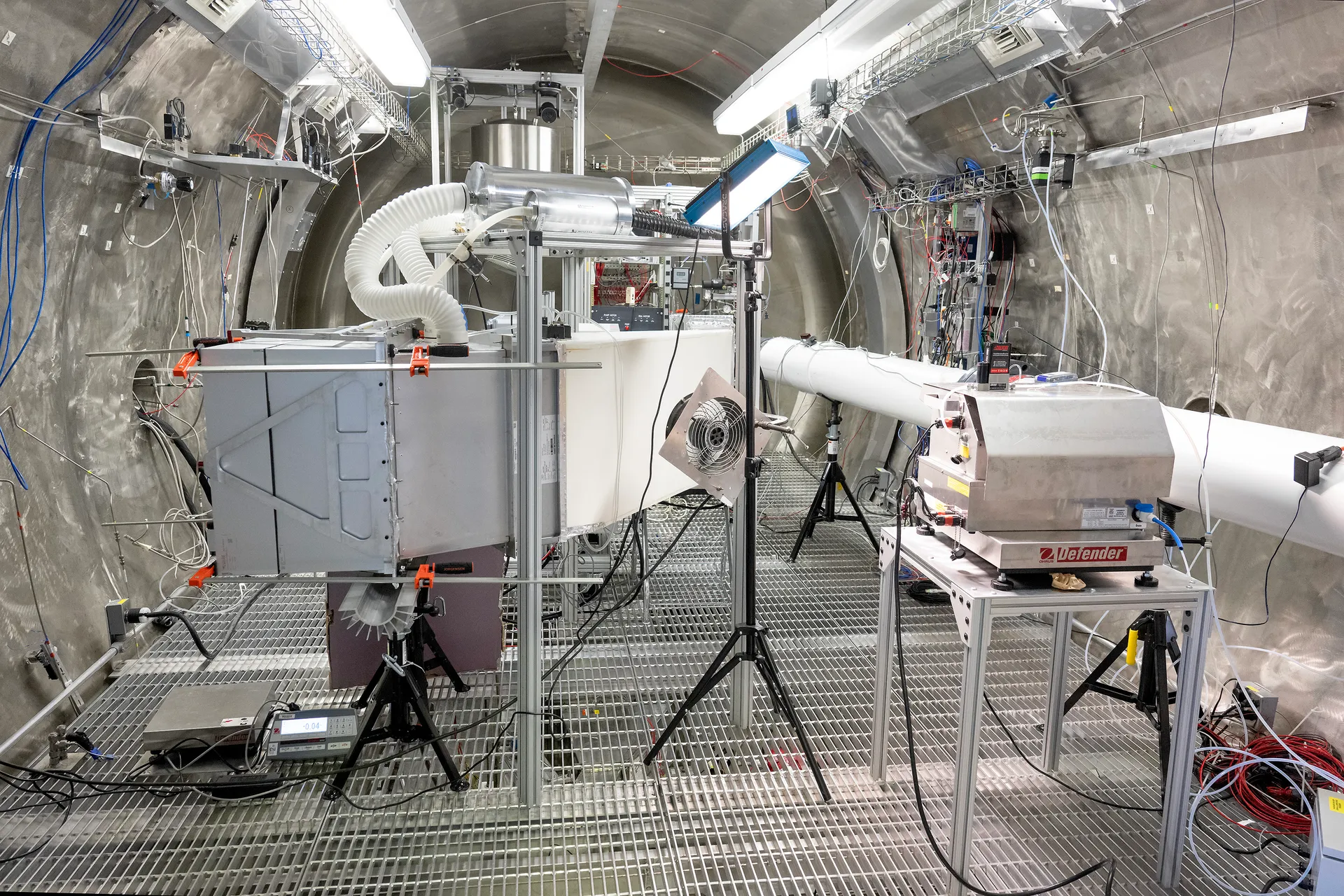
Vast, founded in 2021, has no funded agreement with NASA. In May 2023 it announced Haven-1, a single-module station to launch on a Falcon 9 no earlier than August 2025 and to be visited by four-person crews on SpaceX Dragon for stays of up to 30 days.14 By April 2025 the launch had moved to no earlier than May 2026; in January 2026, with integration of the flight station under way, Vast set it for the first quarter of 2027.15,16
NASA has helped under reimbursable agreements, in which a company pays to use agency facilities. In 2025 Haven-1’s trace contaminant control system, filters that scrub hazardous chemicals produced by both people and materials, was tested in the Marshall chamber once used for the ISS life support system. A representative chemical environment was injected into the sealed chamber and the filters were switched on to verify they could keep a healthy atmosphere.13 The flight station’s final environmental tests are to take place at NASA’s Neil Armstrong Test Facility in Ohio.15
Vast’s candidate for NASA’s next phase is Haven-2, a multi-module station for continuous crews. In March 2026 the company said it had raised $500 million, $300 million of it equity and $200 million debt, bringing investment in its stations to more than $1 billion. In February NASA ordered the sixth private astronaut mission to the ISS from Vast, no earlier than summer 2027.17,18
None of the four companies has yet put a station in orbit, and every announced date has moved, including NASA’s own dates for choosing the companies it will pay.1,7,8,14,15,16,25
Station dates as each plan moved1
Three plans in twelve months, 2025–2026
December 6, 2024
NASA approves a contract strategy19
A full and open competition for a fixed-price contract covering certification and services, approved as high risk with a $4 billion budget shortfall.
August 4, 2025
Acting Administrator Duffy’s directive19
The next phase becomes funded Space Act Agreements leading to a crewed demonstration; four crew for one month is the minimum.
September 5, 2025
Draft announcement for proposals1
Awards planned for April 2026, then delayed by the government shutdown and the change of administrator.
March 24, 2026
“Ignition” proposes a NASA-owned core module21
Attached first to the ISS, with commercial modules docked to it; industry is asked for comment.
June 2026
The core module is dropped25
NASA keeps the commercial plan and takes its station procurement off hold on June 4.
July 6, 2026
Draft request for proposals24
Fixed-price contracts with several companies for development, certification and services.
Spring 2027
Contract awards planned25
The final request was scheduled for September 2026 and proposals for November.
In December 2024 NASA approved a plan for the program’s second phase: a full and open competition for a fixed-price contract under the Federal Acquisition Regulation that would include NASA certification and station services. It was approved as a high-risk acquisition because it needed more money than the budget provided; the plan went forward with a $4 billion shortfall.19
On August 4, 2025, Acting Administrator Sean Duffy signed a directive that changed course. The President’s budget request for fiscal 2026 had included $272.3 million for that year and $2.1 billion over five years for new commercial stations. To meet the goals of a commercial system within that budget, and to reduce the potential for a gap, NASA would continue to support industry’s design and demonstration of stations with multiple funded Space Act Agreements and move formal design acceptance and certification to a later phase.19
The agreements would run three years, with options to five; lead to critical design review readiness and then a crewed demonstration in orbit, which could fly a non-NASA crew; and hold back at least 25% of their value until a successful demonstration. NASA wanted at least two providers, preferably three or more. The final capability NASA had previously required would no longer be binding; the minimum became four crew for one-month increments.19 NASA released a draft announcement on September 5, 2025, planning a final version in October and awards in April 2026. The 2025 government shutdown and the confirmation of a new NASA administrator delayed it.20,1
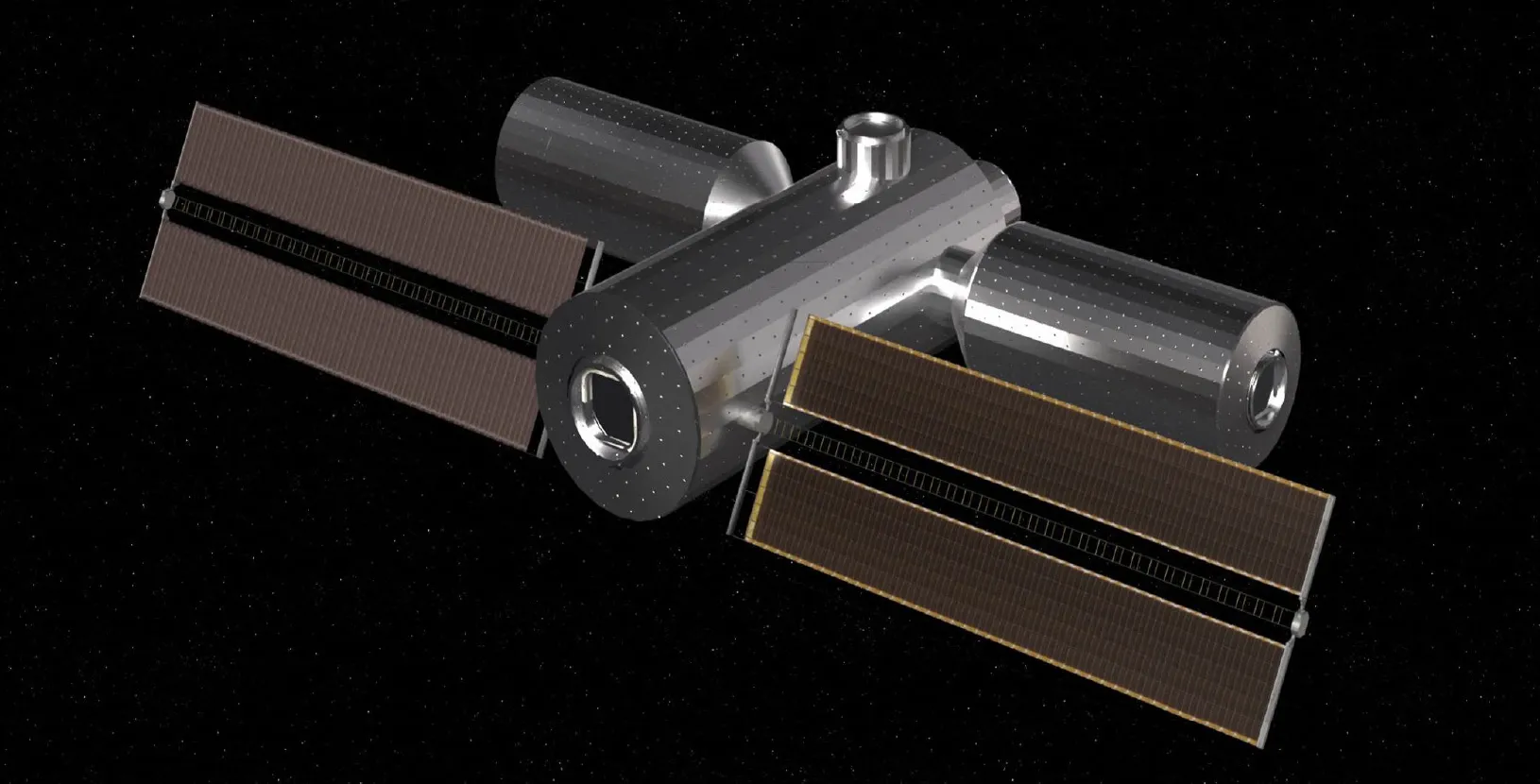
On March 24, 2026, NASA’s “Ignition” plan proposed another approach. NASA would procure a government-owned core module that attaches to the ISS. Commercial modules would be validated using the station’s capabilities and later detach into free flight; as technical and operational readiness and market demand matured, NASA would become one of many customers buying commercial services.21
According to GAO, the core module would carry propulsion and initial power, communications, navigation and basic crew habitation. It would launch first and rendezvous with the ISS; two commercial modules would then launch and attach to it, using the station’s power while attached. After detaching, it would become a new NASA-owned, free-flying Core Space Station. NASA asked industry for comment on March 25, in part because of concerns about affordability.1,21
Industry objected. At a House hearing on March 25, the president of the Commercial Space Federation said companies found NASA’s changes in direction concerning and confusing; two station developers had told Congress in 2024 that their investors used the ISS retirement date to make investment decisions.1 By June 1 NASA had dropped the core module, saying industry had made the case for a sustainable market in which NASA is one customer among many.23
On July 6, NASA released a draft request for proposals. Based on industry’s input, the agency said, it would proceed with its original plan to buy commercial services through contracts awarded in full and open competition: firm-fixed-price, multi-award, indefinite-delivery/indefinite-quantity contracts covering development, certification and services. NASA would select two or more contractors for early development, followed by a competitive task order for final design, test, evaluation, certification and services from one or more of them.24 “Industry believes it can meet the timelines and that a viable commercial marketplace exists where NASA is one customer among many,” said Administrator Jared Isaacman.24
NASA had, in effect, returned to the kind of contract its December 2024 strategy had chosen and the August 2025 directive had set aside.19,24 Its procurement schedule, last revised on August 27, set the final request for proposals for September 2026, proposals for November and contract award for spring 2027.25
$273 million a year, and what companies are paying
Commercial LEO development: requested and appropriated26
Show the numbers
| fy | President’s request | Enacted |
|---|---|---|
| FY2020 | $150M | $15M |
| FY2021 | $150M | $18M |
| FY2022 | $101M | $102M |
| FY2023 | $224M | $224M |
| FY2024 | $228M | $228M |
| FY2025 | $170M | $170M |
| FY2026 | $272M | $273M |
| FY2027 | $300M | — |
Congress was slow to fund the program at first. For fiscal 2020 NASA requested $150 million for commercial LEO development and received $15 million; for fiscal 2021 it asked for $150 million again and received about $18 million.27,26 From fiscal 2022 on, Congress provided about what was requested: $224 million in 2023, $228 million in 2024 and $170 million in 2025. For fiscal 2026 NASA asked for $272 million, the House Appropriations Committee proposed $500 million and Congress enacted $273 million.28,29,30,26
For fiscal 2027 the administration requested $300 million. The House Appropriations Committee’s bill, approved in May 2026, provides “no less than $400 million” and, according to SpacePolicyOnline, directs NASA to ensure that at least one commercial station is available by the end of ISS operations.26,31 Executives of Vast and Starlab said at a May 2026 Commercial Space Federation panel that $400 million could support two stations, since the money is meant to pay for NASA’s services rather than to build a station.33
NASA’s own planning figure is smaller than the cost of a station. It told companies it expects about $1 billion to $1.5 billion over fiscal years 2026 through 2031 to fund the agreements or contracts; in March 2026 officials said that might support only one station, and the companies are to raise any additional money themselves.1 The contract and funded agreements of 2020 and 2021 provided nearly $530 million on completion of milestones.1 “Private investors have invested over $3 billion in companies developing stations,” the Center for Strategic and International Studies wrote in May 2026, which it reckoned as $5 of private money for every NASA dollar.22
GAO’s warning: a possible gap in U.S. crew presence
In June 2026 GAO reported that NASA is concerned about a gap in continuous human presence in low Earth orbit but had not assessed how likely it is or how long it could last. From NASA’s own documents it identified four risks.1
The first is the schedule. If NASA awarded agreements in 2026, GAO wrote, the companies would have about four years to have their stations certified for NASA crews, launched and in orbit. NASA projects launched since 2010 took a little over five years on average from the start of development to launch; at that pace, initial capability would come in 2031. The second is money: NASA must balance commercial stations against ISS maintenance and deorbit and the commercial crew and cargo programs.1
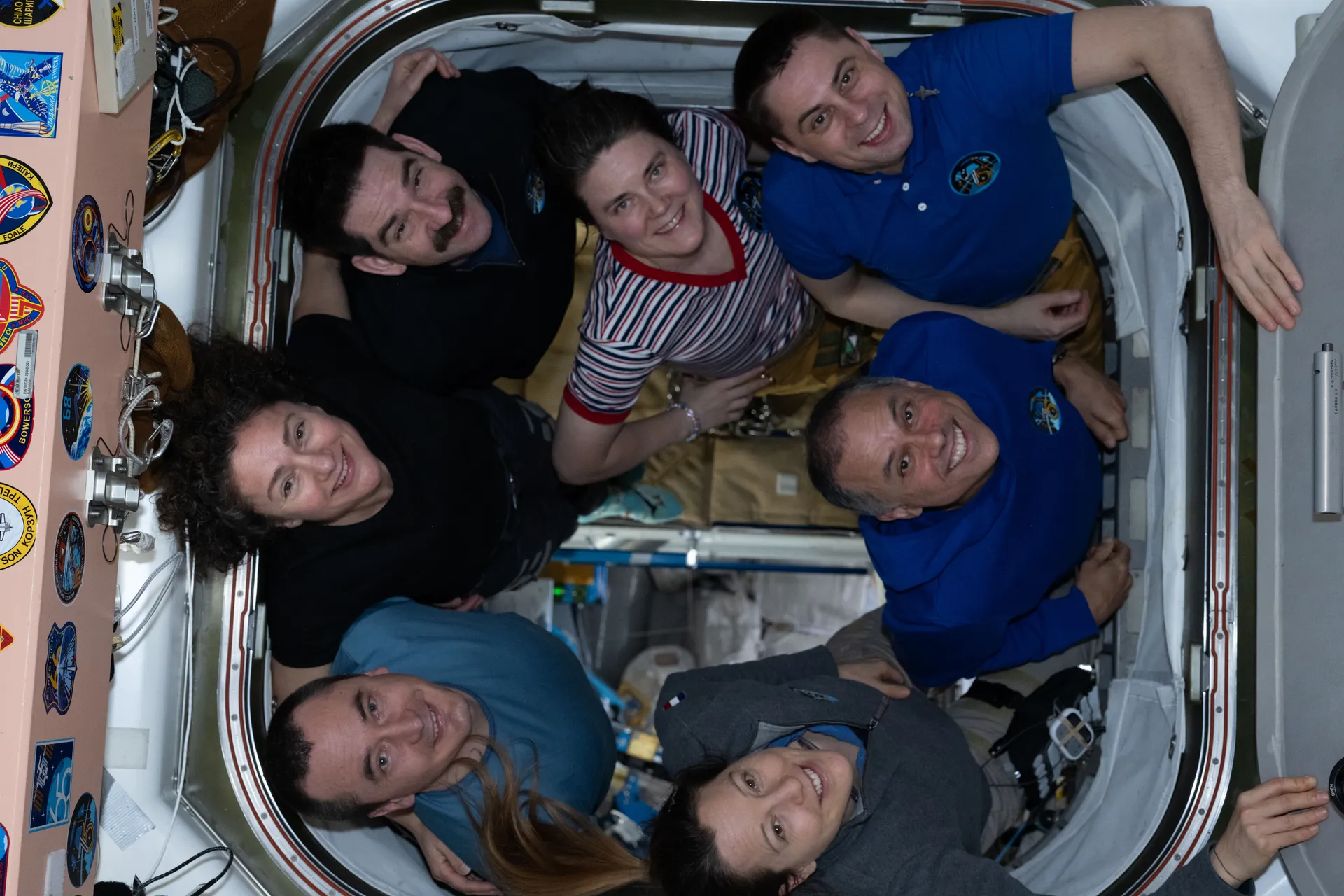
The third is the ISS itself. Cracks in a transfer tunnel in the Russian segment have leaked air; NASA said in February 2026 that the leaks had been mitigated with a sealant, but the structural problem that caused them remains, and in June 2026 the leak rate rose again.34 The station needs at least three crew aboard and four to five cargo flights a year to keep operating and to conduct a controlled deorbit, and the longer it went uncrewed, the greater the risk that a loss of critical functions could lead to an uncontrolled one. The fourth is transportation: as of February 2026, SpaceX’s Crew Dragon was the only vehicle certified to carry NASA crews to the station.1
A gap would cost more than research time. Without a predictable cadence of crewed missions, companies that provide crew and cargo transportation, research or manufacturing in orbit would struggle to sustain their business; in a 2024 industry analysis, every company interviewed said a one- to two-year gap without mitigation would hurt it, from lost revenue to going out of business. NASA would lose the ability to conduct applied research on crew health for the Moon and Mars, and China already keeps a continuous presence aboard its Tiangong station.1
The agency only has the next year and a half to determine if it needs to extend ISS operations beyond 2030. It cannot wait until 2030 to determine whether it is ready to deorbit the ISS.
NASA officials told GAO that a decision is due in 2027: whether to launch the U.S. Deorbit Vehicle in 2029 to begin the station’s descent or to extend its operations. NASA’s structural analyses give a high level of confidence that the ISS can operate through 2028; another analysis was due in 2026, and officials said the station’s life could be extended through the late 2030s or 2040 if needed. GAO recommended that NASA assess the likelihood and duration of a gap and document how it will decide whether to retire the station as planned. NASA concurred.1
As of October 1, 2026, the official plan still ends ISS operations in 2030.1 Haven-1, which Vast in January targeted for the first quarter of 2027, would be the first commercial station in orbit, and it is built for visiting crews rather than continuous occupation.14,16 The proposals for the stations NASA would rent after 2030 were scheduled for November, and the awards for spring 2027, the same year NASA has to decide whether the ISS can retire on time.25,1
Sources
The text above is drawn from these 34 sources. Government works are adapted closely; company and press material is summarized. Numbers in the text point here. Last checked October 1, 2026.
Show all 34 sourcesShow fewer
- 1Back to the text
- 2Back to the text
- 3Back to the text
- 4Back to the text
- 5Back to the text
- 6Back to the text
- 7Back to the text
- 8Back to the text
- 9Back to the text
- 10Back to the text
- 11Back to the text
- 12Back to the text
- 13Back to the text
- 14Back to the text
- 15Back to the text
- 16Back to the text
- 17Back to the text
- 18Back to the text
- 19Back to the text
- 20Back to the text
- 21Back to the text
- 22Back to the text
- 23Back to the text
- 24Back to the text
- 25Back to the text
- 26Back to the text
- 27Back to the text
- 28Back to the text
- 29Back to the text
- 30Back to the text
- 31Back to the text
- 32Back to the text
- 33Back to the text
- 34Back to the text
Continue
Related stories
- ISSHow five space agencies assembled the largest structure ever flown, what it has cost the United States, why its oldest Russian tunnel leaks, and how NASA plans to bring it down after 2030.
- Life in orbitTwenty-five years of continuous occupation have given the station a daily routine: private sleep stations, a pantry without a refrigerator, two and a half hours of exercise, recycled water, spacewalks and experiments on the crew.
- Commercial crewHow NASA stopped owning its crew vehicles and started buying rides, why SpaceX’s Dragon has flown every rotation since 2020, and what still stands between Boeing’s Starliner and its first crew.