Falcon Heavy
Three Falcon 9 first stages strapped together, for the heaviest commercial and NASA payloads.
- Status
- Flying
- First flight
- 2018
- February 6
- Height
- 70 m
- 230 ft
- Width
- 12.2 m
- 40 ft
- Built by
- SpaceX
- 14
- launches, February 2018–October 2026
- 4
- NASA primary missions launched, most recently Roman (August 30, 2026)
- 25
- booster landings in 14 flights, as of November 9, 2026
Drawn from 8 sources: NASA (3), Spaceflight Now (3) and SpaceX (2). Listed at the end of the page.
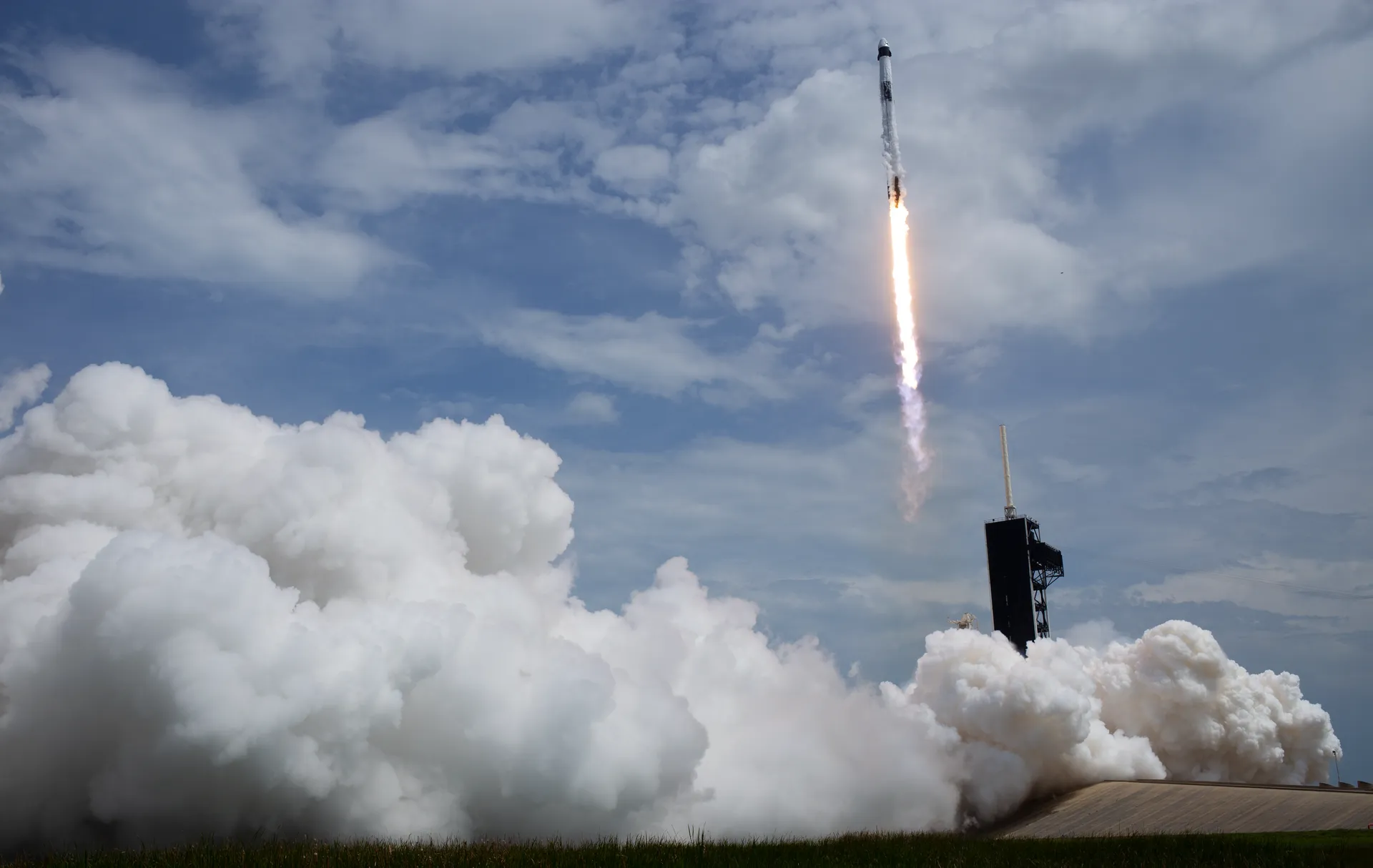
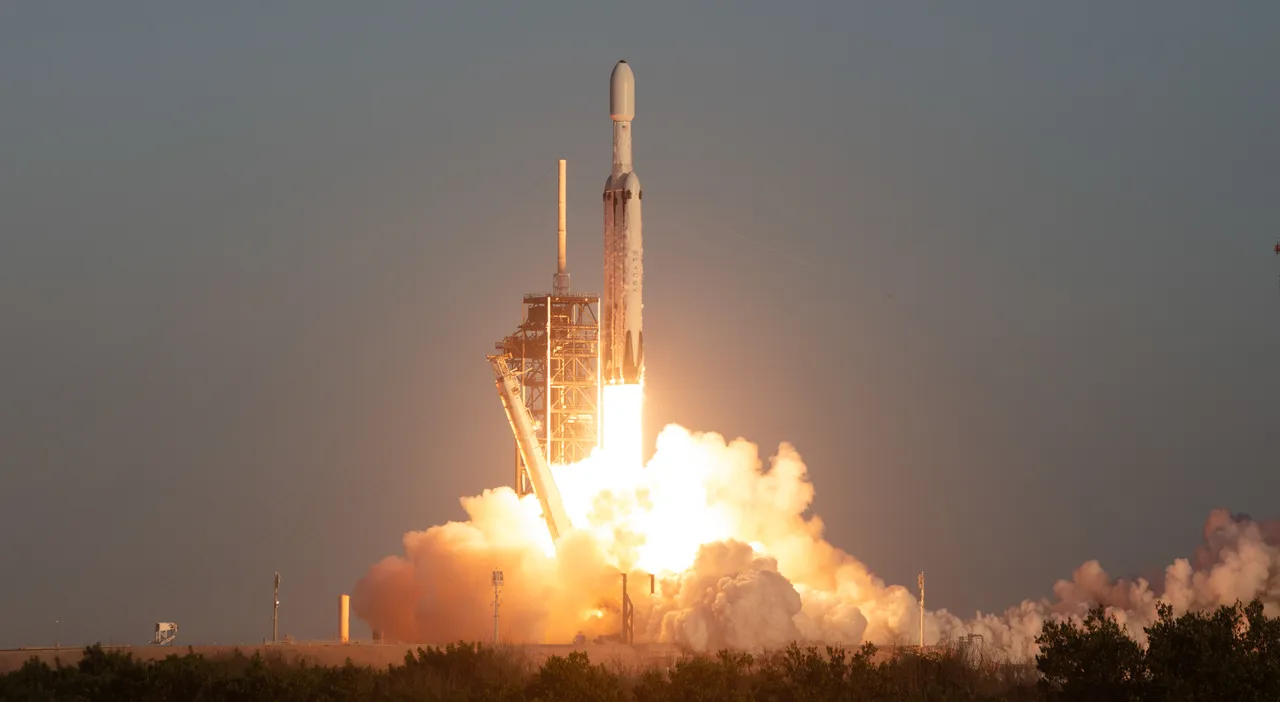
Falcon Heavy is SpaceX’s heavy-lift rocket, for payloads too heavy for Falcon 9: large communications satellites, national-security satellites and NASA probes. Its first stage is three Falcon 9 cores side by side—a center core and two side boosters—whose 27 Merlin engines fire together at liftoff. The side boosters separate first and usually fly back to land near the launch site; the center core burns longer and is usually not recovered. With no core recovered, SpaceX rates it at about 64 metric tons to low Earth orbit.
Falcon Heavy first flew on February 6, 2018. Its two side boosters flew back and landed at Cape Canaveral seconds apart, the center core crashed into the sea near the drone ship it was meant to land on, and the upper stage sent a Tesla Roadster, carried instead of ballast, into an orbit around the Sun that reaches just beyond the orbit of Mars.
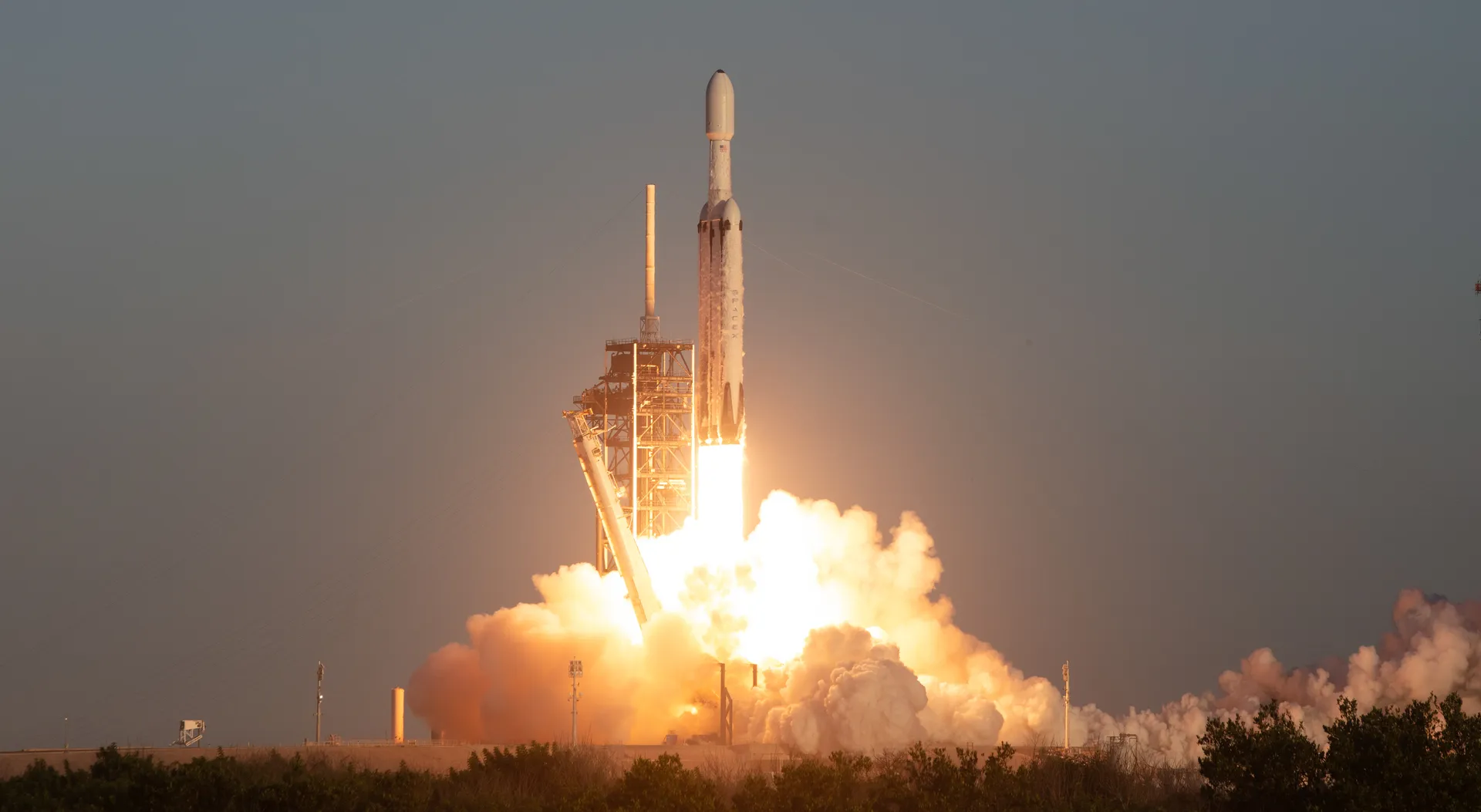
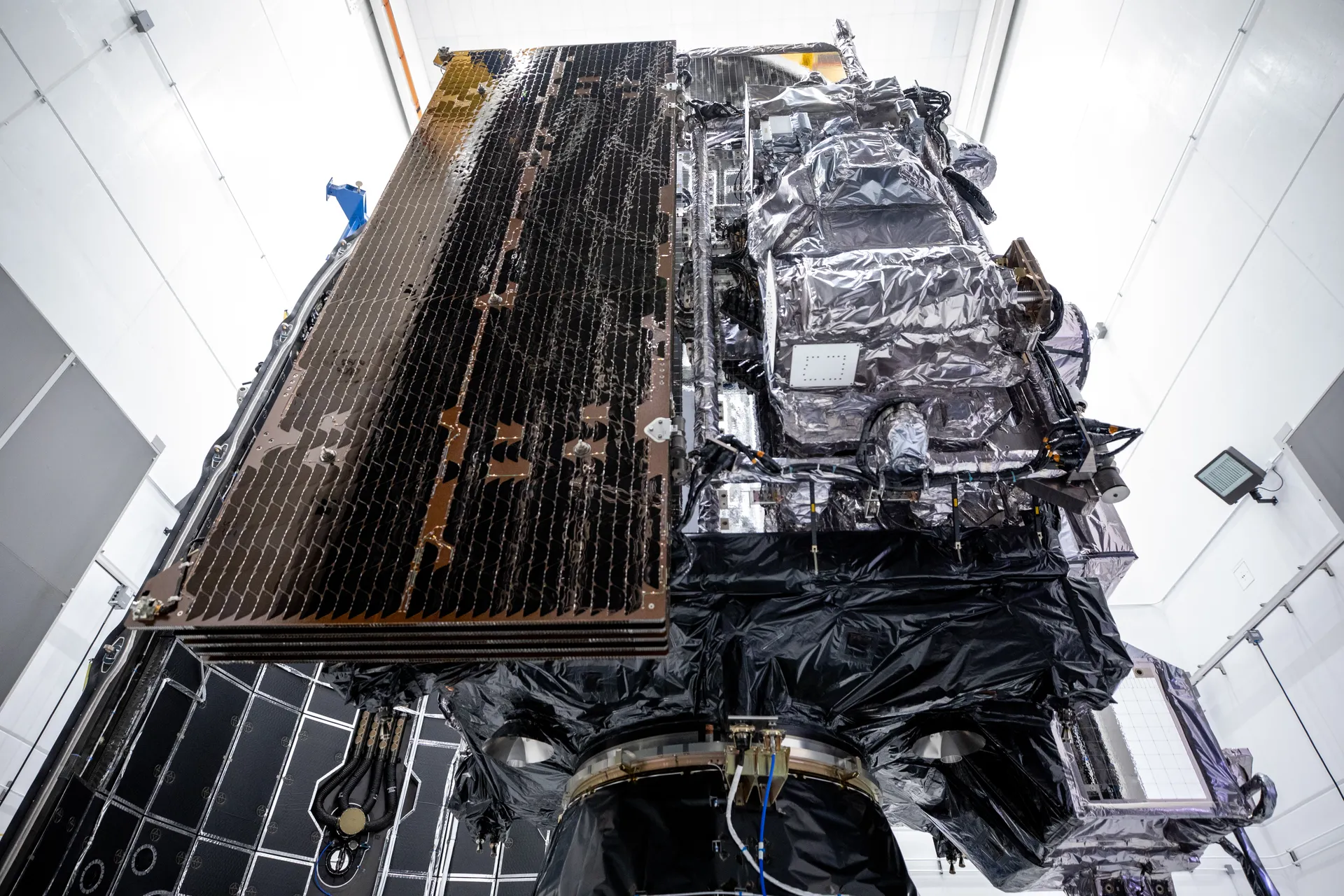
By November 9, 2026, Falcon Heavy had flown 14 times, every time from Launch Complex 39A at NASA’s Kennedy Space Center, and SpaceX counted 25 booster landings. Its 12th flight, on April 29, 2026, carried the ViaSat-3 F3 communications satellite. The 14th, at 11:54 p.m. EDT on October 1, 2026, launched NROL-97, its first mission for the National Reconnaissance Office; the two side boosters, which had launched Roman a month earlier, landed at Cape Canaveral, and a new center core was expended.
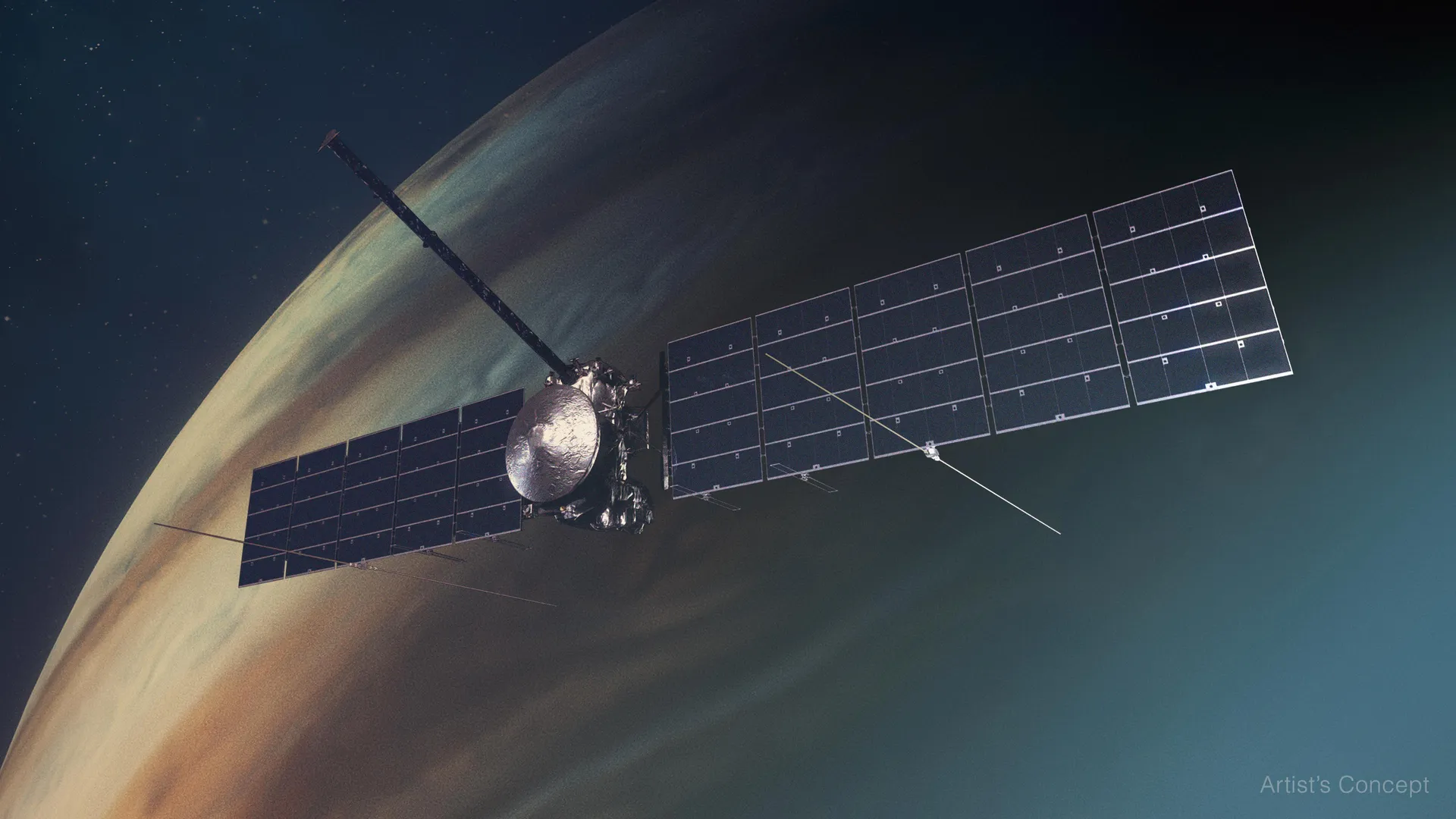
NASA has launched four primary missions on Falcon Heavy: the Psyche asteroid probe in October 2023, the GOES-U weather satellite for NOAA in June 2024, Europa Clipper in October 2024 and the Nancy Grace Roman Space Telescope on August 30, 2026. More are booked. On October 13, 2026, NASA said Griffin-1, a commercial lander carrying NASA payloads to the Moon’s south polar region, was expected to launch on a Falcon Heavy later in the year; it had not launched as of November 9. NASA has also bought a Falcon Heavy launch for Dragonfly, its rotorcraft lander for Saturn’s moon Titan, with a launch window in July 2028.
Where Falcon Heavy appears in the atlas
Sources
- 1
- 2
- 3
- 4
- 5
- 6
- 7
- 8