How America’s launch sites work, from the Cape to Starbase
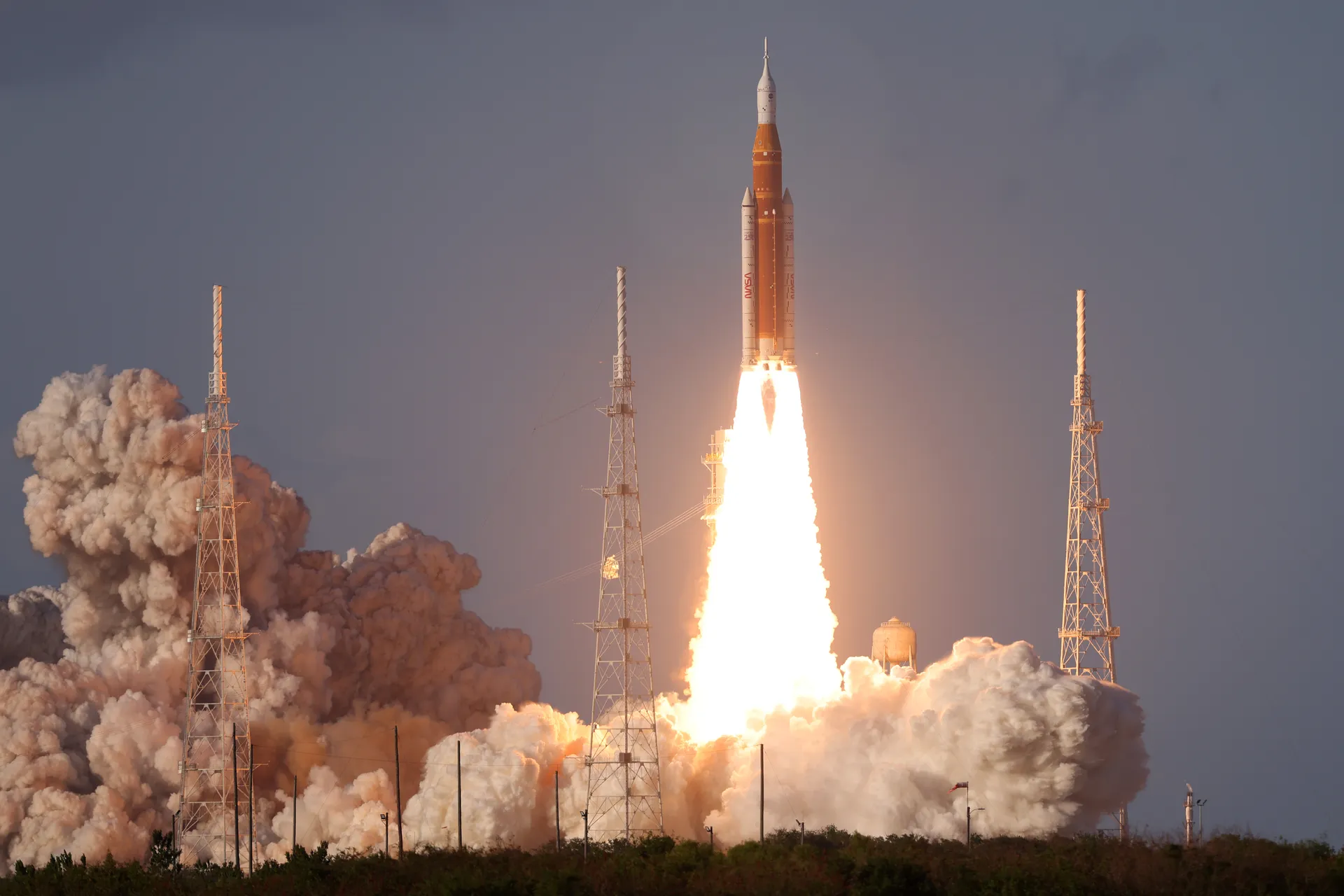
For decades most American rockets have left from one stretch of Florida coast, chosen in the late 1940s. The assembly building, crawlers and pads NASA built there for Apollo still set the pattern for how the biggest rockets fly.
NASA/Ben Smegelsky
Drawn from 13 sources: NASA (8), NASA History Office, NASA Jet Propulsion Laboratory, Federal Aviation Administration and 2 others. About 7 minutes. Checked October 1, 2026.
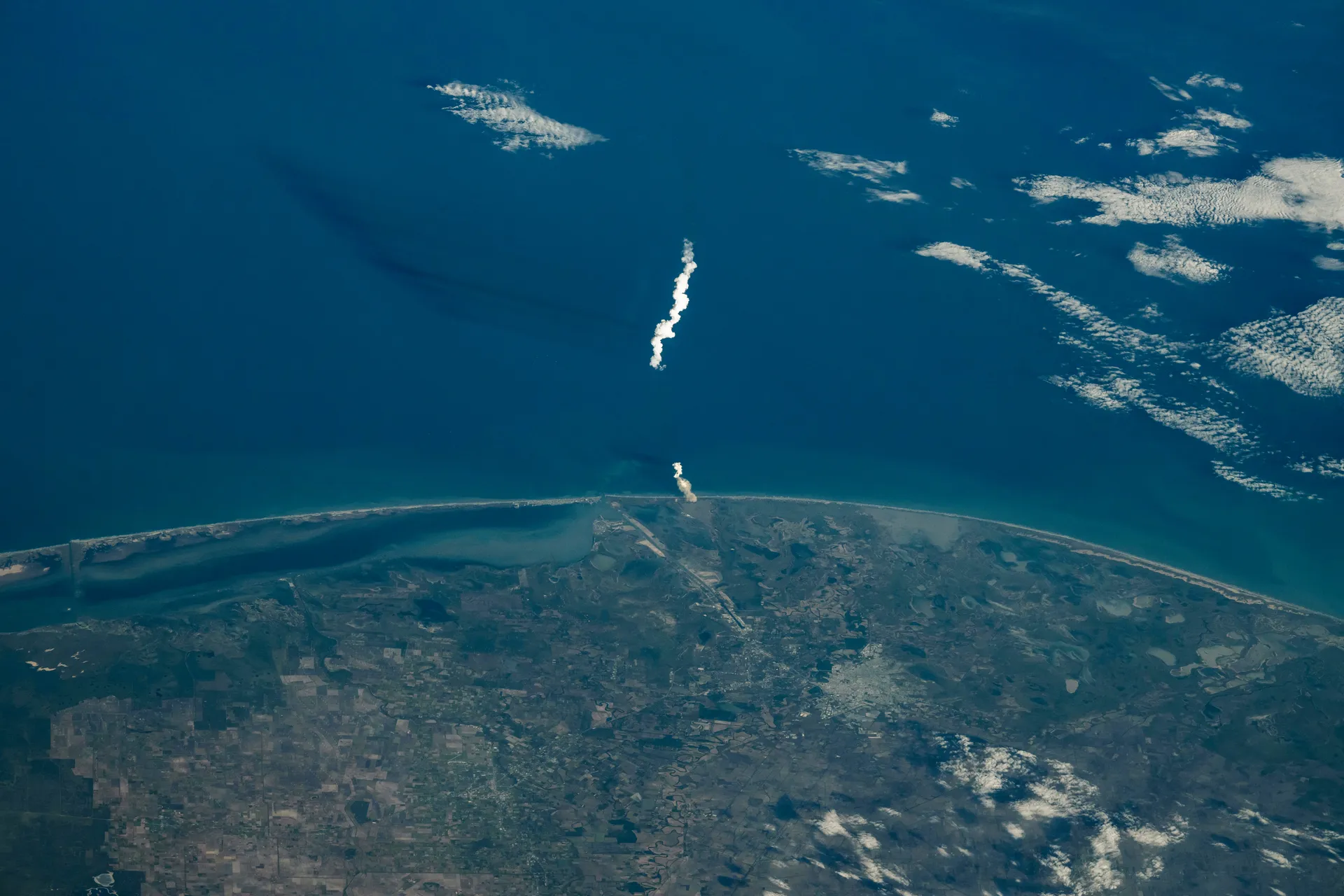
In 2025, 181 orbital launch attempts left American soil. A hundred and nine of them left one stretch of the Florida coast: Cape Canaveral Space Force Station and, next to it, NASA’s Kennedy Space Center. Sixty-six left Vandenberg Space Force Base in California, five left SpaceX’s Starbase in Texas, and one left NASA’s Wallops Flight Facility in Virginia.9 Which site a rocket uses is decided mostly by where its payload is going, and how it gets to the pad was decided, for the largest rockets, in the 1960s.
Orbital launch attempts from U.S. sites9
Show the numbers
| year | Florida: Cape Canaveral and Kennedy | Vandenberg, California | Starbase, Texas | Wallops, Virginia |
|---|---|---|---|---|
| 2015 | 17 | 2 | 0 | 0 |
| 2016 | 18 | 3 | 0 | 1 |
| 2017 | 19 | 9 | 0 | 1 |
| 2018 | 20 | 9 | 0 | 2 |
| 2019 | 16 | 3 | 0 | 2 |
| 2020 | 30 | 1 | 0 | 3 |
| 2021 | 31 | 7 | 0 | 3 |
| 2022 | 57 | 16 | 0 | 2 |
| 2023 | 72 | 30 | 0 | 3 |
| 2024 | 93 | 47 | 3 | 1 |
| 2025 | 109 | 66 | 5 | 1 |
| 2026 | 56 | 63 | 3 | 1 |
An empty coast facing an empty ocean
When the armed services went into rocketry in 1945, the Army based its team of German V-2 experts at White Sands, New Mexico. The desert proved too small. On May 29, 1947, a modified V-2 flew the wrong way and landed in a cemetery south of Juárez, Mexico, one of the reasons a Joint Chiefs of Staff committee moved rocket testing to the east coast of Florida.1
NASA’s history of the Apollo launch facilities, Moonport, describes what the planners found: “An elbow of land jutting out into the Atlantic midway between Jacksonville and Miami,” about 60 square kilometers, named by Spanish sailors for its cane reeds. From there they could set up a line of tracking stations stretching southeast over the Atlantic, the Banana River Naval Air Station could serve as a support base, and the launch area could be reached by water. A 1951 agreement with Great Britain gave the United States a 1,600-kilometer range through the Bahamas, later extended to Ascension Island, more than 8,000 kilometers away.1
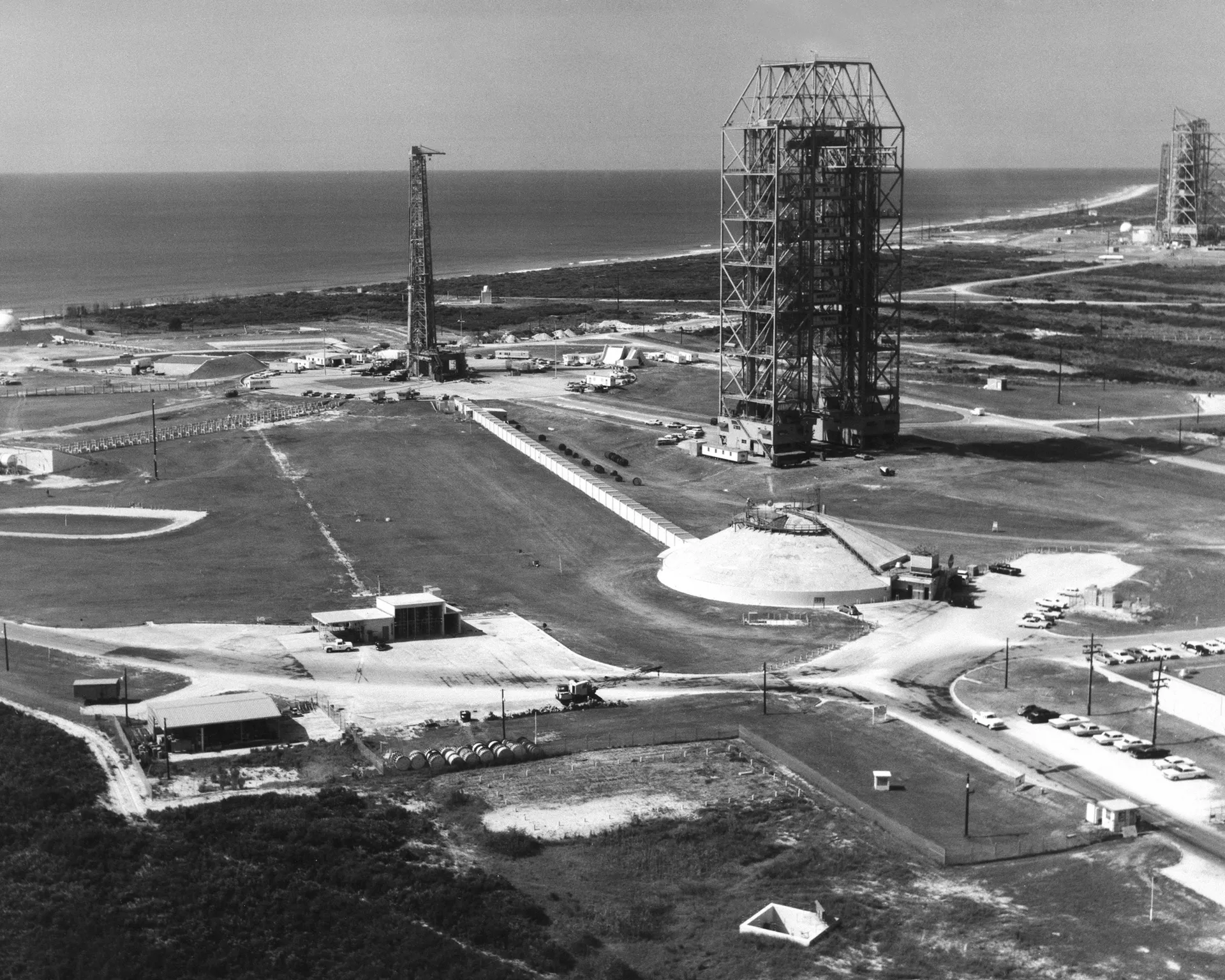
The first pad was a 30-meter-wide slab of concrete poured on sandy soil a little more than a kilometer north of the Cape’s lighthouse. Steel scaffolding bought from painters formed the first service tower; an old beach shack, sandbagged, became the blockhouse, a scant 91 meters from the pad. On July 24, 1950, after its sister missile fizzled on the pad five days earlier, Bumper 8, a V-2 with a WAC Corporal second stage, made the first launch from the Cape.1
The geography still governs. Launches from the east coast, NASA’s Jet Propulsion Laboratory explains, suit low-inclination orbits, because a rocket flying east gains from Earth’s rotation and flies out over the ocean. The trajectories needed for high-inclination and polar orbits would pass over populated areas, so those launches go from Vandenberg on the California coast instead.2
Merritt Island and the decision to assemble rockets indoors
The Moon rocket was too big for the Cape’s existing pads. In 1961 NASA’s planners studied putting launch sites offshore, on artificial islands or in the Banana River, and compared their cost with buying land on Merritt Island, across the river from the Cape. An Air Force–NASA hazards board then found that large rockets could be launched from the coastline if Merritt Island was bought as a safety zone. The offshore studies were dropped. Moonport adds a reason seldom stated: in January 1961 an Air Force radar platform off the northeast coast, a “Texas Tower,” had disappeared in a storm with 28 men, and no one wanted to persuade Congress that an offshore launch site would be safe.1
The bigger decision was how to prepare the rocket. Until then rockets were stacked and checked out on the pad, which could occupy a pad for two months. NASA’s launch team proposed instead to assemble and test the vehicle inside a building some distance away and move it to the pad only for a brief final checkout, cutting time on the pad to no more than ten days. A building would protect the rocket from the Cape’s corrosive weather and its workers from wind, rain and lightning, and concentrating the work force in one building, rather than on the ten pads once projected for 48 launches a year, would save labor. Moonport calls it the mobile concept.1
An assembly building tall enough to stack a Saturn V
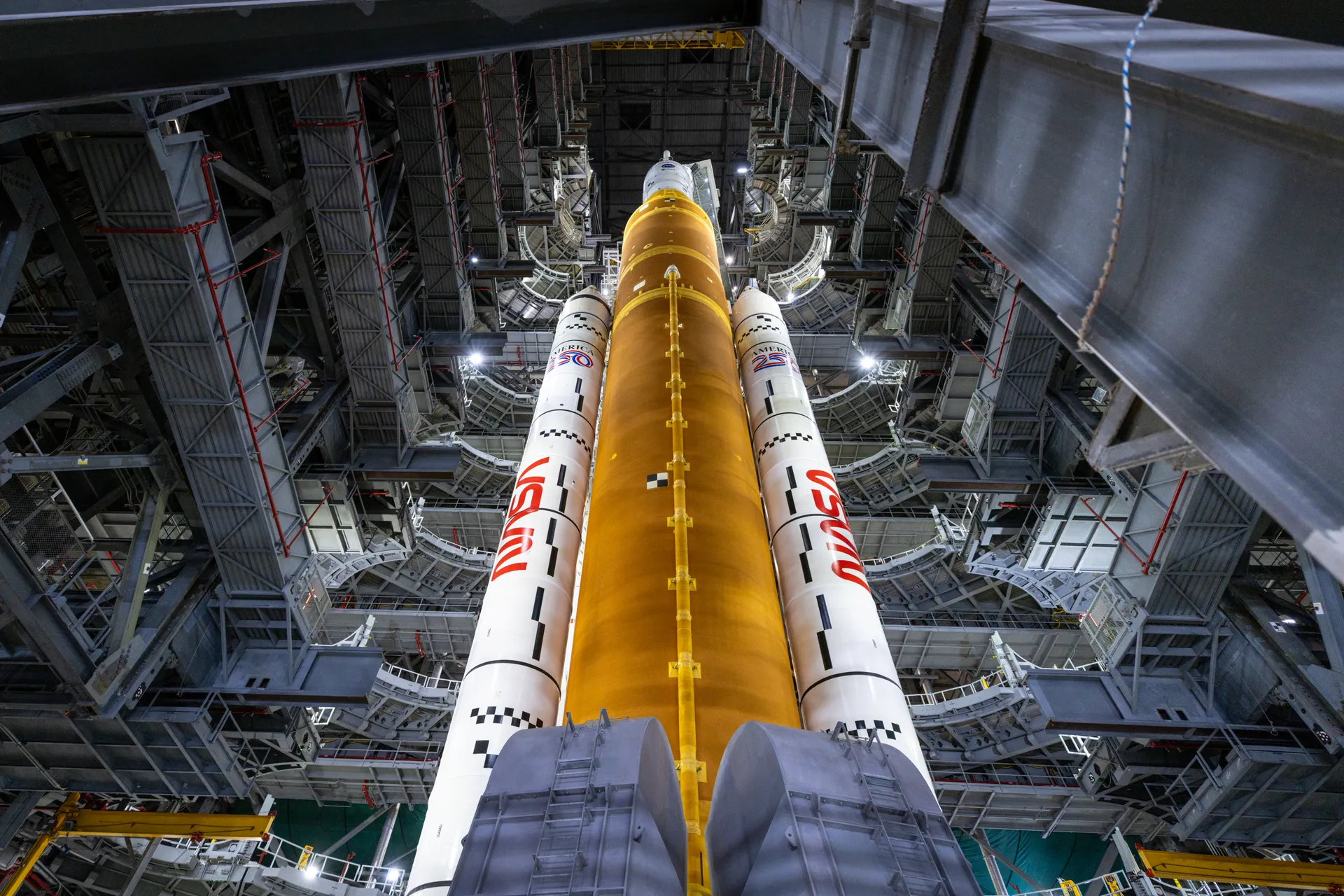
SLS and Orion inside the Vehicle Assembly Building on March 19, 2026, with the work platforms retracted for rollout to Launch Complex 39B.
By Christmas 1964 ironworkers had erected nearly 38,000 metric tons of structural steel; the frame reached its top level, 160 meters (525 feet), at the end of March 1965. Inside, cantilevered work platforms, each about 18 meters square and up to three stories tall, could extend about 9 meters to surround a rocket standing in one of the high bays. The building was first called the vertical assembly building; on February 3, 1965, it became the vehicle assembly building, a name meant to outlast the Saturn. Moonport calls it, without qualification, the largest building in the world.1
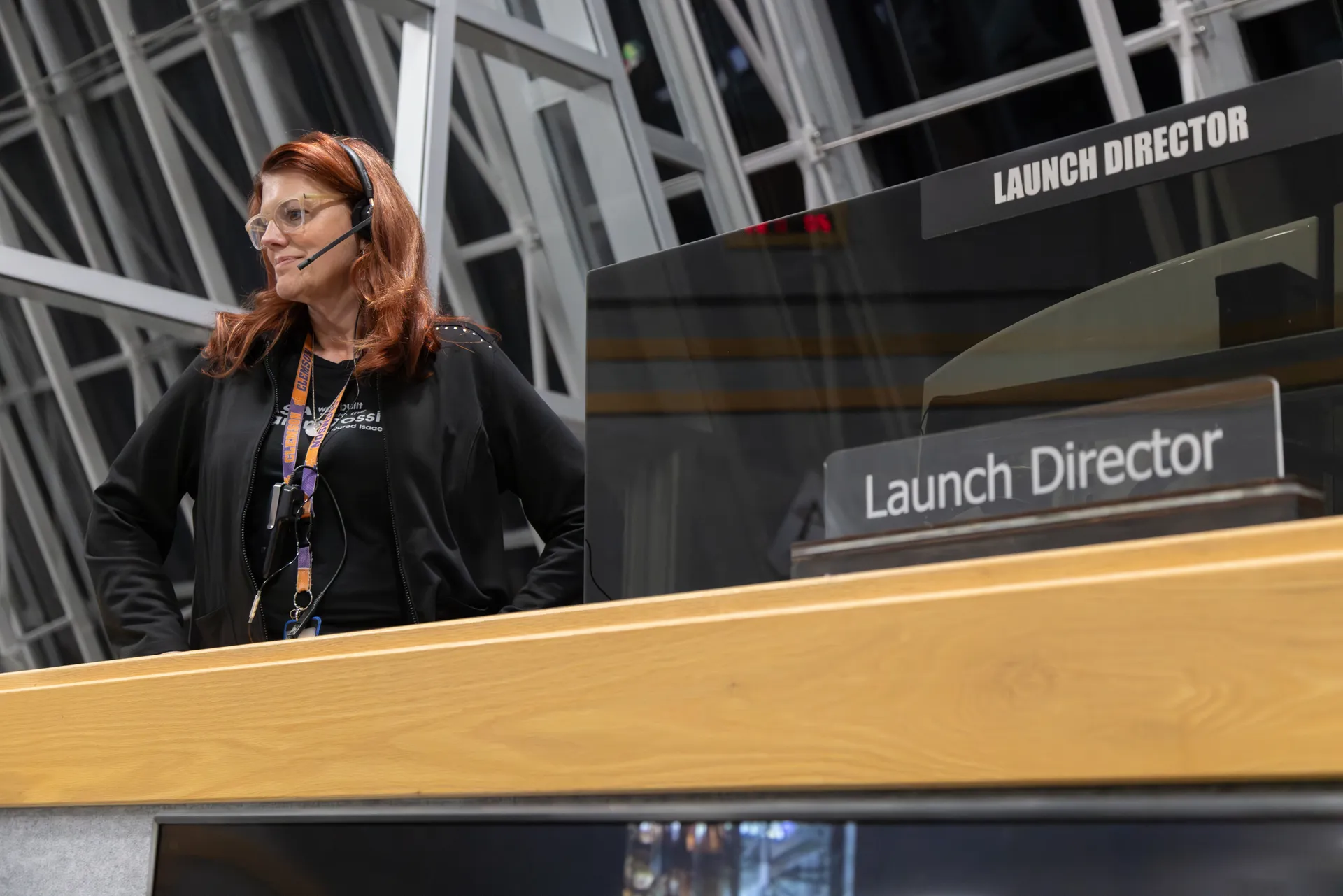
Sixty years later the method is unchanged. Engineers do almost all of the preparation of SLS inside the building, NASA says, which reduces the time the rocket spends on the pad to ten days or less before liftoff.4 The countdown is run from the launch control center next door, where Artemis launch director Charlie Blackwell-Thompson watched the Artemis II rocket roll out in March 2026.11
Crawlers that carry 18 million pounds at walking pace
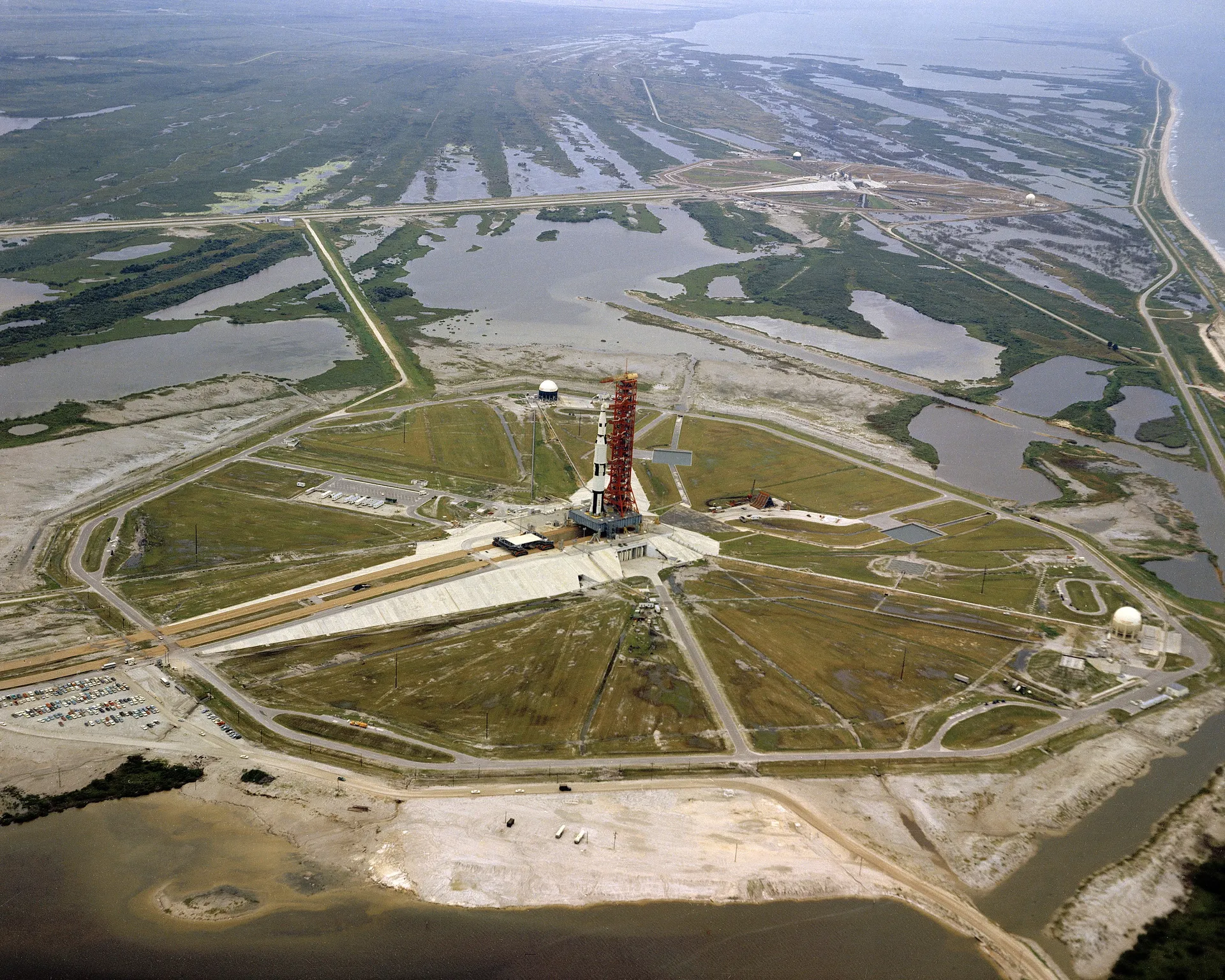
Moving a fully stacked Saturn V needed a vehicle no one had built. The Marion Power Shovel Company of Ohio built two. Moonport describes the result: “From a distance it looked like a steel sandwich held up at the corners by World War I tanks.” Each crawler-transporter was larger than a baseball infield and weighed about 2,700 metric tons. Two 2,750-horsepower diesel engines powered 16 traction motors driving four double-tracked treads, each with 57 shoes weighing close to 900 kilograms; workers nicknamed them “Them Golden Slippers.”1
The road had to be built too. The crawlerway carried a load of more than 8,400 metric tons, crawler, launcher, rocket and spacecraft, at pressures no public highway was designed for. The first crawler moved under its own power on January 23, 1965. On a press ride that April it covered about 900 meters at 1.1 kilometers per hour. In July, after a test run, the launch team found pieces of bronze and steel on the crawlerway: 14 of the crawler’s 176 roller bearings had failed under steering loads.1
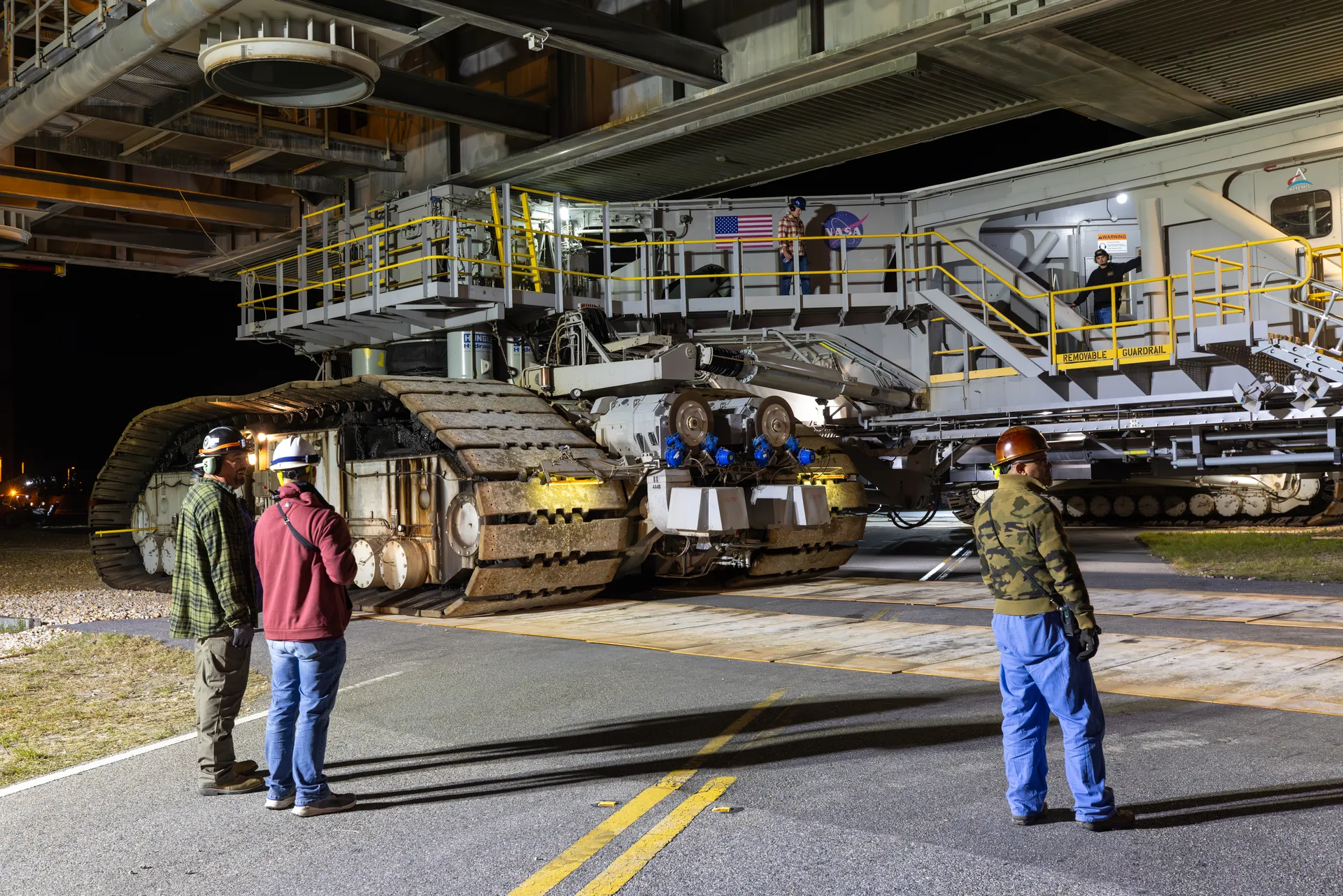
The two crawlers carried Saturn Vs to the pads from 1967 and Space Shuttles for 30 years. Crawler-transporter 2, upgraded for SLS, weighs about 6.6 million pounds and can carry 18 million pounds; in 2023 Guinness World Records named it the heaviest self-powered vehicle. It carried the Artemis II rocket from the Vehicle Assembly Building to Launch Complex 39B on March 20, 2026, with its team walking alongside on the crawlerway.3,11
The pad: a flame trench, a water tower and lightning masts
At Launch Complex 39B, NASA rebuilt the Apollo and Shuttle pad as what it calls a “clean pad.” The basics every rocket needs stay in place, such as electrical power, a water system, a flame trench and a safe launch area; anything specific to one rocket, including access for workers, arrives with the tower that delivers the rocket to the pad. The flame trench’s new deflector is built of about 150 steel plates. A water tower holds about 400,000 gallons, dumped onto the mobile launcher and into the trench in less than 30 seconds at liftoff to absorb sound. Three lightning masts about 600 feet tall, taller than the 525-foot assembly building, surround the pad, and a new tank holds about 1.25 million gallons of liquid hydrogen.4
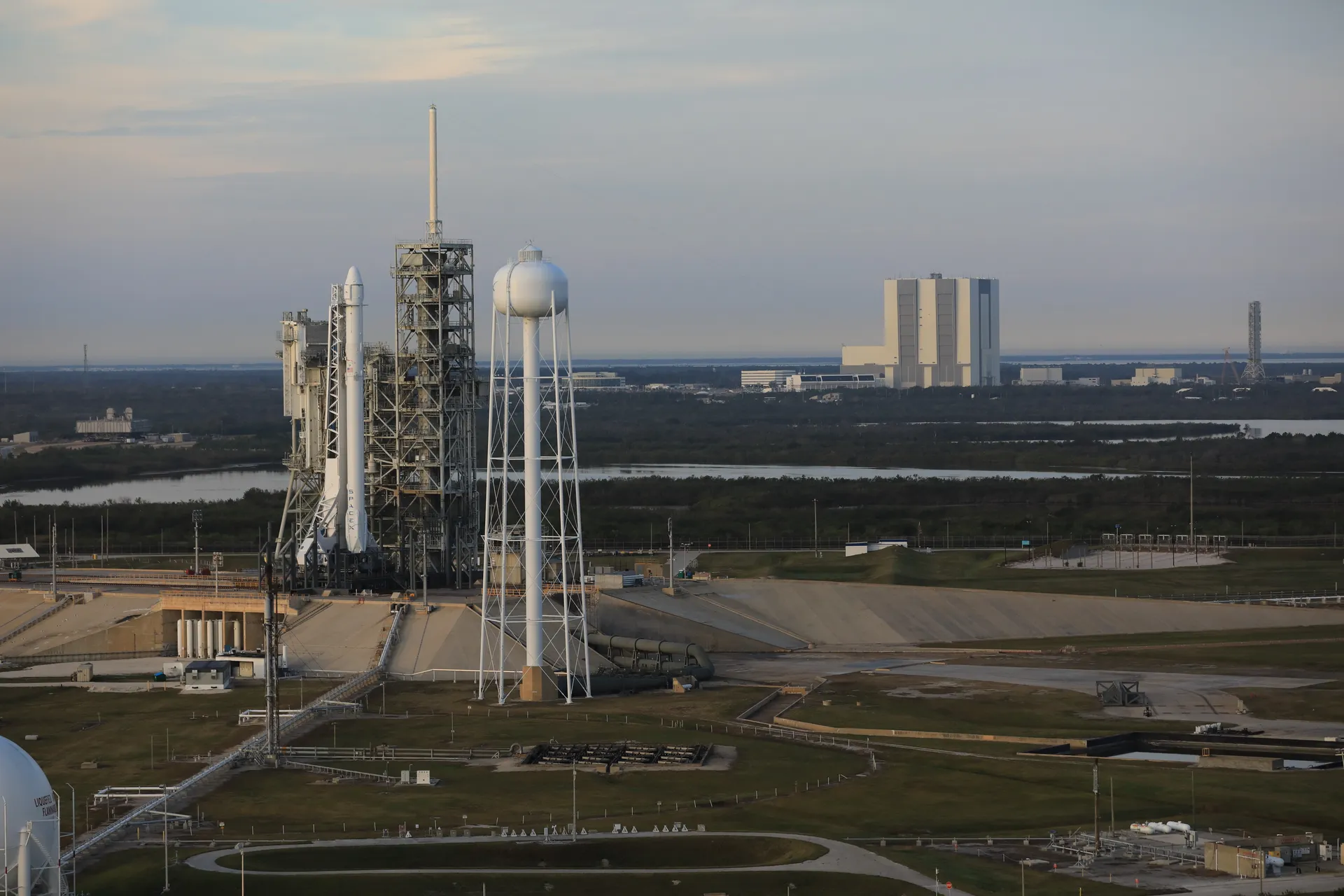
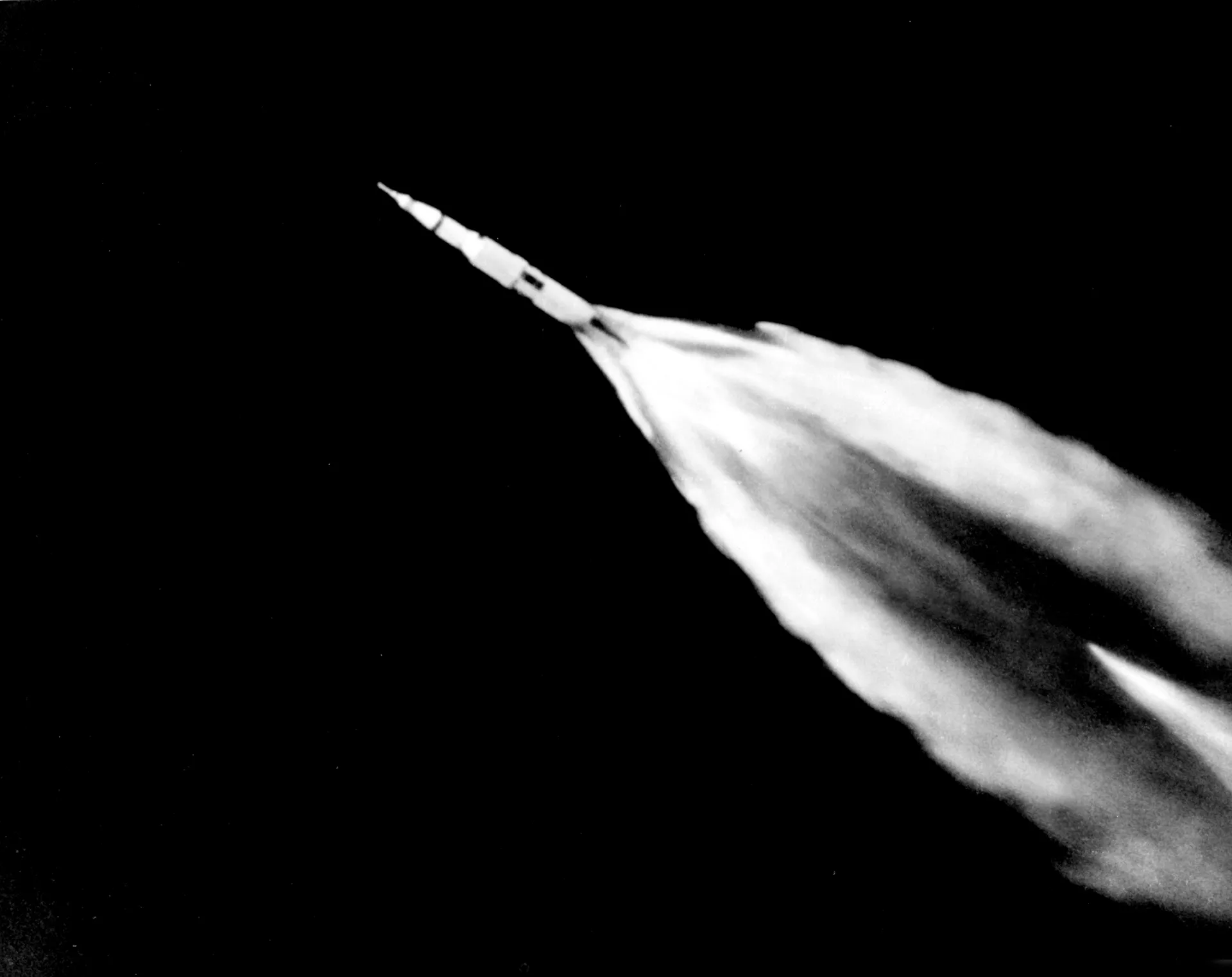
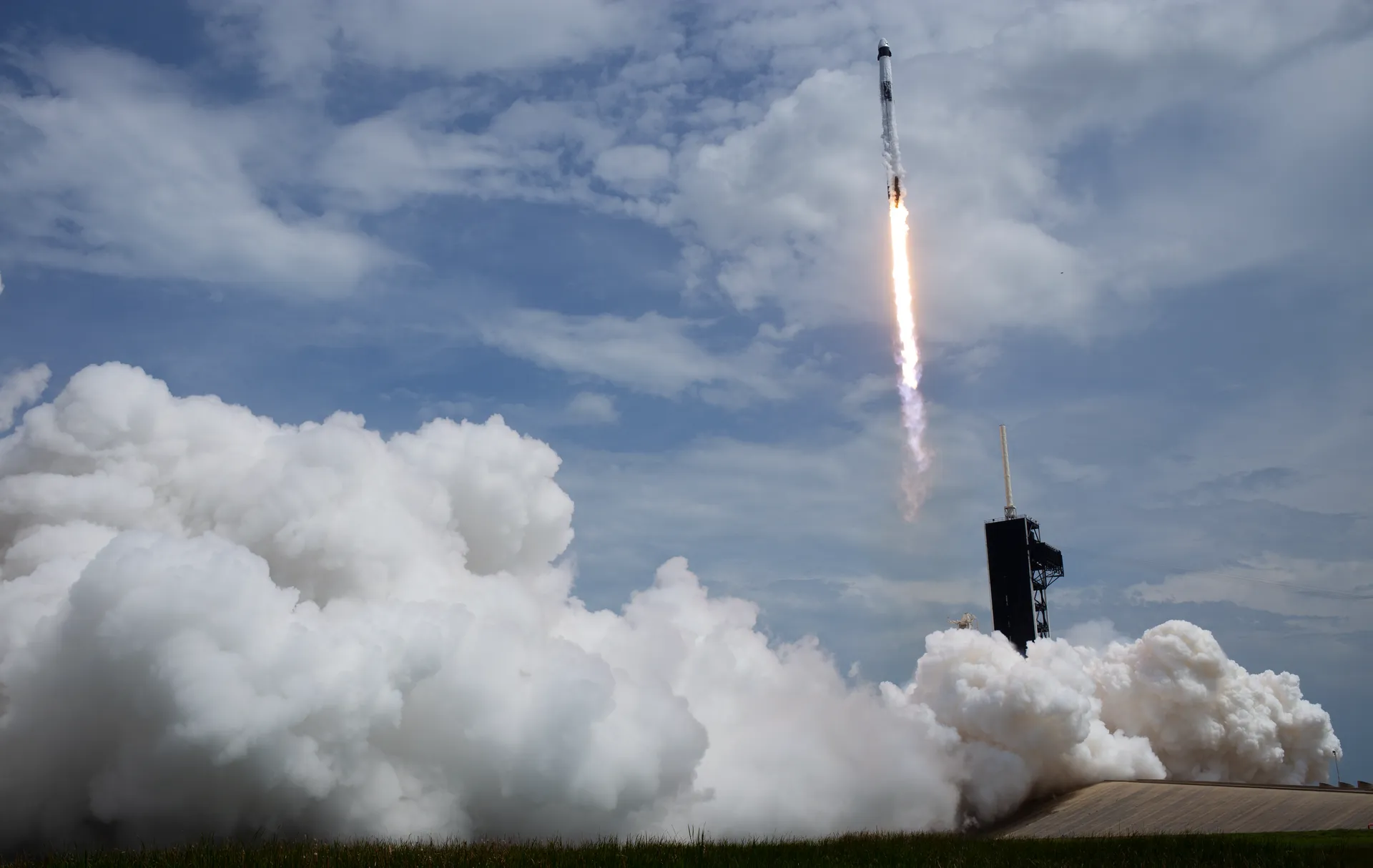
Pad 39A, a mile away, launched Apollo 4 in 1967, Apollo 11 in 1969 and the final Shuttle mission in July 2011. With no further need for it, NASA signed a 20-year agreement in April 2014 under which SpaceX operates and maintains the pad at its own expense.5 SpaceX launched the Demo-2 crew from it in 2020, controlling the launch from Firing Room 4 of Kennedy’s launch control center, the former Shuttle control room it now leases.6 In September 2026 the Artemis III crew toured the Starship launch tower on the same pad; NASA’s lunar lander plan calls for Starship tankers to launch from Kennedy as well as from Texas.10,12
Vandenberg, Wallops and Starbase
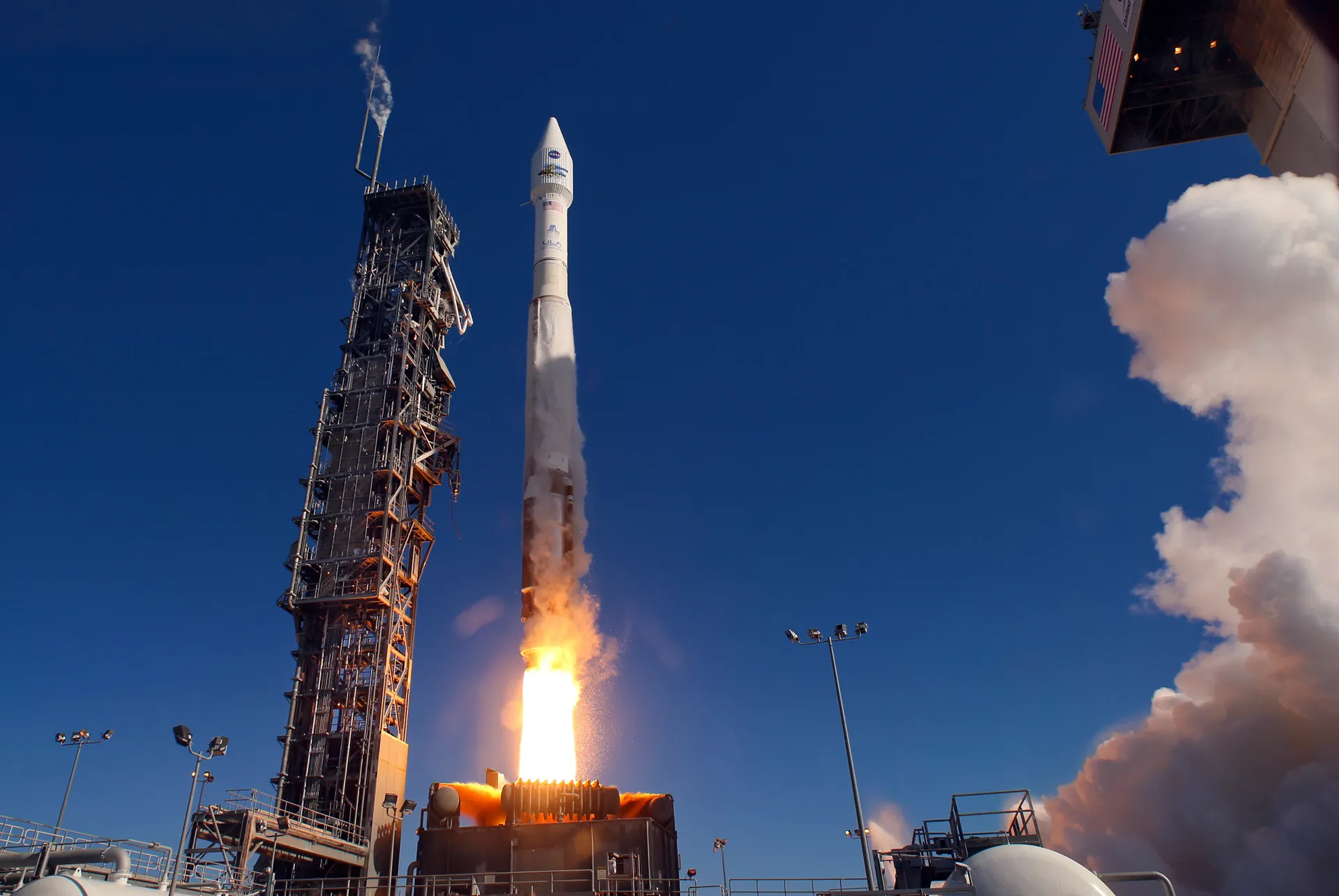
Vandenberg exists for orbits Florida cannot reach safely. A satellite bound for a polar or sun-synchronous orbit has to fly north or south; from California it does so over the Pacific.2 It has become the second-busiest site in the country: 66 launches in 2025, and 63 in the first nine months of 2026, more than Florida over the same period.9
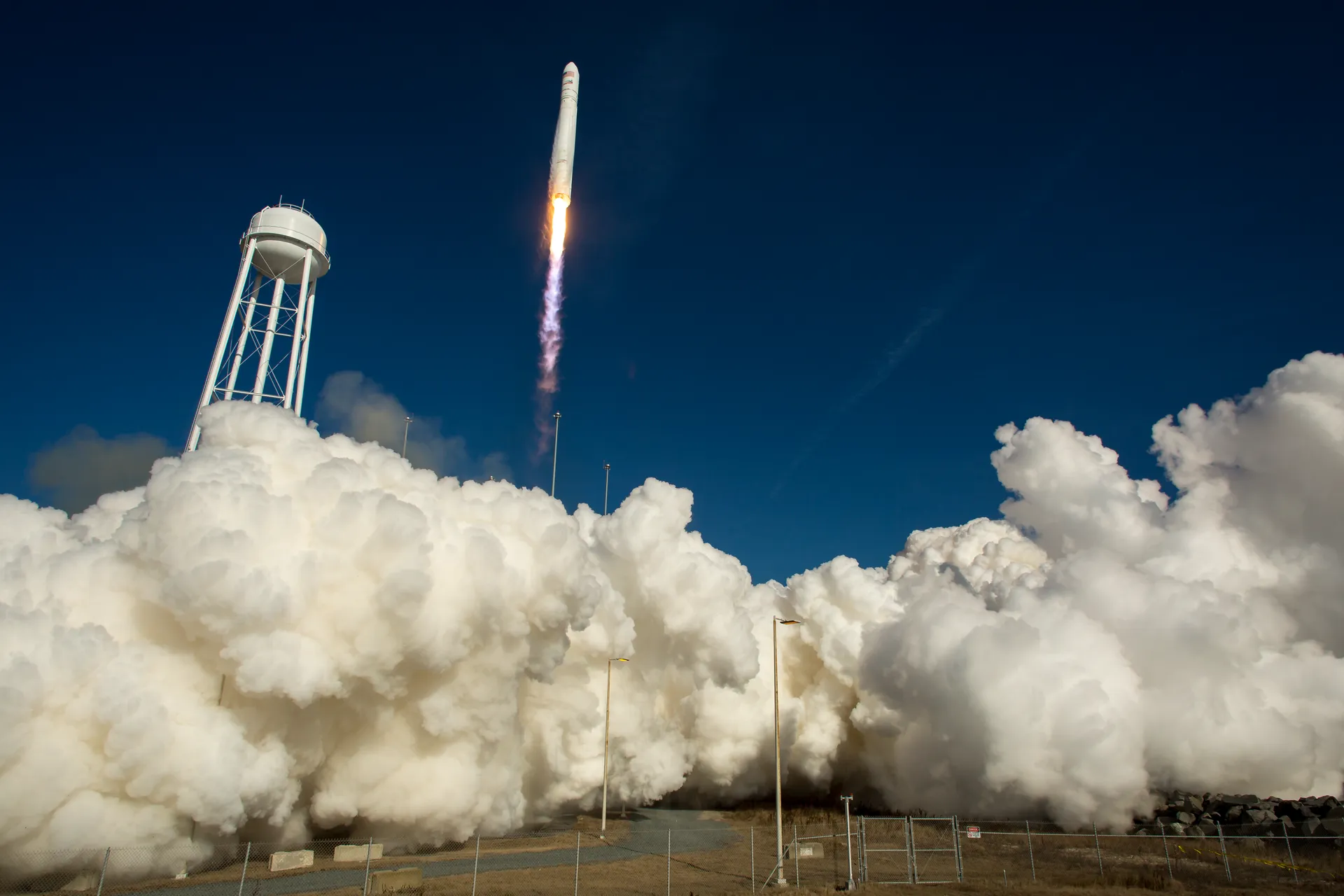
Wallops Island, on Virginia’s Eastern Shore, is home to NASA’s Wallops Flight Facility and the Mid-Atlantic Regional Spaceport. Under NASA’s commercial cargo program, Orbital Sciences launched its Antares rocket for the first time from a new pad there on April 21, 2013. NASA’s history of that program counts “two privately developed launch facilities” among its results, and credits the Mid-Atlantic Regional Spaceport, used for the Antares launches, with significant economic impact on the region.8
Starbase, at Boca Chica in Cameron County, Texas, began as a Falcon site. The FAA’s 2014 environmental review covered Falcon 9 and Falcon Heavy launches there, but SpaceX instead used the site to test Starship. Its vertical launch area is about 2.2 miles north of the Mexican border, controlled from a two-story building called Stargate; it sits beside public lands of the Texas Parks and Wildlife Department and the Lower Rio Grande Valley National Wildlife Refuge, and State Highway 4, the only road to Boca Chica Beach, ends next to the pad. After an environmental review of a higher launch rate, completed in 2025, the FAA modified SpaceX’s license to allow up to 25 Starship launches a year, with up to 25 landings a year of each stage.7
The pattern NASA set in the 1960s, assemble indoors and roll the finished rocket to a pad that is cleared for the brief violence of launch, now sits beside a different one. Across the Banana River from the Vehicle Assembly Building, Falcon 9 first stages now land back at Cape Canaveral minutes after they leave it, to be flown again.13
Sources
The text above is drawn from these 13 sources. Government works are adapted closely; company and press material is summarized. Numbers in the text point here. Last checked October 1, 2026.
Show all 13 sourcesShow fewer
Continue
Related stories
- Space Launch SystemCongress wrote SLS into law in 2010, with Shuttle engines and boosters and a 2016 goal. It first flew in 2022, at an estimated $4.1 billion a launch with Orion, and in 2026 NASA stopped upgrading it.
- Falcon 9NASA paid for milestones, not a rocket of its own design. The result now flies half the world’s launches and every American crew to orbit.
- StarshipSpaceX built the largest rocket ever flown by launching prototypes and fixing what broke. NASA’s Moon landings depend on the step it has not yet taken: moving propellant between ships.