China National Space Administration
China’s civil space agency for robotic exploration: its Chang’e missions landed on the Moon’s far side and brought samples back from it, and Tianwen-1 put a rover on Mars. Crewed flights are run by the separate China Manned Space Agency.
- Founded
- 1993
- Headquarters
- Beijing, China
- Machines in the atlas
- 1
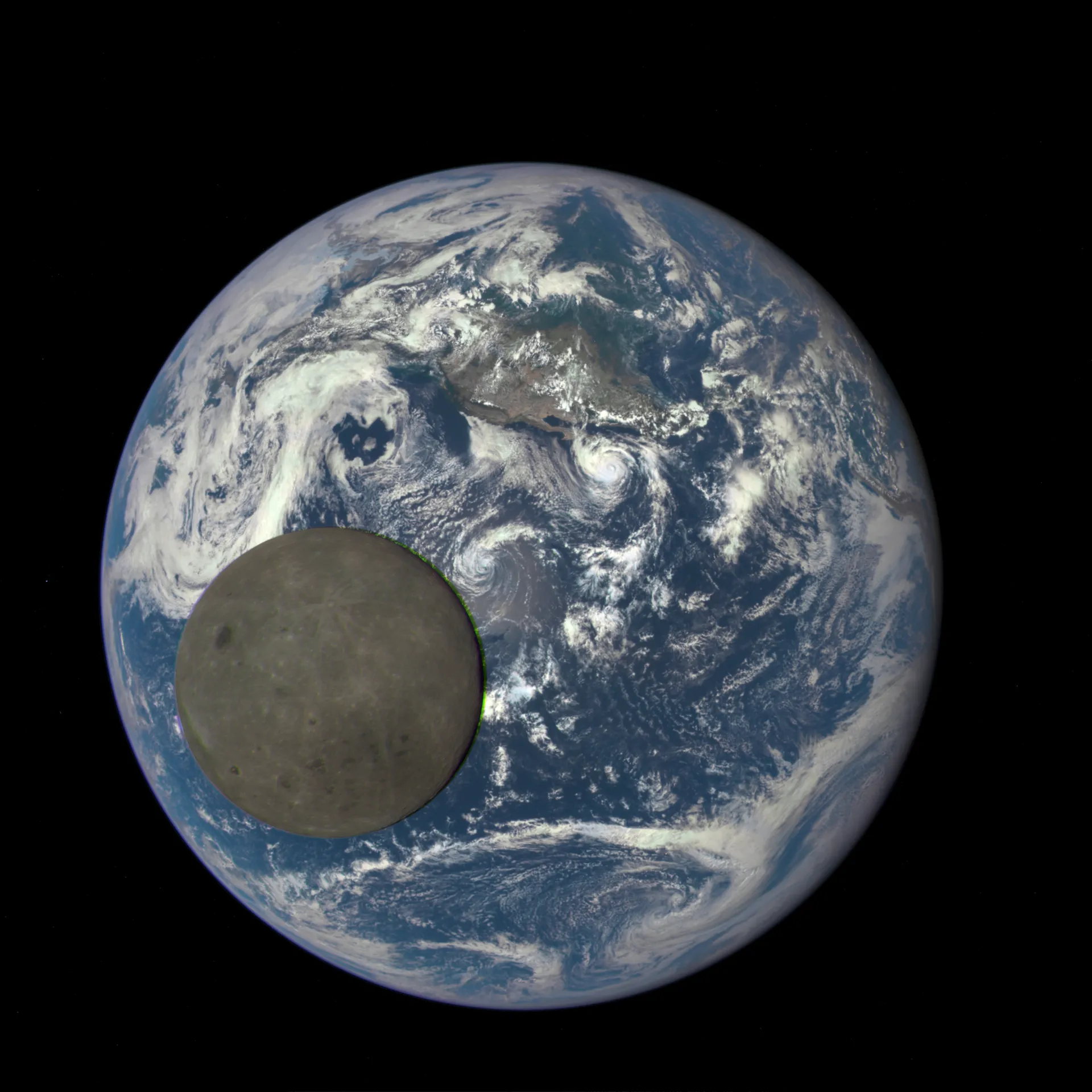
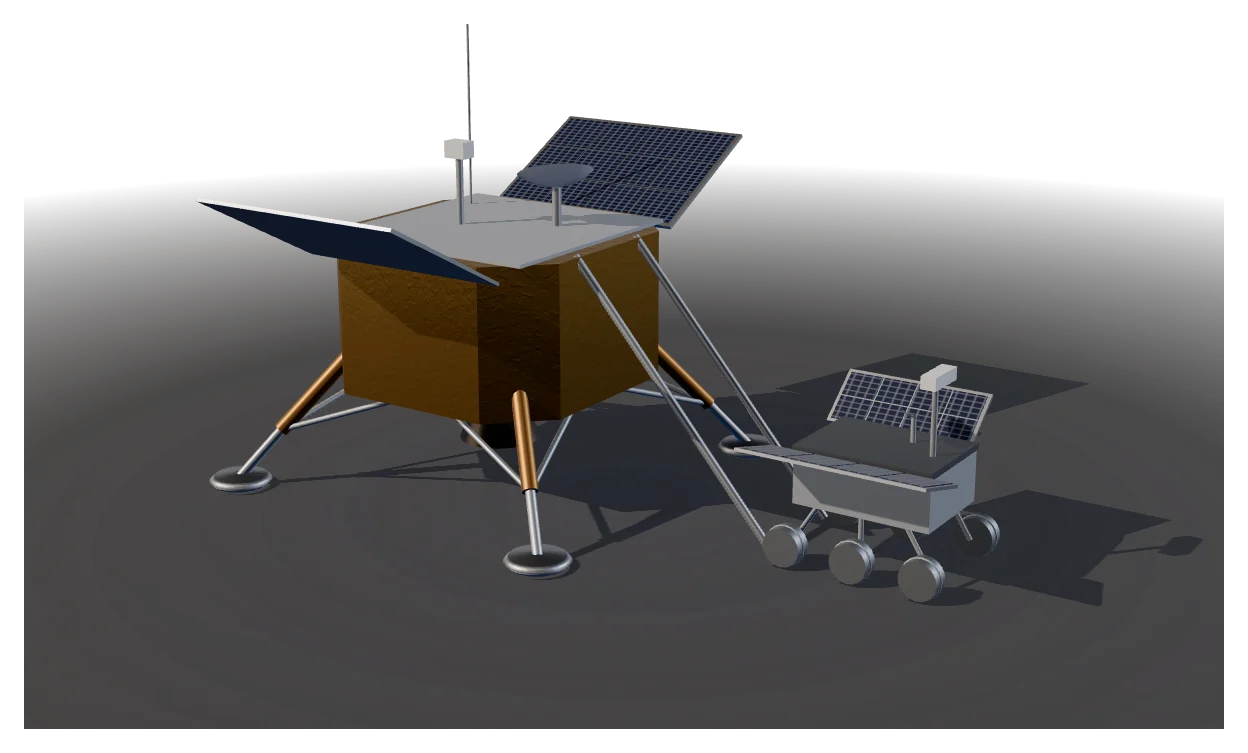
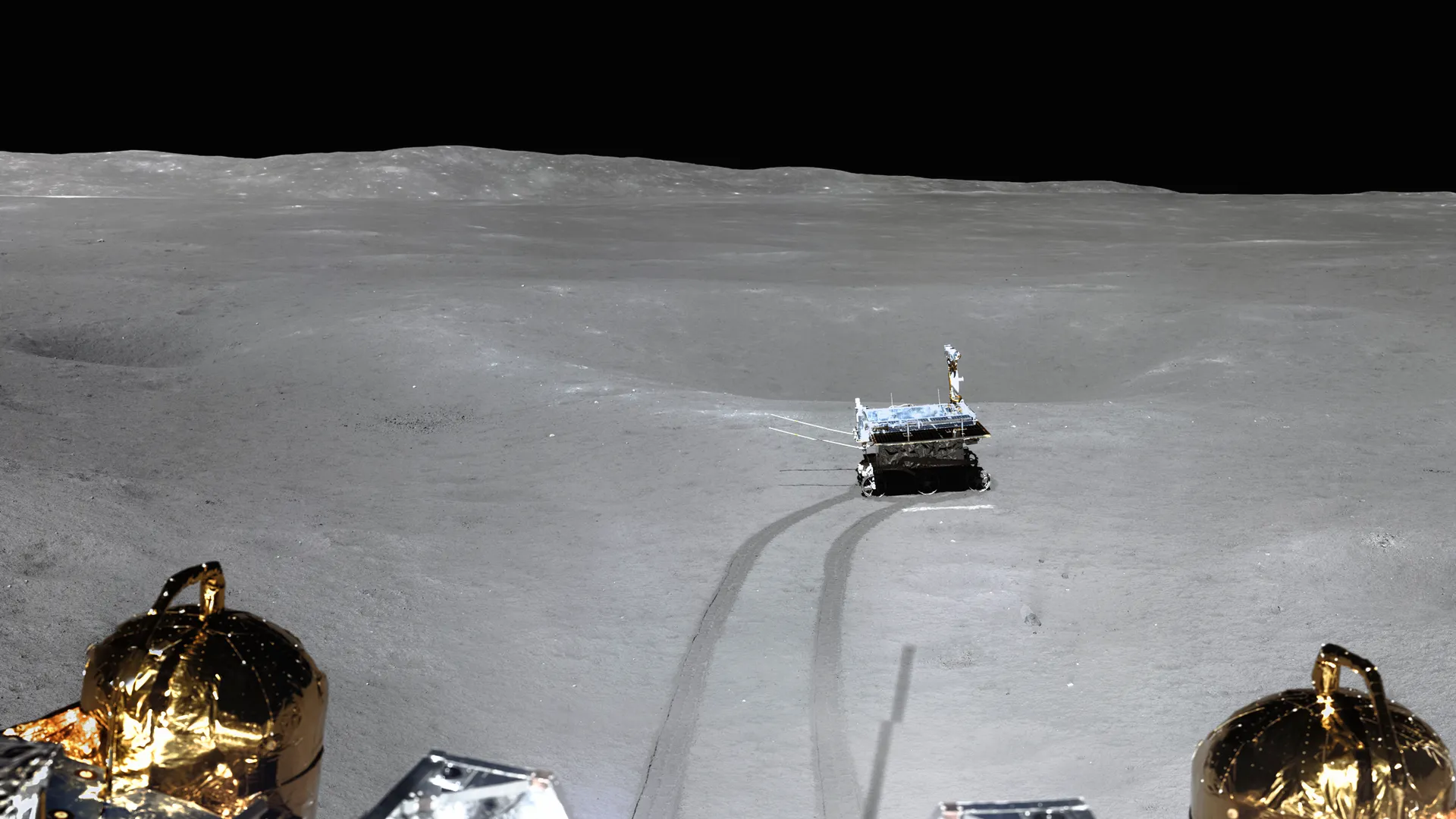
CNSA represents China’s government in civil space and runs the robotic lunar and planetary missions: Chang’e 4, the first landing on the Moon’s far side in January 2019; Chang’e 5, which in December 2020 made the first lunar sample return since 1976; Chang’e 6, which returned the first far-side samples in June 2024; and Tianwen-1, whose Zhurong rover landed on Mars in May 2021. Tianwen-2 reached the asteroid Kamoʻoalewa in July 2026 and is to bring a sample to Earth in November 2027; Chang’e 7, bound for the Moon’s south pole, missed its August 2026 launch window after Chinese officials said it did not meet launch conditions, and had not launched as of November 9, 2026. The rockets and spacecraft are built by state-owned industry, chiefly the China Aerospace Science and Technology Corporation.
China’s astronauts, the Shenzhou ships and the Tiangong space station belong to a separate program run by the China Manned Space Agency (CMSA). Since 2011 a provision written by Representative Frank Wolf has been renewed in NASA’s appropriations every year. It bars NASA from working bilaterally with China or Chinese-owned companies unless a later law authorizes the activity, or unless NASA, after consulting the FBI, certifies to the appropriations committees of Congress at least 30 days in advance that the activity poses no risk of passing technology or data with national or economic security implications to China and involves no knowing contact with officials tied to human-rights abuses.
Its machines
Stories that involve CNSA
Sources
- What is the China National Space Administration (CNSA)? The Planetary Society
- China’s Space Program: An Overview (CRS Report RS21641) Congressional Research Service, October 18, 2005
- Chang’e 4 (NSSDCA/COSPAR ID 2018-103A) NASA Space Science Data Coordinated Archive
- China’s Chang’e-6 collects 1,935.3 grams of samples from moon’s far side Xinhua, via english.www.gov.cn, June 28, 2024
- Tianwen-1 and Zhurong, China’s Mars orbiter and rover The Planetary Society
- Astronomy Picture of the Day: Trail of the Returner NASA, December 31, 2020
- Tianwen-2 arrives at target asteroid Kamoʻoalewa Astronomy, July 15, 2026
- China’s Chang’e 7 moon probe will launch this weekend on the most ambitious lunar mission in history Space.com, August 20, 2026
- China’s Chang’e-7 launch will not proceed in planned window this year Xinhua (state news agency), August 23, 2026
- GCAT orbital launch log Jonathan McDowell, General Catalog of Artificial Space Objects, updated November 9, 2026
- Public Law 112-10 (2011 full-year appropriations), section 1340 U.S. Congress, via GovInfo, April 15, 2011
- Public Law 119-74 (2026 appropriations), division A, section 526 U.S. Congress, via GovInfo, January 23, 2026