Indian Space Research Organisation
India’s space agency: it launches its own satellites and Moon and Mars probes, landed Chandrayaan-3 in the Moon’s south polar region in 2023, and built the NISAR radar satellite with NASA.
- Founded
- 1969
- Headquarters
- Bengaluru, India
- Machines in the atlas
- 1
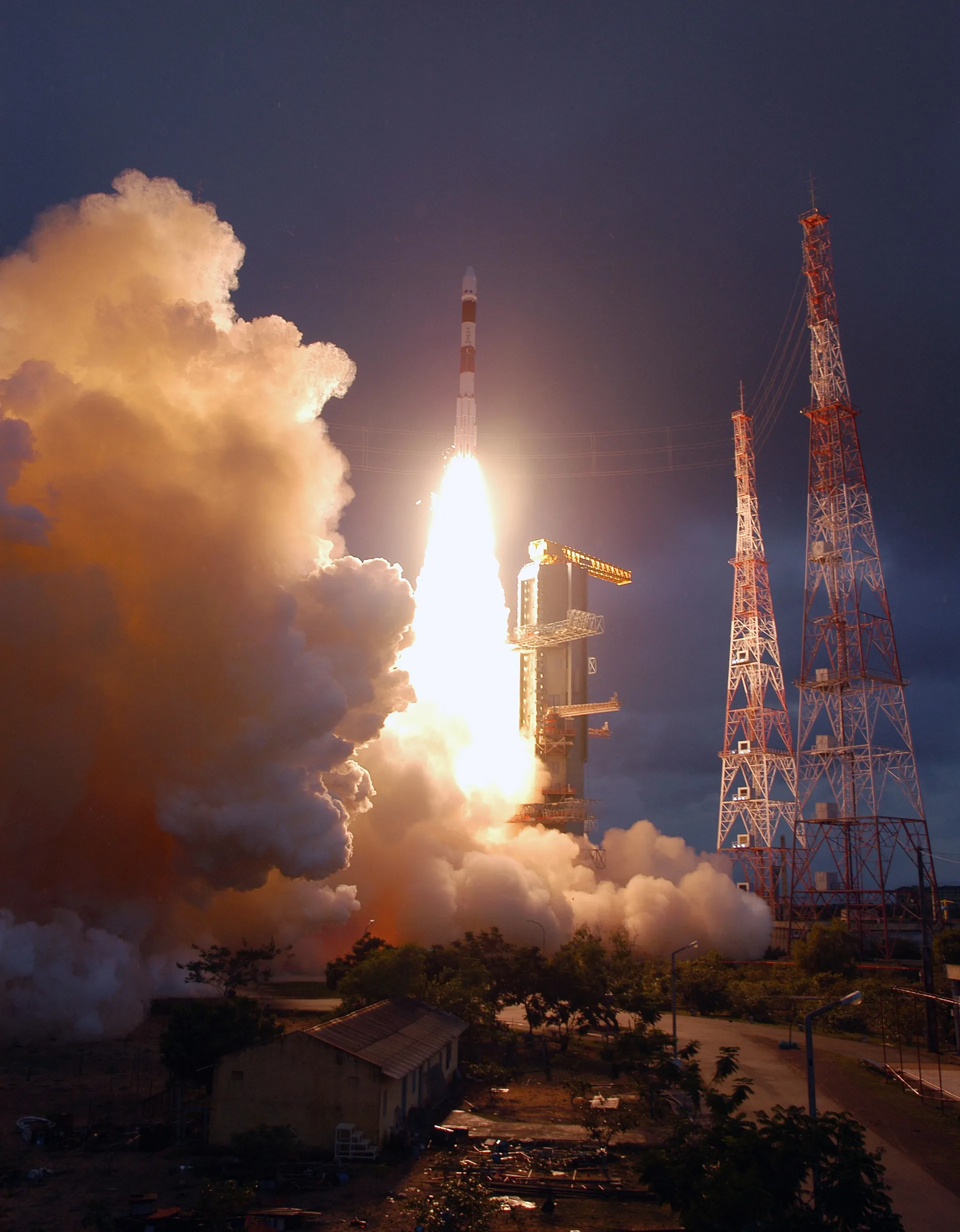
India set up a national committee for space research in 1962 and replaced it with ISRO in August 1969. India’s first satellite, Aryabhata, went up on a Soviet rocket in 1975; on July 18, 1980, ISRO’s own Satellite Launch Vehicle, SLV-3, put the Rohini satellite into orbit. From there the program grew around satellites for communications, weather and mapping before it turned to the Moon and Mars.
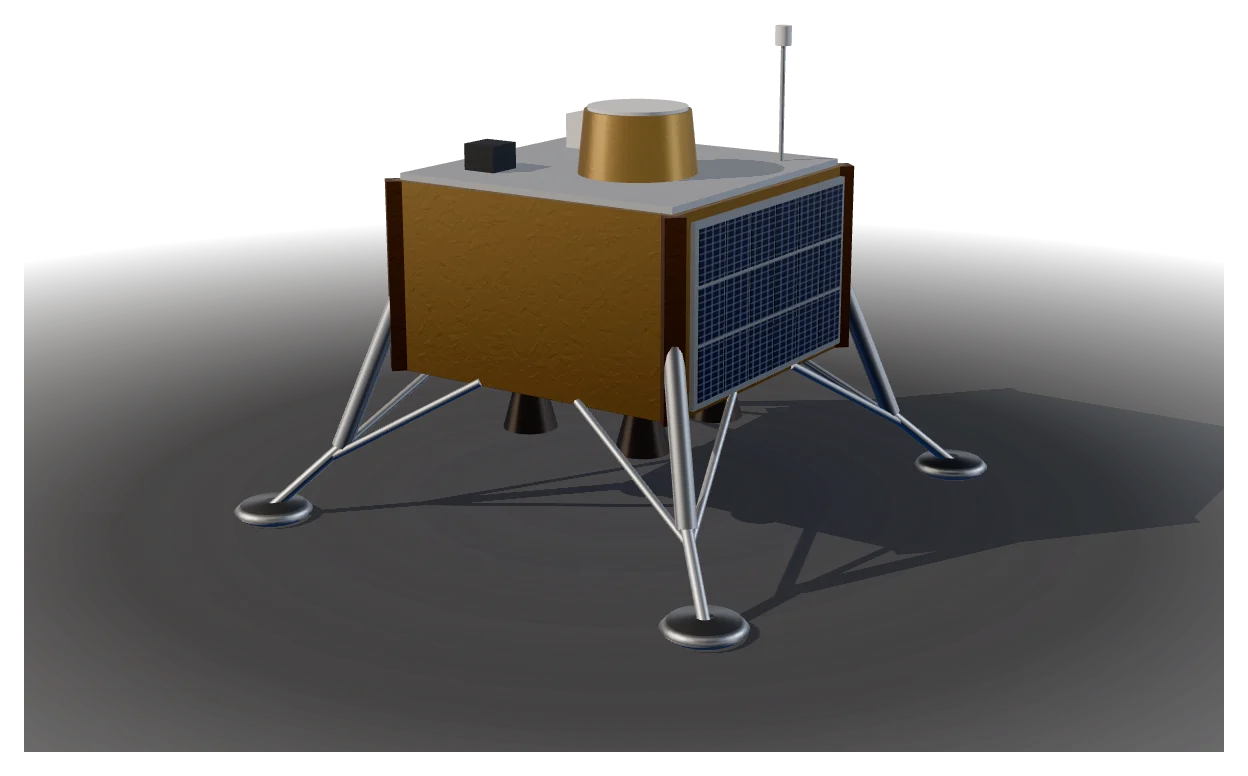
Chandrayaan-1 carried NASA’s Moon Mineralogy Mapper, whose data showed signs of water and hydroxyl molecules on the lunar surface in 2009, and Chandrayaan-3 landed in the Moon’s south polar region in August 2023. NISAR, an Earth-observing radar satellite built by NASA and ISRO together, was launched on an Indian rocket in July 2025. A month earlier ISRO astronaut Shubhanshu Shukla had flown to the Space Station as pilot of Axiom Mission 4, a private Crew Dragon flight; India’s own crew ship, Gaganyaan, had not yet flown in orbit, even without a crew, as of November 9, 2026.
Its machines
Stories that involve ISRO
Sources
- Genesis Indian Space Research Organisation
- Chandrayaan-1 / Moon Impact Probe NASA Science
- NISAR (NASA-ISRO Synthetic Aperture Radar) NASA Science
- Laser Instrument on NASA’s LRO Successfully ‘Pings’ Indian Moon Lander NASA, January 18, 2024
- The Aryabhata satellite NASA Goddard Space Flight Center, HEASARC
- SLV Indian Space Research Organisation
- Axiom Mission 4 Astronauts Enter Station, Begin Research Mission NASA Space Station Blog, June 26, 2025
- GCAT orbital launch log Jonathan McDowell, General Catalog of Artificial Space Objects, updated November 9, 2026