How Europe, Japan and India built space programs of their own
France reached orbit in 1965, Japan in 1970, India in 1980. Why each built its own rockets, what each became good at, and where Europe, Japan and India stood in November 2026.
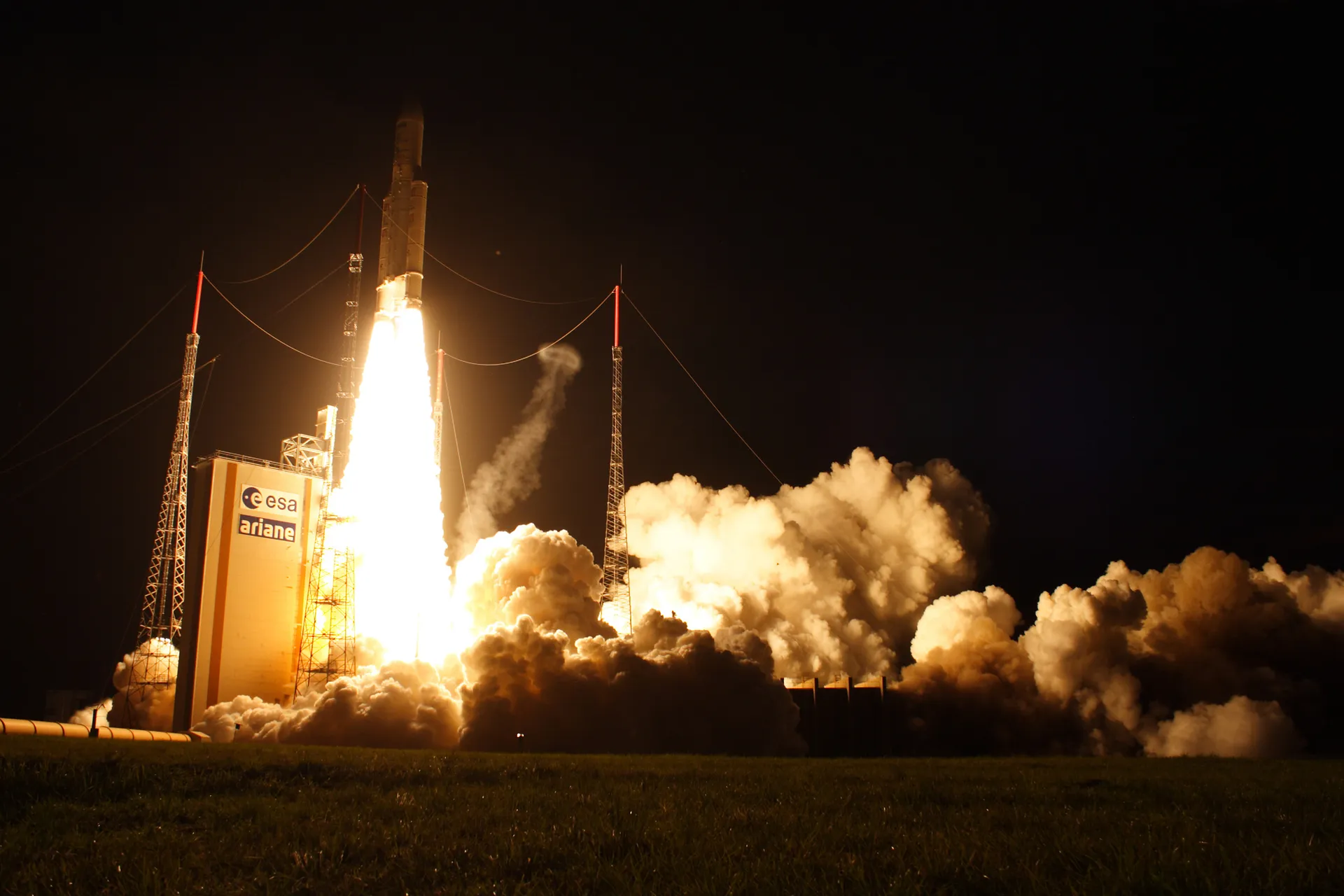
DLR/Thilo Kranz, CC BY 2.0 (via Wikimedia Commons)
Drawn from 88 sources: Indian Space Research Organisation (15), European Space Agency (11), JAXA (11), NASA (10) and 32 others. About 14 minutes. Checked November 9, 2026.
None of the three set out to race the United States or the Soviet Union to the Moon. Each built rockets in part so that it would not need another country’s permission to reach orbit, and each then spent where its government thought space paid back: Europe on a launcher that could sell commercial flights and on science missions too large for any one European country; Japan on precise, patient robotic missions and a share of the International Space Station; India on satellites for practical uses, launched on Indian rockets at low cost, and only later on the Moon, Mars and astronauts.
France reached orbit alone in 1965; Europe’s joint rocket never did
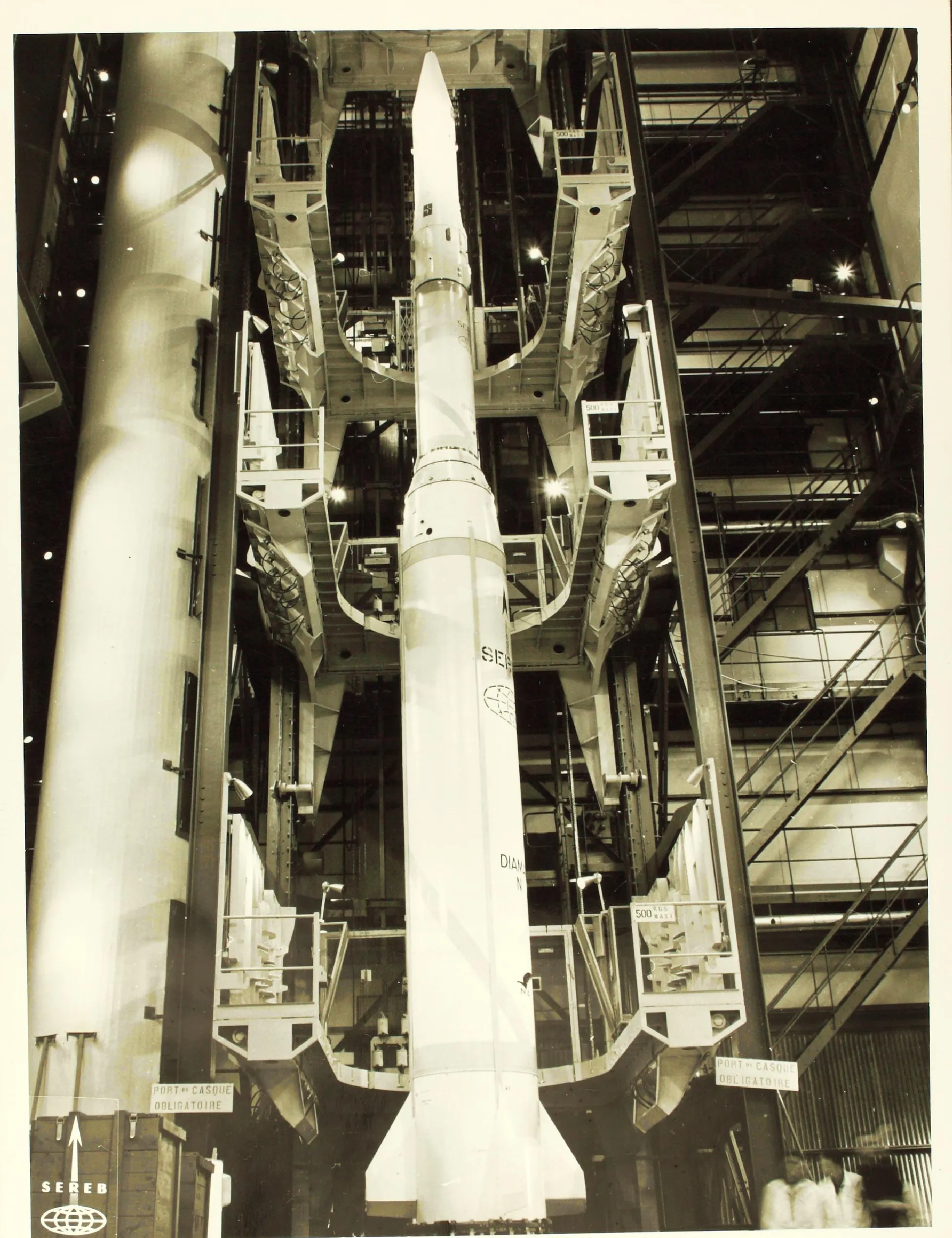
On November 26, 1965, a French Diamant rocket launched from Hammaguir, in the Algerian Sahara, put a 42-kilogram satellite named Asterix into orbit. It made France the third country, after the Soviet Union and the United States, to launch a satellite on its own rocket.4,5
Europe as a whole did worse. Its governments set up two organizations whose conventions took effect in 1964: the European Space Research Organisation (ESRO) to build science satellites and the European Launcher Development Organisation (ELDO) to build a rocket. ELDO’s Europa, with stages built in different member countries, flew from Woomera in South Australia from 1964; after repeated failures the program moved to Kourou in French Guiana, where the Europa 2 version flew once, on November 5, 1971, and failed. ELDO never put a satellite into orbit, and in April 1973 France and Germany abandoned Europa.6,7
ESRO’s first satellite reached orbit in May 1968, but its charter excluded the applications satellites—telecommunications and weather—that governments increasingly wanted. Two package deals, in 1971 and 1973, ended the deadlock: a mandatory science program paid for in proportion to each member’s national income, and optional programs that countries could join as they chose. On May 30, 1975, ten countries signed the convention of the European Space Agency in Paris, merging ESRO and ELDO.6,8,9
The United States would not launch Symphonie freely, so Europe built Ariane
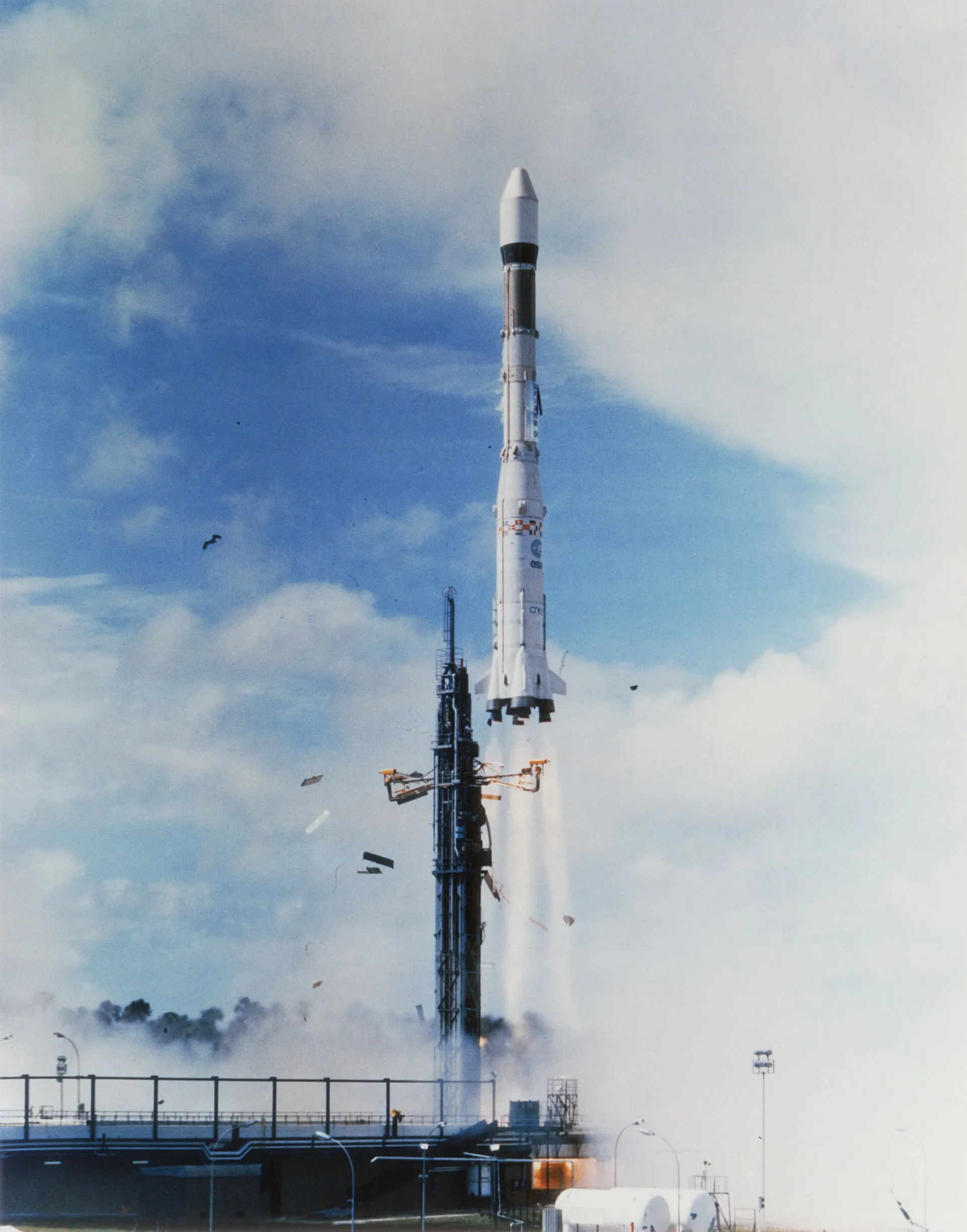
The decision that made Europe a launching power came from a communications satellite. Symphonie was a French–German satellite, and the United States would launch it only under a strict clause that kept it from competing commercially. On July 31, 1973, in Brussels, ministers from ten European countries approved a new rocket meant to give Europe “totally independent access to space.” It was called L3S at first and later Ariane.10
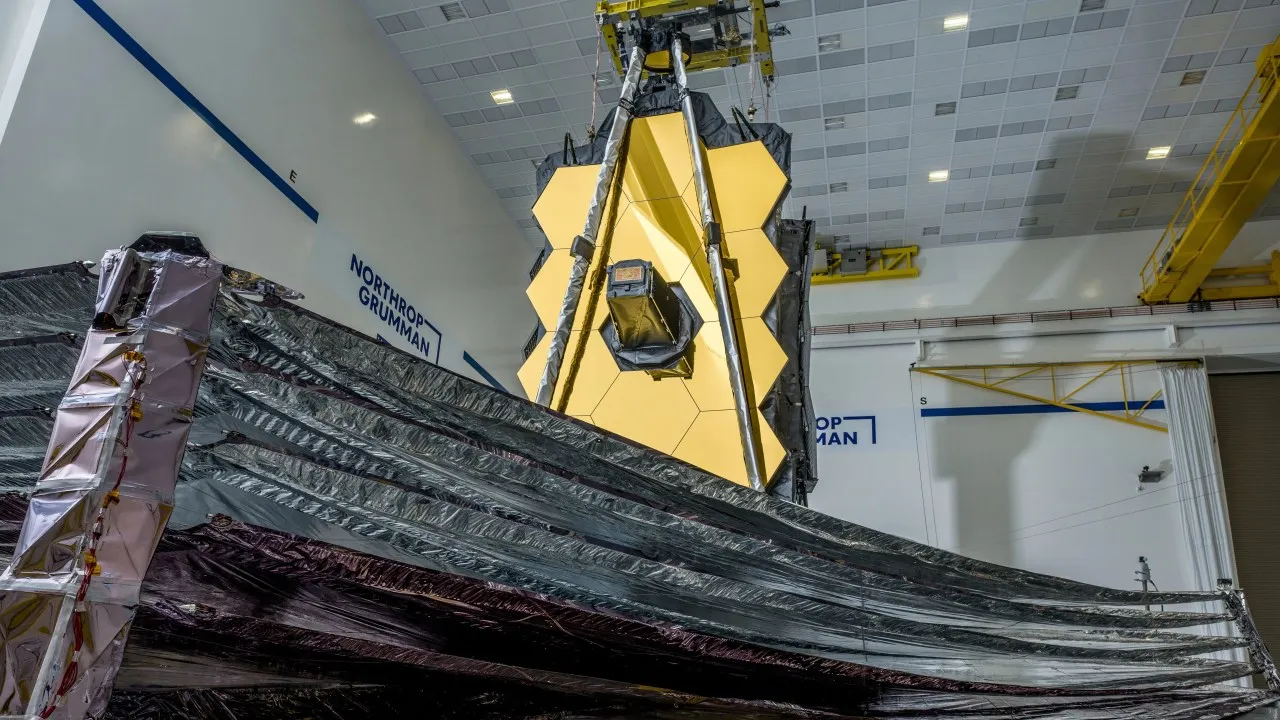
The first Ariane 1 lifted off from Kourou on December 24, 1979. Arianespace, created on March 26, 1980, to sell its flights, was the world’s first commercial space transportation company, and in the 1980s, by ESA’s count, Ariane took over half the satellite launch market.6,11 Ariane 5 failed on its first flight in 1996, then served as Europe’s heavy launcher for 27 years; its scientific passengers included Rosetta, Juice and NASA’s James Webb Space Telescope.12,13
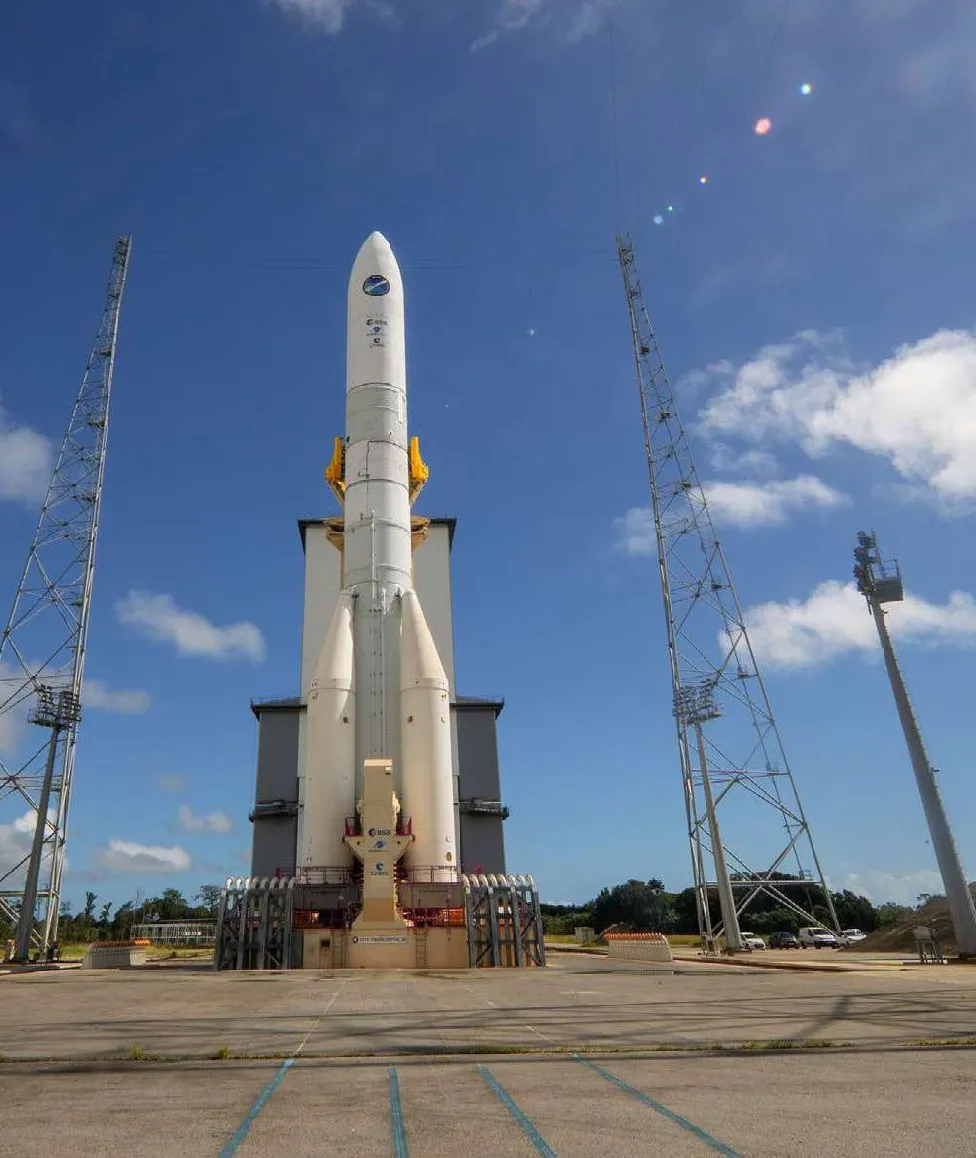
The last Ariane 5 flew on July 5, 2023, and for a year Europe had no heavy launcher of its own. Ariane 6 first flew on July 9, 2024. It reached orbit and released its satellites, but its upper stage’s auxiliary power unit shut down, so a planned third burn to bring the stage back down never happened.12,15 The next eight flights succeeded, among them the first four-booster Ariane 64 on February 12, 2026, which carried 32 satellites for Amazon’s Leo internet constellation, and on August 27 Ariane 6’s first mission to geostationary orbit, with Europe’s MTG-I2 weather satellite.16,14
In September 2026 Amazon ordered six more Ariane 64 launches, for 24 in all, and the tenth Ariane 6, carrying 36 of its satellites, was set for no earlier than November 23.17,18 Europe’s smaller rocket, Vega-C, launched two ESA Earth-observation satellites together on September 15, 2026.19
Europe’s way into human spaceflight ran through NASA’s shuttle and station
Europe has never flown a crew spacecraft of its own. Its way into human spaceflight was to build parts of NASA’s: a laboratory for the shuttle, a laboratory and cargo ships for the space station, and the module that powers Orion.
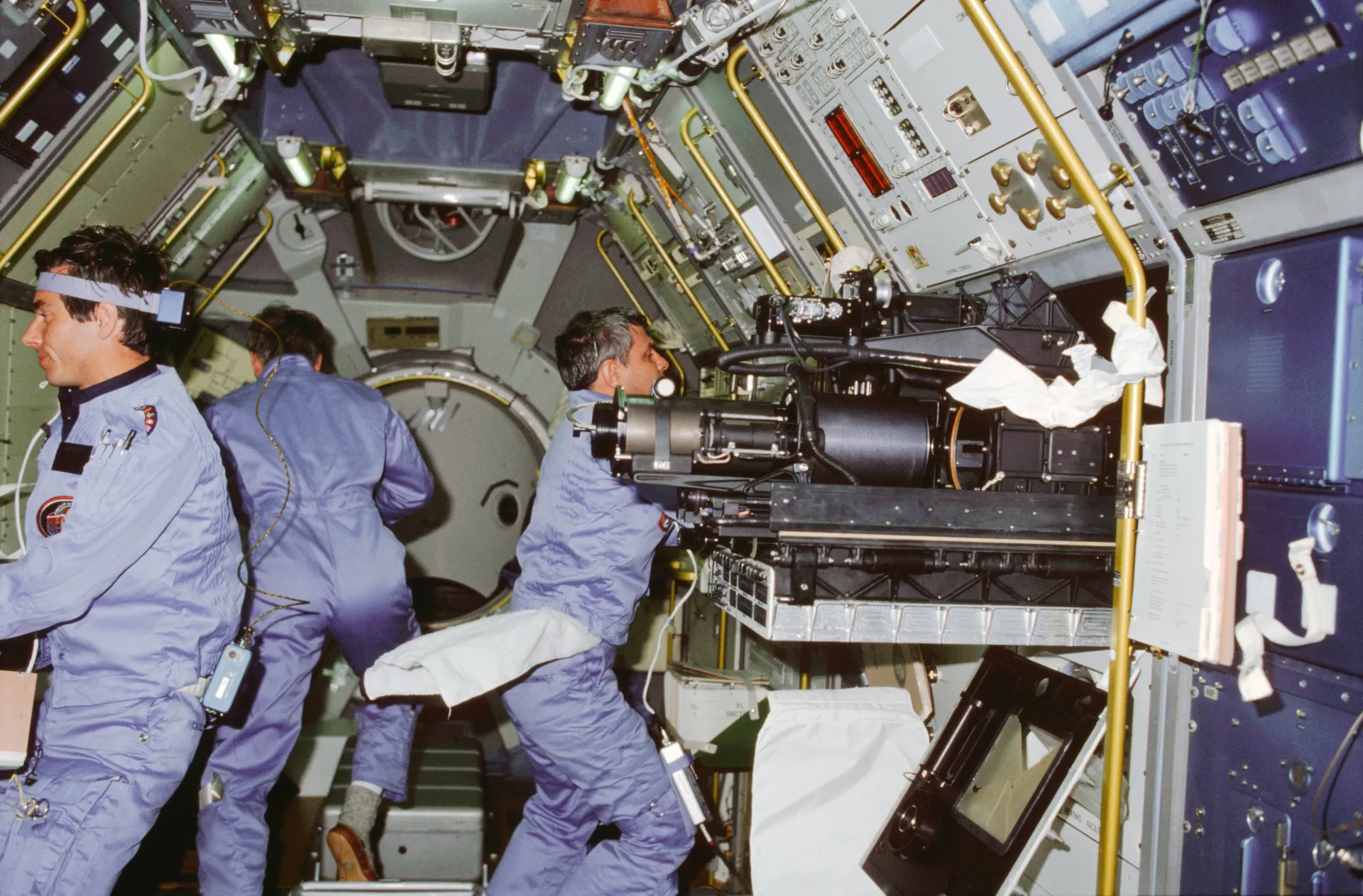
Ulf Merbold, Byron Lichtenberg and Robert Parker in Spacelab 1 on STS-9, 1983 · NASA
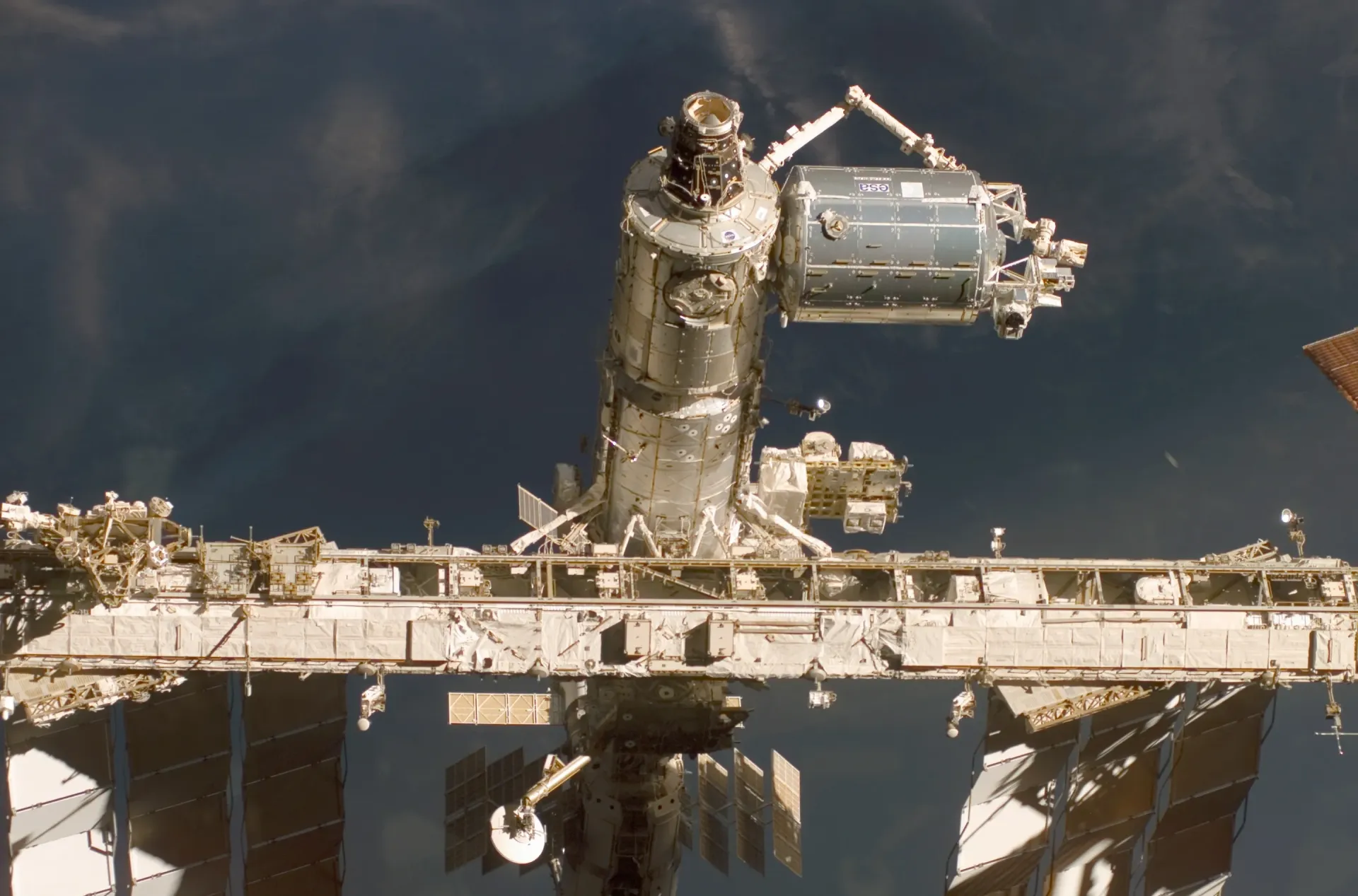
Columbus, seen from Atlantis after undocking on February 18, 2008 · NASA
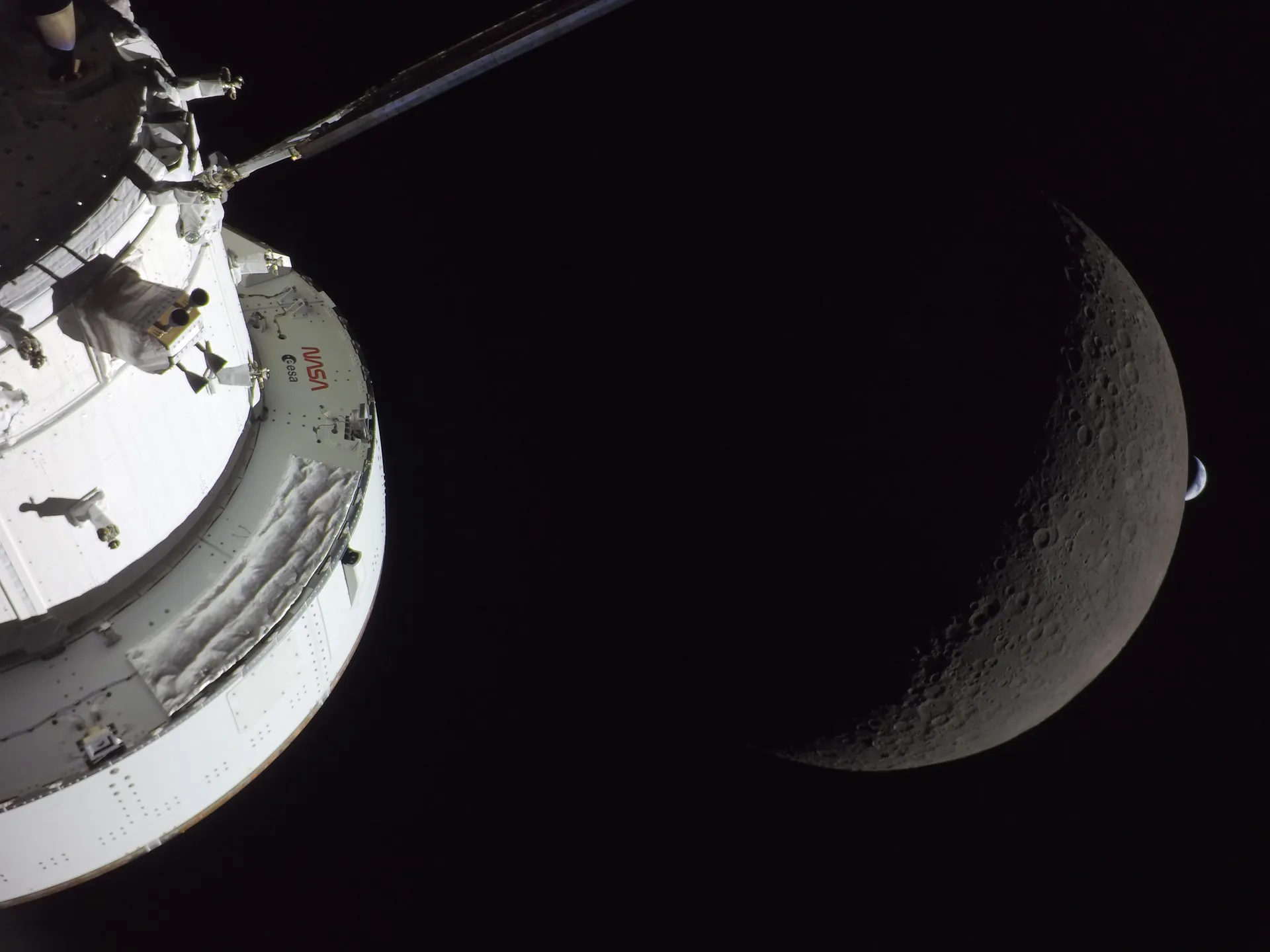
Orion on Artemis II, photographed by one of its own cameras on April 6, 2026 · NASA
1983–1998: Spacelab in the shuttle’s payload bay
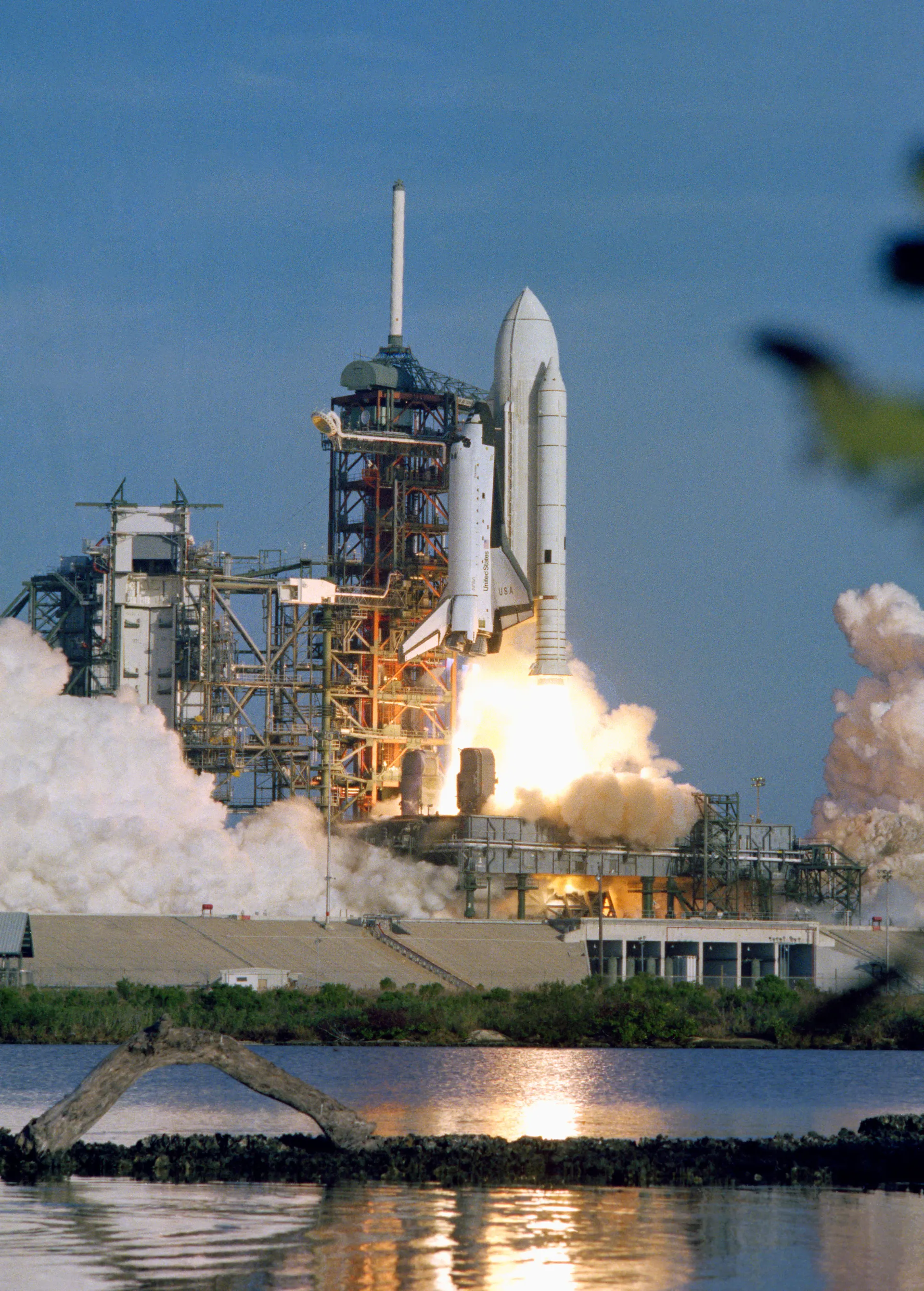
In August 1973, the same summer as the Ariane decision, NASA and ESRO agreed that Europe would build Spacelab, pressurized laboratory modules and instrument pallets for the shuttle’s payload bay, and NASA would fly European experiments and astronauts. Spacelab 1 launched on Columbia on November 28, 1983; its crew of six included Ulf Merbold of West Germany, the first non-American to fly on a U.S. space mission. NASA counts 36 Spacelab missions over 17 years, the last in 1998, and their lessons shaped the station’s modular design.20,21
2008–2015: a laboratory and five cargo ships at the station
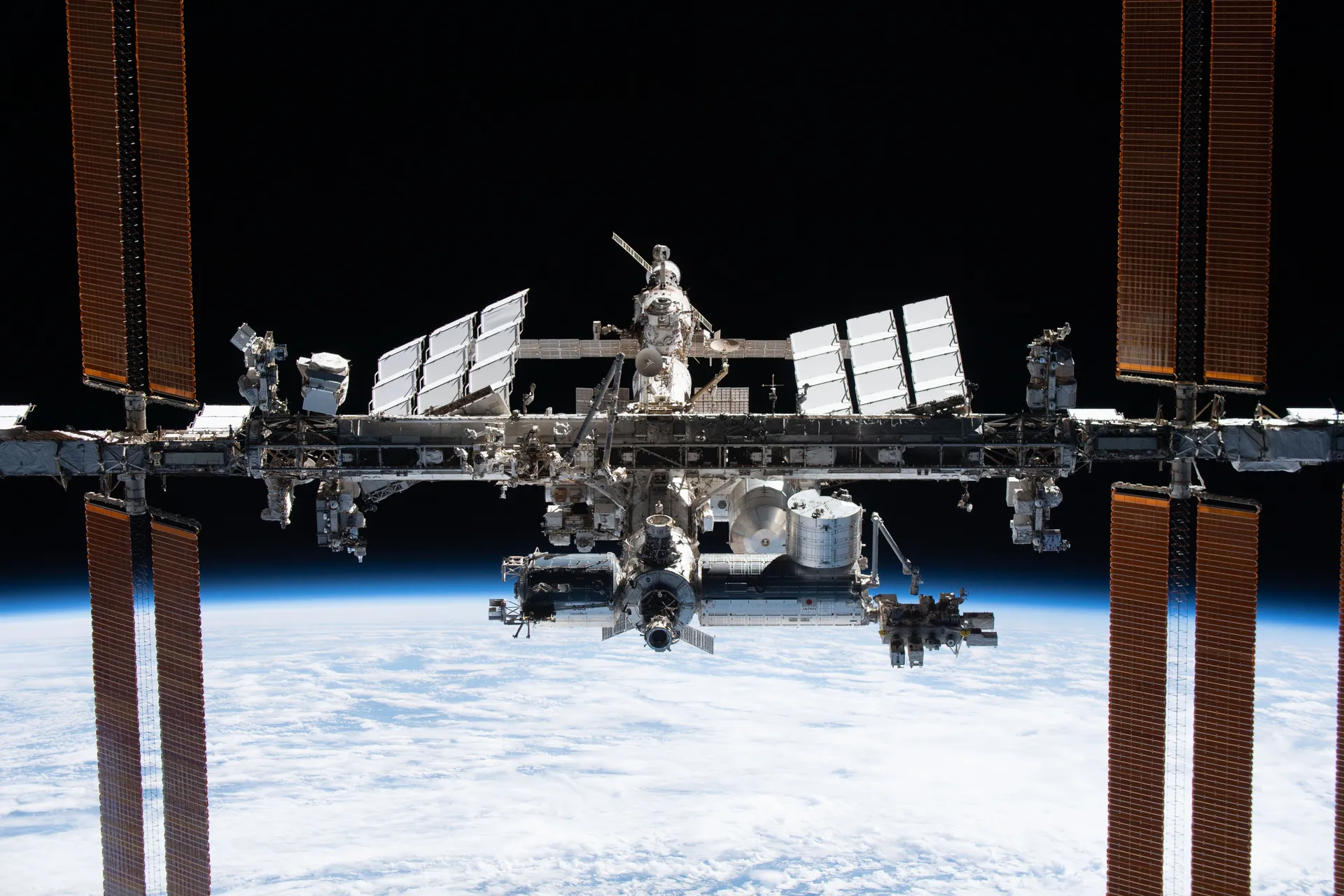
Europe’s largest contribution to the station is the Columbus laboratory, with 10 experiment racks inside and four external platforms. Atlantis launched it on February 7, 2008, and it was attached to the Harmony module four days later.22
The first of Europe’s five Automated Transfer Vehicles, Jules Verne, launched from Kourou on March 9, 2008, and on April 3 docked by itself to the aft port of Russia’s Zvezda module. The fifth and last left the station on February 14, 2015. Together they delivered about 34 tons of supplies.23,24
2026: the module behind Orion on Artemis II
The European Service Module, which sits behind NASA’s Orion capsule, draws on the cargo ships: its reaction control thrusters are the same model the ATVs used. On Artemis II, launched on April 1, 2026, it supplied the crew’s propulsion, power, water, air and temperature control on the flight around the Moon.25,26
Rosetta followed a comet around the Sun
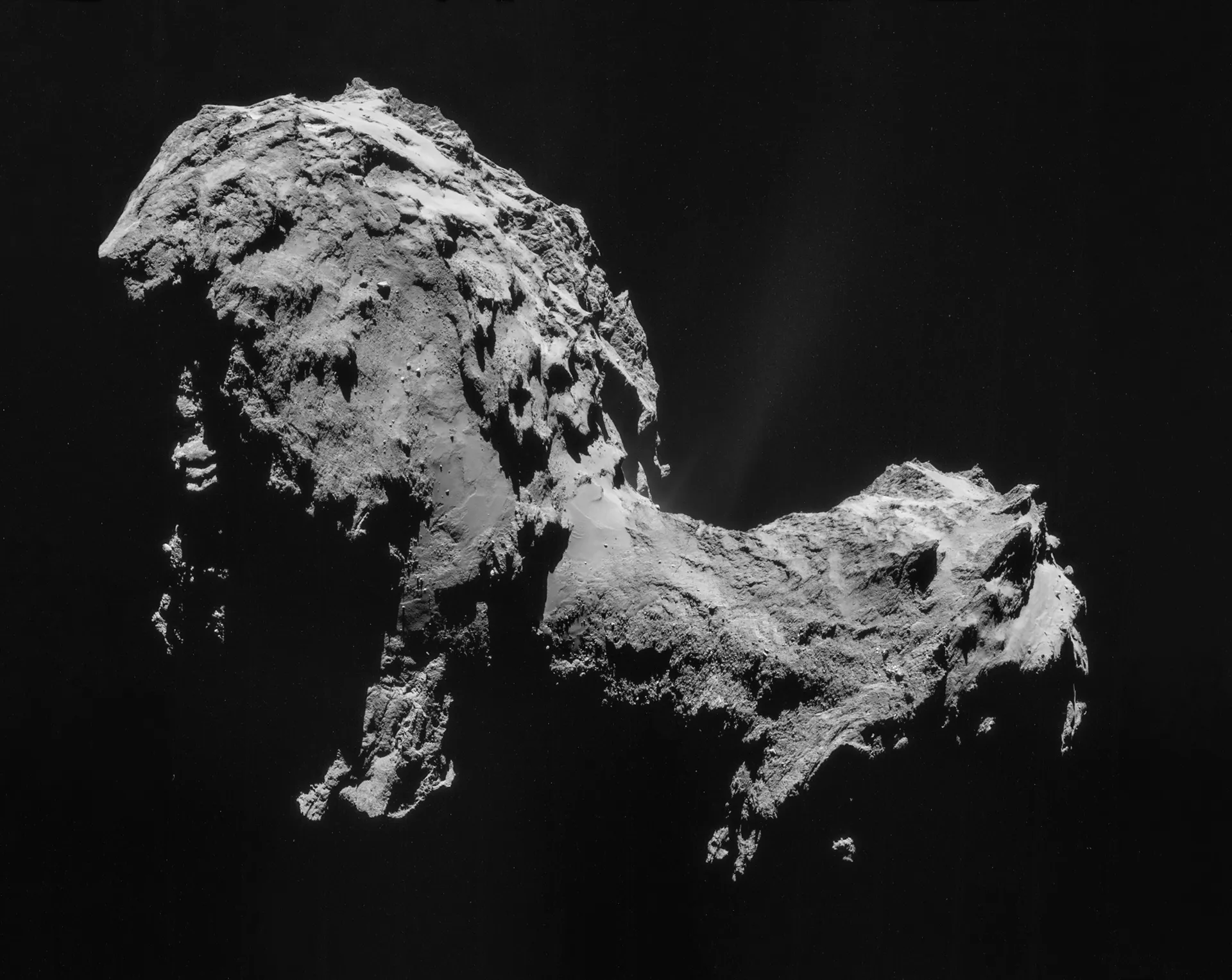
ESA’s science program, the mandatory core of the 1975 agreement, pays for missions no single European country could afford. Rosetta launched on an Ariane 5 on March 2, 2004, and on August 6, 2014, became the first spacecraft to rendezvous with a comet, 67P/Churyumov–Gerasimenko, and accompany it around the Sun.6,27
Its lander, Philae, made the first landing on a comet on November 12, 2014, but not the one that was planned. Its harpoons did not fire, and its hold-down thruster had failed to arm the night before. It touched the surface three times and came to rest in a place with only about an hour and a half of sunlight per comet day, too little to charge its batteries.6,28,29
Rosetta itself, carrying three NASA instruments among its own, worked for almost two more years. On September 30, 2016, it ended its mission with a controlled descent onto the comet.27
Japan built two space programs, one for science and one for industry
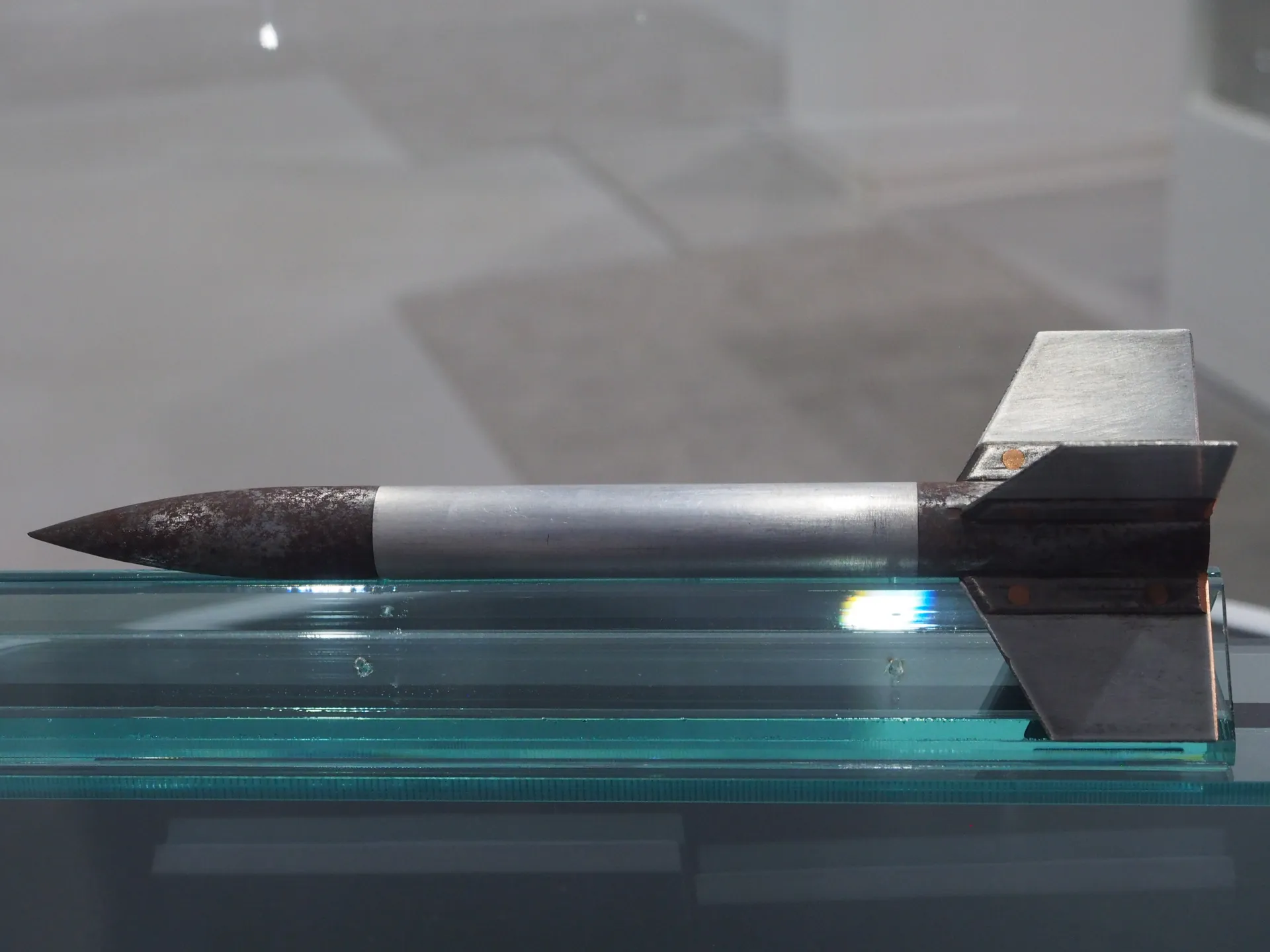
Japan’s first rocket was a pencil. In April 1955 a team at the University of Tokyo’s Institute of Industrial Science fired the small Pencil rocket horizontally at Kokubunji, in Tokyo, and from then on a university institute, not a government agency, carried Japanese space science: the Institute of Space and Astronautical Science (ISAS) stayed part of the University of Tokyo until 1981. Its L-4S rocket failed four times from 1966 to 1969. On February 11, 1970, the fifth L-4S put Ohsumi, a 24-kilogram satellite, into orbit from Uchinoura, making Japan the fourth country to orbit a satellite on its own rocket.30,31
The government built a second program for practical satellites. The National Space Development Agency, NASDA, was founded on October 1, 1969. Its first rockets used American Thor-Delta technology, built by Mitsubishi and other Japanese firms under U.S. licenses, and U.S. export rules forced Japan to import many of their subassemblies. That pushed Japan toward rockets of its own: the H-I added a second-stage engine developed in Japan, and the H-II, developed from 1986, began launching in February 1994.32,33
The two lines merged in October 2003, when ISAS, NASDA and the National Aerospace Laboratory became the Japan Aerospace Exploration Agency, JAXA.30 The H-II’s successor, the H-IIA, flew 50 times, from 2001 to its last flight on June 29, 2025, Japan time, and failed only once, in 2003.34,35
Japan’s Kibo laboratory, and the first spacecraft the station’s arm caught
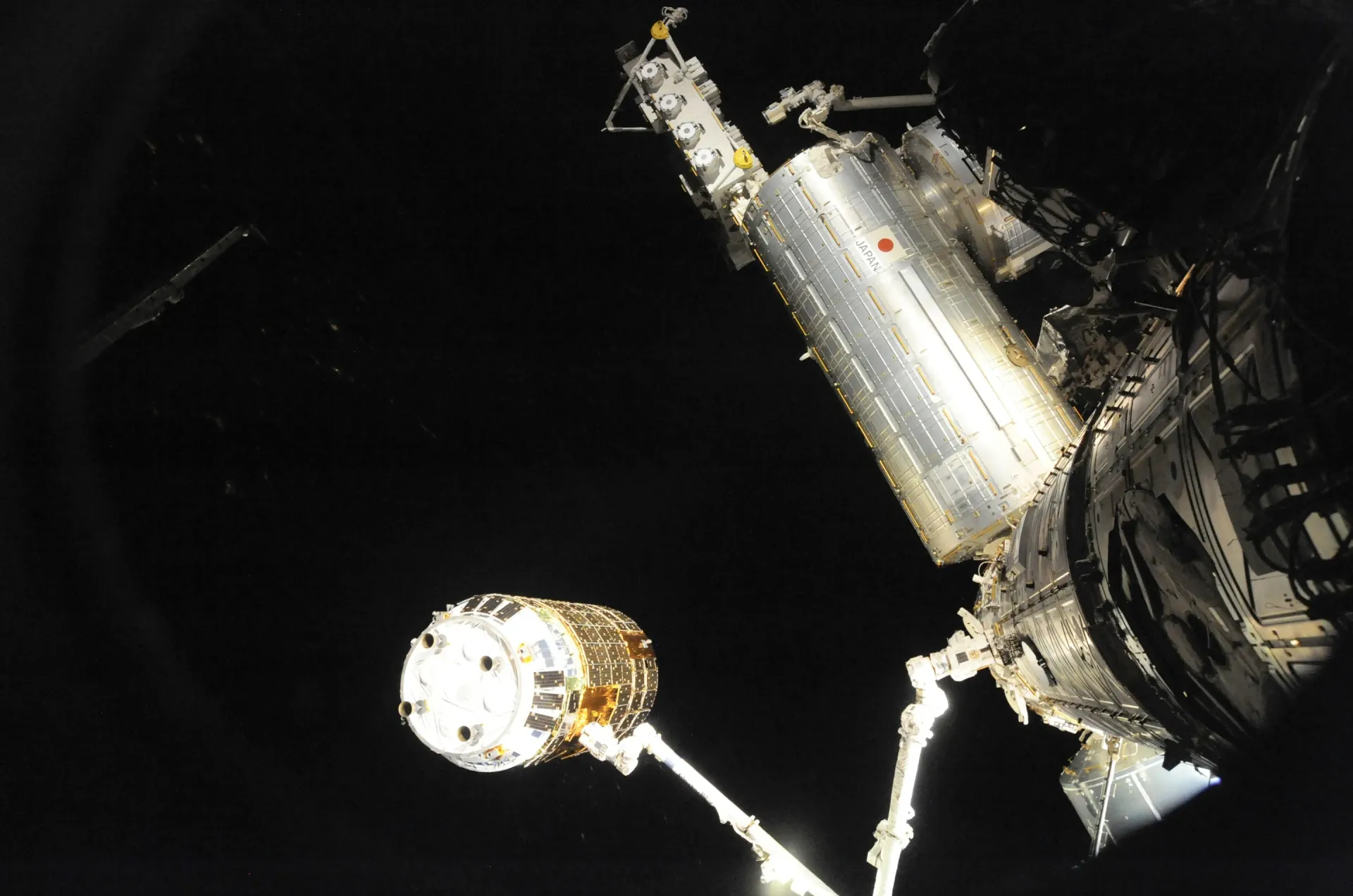
Japan signed the space station agreement with the United States, Europe and Canada in September 1988.32 Its contribution, the Japanese Experiment Module Kibo (“hope”), went up in pieces: Discovery delivered the pressurized module and its robotic arm on STS-124, launched May 31, 2008, and in July 2009 Endeavour added the Exposed Facility, a porch where experiments work in open space.36,37
To supply Kibo and the rest of the station, Japan built the H-II Transfer Vehicle, which could carry up to about 6 metric tons of cargo. HTV-1 launched on the first H-IIB rocket on September 10, 2009 (September 11 in Japan). It did not dock: on September 17 NASA astronaut Nicole Stott grappled it with the station’s robotic arm, and Canadian astronaut Robert Thirsk berthed it to the Harmony module.38
Nine HTVs flew, two more than first planned, the last in 2020. The first of an upgraded successor, HTV-X1, launched on the H3 rocket on October 26, 2025.38,39
Hayabusa brought back the first asteroid samples
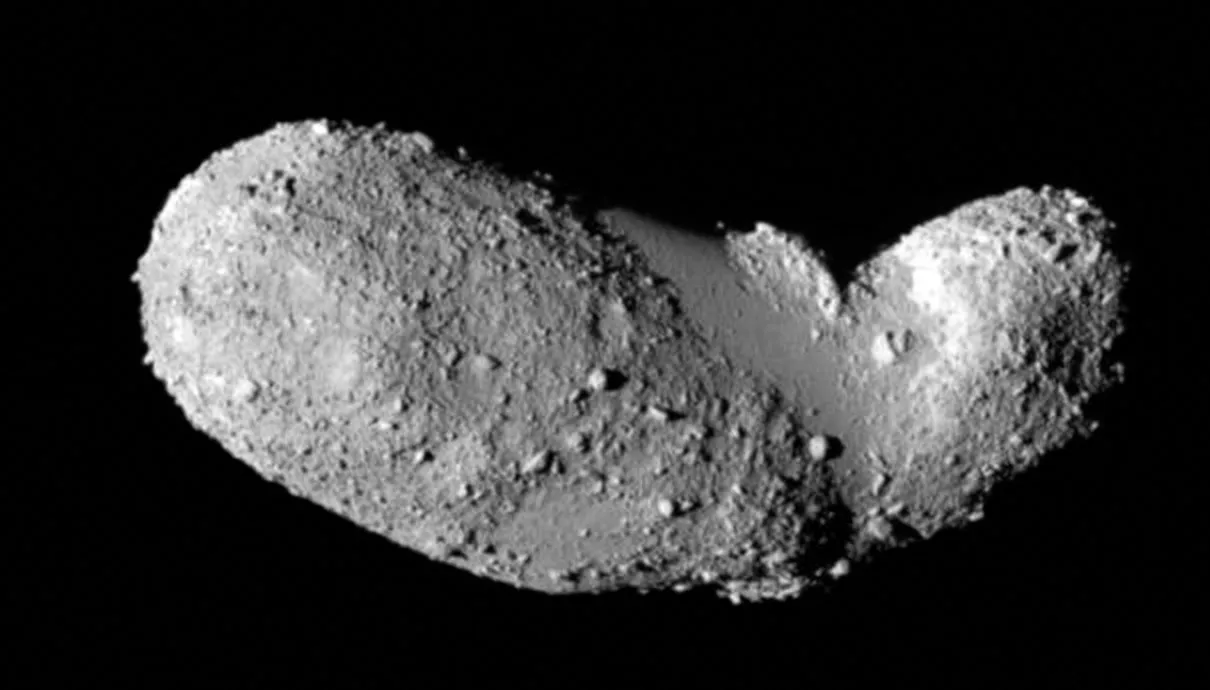
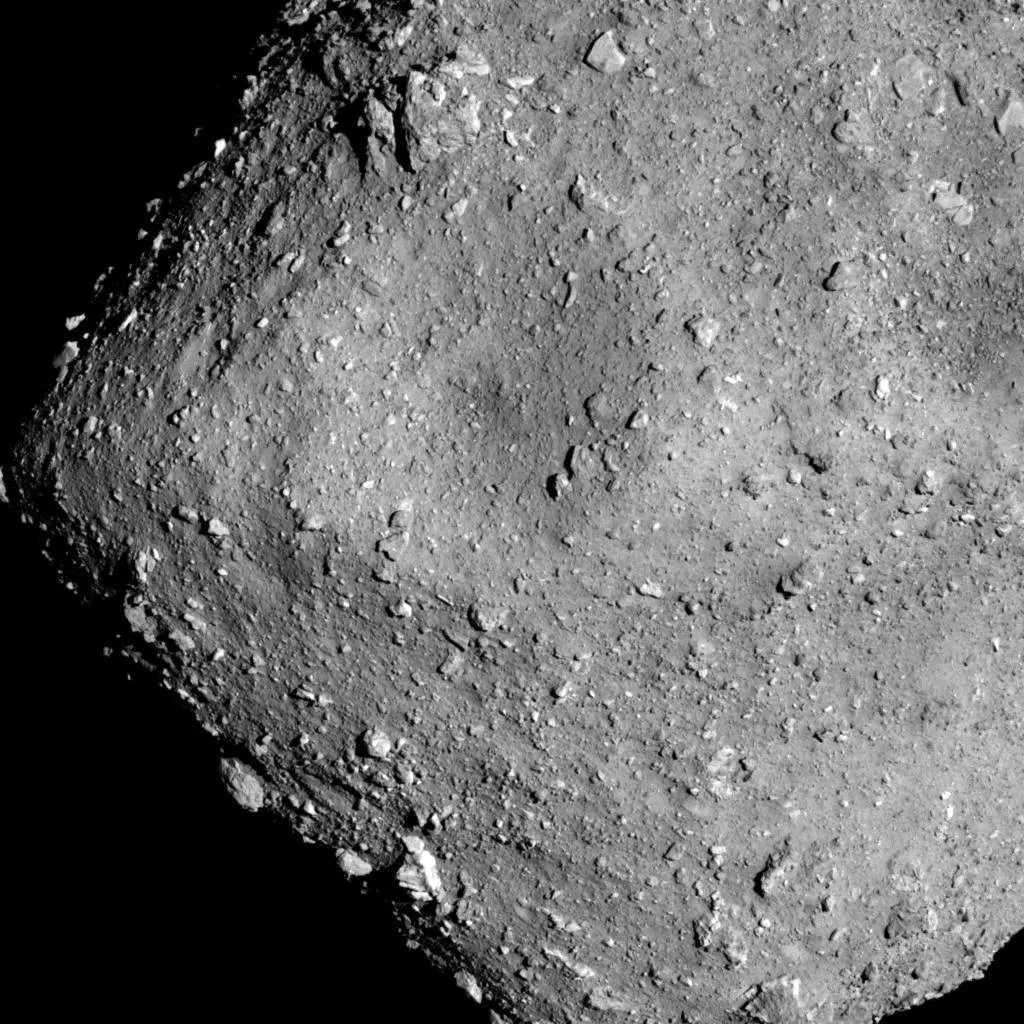
ISAS specialized in small, ambitious robotic missions, and the best known is Hayabusa. It launched on May 9, 2003, and reached the asteroid Itokawa in September 2005. Two reaction wheels failed, and a thruster leak cost it its chemical fuel and cut off contact from December 2005 to March 2006; the team steered it with its ion engine. On November 19, 2005, it touched down, bounced, and lifted off after about half an hour. Its capsule landed by parachute near Woomera on June 13, 2010, with many tiny particles: the first material returned from the surface of an asteroid.40
Hayabusa2 did the same job deliberately. It reached the asteroid Ryugu on June 27, 2018, sampled its surface on February 22, 2019, fired a small impactor in April to make a crater, and on July 11 sampled the material it had exposed. Its capsule landed in Australia on December 6, 2020, with 5.4 grams of Ryugu. NASA received 10 percent, about 540 milligrams, in exchange for part of the Bennu sample from its OSIRIS-REx mission.41
A pinpoint Moon landing, and a new rocket that failed twice
On January 19, 2024 (January 20 in Japan), JAXA’s Smart Lander for Investigating Moon, SLIM, touched down near Shioli crater, and Japan became the fifth country to land softly on the Moon.42,43
SLIM was built to show that a lander could set down exactly where it was aimed. One of its two main engines lost its nozzle about 50 meters above the surface, and it came to rest upside down, with its solar cells facing west rather than toward the Sun. Even so, it landed about 55 meters from its target, and JAXA judged that its navigation, before the engine trouble, had been accurate to about 10 meters or less, possibly 3 to 4 meters.44,43 SLIM survived three lunar nights; JAXA last heard from it on April 28, 2024.45
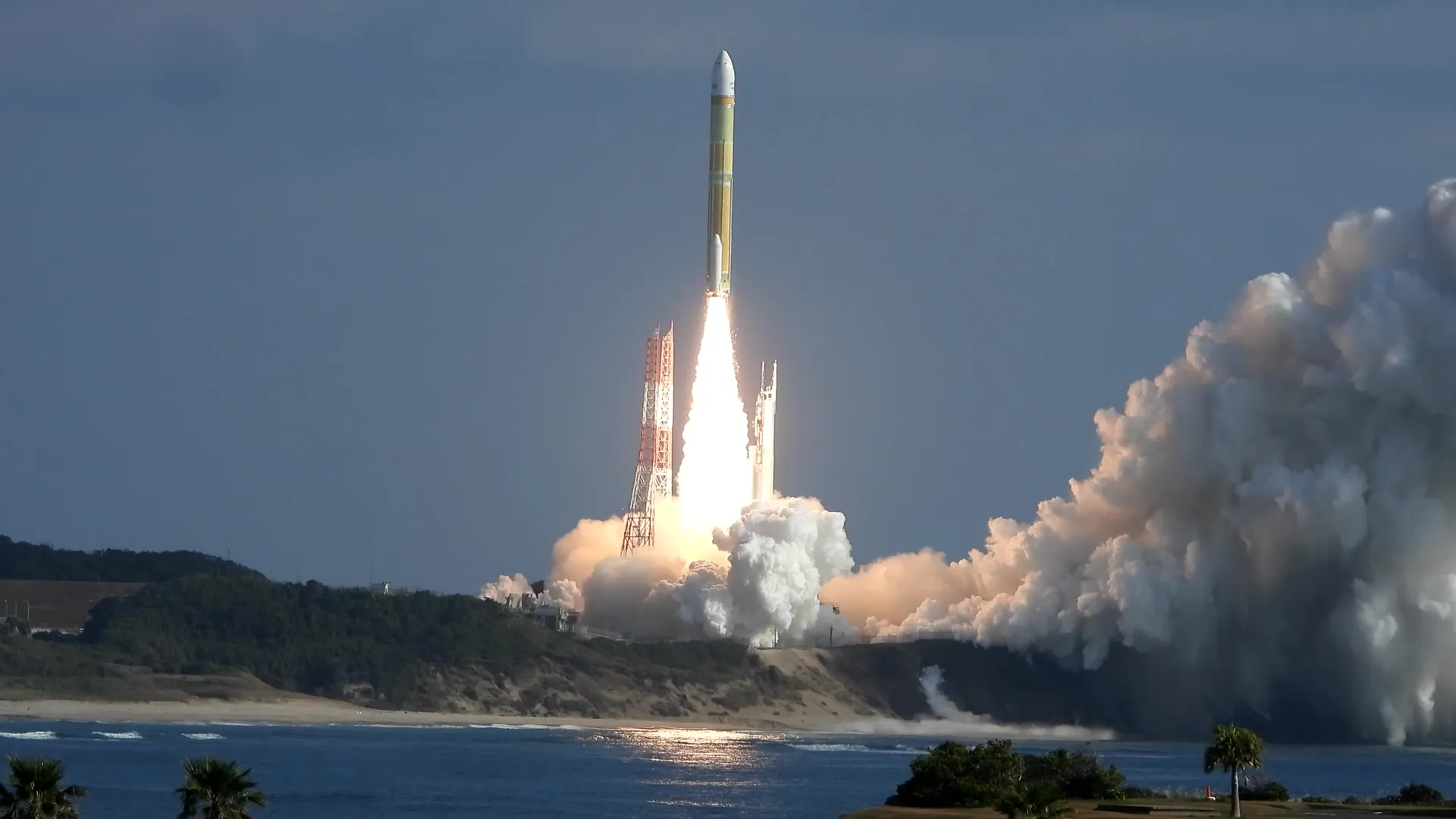
Japan’s new launcher, the H3, was designed to carry more than the H-IIA at about half the cost.34 Its first flight, on March 7, 2023, failed when the second-stage engine did not ignite. After five successes, the flight designated No. 8 lost the navigation satellite QZS-5 on December 22, 2025, when the structure holding the satellite, weakened by a manufacturing flaw, buckled. The H3 returned to flight on June 12, 2026.46,47,48,49
On October 20, 2026, Japan time, H3 flight No. 10 launched JAXA’s Martian Moons eXploration mission, MMX, from Tanegashima, and the spacecraft separated as planned. It is to reach Mars in 2027, study both of its moons and bring samples of Phobos to Earth in 2031.50,51 As of November 9, 2026, the H3 had flown ten times, with two failures.52
In India, Vikram Sarabhai made the case for space in a poor country
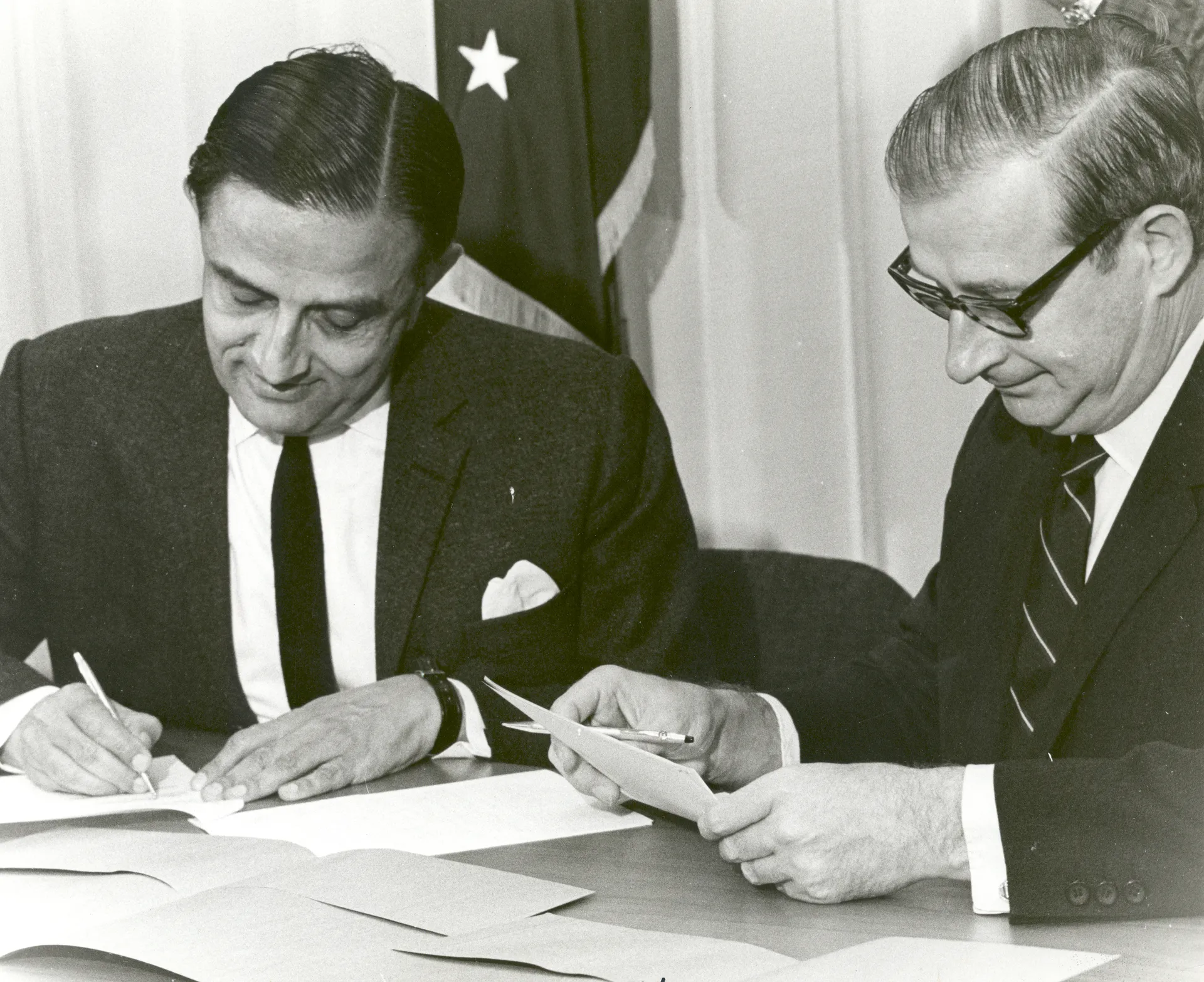
India’s program began with one physicist. Vikram Sarabhai earned a doctorate at Cambridge in 1947 and that year founded the Physical Research Laboratory in Ahmedabad, his home city. In 1962 he became the first chairman of the Indian National Committee for Space Research, and he set up a rocket range at Thumba, near Thiruvananthapuram, chosen for its nearness to the equator. The first sounding rocket rose from Thumba on November 21, 1963. The Indian Space Research Organisation, ISRO, replaced the committee in August 1969.53,54
Sarabhai’s talks with NASA from 1966 led to the Satellite Instructional Television Experiment, which brought television to India by satellite from July 1975 to July 1976. He died on December 30, 1971, before the experiment began and before India’s first satellite reached orbit.53
There are some who question the relevance of space activities in a developing nation. To us, there is no ambiguity of purpose. We do not have the fantasy of competing with the economically advanced nations in the exploration of the moon or the planets or manned space-flight. But we are convinced that if we are to play a meaningful role nationally, and in the community of nations, we must be second to none in the application of advanced technologies to the real problems of man and society.
From a borrowed launch to the PSLV
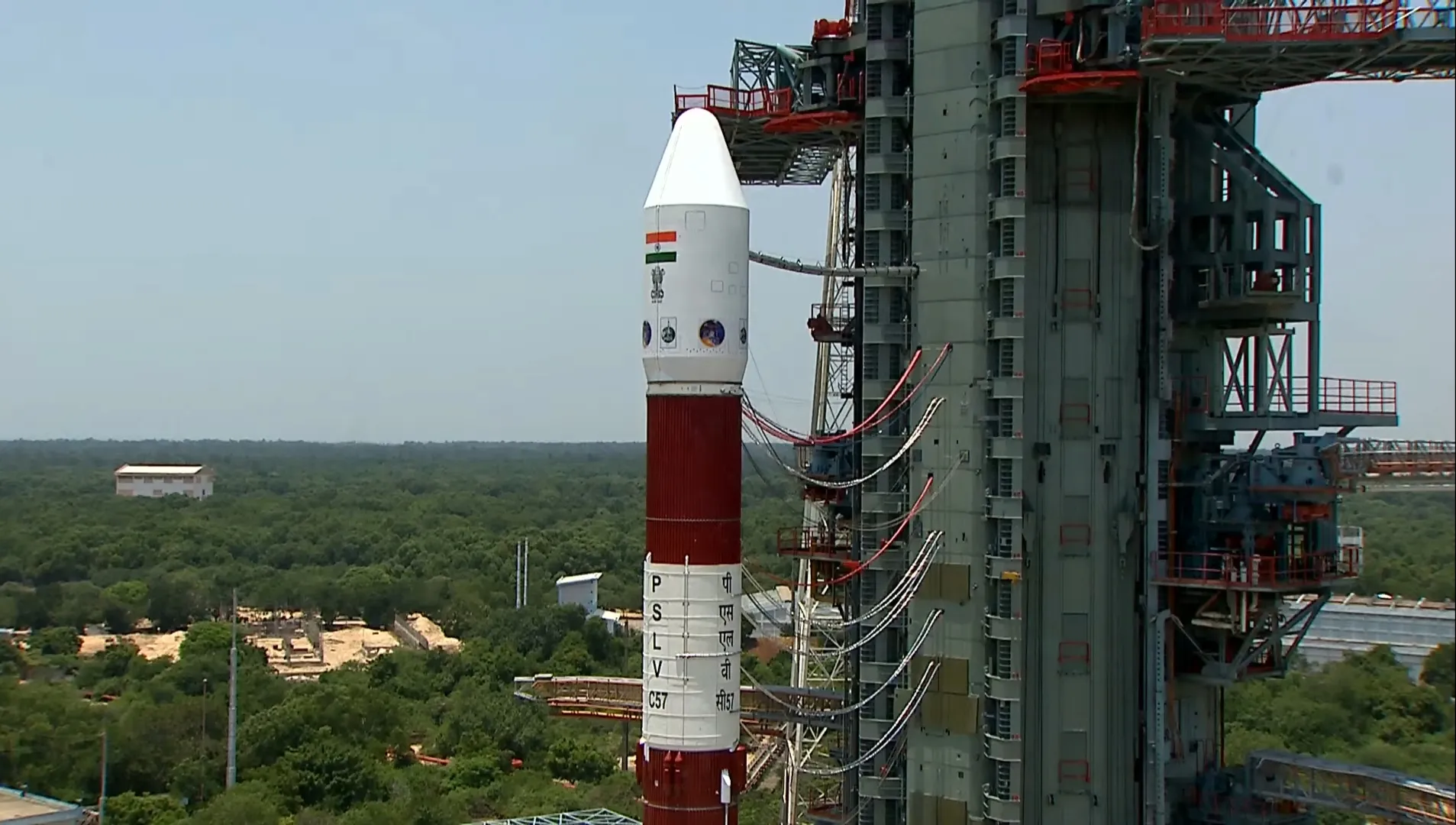
India’s first satellite, Aryabhata, was built by ISRO and launched on a Soviet rocket from Kapustin Yar on April 19, 1975; a power failure ended its experiments after four days.54,55 India’s own rocket, the SLV-3, was only partly successful on its first flight on August 10, 1979, and succeeded on July 18, 1980, placing the Rohini satellite in orbit. It could lift only about 40 kilograms to low orbit. Its project director, A. P. J. Abdul Kalam, later led India’s guided missile program.56,57
The workhorse came in the 1990s. The four-stage Polar Satellite Launch Vehicle failed on its first flight in September 1993; by January 2026 it had flown 64 times, with 59 full successes, among them India’s first Moon and Mars missions.58,59 On September 2, 2023, a PSLV launched Aditya-L1, a solar observatory that since January 6, 2024, has watched the Sun from a halo orbit around the Sun–Earth L1 point, about 1.5 million kilometers from Earth.60
Then the PSLV failed twice in a row. On May 18, 2025, a problem in its third stage lost the EOS-09 satellite, and on January 12, 2026, a problem at the end of the third stage’s burn lost all 16 satellites aboard. As of November 9, 2026, it had not flown again. The larger GSLV kept flying: on October 30, 2026, it put the navigation satellite NVS-03 into orbit.61,62,59,63
Chandrayaan-1 carried a NASA instrument that found water on the Moon
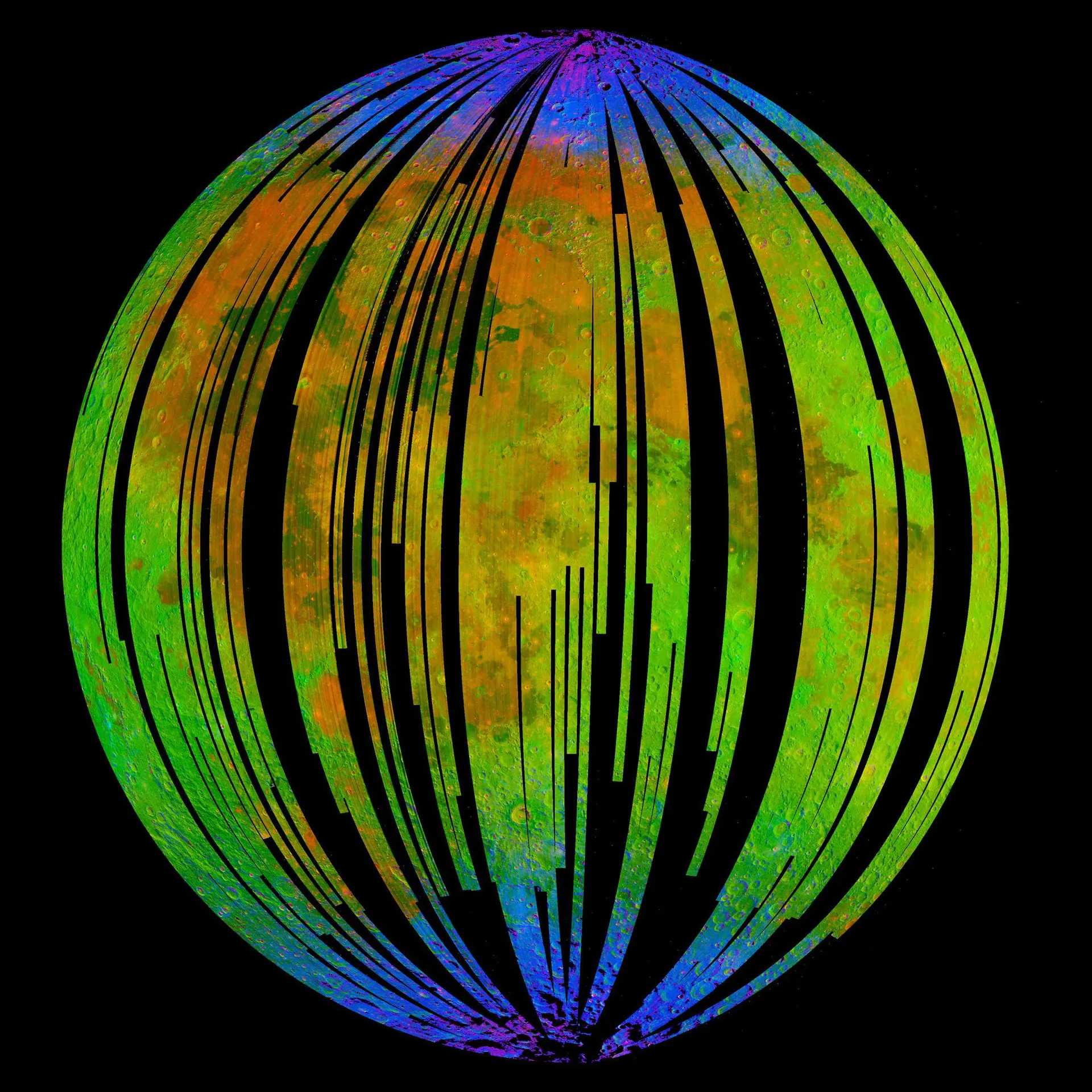
Chandrayaan-1, India’s first mission beyond Earth orbit, launched on a PSLV from Sriharikota on October 22, 2008, and entered lunar orbit on November 8. Among its instruments from six countries were two from NASA: the Moon Mineralogy Mapper (M3), an imaging spectrometer managed by JPL, and Mini-SAR, a small radar.64,65
Chandrayaan-1 overheated, lost its star sensor and fell silent on August 28, 2009, short of its planned two years.64 A month later, on September 24, scientists reported that M3 had detected water molecules and hydroxyl in the lunar soil, strongest at high latitudes: molecules bound to rock and dust in the top millimeters, up to an estimated 1,000 parts per million. Data from NASA’s Cassini and EPOXI spacecraft confirmed the signal.65
In 2025 the partnership grew to a whole satellite. NISAR, with an L-band radar from JPL and an S-band radar, spacecraft and rocket from ISRO, launched from Sriharikota on July 30, 2025, to map changes in Earth’s land and ice surfaces twice every 12 days.66
Mars on a small budget
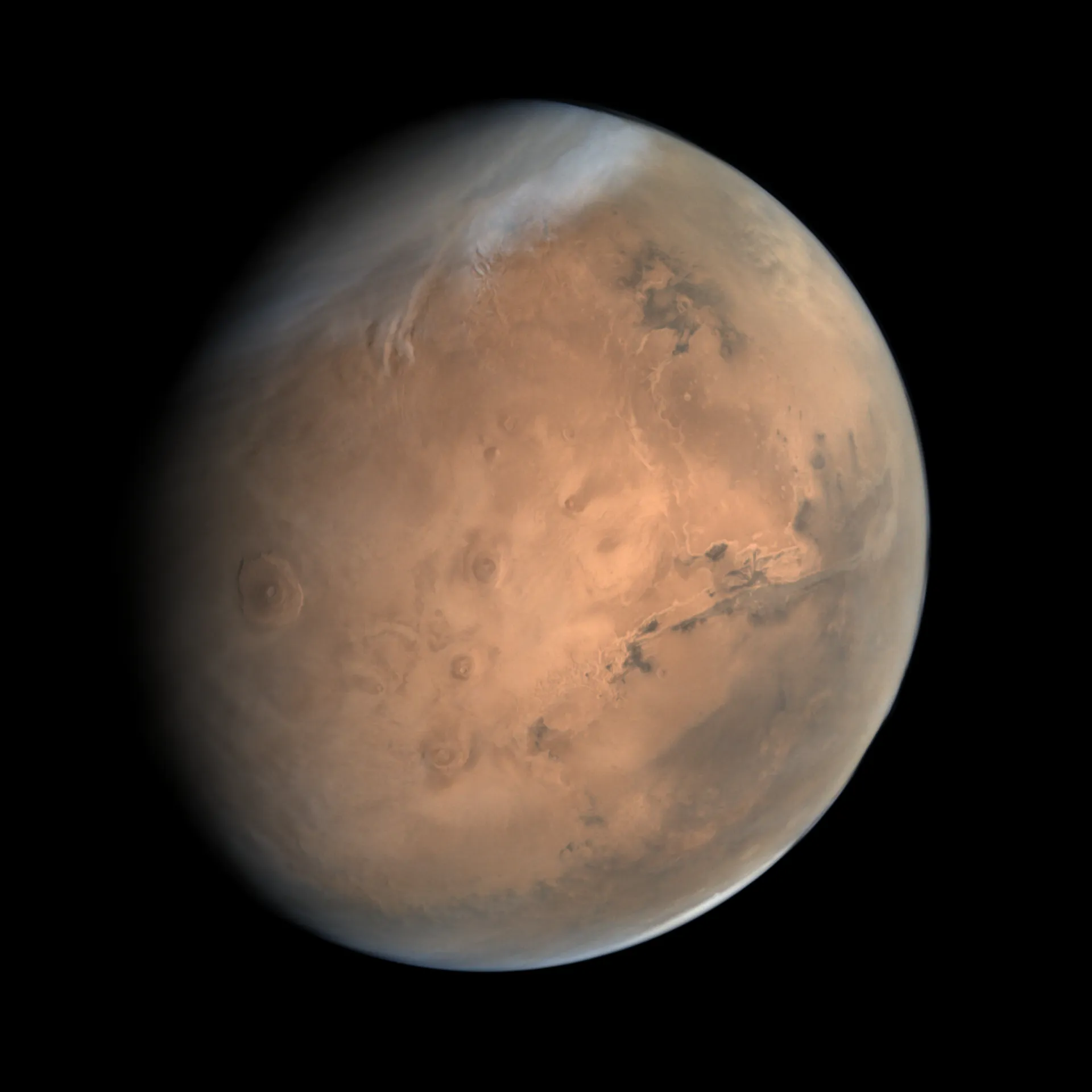
India sent an orbiter to Mars before it attempted a Moon landing. The Mars Orbiter Mission, or Mangalyaan, launched on a PSLV on November 5, 2013, and entered Mars orbit on September 24, 2014. It carried five instruments and cost ₹450 crore, about $74 million. Designed to last six months, it worked for about eight years, until contact was lost during a long eclipse in April 2022; ISRO concluded that its propellant had run out.67,68,69
A failed Moon landing in 2019, a successful one in 2023
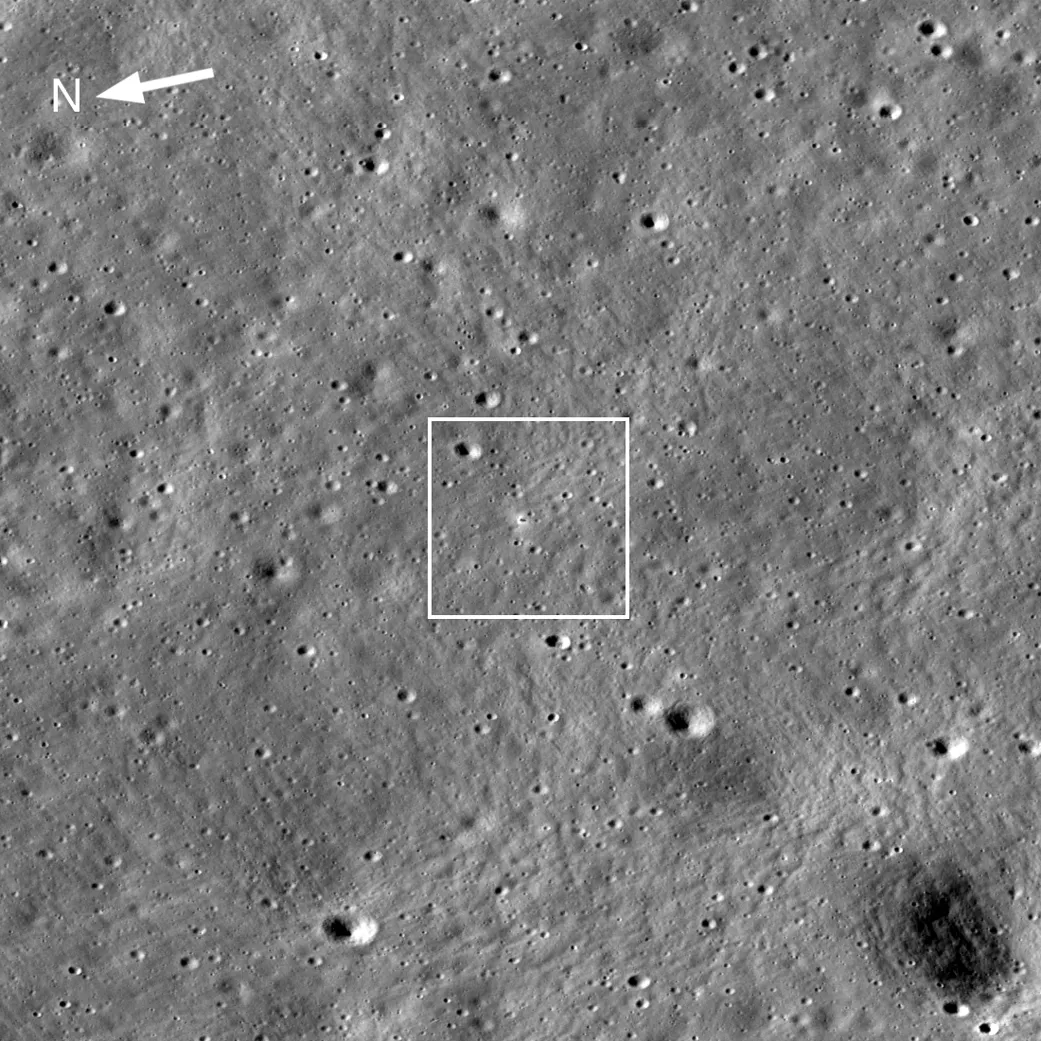
The first Moon landing attempt failed. Chandrayaan-2’s lander, Vikram, lost contact shortly before touchdown on September 7, 2019 (September 6 in the United States); a volunteer, Shanmuga Subramanian, found its debris in images from NASA’s Lunar Reconnaissance Orbiter, near a target site about 600 kilometers from the south pole.70
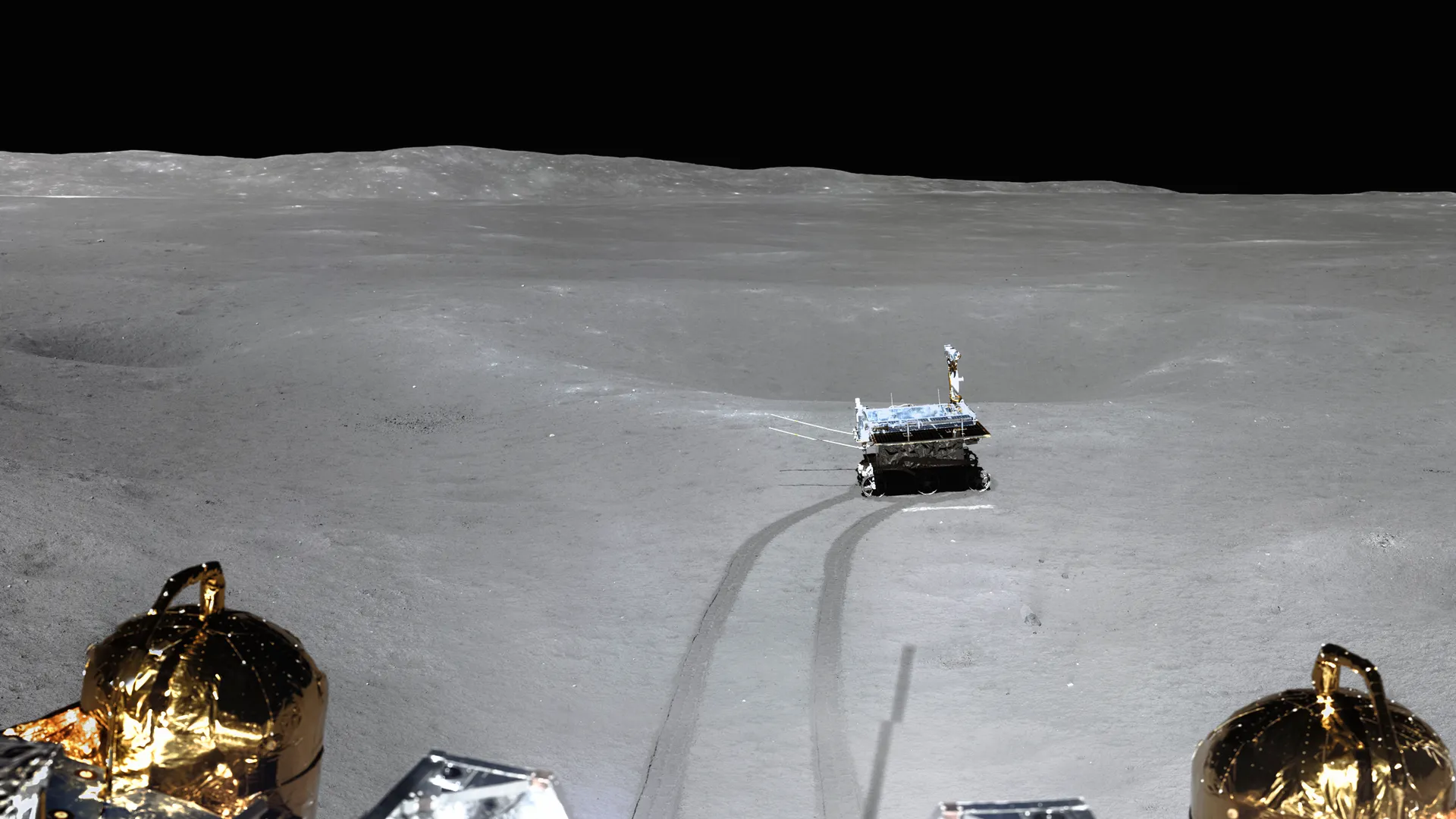
Chandrayaan-3 launched on an LVM3 on July 14, 2023, and its lander, also named Vikram, touched down on August 23, about 600 kilometers from the Moon’s south pole.71,72 The lander weighed 1,752 kilograms with the 26-kilogram Pragyan rover inside and came down on four throttleable engines of 800 newtons each.88 India became the fourth country to land softly on the Moon, after the Soviet Union, the United States and China.42
The rover Pragyan drove more than 100 meters and confirmed sulfur in the soil.72,73 On December 12, 2023, a laser on NASA’s orbiter bounced pulses off a small NASA retroreflector on the lander, the first such contact between a lunar orbiter and a device on the surface.74
India’s first crewed flight has slipped to 2027
Gaganyaan targets as they were announced75
20242025202620272028
Uncrewed test flight G1
- Said Nov 2024December 2024
- Said Oct 2025December 2025
- Said Jan 2026March 2026
- Said Aug 2026late 2026
- Said Oct 2026December 2026
First crewed flight
- Said Nov 20242026 — no earlier than
- Said Oct 20252027
- Said Jan 20262027
- Said Aug 20262027
By November 2024 the first uncrewed test flight of India’s human spaceflight program, Gaganyaan, was four years behind its original timeline, partly because of the COVID-19 pandemic, and the government had added 111 billion rupees, about $1.32 billion, to the program.76 ISRO began stacking the human-rated LVM3 for that flight, G1, on December 18, 2024.77 In August 2026 the government targeted G1 for the last quarter of the year, followed by two more uncrewed flights and the first crewed mission, with three astronauts, by 2027.80,75,81 On October 24 ISRO’s chairman said G1 would fly in two months.83 As of November 9, 2026, it had not flown.59
Fifteen launches in 2026, none of them with a crew
By November 8, 2026, Europe, Japan and India had made 15 orbital launch attempts between them that year. Three of the 15 were by private companies: Skyroot’s Vikram-1 reached orbit from Sriharikota on July 18 and Isar Aerospace’s Spectrum from Andøya, in Norway, on September 5, while Space One’s Kairos failed in Japan on March 5.59
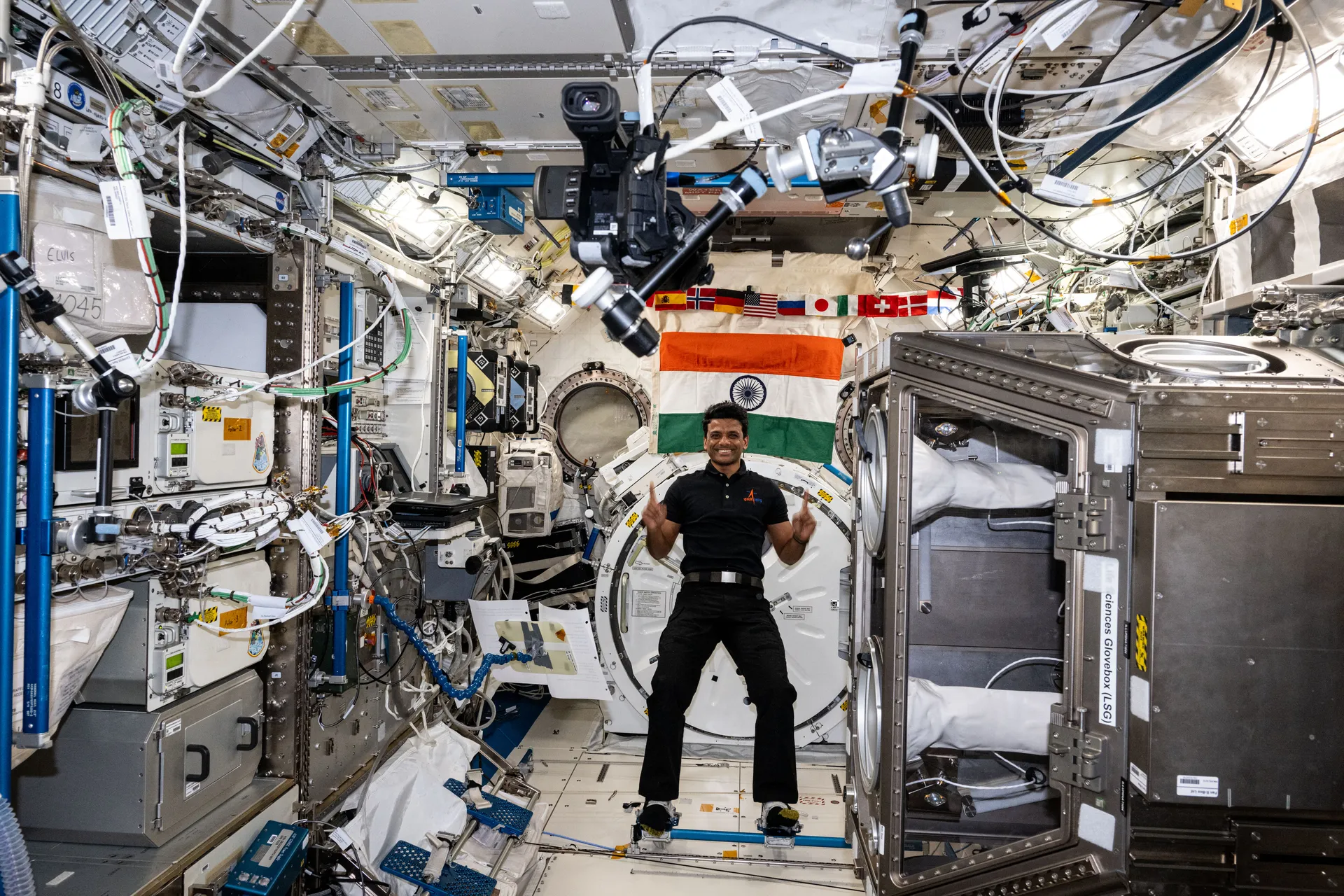
Of the three, India is the one building a spacecraft to carry its own astronauts on its own rocket, and as of November 9, 2026, it had not yet flown it even without a crew. An Indian astronaut has already flown on another country’s spacecraft: ISRO’s Shubhanshu Shukla was pilot of Axiom Mission 4, a private flight on a SpaceX Crew Dragon that docked to the space station on June 26, 2025.84
Europe has never decided to build a crew spacecraft. On December 15, 2026, ESA’s ministers are expected to decide in Rome whether it should; ESA’s Director General has put the cost at about €1 billion a year for a decade, against about €5 billion over the same years to keep buying seats on other countries’ spacecraft.85,86 Japan’s next astronaut to the station, Suwa Makoto, is to fly on a Crew Dragon no earlier than March 2027.87 Each of the three built rockets so as not to need another country’s permission to reach orbit; for their astronauts, in November 2026, all three still did.
Sources
The text above is drawn from these 88 sources. Government works are adapted closely; company and press material is summarized. Numbers in the text point here. Last checked November 9, 2026.
Show all 88 sourcesShow fewer
- 1Back to the text
- 2Back to the text
- 3Back to the text
- 4Back to the text
- 5Back to the text
- 6Back to the text
- 7Back to the text
- 8Back to the text
- 9Back to the text
- 10Back to the text
- 11Back to the text
- 12Back to the text
- 13Back to the text
- 14Back to the text
- 15Back to the text
- 16Back to the text
- 17Back to the text
- 18Back to the text
- 19Back to the text
- 20Back to the text
- 21Back to the text
- 22Back to the text
- 23Back to the text
- 24Back to the text
- 25Back to the text
- 26Back to the text
- 27Back to the text
- 28Back to the text
- 29Back to the text
- 30Back to the text
- 31Back to the text
- 32Back to the text
- 33Back to the text
- 34Back to the text
- 35Back to the text
- 36Back to the text
- 37Back to the text
- 38Back to the text
- 39Back to the text
- 40Back to the text
- 41Back to the text
- 42Back to the text
- 43Back to the text
- 44Back to the text
- 45Back to the text
- 46Back to the text
- 47Back to the text
- 48Back to the text
- 49Back to the text
- 50Back to the text
- 51Back to the text
- 52Back to the text
- 53Back to the text
- 54Back to the text
- 55Back to the text
- 56Back to the text
- 57Back to the text
- 58Back to the text
- 59Back to the text
- 60Back to the text
- 61Back to the text
- 62Back to the text
- 63Back to the text
- 64Back to the text
- 65Back to the text
- 66Back to the text
- 67Back to the text
- 68Back to the text
- 69Back to the text
- 70Back to the text
- 71Back to the text
- 72Back to the text
- 73Back to the text
- 74Back to the text
- 75Back to the text
- 76Back to the text
- 77Back to the text
- 78Back to the text
- 79Back to the text
- 80Back to the text
- 81Back to the text
- 82Back to the text
- 83Back to the text
- 84Back to the text
- 85Back to the text
- 86Back to the text
- 87Back to the text
- 88Back to the text
Continue
Related stories
- The Space RaceFrom the V-2 engineers both powers took home in 1945 to the Apollo–Soyuz handshake in 1975: the ICBMs behind the first satellites, the decisions in Moscow and Washington, what American intelligence saw, and how the race wound down.
- The Soviet programFrom Korolev’s missile bureau to Energia–Buran, the Soviet Union took most of the early firsts with a program run by competing design bureaus, hidden behind anonymous names, and built around a Moon rocket that never flew successfully.
- Salyut, Mir and RussiaThe Soviet Union flew the first space station in 1971 and kept people in orbit for a decade on Mir.