NOAA
Operates the nation’s weather satellites; NASA builds and launches them for it.
- Founded
- 1970
- Headquarters
- Washington, D.C.
- Machines in the atlas
- 1
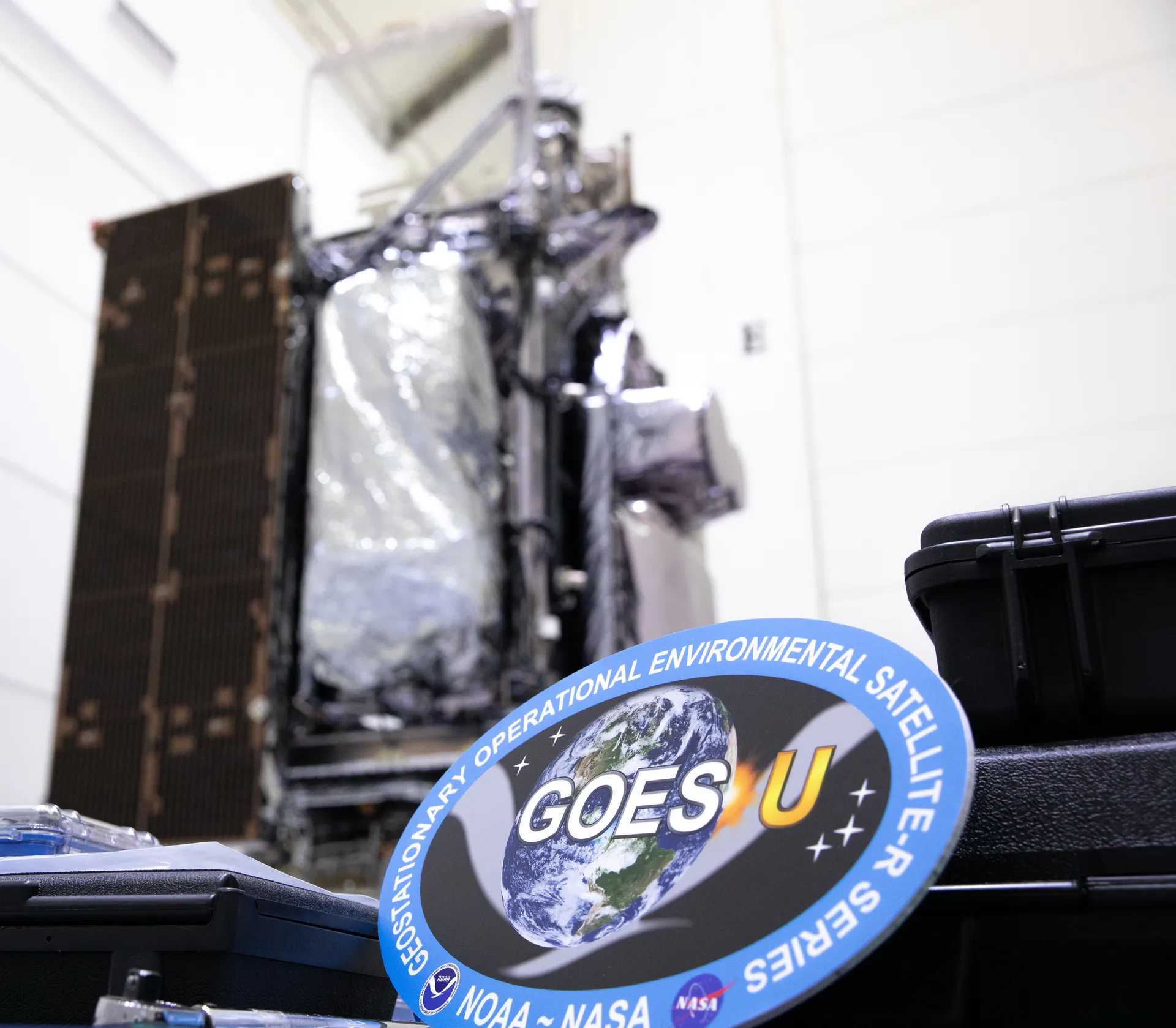
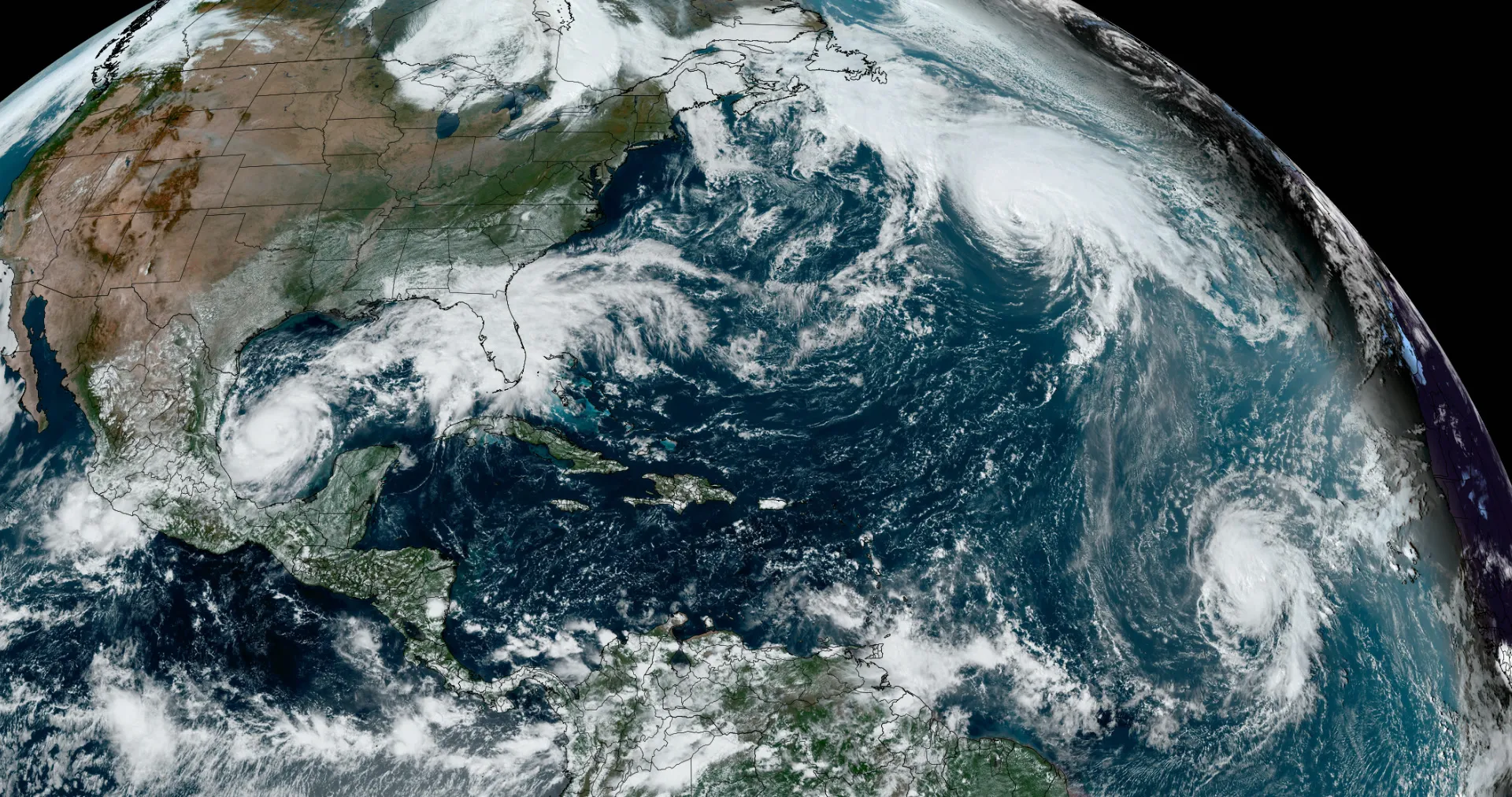
The National Oceanic and Atmospheric Administration, formed within the Department of Commerce in 1970, traces its roots to older services: the Survey of the Coast, founded by President Thomas Jefferson in 1807; the Weather Bureau of 1870; and the U.S. Commission of Fish and Fisheries of 1871. It runs the nation’s geostationary (GOES) and polar-orbiting (JPSS) weather satellites. NASA builds and launches the satellites for NOAA, which operates them and distributes their data to users worldwide.
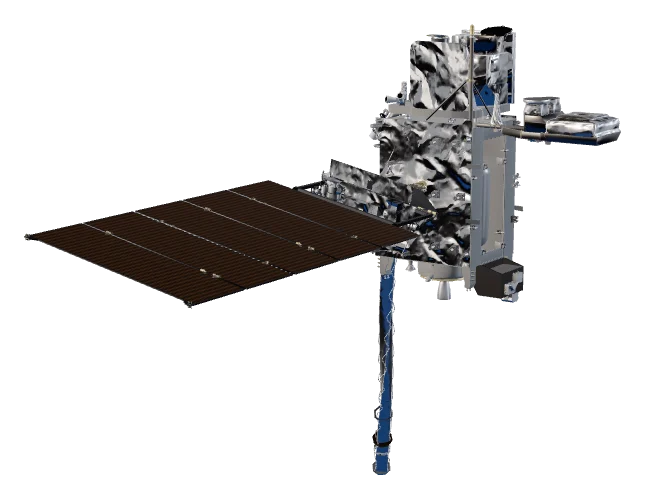
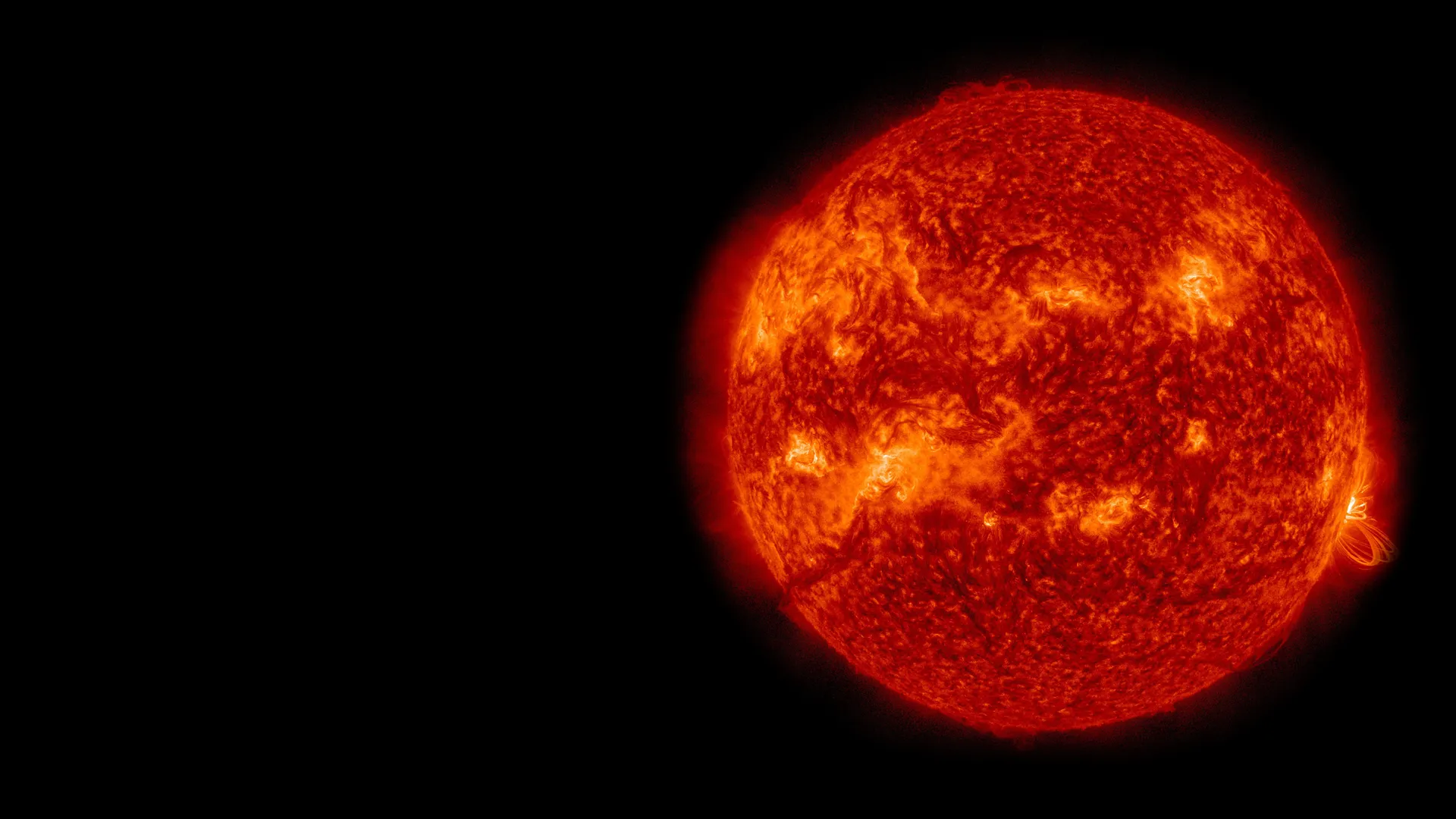
NOAA stopped distributing data from the older NOAA/NASA Suomi NPP satellite on November 2, 2026, moving its users to NOAA-21 and NOAA-20, and plans to lower Suomi NPP from December 1 to about December 12 for reentry over the South Pacific. In June 2026 SOLAR-1, the first U.S. satellite designed exclusively for continuous, operational space-weather observations, entered service; it watches the solar wind from about a million miles away, between Earth and the Sun. The next geostationary series, GeoXO, is now planned as two satellites in service and two replacements, the first to launch in 2032 with a GOES-R-era imager and a new sounder.
Its machines
Stories that involve NOAA
Sources
- About our agency NOAA
- Our history NOAA
- Geostationary Satellites NOAA National Environmental Satellite, Data, and Information Service
- Geostationary Extended Observations (GeoXO) NOAA National Environmental Satellite, Data, and Information Service
- Joint Polar Satellite System NOAA National Environmental Satellite, Data, and Information Service
- Update #4 – S-NPP Data Delivery Cessation & Decommissioning Status NOAA Office of Satellite and Product Operations, November 2, 2026
- NOAA’s SOLAR-1 enters new era of space weather monitoring NOAA, June 10, 2026
- GeoXO User Readiness Update – Aug 2026 NOAA National Environmental Satellite, Data, and Information Service, August 31, 2026