Lockheed Martin
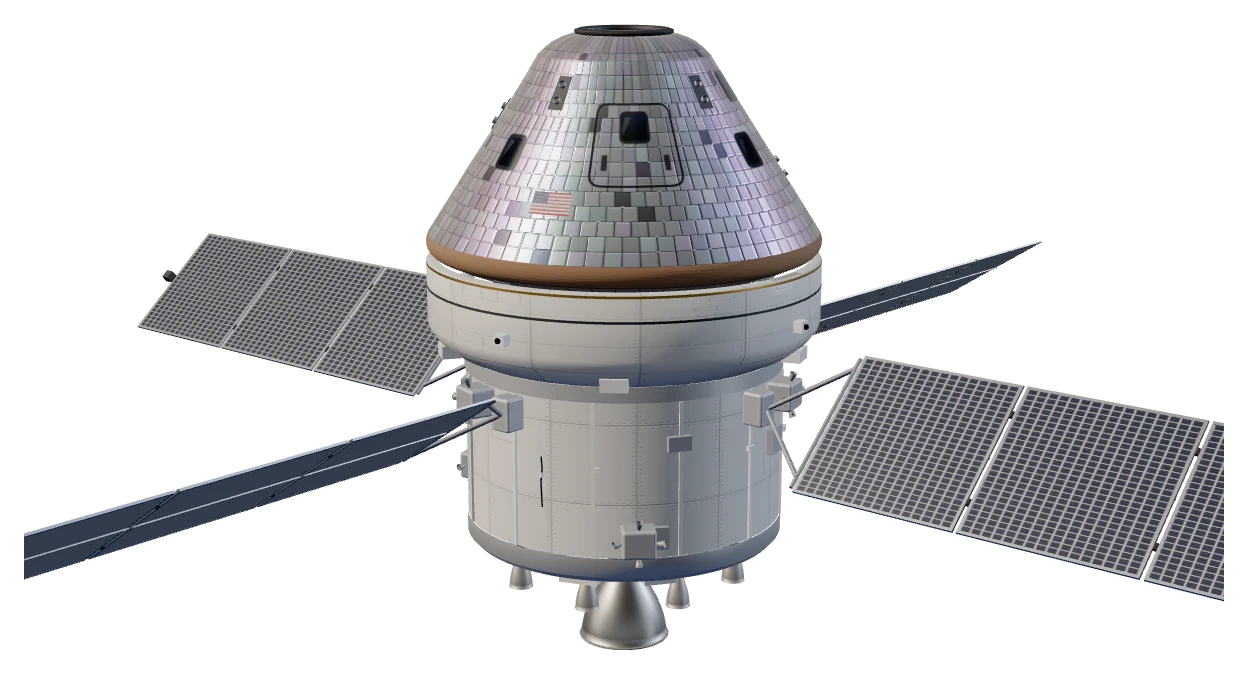
Builds Orion and the next generation of GPS satellites, and built NOAA’s GOES-R weather satellites.
- Founded
- 1995
- Headquarters
- Bethesda, Maryland
- Machines in the atlas
- 5
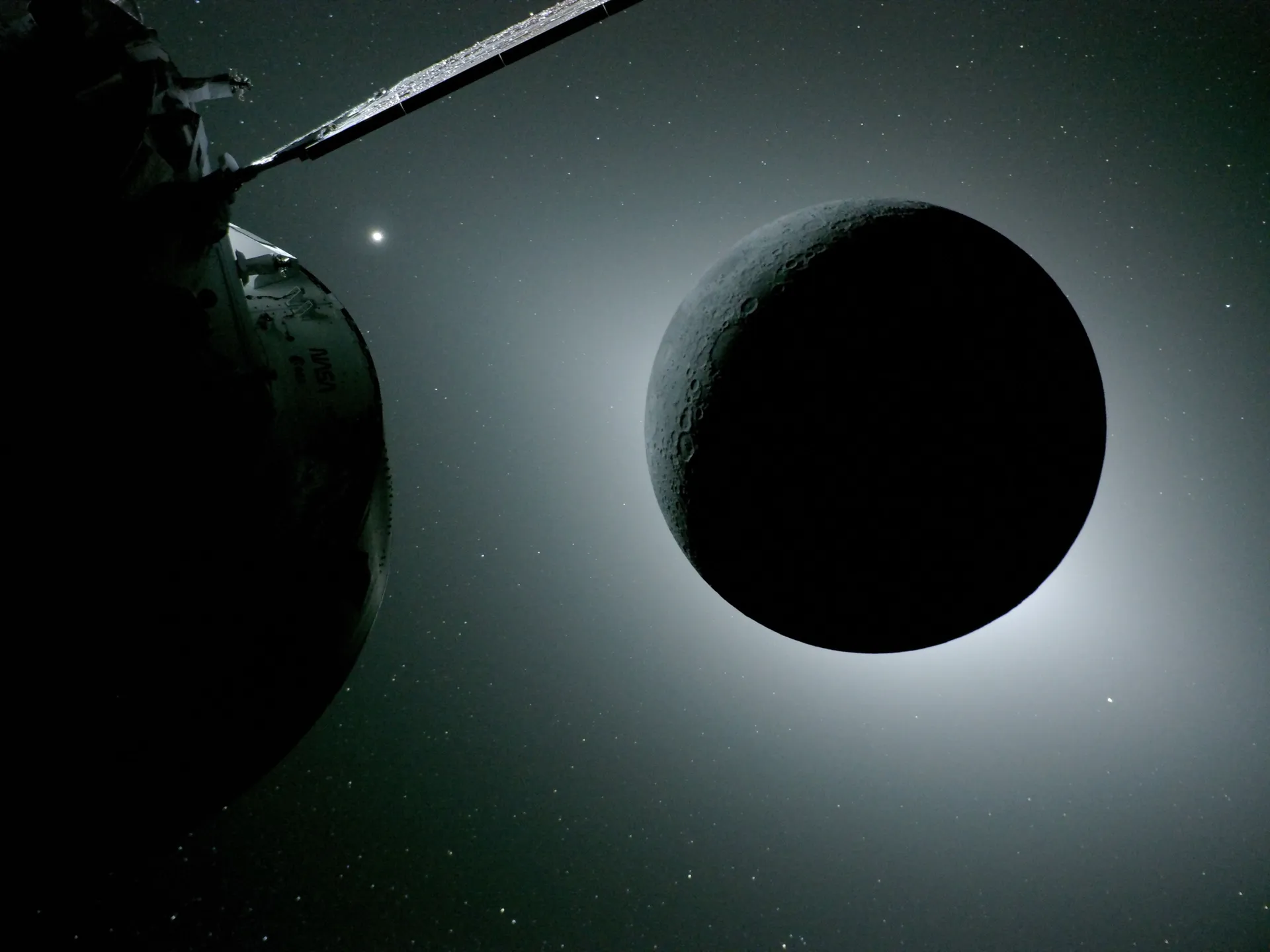
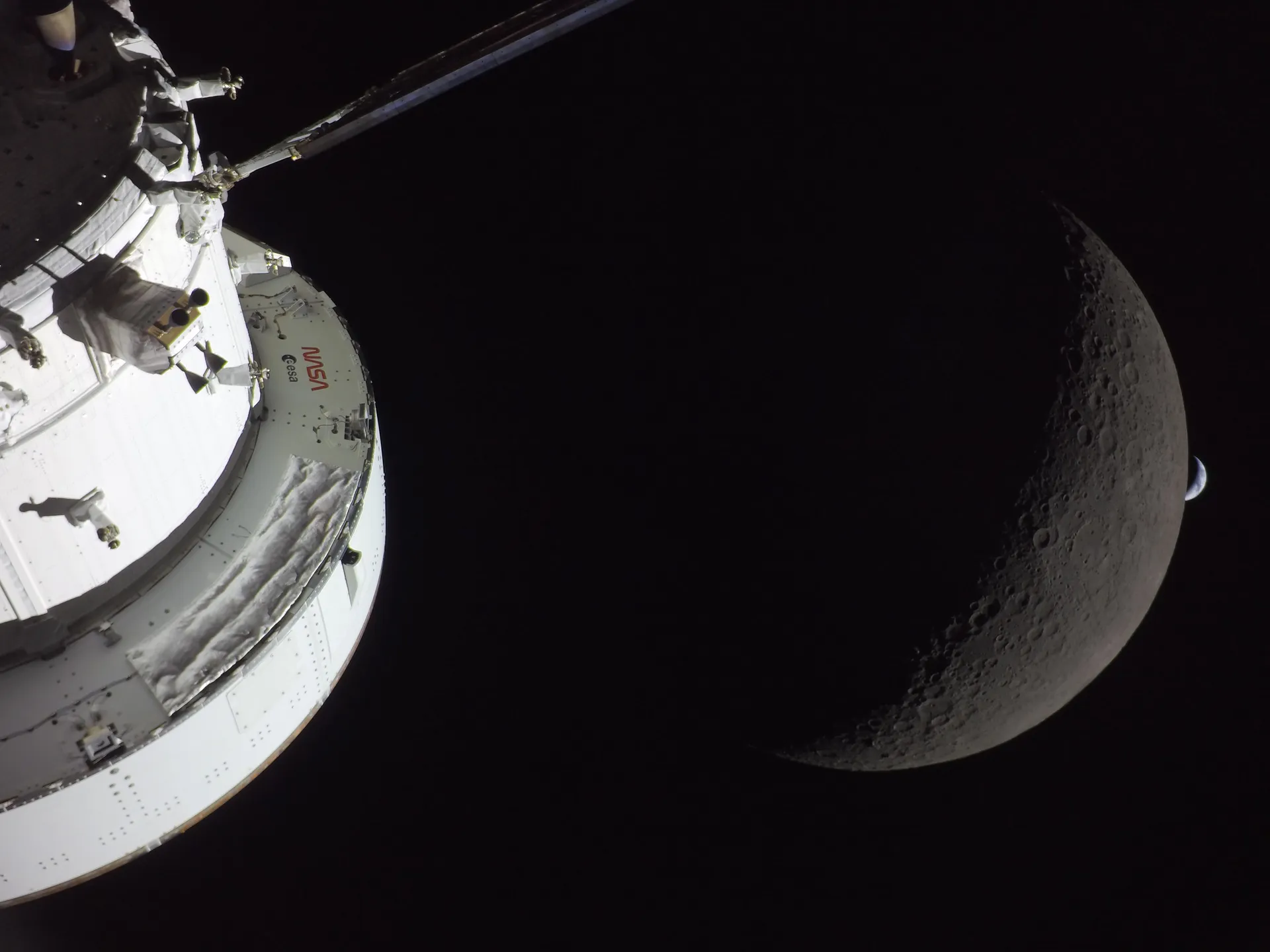
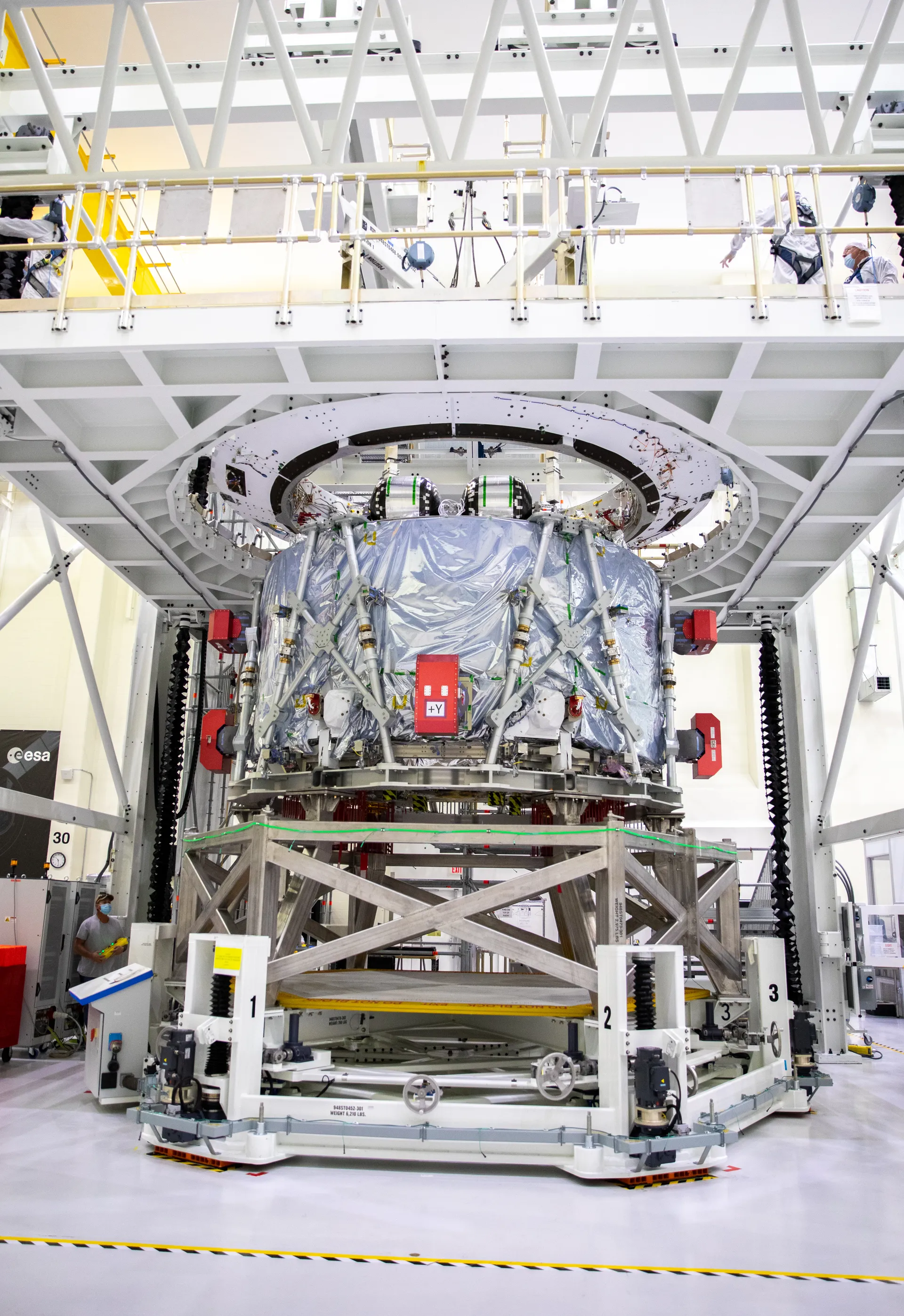
Lockheed Martin formed in 1995 when Lockheed and Martin Marietta combined. It is NASA’s prime contractor for Orion and builds the crew module, whose pressure vessel is made at NASA’s Michoud Assembly Facility; the spacecraft is joined to its European Service Module at Kennedy Space Center.
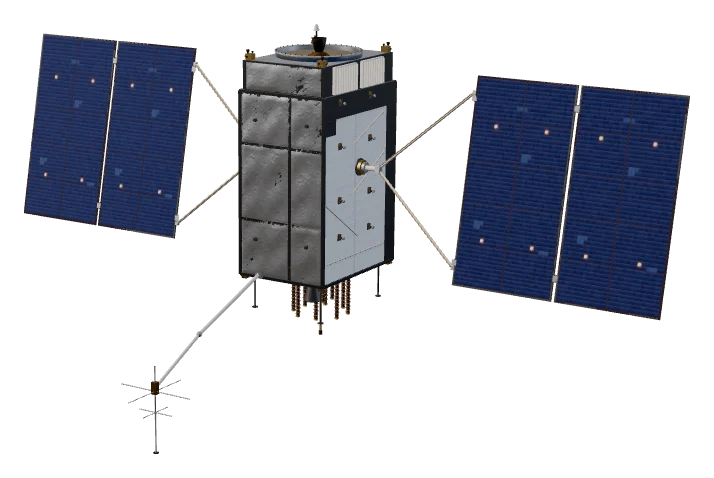
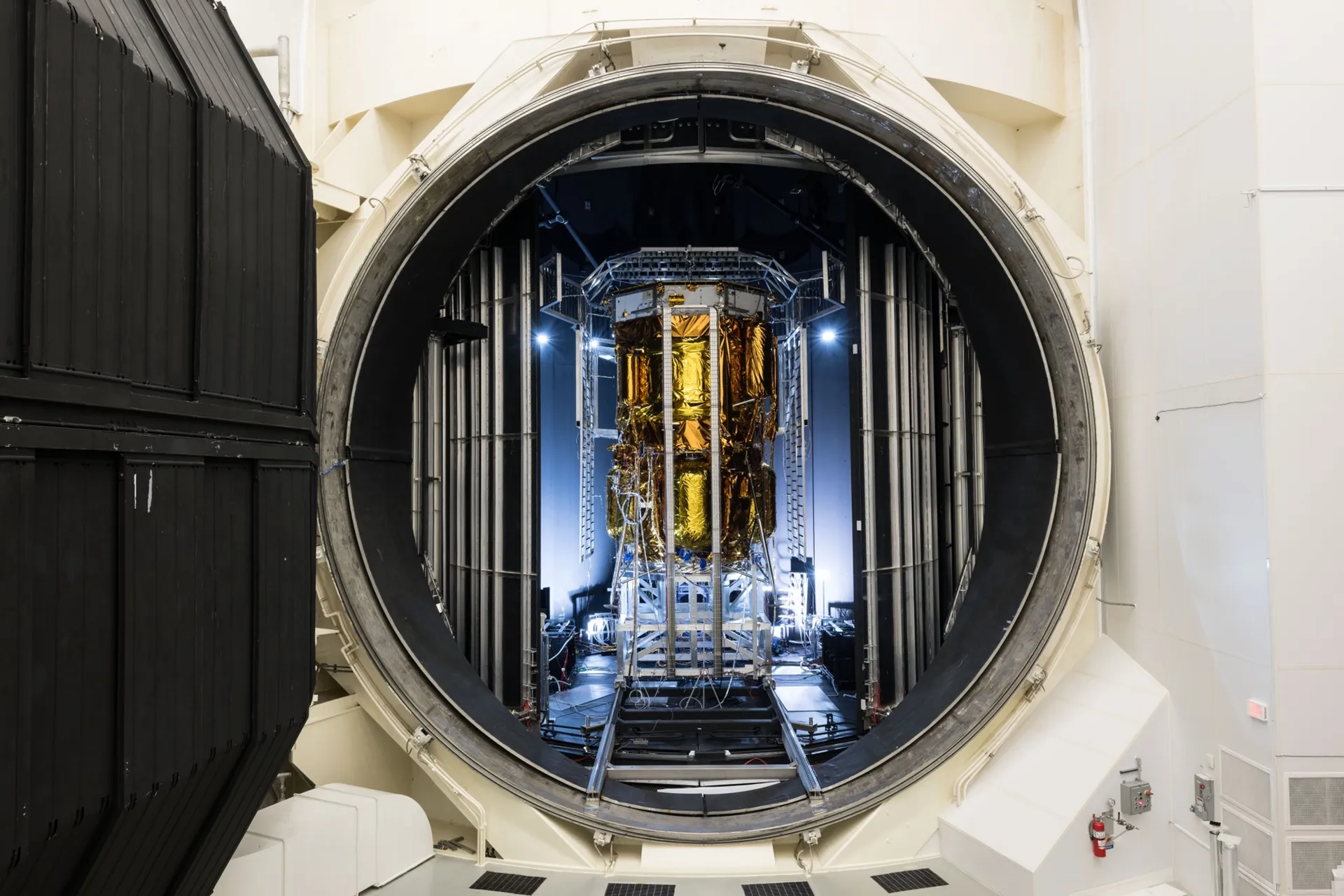
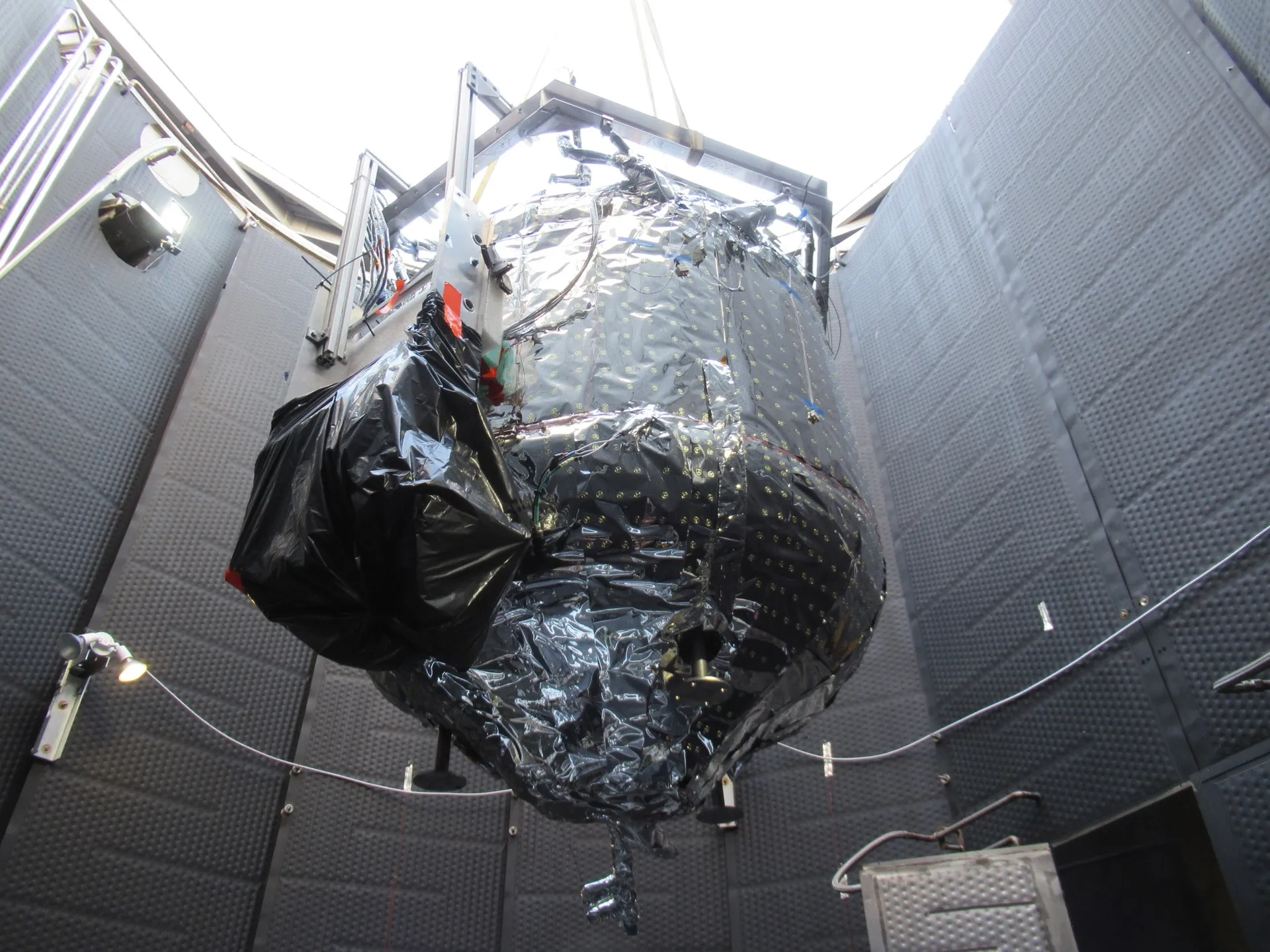
The company also builds satellites the public uses every day without seeing them. It built the ten GPS III navigation satellites for the Space Force, the last launched in April 2026, and is building the next series, GPS IIIF. It also built NOAA’s four GOES-R geostationary weather satellites, the last of which launched in 2024.
Money from NASA
| Contract | Value | Year |
|---|---|---|
| Orion Production and Operations Contract: first three spacecraft, for Artemis III–V (six to 12 in all) | $2.7 billion | 2019 |
What it builds
Stories that involve Lockheed Martin
How GPS turns atomic time into position, and who keeps it runningA receiver finds itself by timing signals from four satellites. The Space Force runs the system, finished GPS III in April 2026, and canceled the ground system that was meant to replace the old one.
NOAA’s weather satellites: how they watch storms, and what replaces themTwo GOES satellites stare at the Americas from 22,236 miles up while polar orbiters circle the globe. NASA builds them, NOAA flies them, and Congress is deciding how much of the next generation to pay for.
Who builds NASA’s spacecraft, and how the contracts pay themNASA has always spent most of its money outside its own walls. From Apollo’s 500 contractors to SpaceX and Blue Origin, the question that shapes every program is who carries the risk when costs grow.
Artemis II: the first crewed flight around the Moon since 1972From April 1 to 10, 2026, four astronauts flew Orion around the far side of the Moon and farther from Earth than anyone before them. What the flight tested, day by day, and what NASA found afterward.
Artemis: how NASA’s plan to land on the Moon was built and rebuiltA rocket, a capsule, two commercial landers, new suits and propellant refilled in orbit: who builds each piece, what it costs, and how a 2024 landing became Artemis IV in 2028.
7 more stories
Blue Moon: NASA’s second crew lander and the cargo lander that goes firstIn May 2023 NASA awarded Blue Origin a $3.4 billion contract for a second way to land astronauts. The smaller robotic Blue Moon, Mark 1, is built and tested, and is waiting for New Glenn to fly again.
Orion: the capsule built to bring a crew home from the MoonLockheed Martin builds the capsule, Europe builds the module that keeps it alive, and its heat shield must survive a return at nearly 25,000 mph. How Orion was developed, how it works, and what its first crewed flight showed.
Refilling in orbit, the untested step both Moon landers depend onBoth of NASA’s crew landers reach the Moon only after tankers refill them in Earth orbit. Why that is, how the transfer is meant to work, why super-cold propellant fights back, and where the first test stands.
After the ISS: NASA’s plan to rent space on commercial stationsSince 2020 NASA has paid companies to design stations it could rent after 2030. In 2025 and 2026 the plan changed three times, the money stayed short, and GAO warned of a gap in U.S. crew presence.
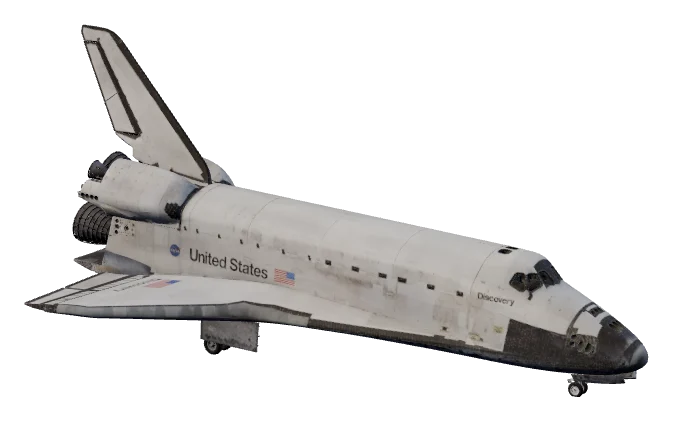
Promised as routine transport, the Shuttle flew 135 times in 30 yearsNixon approved a $5.5 billion reusable spaceplane in 1972 to make spaceflight routine and cheap. It repaired Hubble and built a space station, lost two crews, and never flew more than nine times in a year.
Hubble, Webb and Roman: three telescopes, and why none replaces anotherA 1990 telescope that astronauts rebuilt five times, a $9.7 billion infrared observatory a million miles out, and a survey telescope launched in August 2026: what each one sees, what each cost, and why NASA flies them together.
Voyager to Dragonfly: fifty years of flying to the outer solar systemTwo 1977 probes beyond the Sun’s bubble, New Horizons past Pluto, Juno at Jupiter, Europa Clipper en route and a rotorcraft being built for Titan: what each found or seeks, what each cost, where each stands in October 2026.
Sources
- NASA Commits to Long-term Artemis Missions with Orion Production Contract NASA, September 23, 2019
- European Service Module NASA
- Lockheed Martin Corporation Form 10-K for 2025 U.S. Securities and Exchange Commission (company filing), January 29, 2026
- Global Positioning System (GPS) Satellites Lockheed Martin
- Weather & Earth Science Lockheed Martin