European Space Agency
Supplies Orion’s service modules, flies European astronauts on Dragon and Artemis, and partners on Webb and other science missions.
- Founded
- 1975
- Headquarters
- Paris, France
- Machines in the atlas
- 2
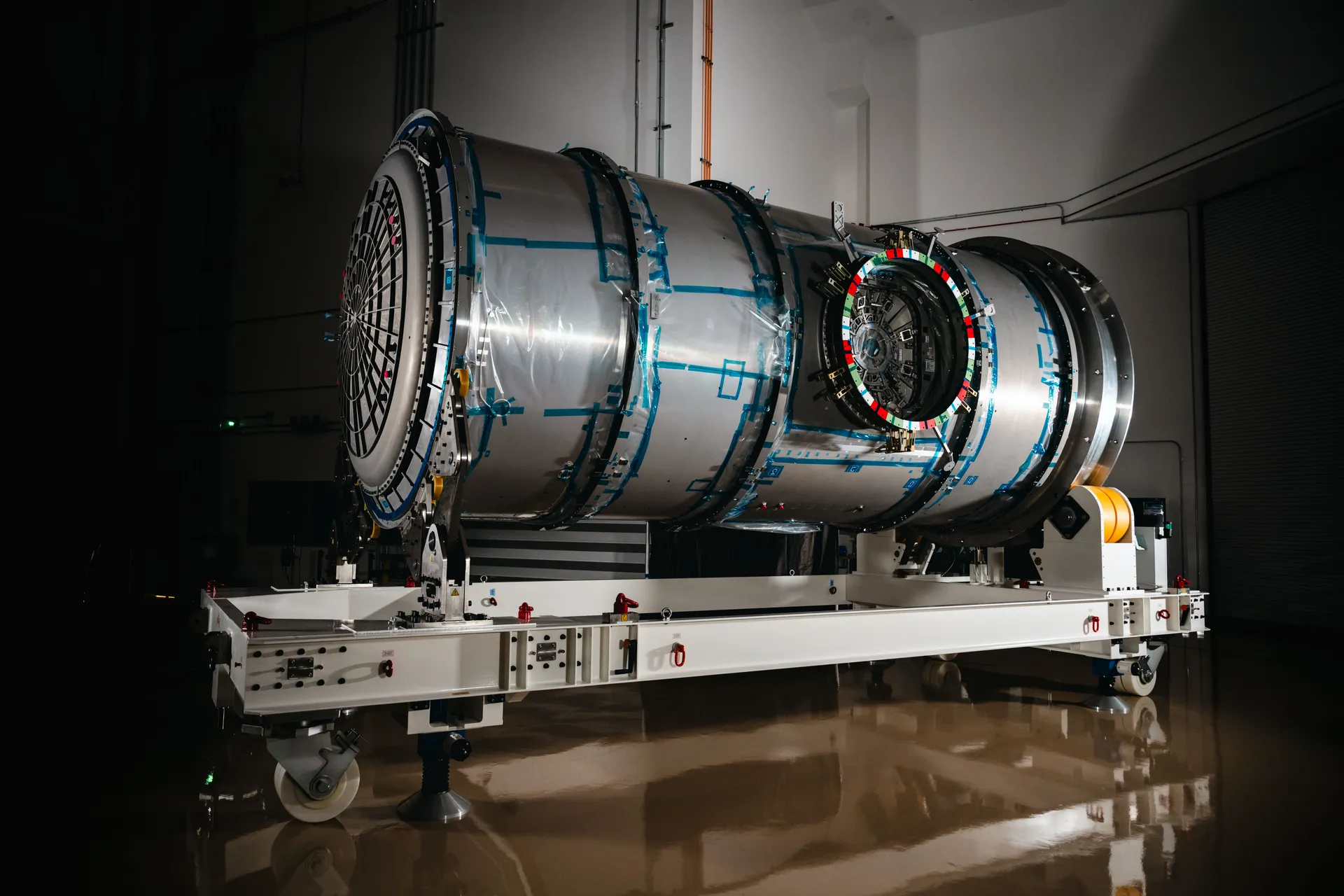
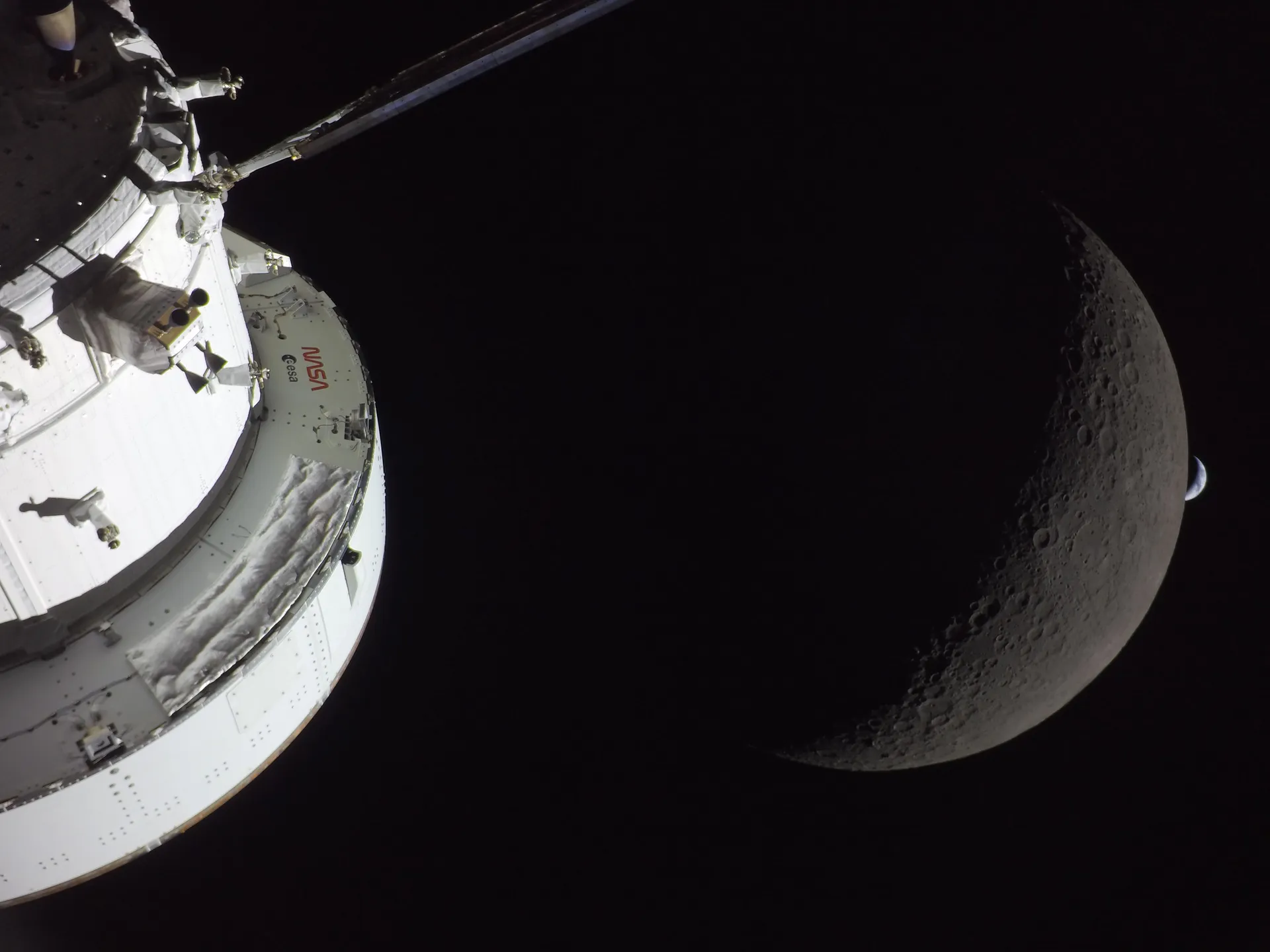
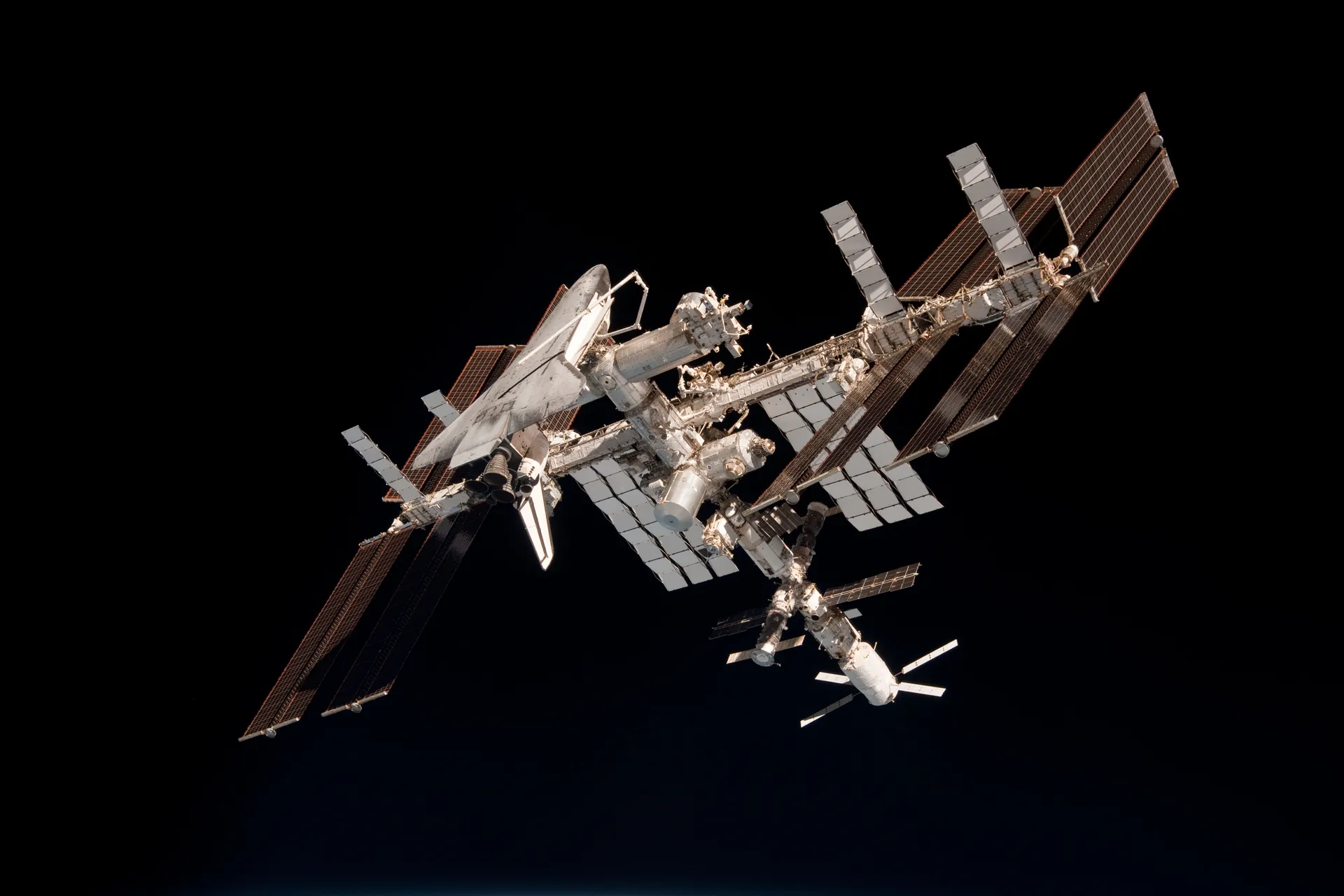
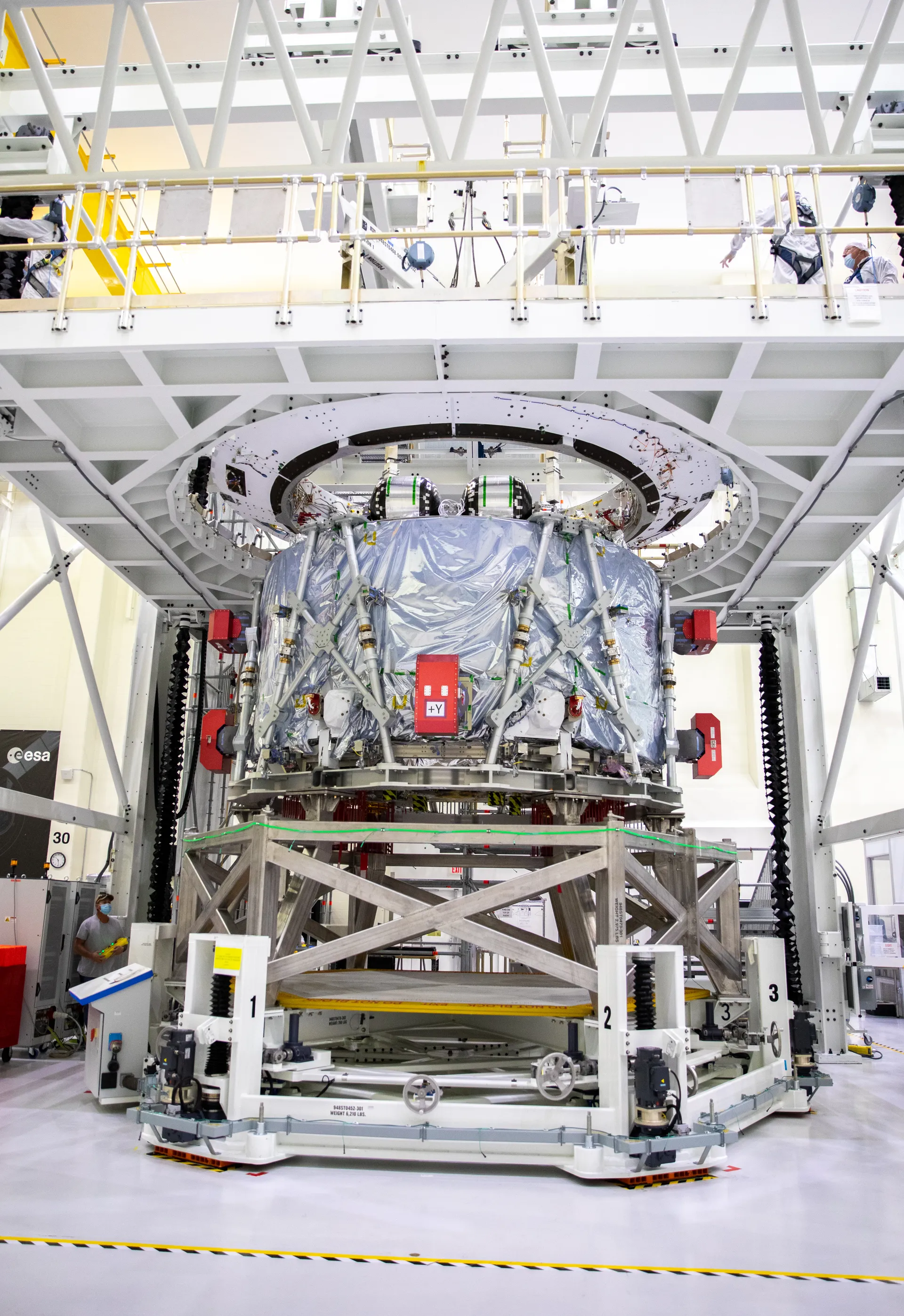
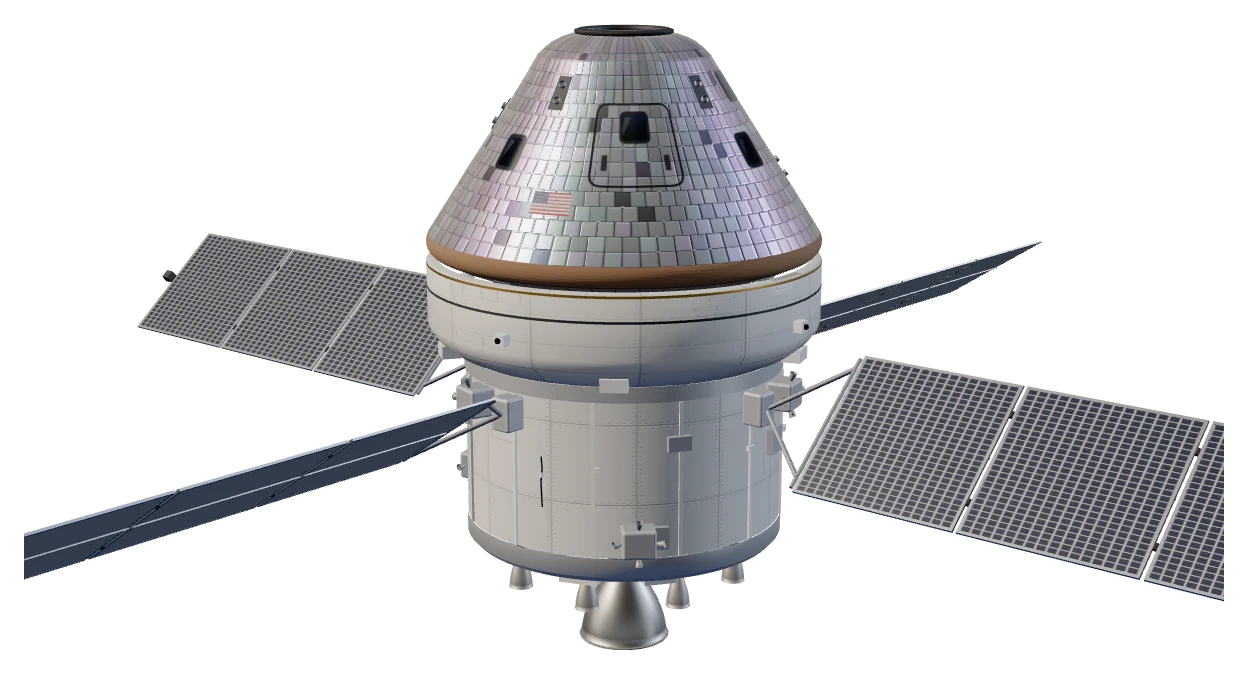
ESA provides the European Service Module that powers and propels Orion; Airbus builds it in Bremen, Germany. The arrangement grew out of the barter system through which ESA pays its share of the International Space Station’s running costs: in January 2013 ESA and NASA extended that barter to cover a service module for Orion.
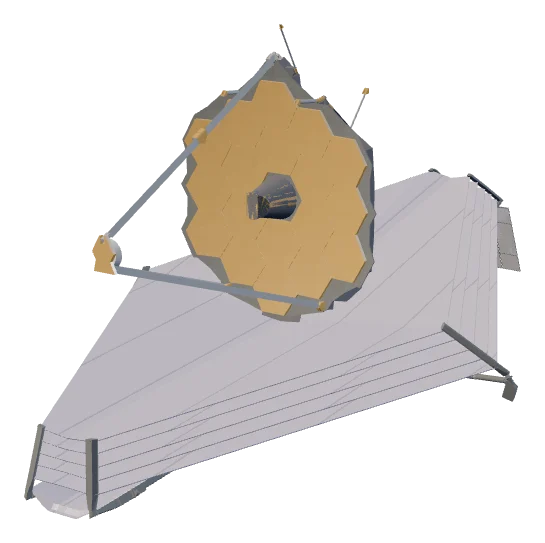
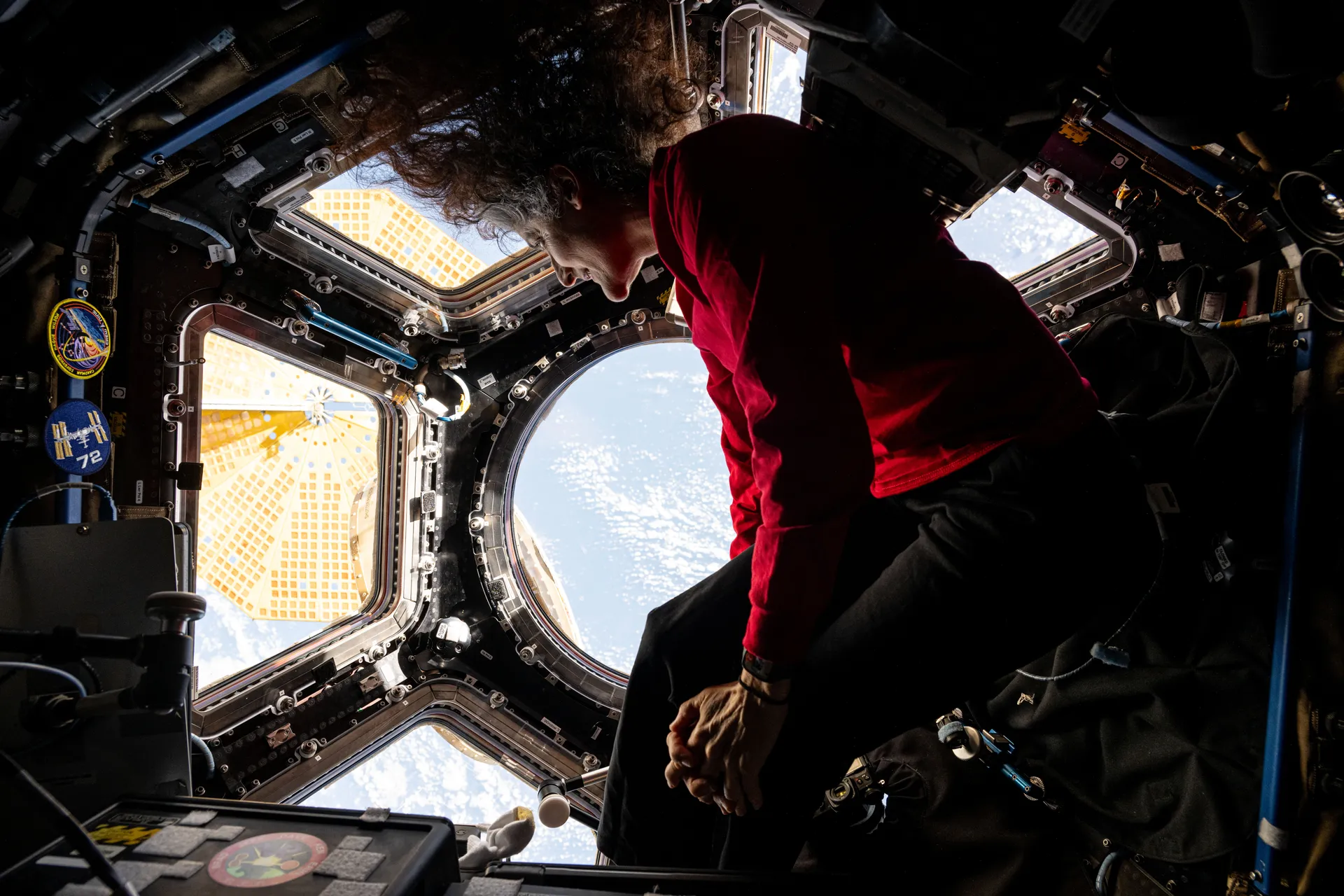
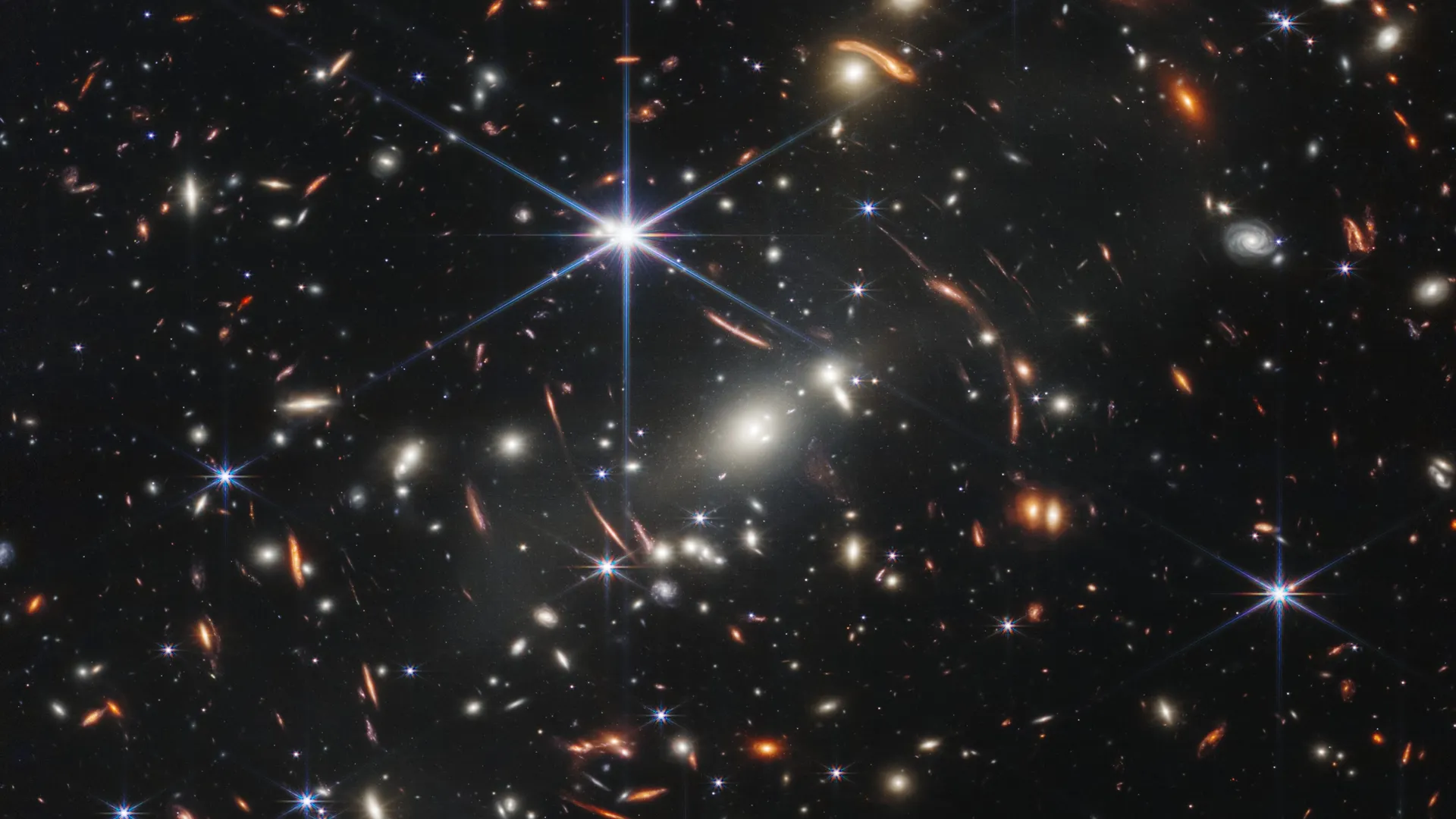
European astronauts fly to the station on Dragon—ESA’s Sophie Adenot launched on Crew-12 in February 2026—and ESA’s Luca Parmitano is the pilot of Artemis III. For the James Webb Space Telescope, ESA provided the Ariane 5 launch and the NIRSpec instrument, and built the MIRI instrument together with a consortium of European countries and NASA’s Jet Propulsion Laboratory.
Its machines
Stories that involve ESA
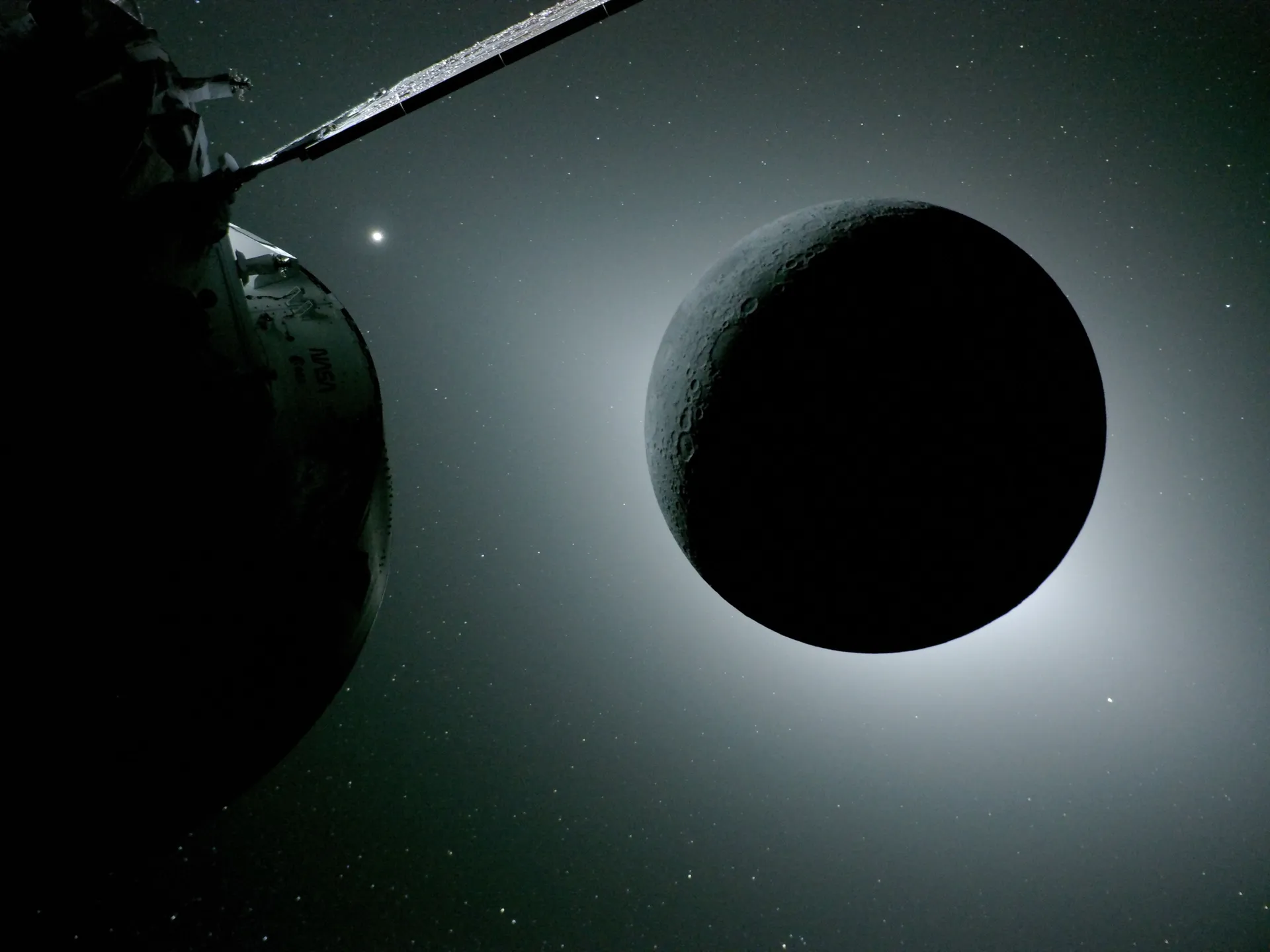
Artemis II: the first crewed flight around the Moon since 1972From April 1 to 10, 2026, four astronauts flew Orion around the far side of the Moon and farther from Earth than anyone before them. What the flight tested, day by day, and what NASA found afterward.
Artemis: how NASA’s plan to land on the Moon was built and rebuiltA rocket, a capsule, two commercial landers, new suits and propellant refilled in orbit: who builds each piece, what it costs, and how a 2024 landing became Artemis IV in 2028.
Gateway: a station for lunar orbit, paused while its first modules were being builtA small international station that was to circle the Moon once a week. Its power module was nearly built when NASA paused it in March 2026; the hardware is being turned to a nuclear Mars spacecraft and Moon Base tests.
Orion: the capsule built to bring a crew home from the MoonLockheed Martin builds the capsule, Europe builds the module that keeps it alive, and its heat shield must survive a return at nearly 25,000 mph. How Orion was developed, how it works, and what its first crewed flight showed.
Built in orbit over thirteen years, occupied without a break since 2000How five space agencies assembled the largest structure ever flown, what it has cost the United States, why its oldest Russian tunnel leaks, and how NASA plans to bring it down after 2030.
3 more stories
How seven people sleep, eat, exercise and work aboard the space stationTwenty-five years of continuous occupation have given the station a daily routine: private sleep stations, a pantry without a refrigerator, two and a half hours of exercise, recycled water, spacewalks and experiments on the crew.
Hubble, Webb and Roman: three telescopes, and why none replaces anotherA 1990 telescope that astronauts rebuilt five times, a $9.7 billion infrared observatory a million miles out, and a survey telescope launched in August 2026: what each one sees, what each cost, and why NASA flies them together.
Mars: two rovers, a helicopter and samples with no ride homeCuriosity has climbed a kilometer up Mount Sharp; Perseverance has used 33 of its 43 sample tubes, one holding a potential biosignature. The $8–11 billion mission to bring them home was shut down in January 2026.
Sources
- European Service Module NASA
- International partnership (Orion) European Space Agency
- ESA facts European Space Agency
- Webb FAQs NASA
- ESA astronaut Luca Parmitano joins NASA’s Artemis III mission as pilot European Space Agency, June 9, 2026
- NASA’s SpaceX Crew-12 Launches to International Space Station NASA, February 13, 2026