Soyuz
The Soviet, then Russian, crew ship of three modules, flying people since 1967, which has served every Soviet and Russian space station and the International Space Station.
- Status
- Flying
- First flight
- 1966
- November 28
- Size
- 7.5 m
- 25 ft
- Diameter
- 2.72 m
- 9 ft
- Built by
- Energia
- Operated by
- Roscosmos
- 1967
- first flight with a crew, Soyuz 1, April 23
- 3
- modules, of which only the descent module comes home
- 2011–2020
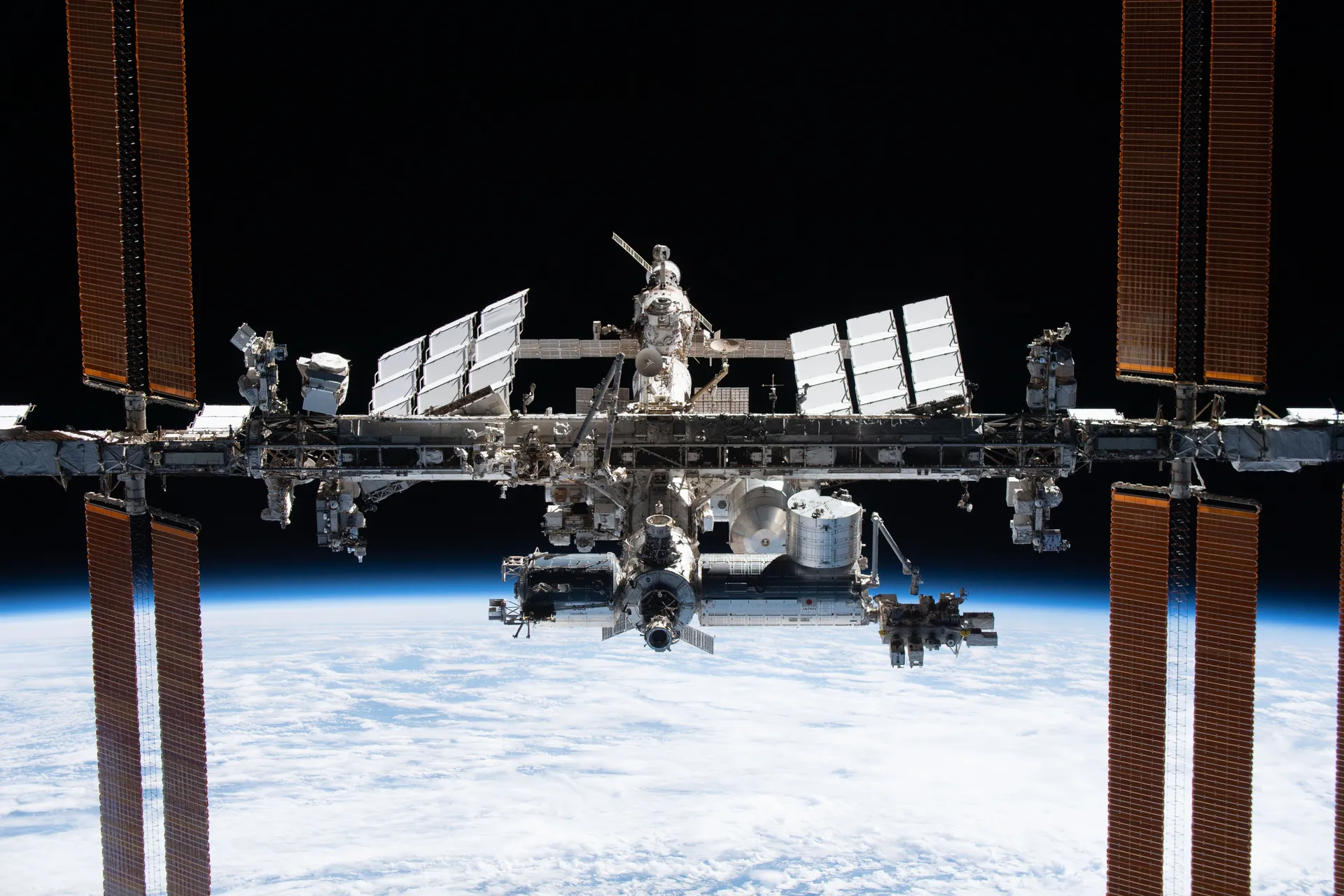
- the only way to reach the International Space Station
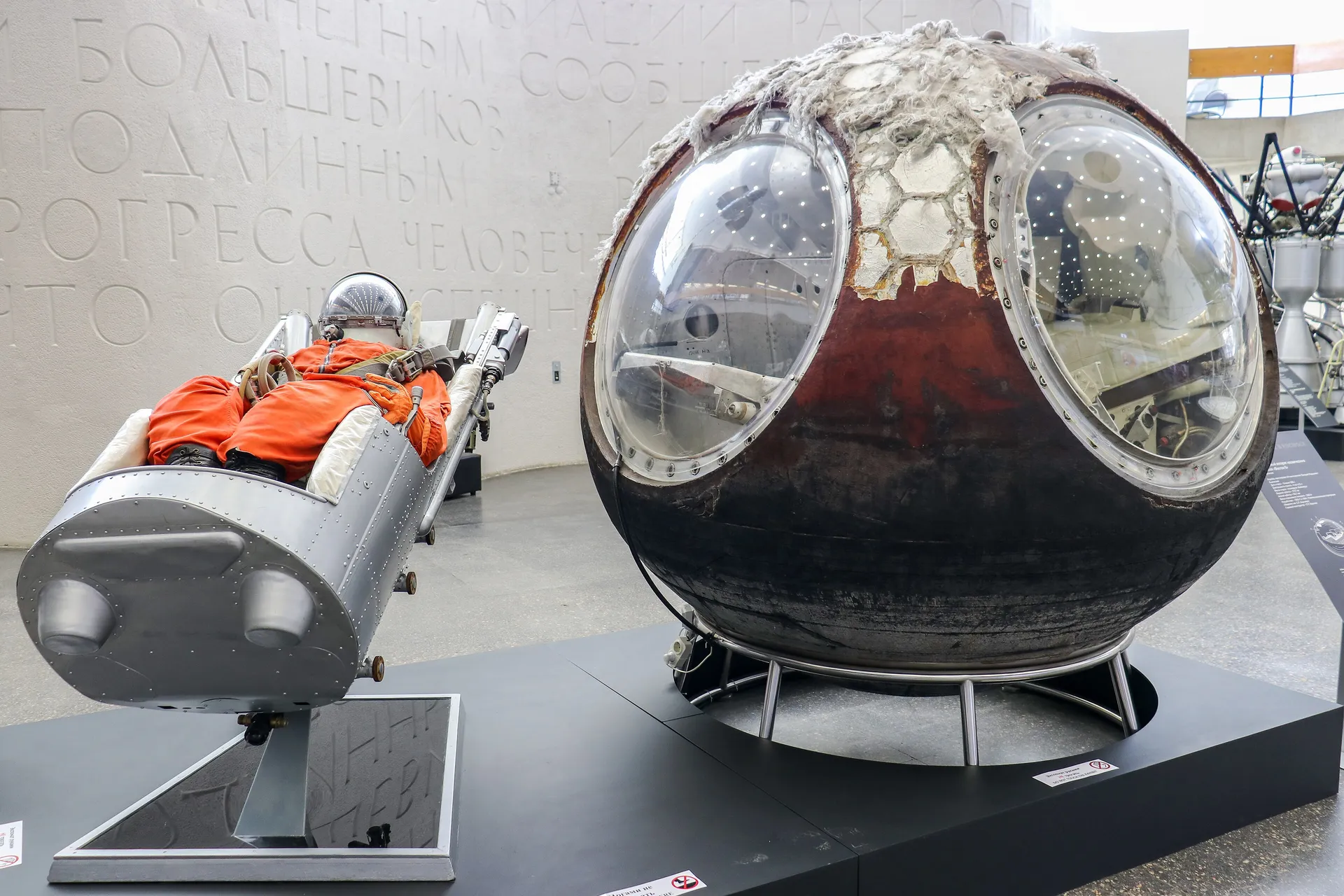
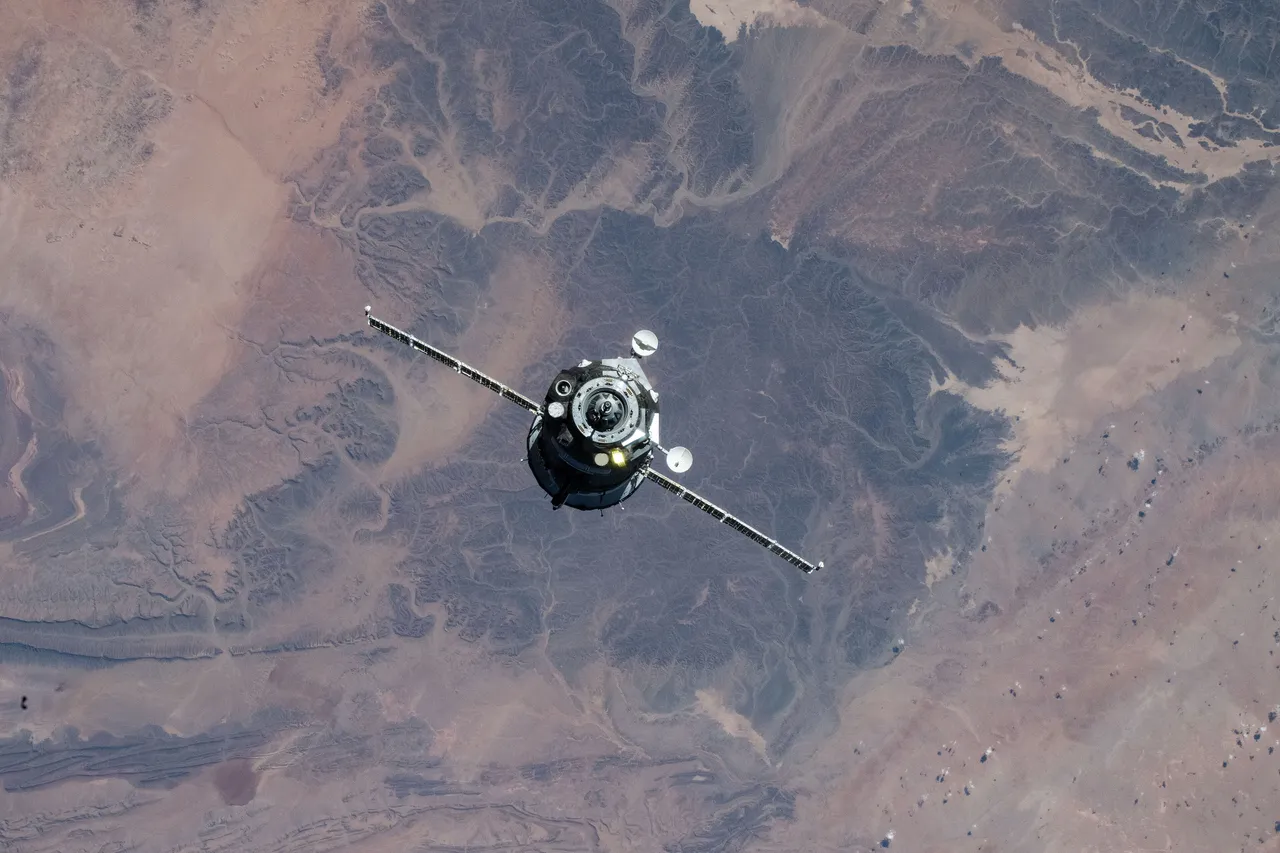
The Soyuz began in 1962 as Sergei Korolev’s design for a three-person ship that would be joined in Earth orbit to rocket stages and sent around the Moon. After the Soviet government set up its lunar programs in 1964 it became an Earth-orbit craft for practicing rendezvous and docking, and its layout has stayed the same since: an orbital module in front with living space and the docking unit, a bell-shaped descent module, the only part that comes home, and a service module with the engines, propellant and solar arrays. Two parachutes, a braking one and then the main one, and solid-fuel motors that fire about a meter above the ground bring the descent module down on land.
Its first years were costly. Vladimir Komarov was killed on Soyuz 1 in April 1967 when the main parachute failed, and the three cosmonauts of Soyuz 11 died in June 1971 when a valve opened as the modules separated and the cabin lost its air; crews have worn pressure suits for launch, docking and reentry ever since. From 1977 the ship had one job, serving space stations. Soyuz-TM, flown with crews from 1987, found Mir with the Kurs radio system and could stay docked for at least 180 days.
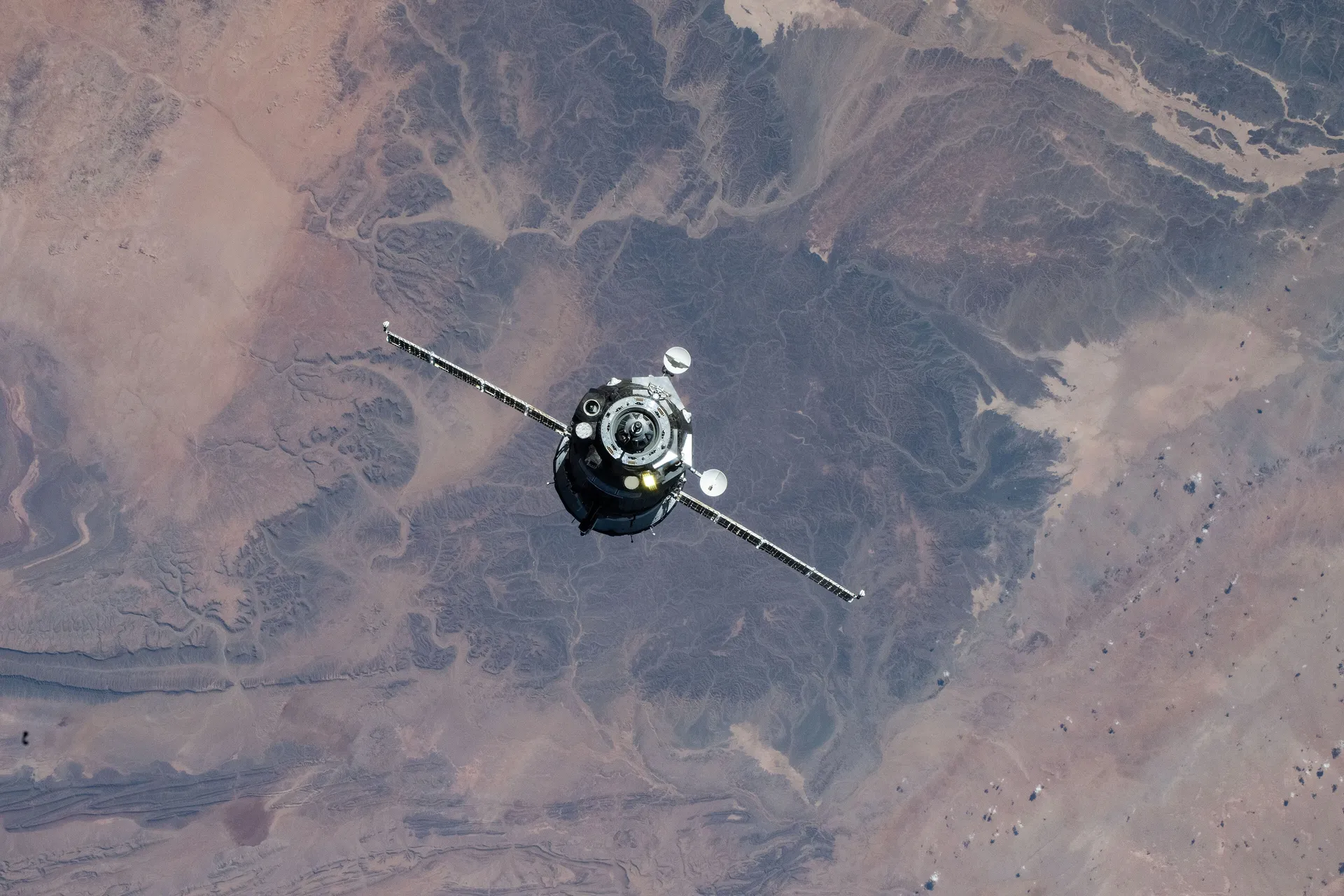
The current version, Soyuz MS, first flew in July 2016. It weighs about 7,290 kilograms at launch and gives its three crew members 10 cubic meters of room, 4 of them in the descent module. From the last Space Shuttle flight in 2011 until Crew Dragon first flew with a crew in 2020, it was the only way for anyone to reach the International Space Station.
Where Soyuz appears in the atlas
Sources
- 1
- 2
- 3