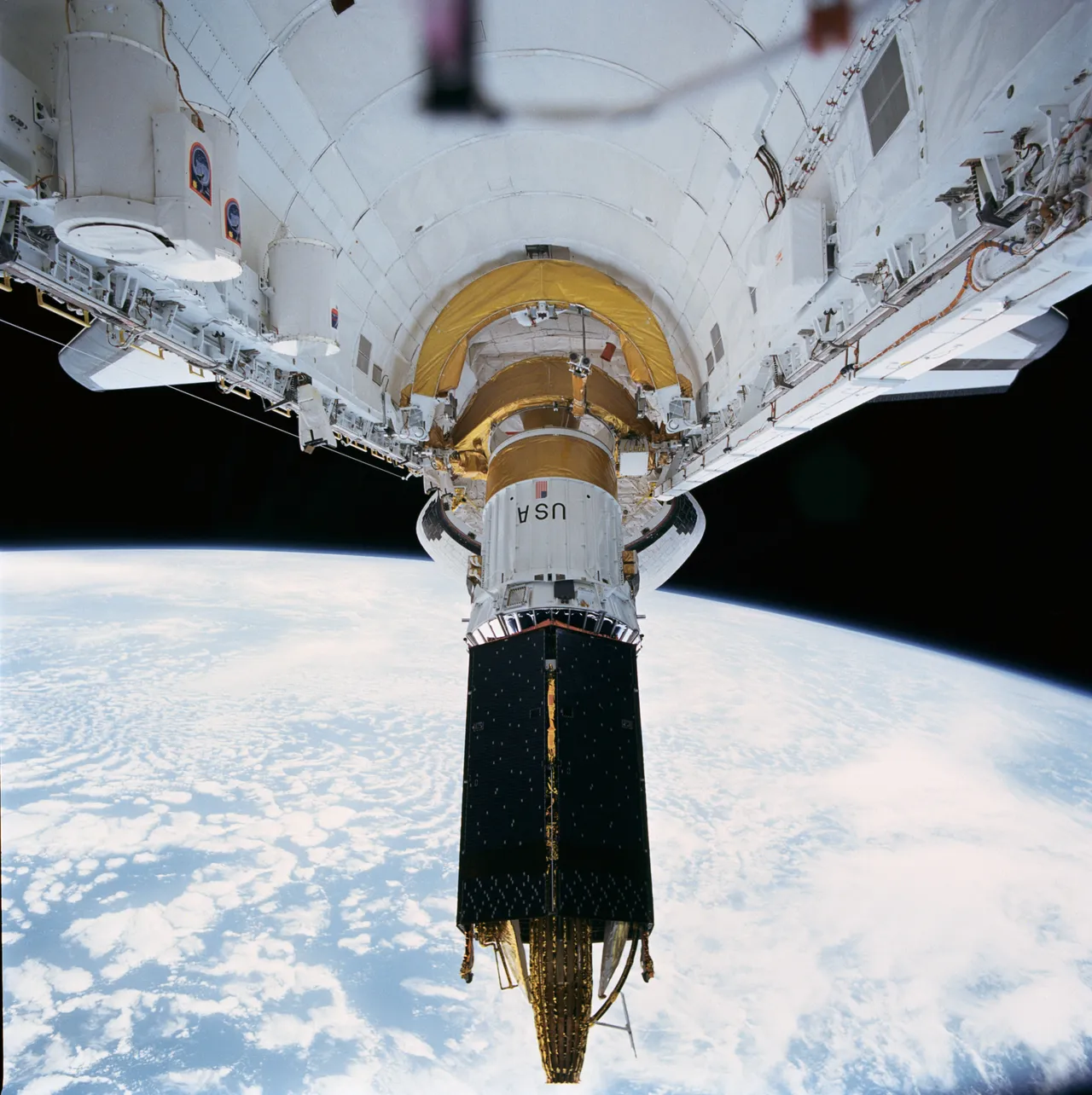
TDRS
Relay satellites in geostationary orbit that carry signals between Earth and the Space Station, Hubble and other spacecraft.
- Type
- Satellite
- Status
- Operating
- First flight
- April 4, 1983
- Size
- 17.4 m (57 ft)
- Built by
- NASA
- 1983
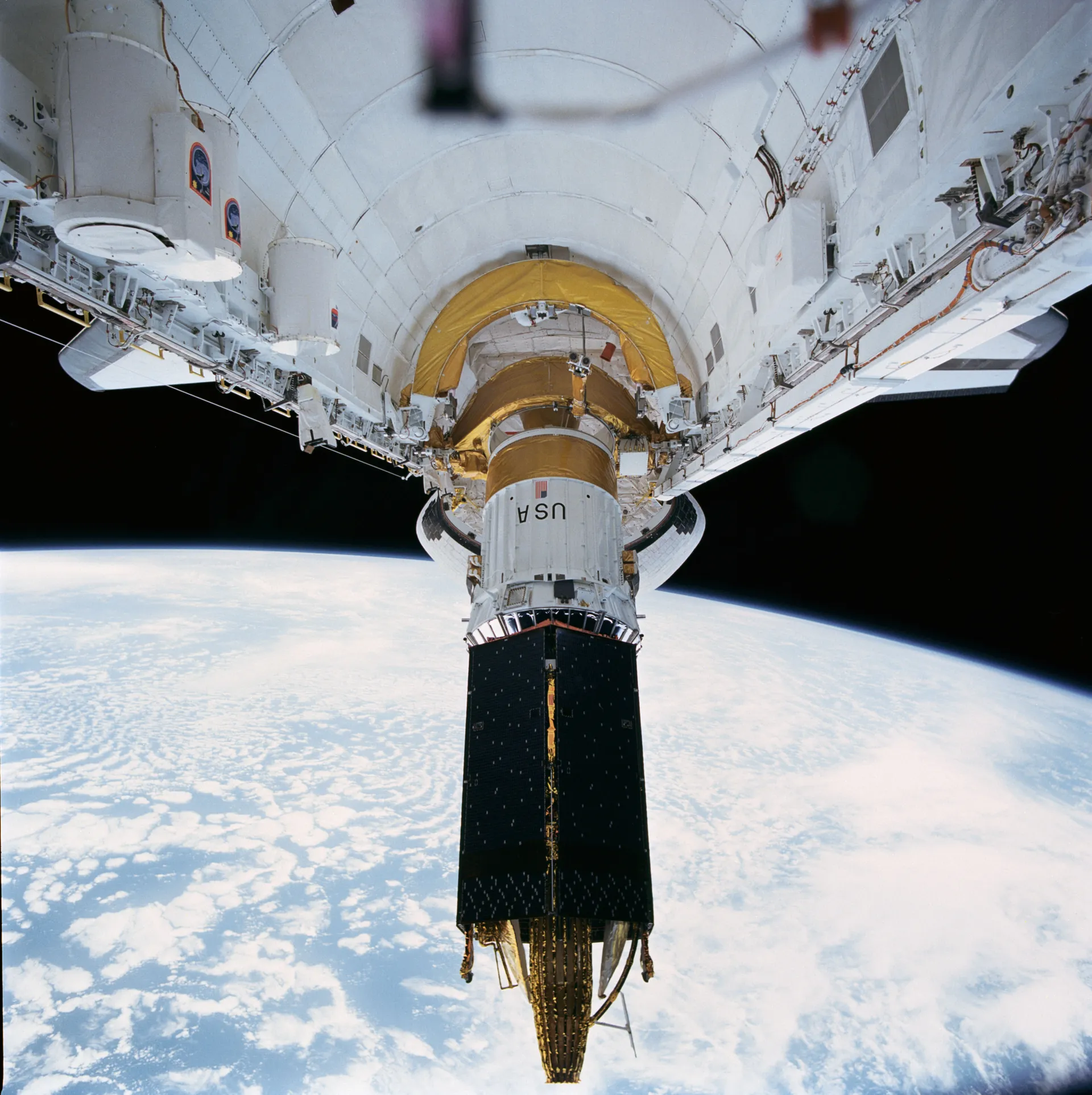
- first launched, on the Shuttle’s STS-6
- 13
- satellites launched across three generations
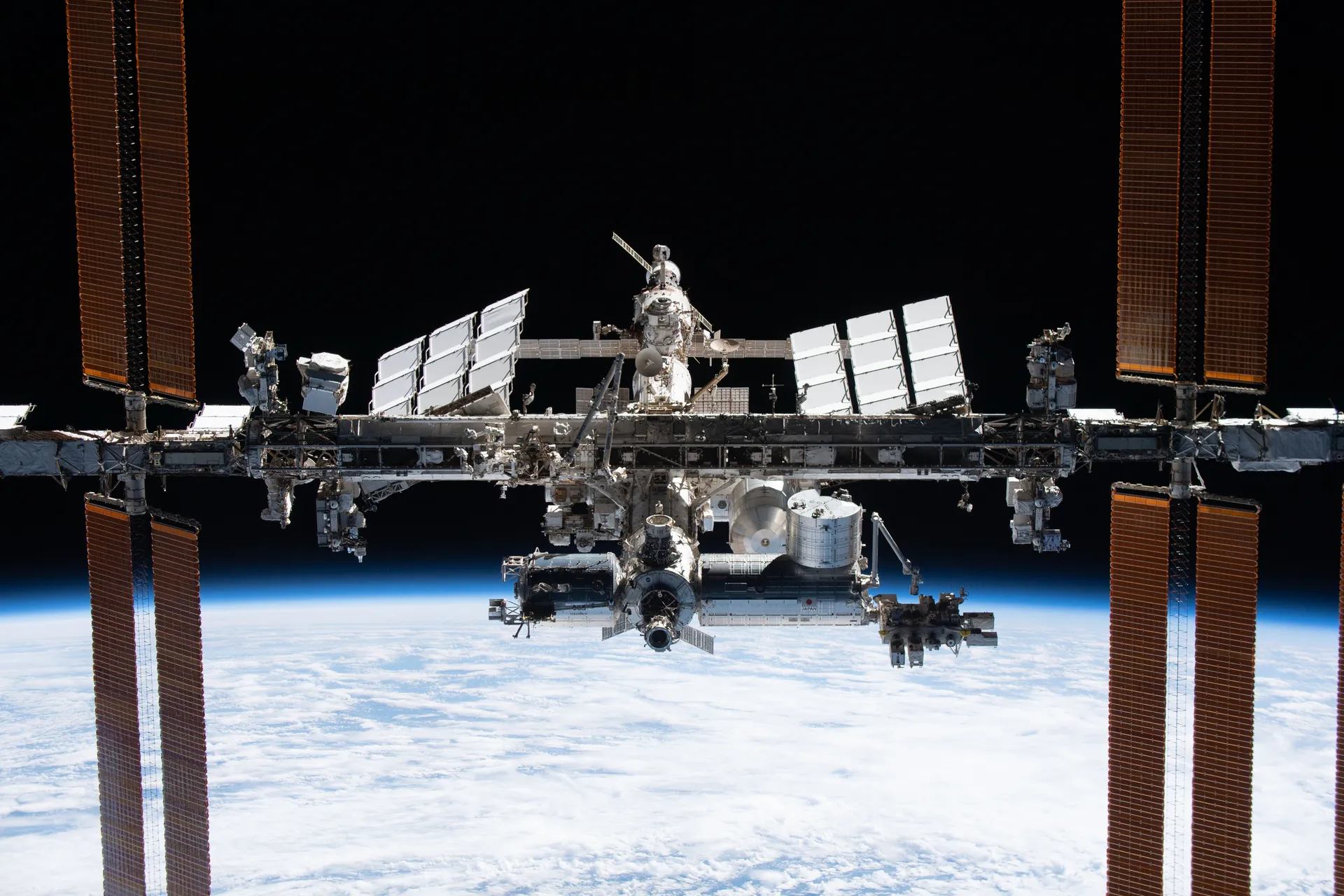
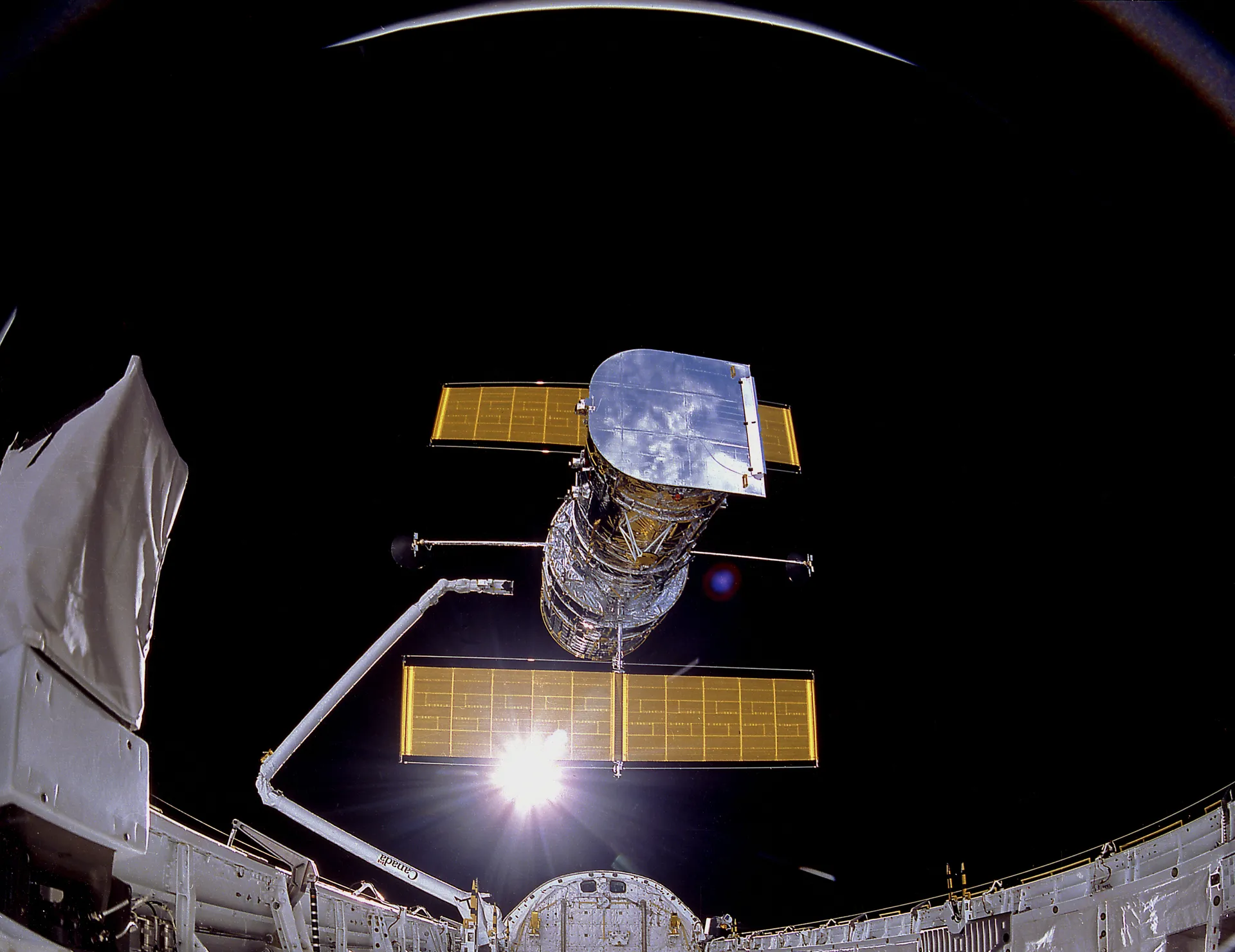
Before the Tracking and Data Relay Satellite System, a spacecraft in low orbit could talk to the ground only while it passed over one of NASA’s ground stations. TDRS satellites sit in geostationary orbit and relay signals instead, so the Space Station and Hubble can stay in contact for almost their whole orbit.
The model shown is the first generation, launched from the Space Shuttle beginning in 1983. NASA is now moving its near-Earth communications toward commercial providers, and the TDRS fleet is being retired as it ages.